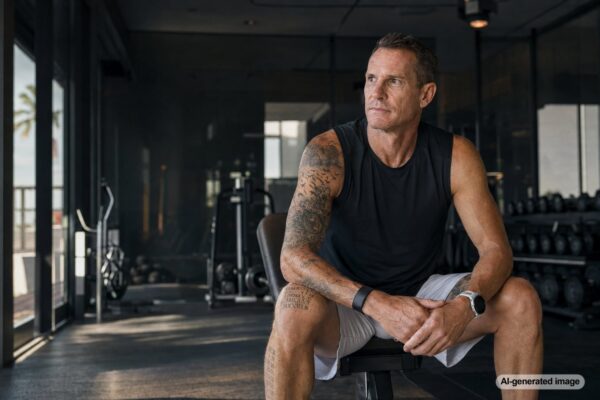

The Entrepreneur’s Guide to Sustaining Long-Term Vision
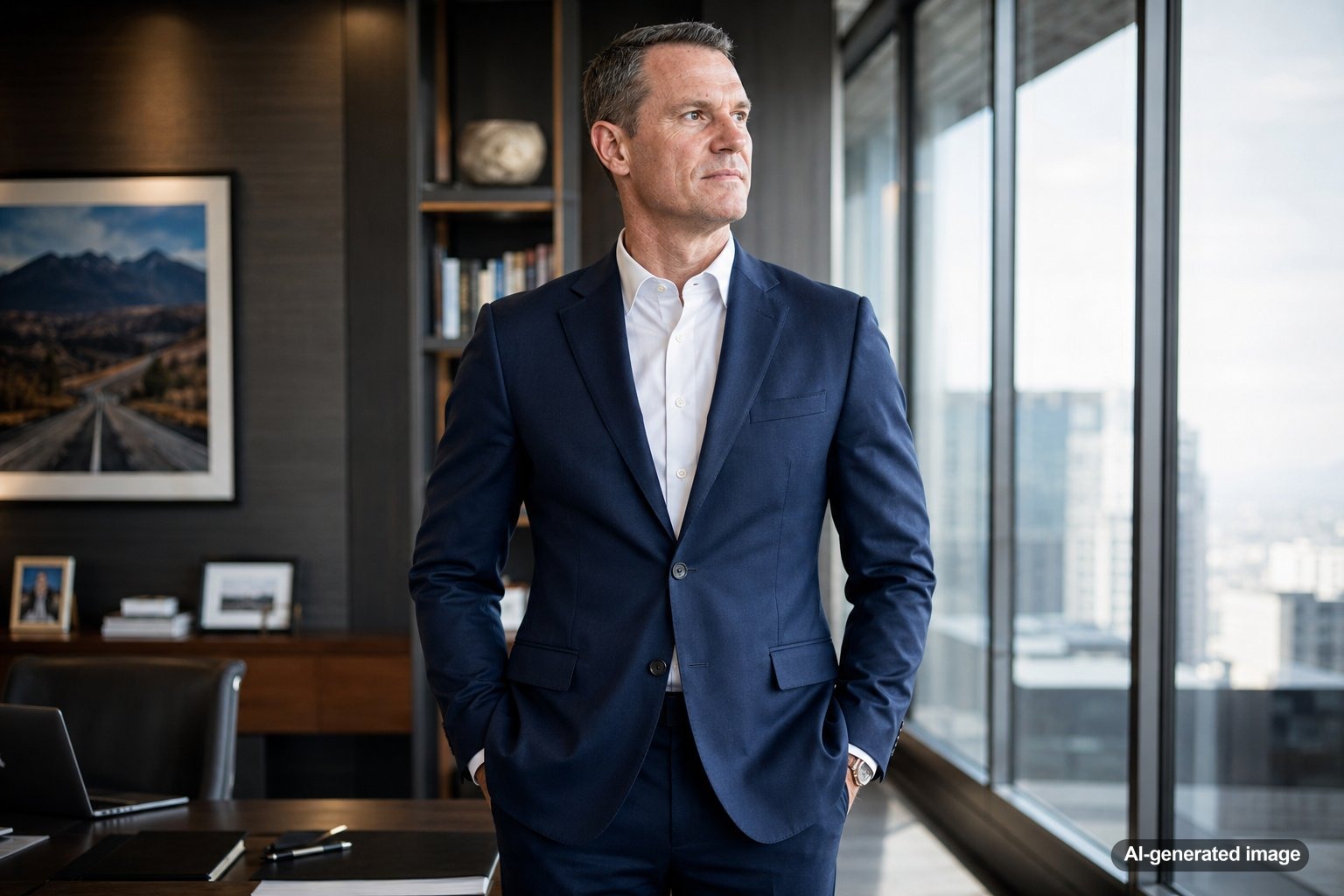
Long-term vision is easy to admire from a distance and much harder to protect in real life. Entrepreneurs are asked to make urgent decisions, manage people, carry risk, adapt to changing markets, and keep believing in something that may take years to fully become visible.
For a leader like Greg Schaefer, vision is not just a business concept. It is something built through family, entrepreneurship, endurance training, adversity, and the daily decision to keep moving forward when the path is not simple. Sustaining vision requires more than ambition. It requires structure, perspective, and the humility to keep taking the next right step.
Quick answer
- Long-term vision survives when it is connected to values, not just outcomes.
- Entrepreneurs need systems that protect focus when urgency gets loud.
- Resilience is built through steady decisions, not occasional bursts of motivation.
- The best leaders revisit the vision often, but they are willing to adjust the route.
- A mission-driven business needs both patience and practical execution.
Vision is not the same as a dream
A dream can be inspiring, but a vision has to be usable. It should help a founder make decisions, choose priorities, say no to distractions, and keep the team moving in a consistent direction.
Many entrepreneurs confuse intensity with clarity. They know they want to grow, win, expand, or make an impact, but they have not translated that desire into a working filter. A useful vision answers questions like: What are we building? Who does it serve? What kind of company are we willing to become? What are we not willing to sacrifice along the way?
That distinction matters because business rarely rewards vague ambition for long. When pressure rises, the leader needs more than excitement. They need a clear center of gravity.
The danger of living only in the urgent
Entrepreneurs often spend their days inside a stream of immediate needs. A client needs an answer. A team member needs direction. A financial decision cannot wait. A competitor moves faster than expected. These moments are real, and they matter.
The problem comes when urgency becomes the whole operating system. A founder can spend months solving problems and still lose connection with the larger direction of the business. That is how companies drift. Not always through one dramatic mistake, but through a long series of reactive decisions that slowly pull the organization away from its original purpose.
Long-term vision needs protected space. That may mean a weekly review, a quarterly reset, a trusted advisor conversation, or a standing leadership discussion that asks whether today’s activity still supports tomorrow’s mission.
Discipline turns vision into motion
Vision without discipline can become frustration. Discipline is what converts the big picture into the repeated actions that make progress possible. It is less glamorous than the launch, the speech, the milestone, or the finish line, but it is usually where the real work lives.
Endurance athletes understand this well. A race is not completed on race day alone. It is built through ordinary training sessions, recovery choices, nutrition decisions, and the willingness to do the work when no crowd is watching. Entrepreneurship has a similar rhythm. The visible wins are usually supported by years of invisible consistency.
For leaders, that means building habits around planning, communication, decision-making, financial awareness, and personal energy. A founder who burns out, overreacts, or constantly changes direction can weaken even a strong vision. Discipline helps keep the mission from depending on mood.
Long-term leaders know what to release
Sustaining vision does not mean clinging to every original idea. Some strategies expire. Some products do not fit. Some opportunities look attractive but pull the business in the wrong direction. Some habits worked in the early stage but become limiting later.
One overlooked part of entrepreneurial maturity is knowing the difference between commitment and rigidity. Commitment protects the purpose. Rigidity protects the ego. A grounded leader can say, “The mission still matters, but the plan needs to change.” That sentence can save years of wasted motion.
This is especially important when a business grows. The founder may need to delegate more, communicate differently, strengthen systems, or move from being the person who touches everything to the person who protects the direction. That shift can be uncomfortable, but it is often necessary for the vision to outlast the founder’s direct control of every detail.
Mission gives endurance to the work
Profit matters. Performance matters. Operational excellence matters. But entrepreneurs who sustain long-term vision often have a deeper reason for staying in the work. Mission creates emotional durability.
Mission does not have to sound grand or polished. It may be serving families well, building a workplace people are proud to belong to, creating opportunity, solving a problem with integrity, or using success as a platform for impact. What matters is that the mission is real enough to guide behavior when things get difficult.
Greg’s broader platform reflects this kind of connection between action and purpose. His work across business, endurance, advocacy, and the Forward Motion Fund points to a simple but demanding idea: forward motion is not only about personal achievement. It can become a way to serve something bigger than yourself.
What entrepreneurs often miss
Many founders think vision fades because they lacked passion. More often, vision fades because it was not supported by the right practices. A few patterns are especially common.
- They never define what success should feel like beyond revenue. Financial goals are important, but they do not answer every leadership question.
- They allow every opportunity to become a priority. Too many yeses can quietly dilute the original mission.
- They carry the vision alone. A team cannot protect what the founder has never clearly communicated.
- They confuse exhaustion with commitment. Sustainable leadership requires energy management, not just effort.
Practical ways to protect long-term vision
Long-term thinking becomes stronger when it is made practical. Entrepreneurs can begin with a few simple but serious habits.
First, revisit the vision on a schedule, not only during crisis. A monthly or quarterly check-in can reveal whether the business is still aligned with its deeper purpose. Second, translate vision into decision rules. For example, decide which clients, partnerships, products, or opportunities fit the direction and which ones do not.
Third, build a support system that can challenge the leader honestly. Founders need people who respect the mission enough to ask hard questions. Fourth, measure progress in more than one way. Revenue, retention, team health, customer trust, and personal sustainability can all tell part of the story.
Finally, remember that vision is carried one decision at a time. A long-term future is not built by thinking far ahead all day. It is built by making today’s choices in a way that keeps faith with where you are trying to go.
FAQ
How can an entrepreneur stay focused on long-term vision?
Start by turning the vision into a practical filter for decisions. Review it regularly, communicate it clearly, and connect weekly priorities to the larger direction. Focus is easier to protect when the vision is visible in the way the business actually operates.
What causes founders to lose their long-term vision?
Founders often lose clarity when urgency takes over, opportunities become scattered, or the business grows faster than its systems. Vision can also fade when the leader carries too much alone and stops creating space for reflection.
Should a long-term vision ever change?
Yes. A strong vision can mature as the founder, team, market, and mission evolve. The key is to protect the core purpose while staying flexible about strategy, timing, and execution.
Why does resilience matter in entrepreneurship?
Entrepreneurship includes uncertainty, setbacks, and seasons when progress feels slow. Resilience helps leaders keep perspective, make grounded decisions, and continue moving forward without letting temporary difficulty define the entire journey.
Interested in bringing Greg’s message to your event or organization?
Learn more about Greg’s speaking work or get in touch to start the conversation.
Contact Greg or learn more about the Forward Motion Fund.
This article is for educational purposes only and is not medical advice. For diagnosis, treatment, or personalized medical guidance, please speak with a qualified healthcare professional.