

How To Balance Zone 2 Running With Heavy Weight Training
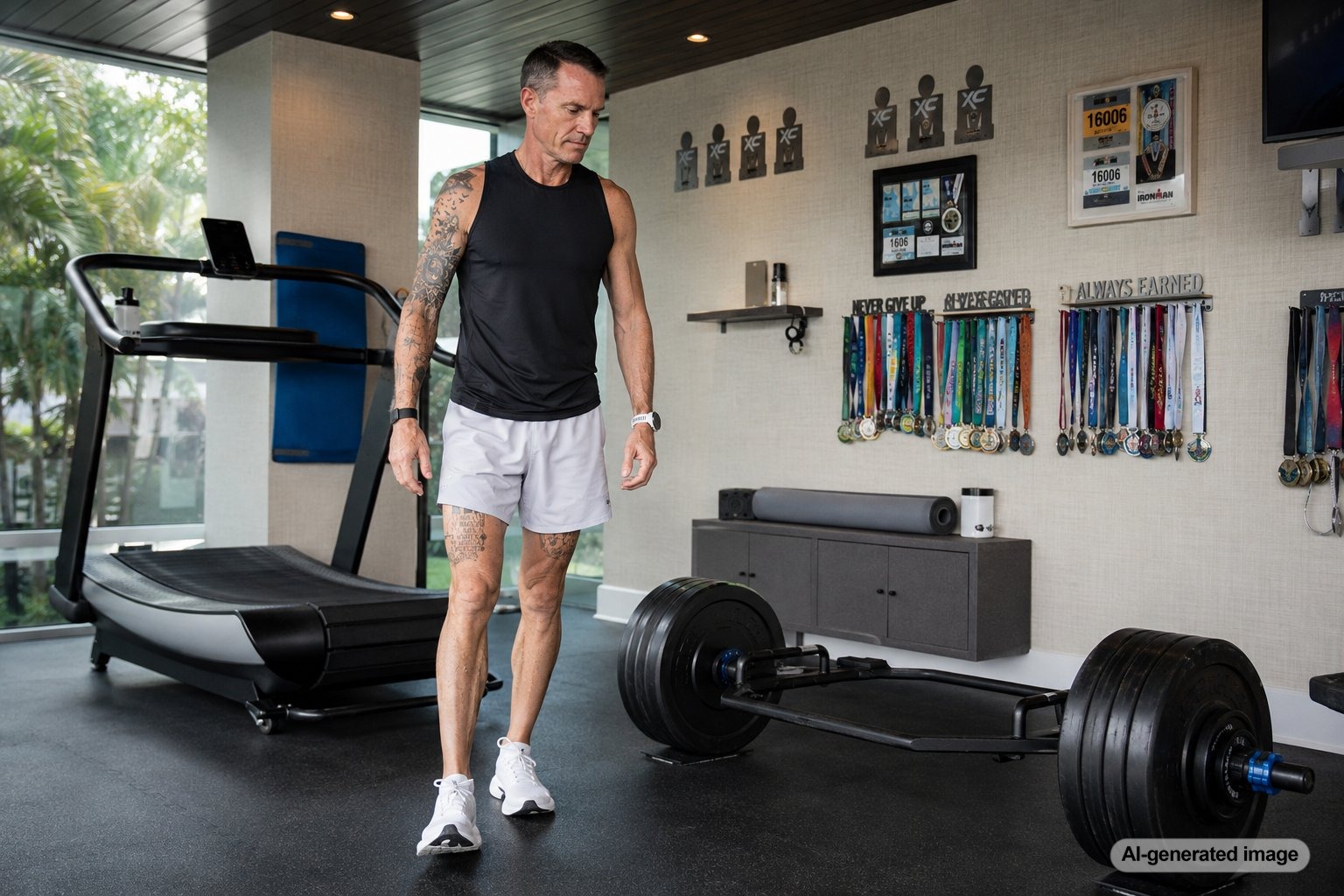
Balancing Zone 2 running with heavy weight training is not about proving how much work you can stack into a week. It is about building a system that lets endurance and strength support each other instead of competing for the same recovery budget. For athletes, leaders, parents, and anyone trying to stay strong for the long haul, that distinction matters.
Greg Schaefer’s world sits at the intersection of endurance, discipline, family, business, and resilience. That makes this topic bigger than a training split. It is a practical lesson in sustainable effort: knowing when to push, when to hold back, and how to keep moving forward without burning through the very capacity you are trying to build. You can learn more about Greg’s story on the About Greg page.
Quick answer: how to balance Zone 2 running with heavy lifting
- Separate hard lower-body lifting and longer Zone 2 runs when possible. Give your legs room to recover between the sessions that create the most fatigue.
- Keep Zone 2 truly easy. If every run turns into a moderate grind, it can interfere with lifting quality and recovery.
- Prioritize your main goal for the season. A race build, strength block, or general health phase should each look slightly different.
- Watch the total weekly load. The issue is rarely one run or one lift. It is the accumulation of stress over time.
- Use recovery as part of the plan, not a reaction to failure. Sleep, food, mobility, and lower-intensity days are what make the work productive.
Start by deciding what you are training for
The best schedule depends on the purpose behind the work. Someone preparing for an Ironman, someone chasing a stronger deadlift, and someone training for longevity all need different priorities. The same exercises can be useful, but the order, volume, and intensity should change.
If endurance performance is the main goal, Zone 2 running may need more weekly space because it builds aerobic durability without requiring every session to feel heroic. Heavy lifting still matters, but it may be used to preserve strength, improve resilience, and support tissue capacity rather than chase personal records every week.
If strength is the main goal, heavy lifting should sit at the center of the week. Zone 2 running can still play a valuable role, but it should be controlled enough that it does not turn squat day, deadlift day, or recovery into a constant negotiation.
If the goal is long-term health and capability, the answer is usually balance. Lift heavy enough to stay strong. Run easy enough to build aerobic capacity. Leave enough margin to remain a good spouse, parent, teammate, and professional outside the gym.
Keep Zone 2 from becoming hidden intensity
The biggest mistake is treating Zone 2 like a label instead of a discipline. A true Zone 2 run should usually feel controlled, sustainable, and repeatable. Many athletes drift too hard because the pace feels slow at first or because they want every workout to feel like proof of effort.
That creates a problem. A run that was supposed to support recovery and aerobic development becomes another stressor. It may not feel like a race, but it can still leave the legs flat for heavy lifting, especially if it includes hills, heat, poor sleep, or too much total mileage.
A useful test is simple: after a Zone 2 run, could you train again later that day or lift well the next day? Not every session needs to leave you fresh, but if your easy work repeatedly damages your hard work, it is no longer serving its role.
Protect your heavy lifting days
Heavy weight training asks for focus, coordination, and nervous system readiness. That is especially true for lower-body work like squats, deadlifts, lunges, loaded carries, step-ups, and heavy split squats. These sessions should not be placed randomly around long runs just because both fit on the calendar.
When possible, put the hardest lower-body lift after a rest day or after an easy upper-body day. If you need to run and lift on the same day, many athletes do better by placing the priority session first. For example, if strength is the focus, lift first and keep the run short and easy later. If endurance is the focus, run first and adjust the lift so it does not become sloppy.
Upper-body lifting is usually easier to pair with Zone 2 running, though total fatigue still matters. A short easy run and an upper-body strength session can often coexist well. Heavy lower-body lifting and long hilly running require more care.
A simple weekly structure that can work
There is no perfect template, but a balanced week often works best when the hardest sessions are spaced apart. For a general hybrid training week, a practical structure might look like this:
- Day 1: Heavy lower-body strength training
- Day 2: Easy Zone 2 run or mobility-focused recovery
- Day 3: Upper-body strength training plus optional short easy cardio
- Day 4: Longer Zone 2 run
- Day 5: Full-body strength training with controlled volume
- Day 6: Easy aerobic work, walk, bike, or relaxed run
- Day 7: Rest or very light movement
This is not a rulebook. It is a starting point. A busy executive, a parent with young kids, a competitive endurance athlete, and someone managing real-life physical limitations may all need different versions. The principle is what matters: do not place your most demanding run and your most demanding lift so close together that both become compromised.
Separate fatigue from effort
Effort is what you put into the work. Fatigue is what the work costs you. High-performing people often understand effort very well and underestimate fatigue until it catches up with them.
That matters in hybrid training because Zone 2 running can feel emotionally easy while still adding physical load. Heavy lifting can feel productive while still creating soreness, joint stress, and recovery demand. Neither is the villain. The problem is pretending that every useful session is free.
One of the most valuable skills is learning to read early signals. Are your easy runs getting harder at the same pace? Are warm-up weights feeling unusually heavy? Are you irritable, sleeping poorly, or dragging through sessions you usually enjoy? Those signs do not always mean stop training. They may mean adjust volume before your body forces a bigger correction.
Use seasons instead of trying to peak at everything
You can train strength and endurance at the same time, but you probably cannot maximize both every week of the year. A smarter approach is to use seasons. During a race build, you may maintain heavy strength with fewer sets and a sharper focus on quality. During a strength block, you may keep Zone 2 running steady but avoid pushing mileage aggressively.
This is where discipline becomes more than toughness. It takes maturity to hold back when you know you could do more today but doing more would reduce what you can do next month. In endurance sports, business, family, and advocacy, forward motion is often built through consistency rather than constant intensity.
What people often miss
- Running surface matters. Trails, hills, concrete, and treadmills can all create different recovery demands.
- Leg soreness is not the only signal. Poor coordination, low motivation, and heavy warm-ups can also show accumulated fatigue.
- Fueling affects both sides of the equation. Under-eating can make Zone 2 feel harder and lifting feel weaker.
- Easy aerobic work does not have to be running. Cycling, incline walking, rowing, or other low-impact options can sometimes preserve aerobic work while reducing leg pounding.
- Age and life stress count. Training does not happen in a vacuum. Work pressure, travel, family demands, and sleep all affect recovery.
How to know if your balance is working
A good plan should leave evidence. Your easy runs should become more controlled over time. Your lifting should remain technically sound. You should feel like the work is building you, not slowly draining you. Progress may not be dramatic every week, but the trend should be stable.
If your lifting numbers are dropping, your runs feel heavier, and your motivation is fading, the answer is not always to get tougher. Sometimes the stronger move is to simplify. Reduce one variable. Shorten the long run. Cut a few accessory sets. Add a recovery day. Keep the promise to train, but change the way you fulfill it.
FAQ
Can I run Zone 2 on the same day I lift heavy?
Yes, but it works best when you manage priority and fatigue. If strength is the main goal, lift first and keep the run easy. If endurance is the main goal, run first and keep the lift focused rather than excessive.
Should I avoid running after leg day?
Not always. A short, easy run may be fine for some athletes, but a long or hilly run after heavy lower-body training can be too much. Pay attention to soreness, mechanics, and how your next session feels.
How many Zone 2 runs should I do per week while lifting heavy?
Many people do well with two to four easy aerobic sessions, depending on goals, training history, and recovery. The right number is the one that supports progress without making heavy lifting consistently worse.
Can Zone 2 running help strength athletes?
It can. Easy aerobic work may support general conditioning, recovery capacity, and long-term health. The key is keeping it easy enough that it does not interfere with strength-focused sessions.
What if I feel guilty taking a rest day?
Rest is not a lack of discipline. It is part of the discipline. The goal is not to collect exhausting workouts. The goal is to keep showing up with enough capacity to do meaningful work over time.
Bottom line
Balancing Zone 2 running with heavy weight training comes down to clarity, spacing, and honesty. Know what matters most in the current season. Keep easy runs easy. Protect your hardest lifts. Respect the total load. Then adjust before fatigue makes the decision for you.
That kind of training mindset fits a larger life principle: strength is not only the ability to push. It is also the ability to pace, adapt, recover, and take one more step with purpose. For organizations looking to bring that message into a room, Greg’s speaking work connects endurance, leadership, adversity, and forward motion in a grounded, human way.
Interested in bringing Greg’s message to your event or organization?
Learn more about Greg’s speaking work or get in touch to start the conversation.
Contact Greg or learn more about the Forward Motion Fund.
This article is for educational purposes only and is not medical advice. For diagnosis, treatment, or personalized medical guidance, please speak with a qualified healthcare professional.


