Can You Be Fit And Still Have High Blood Pressure?
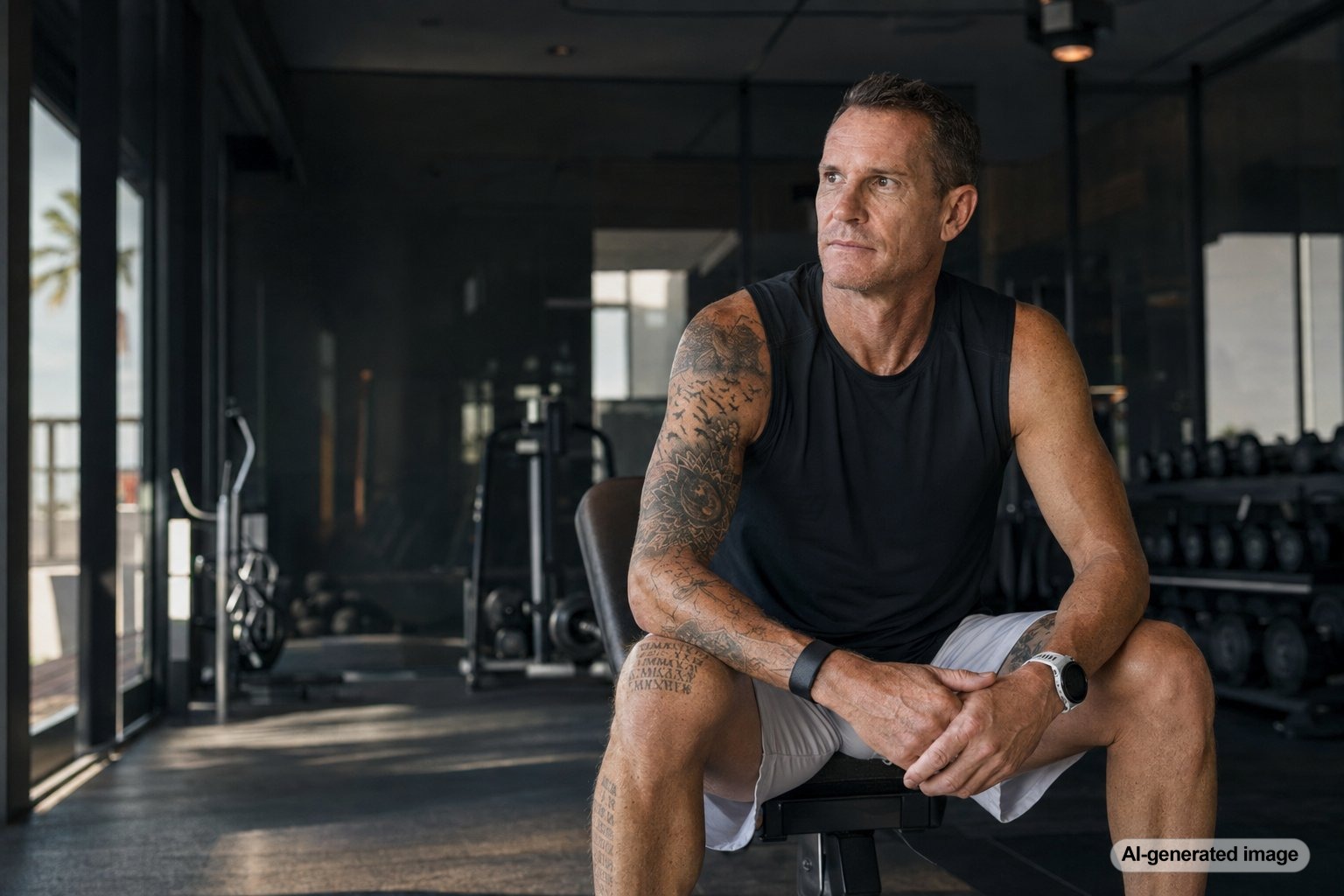
Yes, you can be physically fit and still have high blood pressure. Running, cycling, swimming, lifting, racing, and maintaining strong cardiovascular fitness can support heart health, but fitness does not make anyone immune to hypertension. Blood pressure is influenced by a much wider set of factors, including age, genetics, family history, sodium sensitivity, sleep, stress, medications, and certain medical conditions.
That distinction matters for athletes and active people because fitness can create a powerful sense that everything inside the body must be working perfectly. Often, exercise does improve important health markers. But being able to finish a long run, complete a hard workout, or perform well in competition does not tell you what your resting blood pressure is. For endurance athletes especially, knowing the numbers can be just as important as knowing pace, power, heart rate, or recovery. Greg’s own life as an endurance athlete reflects a broader lesson found throughout his story: strength and health are multidimensional, and paying attention to what the body is telling you matters.
Quick answer: Can a fit person have high blood pressure?
- Yes. High fitness levels can coexist with hypertension.
- Regular exercise may help prevent or manage high blood pressure, but it does not eliminate every risk factor.
- Genetics, age, family history, sleep, stress, sodium sensitivity, medications, and other health conditions may affect blood pressure even in active people.
- High blood pressure often causes no obvious symptoms, so athletic performance is not a reliable screening tool.
- If readings are repeatedly elevated, a qualified healthcare professional can help evaluate what they mean and what steps are appropriate.
Fitness and blood pressure measure different things
It is easy to think of health as one score. In reality, the body has many systems and each tells a different part of the story. Cardiovascular fitness reflects, in broad terms, how effectively your heart, lungs, blood vessels, and muscles support physical activity. Blood pressure measures the force of blood against artery walls.
The National Heart, Lung, and Blood Institute describes high blood pressure, or hypertension, as blood pressure that is consistently higher than normal. NHLBI notes that healthy blood pressure is below 120/80 mm Hg and that consistent readings of 130 mm Hg systolic or 80 mm Hg diastolic and above fall into the high blood pressure range. Those numbers are evaluated independently of whether someone looks athletic or performs at a high level.
Consider two people who complete the same challenging cycling event. One may have normal resting blood pressure while the other has consistently elevated readings. Their fitness may appear similar on the course, but their cardiovascular risk profiles are not necessarily identical. Athletic capability is useful information, but it is not a substitute for measuring blood pressure.
Why can an athletic person still have hypertension?
Regular physical activity is one of the habits associated with better cardiovascular health, yet exercise is only one piece of the blood pressure picture. Several factors can remain relevant even when someone trains consistently.
Genetics and family history still matter
NHLBI identifies family history and genetics as risk factors for high blood pressure. Someone may train six days a week, maintain strong endurance, and still have a biological tendency toward higher blood pressure. Some people may also be more sensitive to sodium than others.
This is an important distinction for athletes who assume that disciplined training can offset every inherited risk. Training can be valuable without being an all-purpose shield. A family pattern of hypertension is worth knowing and discussing with a healthcare professional, even when fitness levels are excellent.
Age can change the equation
Blood pressure tends to rise with age as blood vessels naturally change. An athlete who had consistently normal readings in their twenties or thirties should not assume those readings will remain the same indefinitely. Staying active can remain beneficial, but monitoring becomes increasingly useful as the years pass.
This can surprise lifelong athletes because performance may remain strong while an internal marker changes quietly. Someone may still ride, run, or swim at a high level and feel completely capable while developing elevated blood pressure.
Sleep and stress can affect the bigger picture
A demanding training schedule is not always the same as a balanced health routine. Athletes, entrepreneurs, parents, executives, and busy professionals can be highly disciplined about workouts while consistently shortchanging sleep or carrying substantial stress.
NHLBI includes inadequate good-quality sleep and high-stress situations among factors associated with high blood pressure risk. An early alarm for training, late work nights, frequent travel, family responsibilities, and inadequate recovery can add up. Fitness does not erase those pressures.
Diet can matter even when body weight looks healthy
Appearance is another imperfect shortcut. A lean person may assume that their diet is automatically heart healthy because they do not gain much weight. Yet sodium intake, potassium intake, alcohol consumption, and overall eating patterns can influence blood pressure independently of how athletic someone looks.
Endurance athletes can face an additional mental trap: high energy expenditure can make almost any food choice feel justified. Fueling for training is important, but athletic calorie needs and blood pressure considerations are not the same thing.
Medications and health conditions can play a role
NHLBI notes that some medications can raise blood pressure or make it harder to control. Certain medical conditions, including kidney disease, sleep apnea, thyroid problems, metabolic syndrome, and others, can also contribute.
That does not mean an elevated reading points to any particular cause. It means persistent high blood pressure deserves evaluation rather than assumption. A clinician can help consider the full context, including medications, health history, family history, and measurement patterns.
Why athletes may overlook high blood pressure
One reason hypertension can be easy to dismiss is that it often does not announce itself through obvious symptoms. NHLBI emphasizes that many people with high blood pressure are unaware they have it. Feeling energetic, recovering well, and completing demanding workouts therefore cannot confirm that blood pressure is normal.
For athletes, the psychological barrier can be particularly strong. Performance creates evidence of capability. If you can climb a mountain, finish a marathon, ride for hours, lift heavy weight, or compete in an endurance race, it can seem contradictory that a cardiovascular risk factor could also be present.
But capability and vulnerability can exist at the same time. That is true in athletics, leadership, business, family life, and health. One of the lessons Greg brings to his speaking work is that strength is not about pretending challenges do not exist. It is about seeing reality clearly and continuing forward with purpose.
Does exercise help high blood pressure?
Physical activity remains an important part of heart-healthy living. NHLBI states that being physically active can help lower high blood pressure and that both aerobic and muscle-strengthening activity can be beneficial. Regular movement may also support other cardiovascular health factors.
The key is to avoid turning that message into an absolute. Exercise may help lower or manage blood pressure, but a person can exercise regularly and still need further evaluation or treatment. Fitness is one contributor to cardiovascular health, not a guarantee of a particular blood pressure reading.
If someone already has high blood pressure, NHLBI advises working with a healthcare professional when increasing physical activity. That is especially relevant when changing training intensity, returning after a long break, or managing other medical conditions or medications.
What fit people often miss about blood pressure
- A great workout does not equal a normal resting blood pressure. Athletic performance and blood pressure are different measurements.
- One isolated reading does not tell the whole story. Blood pressure changes throughout the day and can be affected by activity and other circumstances. Persistent patterns matter.
- Body composition is not a complete health assessment. Lean, muscular, or highly conditioned people can still have cardiovascular risk factors.
- Recovery habits count. Sleep, stress management, nutrition, and medical follow-up belong in the same conversation as training volume.
- Family history deserves attention. Fitness can support health while inherited risk remains relevant.
Think like an athlete: measure instead of assuming
Endurance athletes are accustomed to collecting information. They check split times, heart rate, cadence, power, distance, sleep, recovery, hydration, and training load. Blood pressure can be approached with the same grounded mindset: not with fear, but with useful awareness.
A surprising reading is not a reason to define yourself as unhealthy, nor is a strong race result proof that everything is fine. Both are pieces of information. If readings remain elevated, a healthcare professional can help determine whether further evaluation is needed and how to interpret the pattern accurately.
That approach fits a broader philosophy of forward motion. Progress does not require ignoring difficult information. Often, progress begins by looking directly at what is in front of you and deciding what the next responsible step should be.
Frequently asked questions
Can runners have high blood pressure?
Yes. Running can support cardiovascular health, but runners can still develop high blood pressure because blood pressure is influenced by many factors beyond exercise, including genetics, age, sleep, stress, diet, medications, and medical conditions.
Can you have excellent cardiovascular fitness and hypertension?
Yes. Cardiovascular fitness and resting blood pressure describe different aspects of health. Strong endurance performance does not automatically mean resting blood pressure is within a healthy range.
Does being physically active lower blood pressure?
Regular physical activity may help prevent or manage high blood pressure. NHLBI includes physical activity among heart-healthy lifestyle measures and notes that aerobic and muscle-strengthening activities can be beneficial. Individual responses vary, and exercise does not remove every other risk factor.
Can stress raise blood pressure even if you exercise?
Stress can be part of the overall blood pressure picture even in someone who exercises regularly. Training is valuable, but it does not necessarily cancel the effects of chronic stress, inadequate sleep, genetics, diet, medications, or other health factors.
Should an athlete ignore high blood pressure if they feel fine?
No. Feeling strong or symptom-free does not establish that blood pressure is normal. Because hypertension often has no obvious symptoms, repeated elevated readings are worth discussing with a qualified healthcare professional.
The bottom line
You can absolutely be fit and still have high blood pressure. Fitness is valuable, and regular exercise can be part of preventing and managing hypertension, but it is not immunity. Your genetics, age, sleep, stress, diet, medications, health history, and other factors can all matter.
For athletes, perhaps the most useful mindset is the same one that supports long-term performance: respect the data, stay curious, and respond rather than assume. Knowing your blood pressure does not diminish the work you have put into becoming fit. It simply gives you another piece of information you can use to keep moving forward.
Interested in bringing Greg’s message to your event or organization?
Learn more about Greg’s speaking work or get in touch to start the conversation.
Contact Greg or learn more about the Forward Motion Fund.
This article is for educational purposes only and is not medical advice. For diagnosis, treatment, or personalized medical guidance, please speak with a qualified healthcare professional.