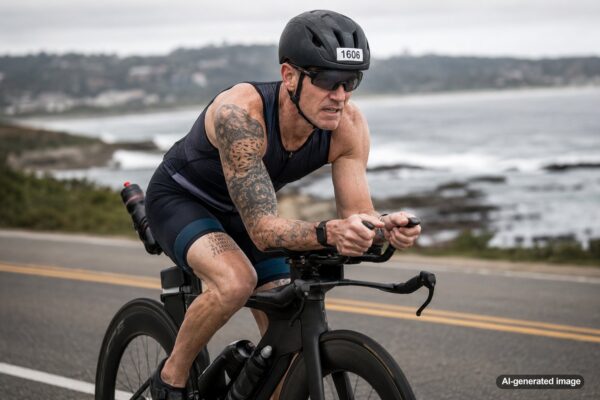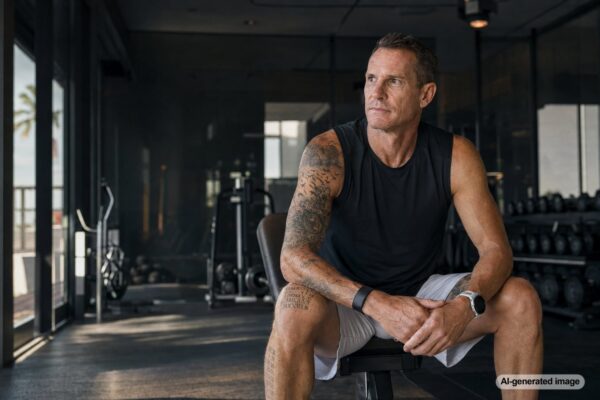

What Endurance Competition Teaches You About Adaptability

Endurance competition teaches adaptability because no race unfolds exactly the way it was imagined. The plan matters, but the athlete quickly learns that weather, pacing, nutrition, discomfort, mechanical issues, course conditions, and the mind itself can all change the day. Adaptability is the ability to stay committed to the goal while adjusting the path in real time.
That lesson connects directly to the broader message behind Greg Schaefer’s story: forward motion is not about pretending conditions are easy. It is about meeting the moment honestly, making the next useful decision, and continuing with purpose.
Quick answer
- Endurance competition teaches you to separate the goal from the original plan.
- It forces calm decision-making when discomfort, uncertainty, or setbacks appear.
- It rewards patience, pacing, and emotional control more than raw intensity alone.
- It builds confidence by proving that adjustment is not failure. It is part of performance.
- It offers practical lessons for leadership, business, family, advocacy, and everyday resilience.
Adaptability begins when the plan meets reality
Before an endurance event, athletes prepare carefully. They train for months, study the course, build pacing strategies, practice fueling, and imagine how the day might unfold. That preparation is essential. But preparation is not prediction.
Race day has a way of revealing the difference. A calm swim can become choppy. A bike segment can bring unexpected wind. A run that felt manageable in training can feel completely different after hours of effort. The athlete who survives on stubbornness alone may burn through energy too early. The athlete who adapts has a better chance to keep moving with purpose.
This is one of endurance sport’s quietest but most valuable lessons: adaptability does not mean abandoning discipline. It means using discipline well when circumstances change.
The best competitors adjust without panicking
In endurance competition, panic wastes energy. A missed bottle, a slower mile, a cramp, or a rough patch can feel bigger than it is if the athlete turns it into a story of failure. Adaptability asks a better question: what is the next right adjustment?
That might mean slowing slightly before the body breaks down. It might mean changing nutrition. It might mean letting go of a target pace for ten minutes in order to protect the larger race. It might mean accepting that the day will not be perfect and choosing to compete anyway.
That same pattern applies outside of sport. Leaders do not always get perfect market conditions. Families do not get perfect timing. People facing adversity do not get a clean script. The skill is not control over everything. The skill is clear action inside uncertainty.
Adaptability is not the opposite of toughness
Many people confuse toughness with refusing to change. Endurance competition exposes the weakness in that idea. A rigid athlete may look strong early, but rigidity can become costly when the body, course, or conditions demand a different response.
True toughness includes flexibility. It takes humility to admit that the plan needs to change. It takes maturity to adjust before a small issue becomes a race-ending problem. It takes courage to keep going when the original version of success has to be redefined.
That is why endurance competition can be such a powerful teacher for teams and organizations. In business, as in racing, the strongest performers are often not the ones who avoid disruption. They are the ones who can absorb it, learn from it, and continue moving toward the mission.
Four lessons endurance competition teaches about adaptability
1. Pay attention before things become urgent
Endurance athletes learn to scan for signals. Hydration, breathing, effort, form, temperature, focus, and mood all matter. Waiting too long to respond can turn a manageable issue into a crisis.
In everyday life, the same principle applies. Burnout, team friction, family strain, and personal stress rarely appear from nowhere. Adaptability often starts with noticing what is changing before it demands an emergency response.
2. Keep the mission larger than the moment
A difficult mile can feel permanent while it is happening. Endurance competition teaches athletes that moments pass. A rough stretch does not have to define the whole race.
The same is true in leadership and personal adversity. A hard day, a hard diagnosis, a hard season, or a hard decision can be real without becoming the entire story. Keeping the mission larger than the moment helps people make steadier choices.
3. Replace perfection with problem-solving
Perfect race days are rare. The athlete who needs everything to go exactly right is fragile. The athlete who expects to solve problems is prepared for reality.
This shift matters far beyond competition. Entrepreneurs, parents, advocates, and leaders all face conditions they did not choose. Adaptability grows when the question changes from, “Why is this happening?” to, “What can I do with what is in front of me?”
4. Take one useful step at a time
Endurance competition can become overwhelming when the athlete thinks too far ahead during a difficult stretch. One more mile may feel impossible. One more step may be possible.
Greg’s core message, One More Step… Just One More, captures that kind of grounded resilience. It is not about pretending the distance is easy. It is about narrowing the focus when the whole road feels too large and choosing the next forward action.
What people often miss about adaptability
Adaptability is often presented as a personality trait, as if some people simply have it and others do not. Endurance competition suggests something more useful: adaptability can be trained.
Every long training block gives athletes chances to practice adjustment. A missed workout becomes a chance to reset. A bad session becomes information. A strong day becomes a reminder not to get careless. Over time, the athlete develops a relationship with change that is less reactive and more skillful.
That training has value for anyone navigating pressure. Adaptability becomes a habit of attention, humility, and forward motion.
Why this lesson matters beyond the finish line
The finish line is meaningful, but it is not the only teacher. The deeper value of endurance competition is what it reveals about how people respond when the conditions shift.
For Greg Schaefer, endurance, business leadership, family, advocacy, and speaking all meet in that same space. The message is not that life is a race or that every setback can be solved by willpower. The message is more honest: when the path changes, the next step still matters.
That is a lesson organizations, teams, and communities need. Adaptability is not only a performance skill. It is a human skill. It helps people stay useful, steady, and connected when the original plan no longer fits the moment.
Frequently asked questions
How does endurance competition build adaptability?
It places athletes in changing conditions over a long period of time. They must monitor their effort, respond to problems, manage emotion, and keep making decisions even when tired or uncomfortable.
Is adaptability more important than mental toughness?
They work together. Mental toughness helps an athlete stay committed. Adaptability helps that commitment survive real-world conditions instead of becoming rigid or reckless.
Can endurance lessons apply to leadership?
Yes. Leaders often face uncertainty, shifting priorities, limited resources, and pressure. Endurance competition offers a practical model for staying focused while adjusting strategy.
What is the most important adaptability lesson from endurance sports?
The most important lesson is that changing the plan is not the same as quitting the mission. Sometimes the smartest path forward is the one that responds honestly to the conditions in front of you.
Interested in bringing Greg’s message to your event or organization?
Learn more about Greg’s speaking work or get in touch to start the conversation.
Contact Greg or learn more about the Forward Motion Fund.
This article is for educational purposes only and is not medical advice. For diagnosis, treatment, or personalized medical guidance, please speak with a qualified healthcare professional.