How To Build A Family Legacy Of Philanthropy And Giving
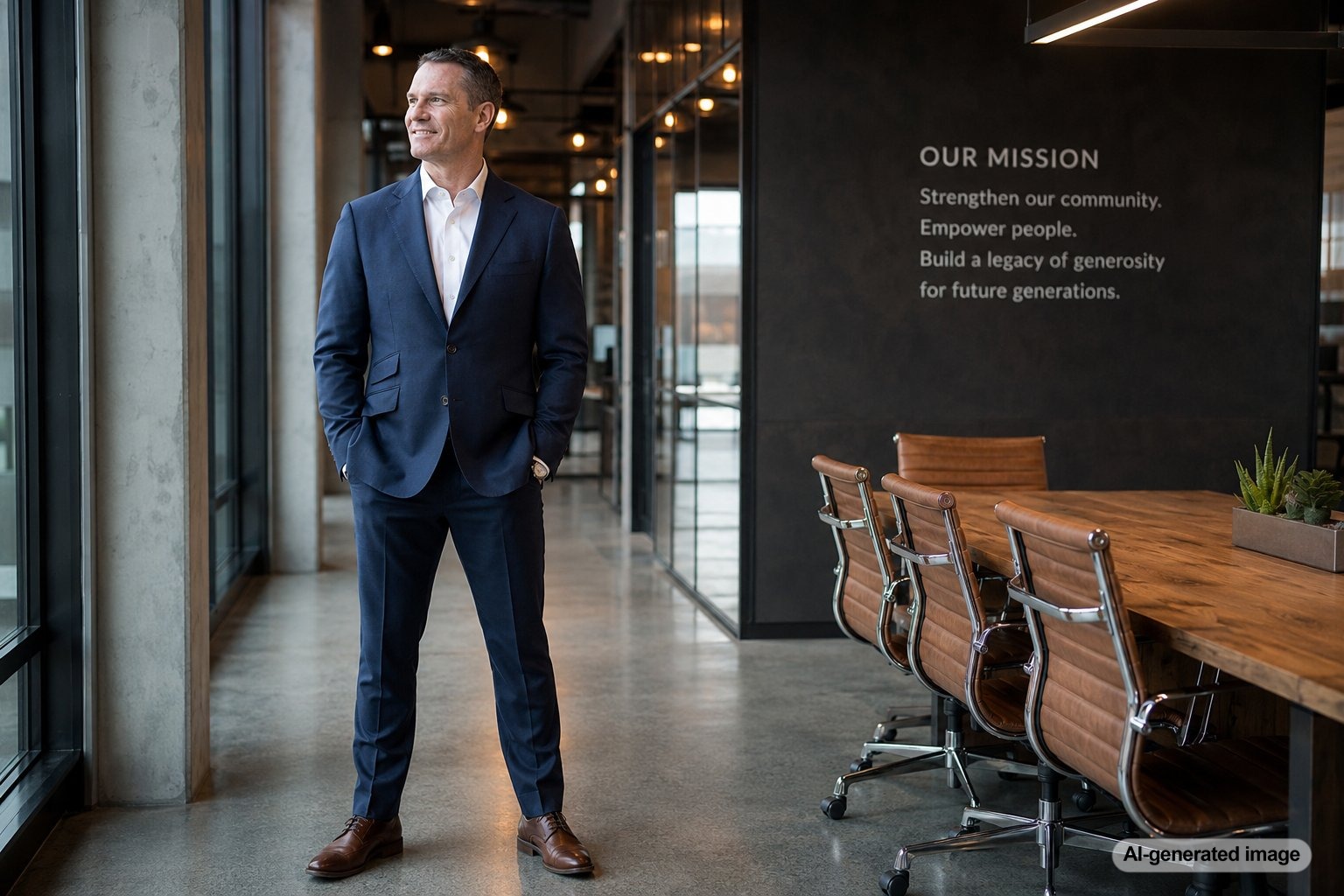
A family legacy of philanthropy is not built by one big check, one public gesture, or one perfect plan. It is built in the quiet repetition of values: what a family notices, what it talks about, what it gives attention to, and what it chooses to support when nobody is keeping score.
For families who want their giving to last, the goal is not only to donate more. The deeper goal is to create a shared way of seeing the world. That means connecting generosity to identity, service to daily life, and purpose to the kind of people a family hopes to become. Greg Schaefer’s work through the Forward Motion Fund reflects that same idea: forward motion becomes more powerful when it reaches beyond one person and creates room for others to move, heal, compete, learn, and keep going.
Quick answer: how families build a giving legacy
- Start with values before dollars, because a clear why makes giving more meaningful.
- Make philanthropy visible through family conversations, shared decisions, and small acts of service.
- Choose causes that connect to lived experience, family history, or a mission your family genuinely cares about.
- Invite the next generation into the process early so generosity feels practiced, not preached.
- Review your giving over time and let the legacy grow as your family grows.
Start with the values your family wants to pass down
Many families begin the giving conversation by asking, “Where should we donate?” A better first question is, “What do we want our family to stand for?” The answer may include compassion, grit, education, health, opportunity, faith, community, fairness, or a commitment to people facing hard roads.
Values give philanthropy a backbone. Without them, giving can become reactive, scattered, or driven by whatever request arrives most recently. With them, a family can make decisions with more confidence. A family that values resilience may support medical research, challenged athletes, caregiver programs, or youth programs. A family that values education may focus on scholarships, mentoring, literacy, or school-based initiatives. A family that values community may support local organizations that quietly hold people together.
This is where legacy begins. Not with a formal document, but with a shared language. Children and grandchildren remember what adults repeat, celebrate, and make time for. If a family speaks often about service, gratitude, and responsibility, those ideas begin to feel like part of the family story.
Make giving a conversation, not a transaction
A lasting giving legacy usually needs more than a donation receipt. It needs conversation. That does not mean every family meeting has to become formal or serious. Some of the most meaningful conversations happen around a dinner table, during a car ride, after volunteering, or when a child asks why a certain cause matters.
Talk about why you support what you support. Share the stories behind your decisions. Explain what moved you, what you learned, and why a certain organization earned your trust. When children hear the human reason behind giving, philanthropy becomes less abstract.
It also helps to let family members disagree respectfully. One person may care deeply about medical research. Another may feel drawn to youth programs. Someone else may want to support caregivers, veterans, challenged athletes, or local food access. Those differences can strengthen the process when the family learns to listen for the shared value underneath each preference.
Connect giving to lived experience without making it only about hardship
Some families give because they have walked through illness, loss, uncertainty, disability, financial struggle, or a season that changed them. Others give because they have received opportunity and want to open doors for someone else. In both cases, philanthropy becomes more powerful when it is connected to real life.
For Greg, the idea of forward motion is not a slogan that sits apart from life. It is connected to family, business leadership, endurance racing, Parkinson’s, advocacy, and the decision to keep taking one more step. That kind of lived experience can shape giving in a way that feels personal without becoming narrow.
A family legacy of philanthropy can honor hard things without being defined only by them. It can say, “This happened to us, and we want it to become part of how we help.” It can also say, “We have been given strength, support, education, or opportunity, and we want to extend that outward.” The strongest legacies often hold both truths at once.
Give younger family members a real role
One overlooked mistake is waiting too long to involve the next generation. Families sometimes assume children need to be older before they can understand generosity. In reality, young people can begin with simple, age-appropriate choices: choosing between two causes, helping pack supplies, writing a note, joining a community event, or talking about why a donation matters.
As children become teenagers and adults, their role can grow. They can research organizations, attend events, volunteer, suggest causes, help plan a family giving day, or take responsibility for a small annual giving budget. The goal is not to control their generosity. The goal is to help them practice discernment, empathy, and commitment.
When younger family members are only told what the family supports, giving can feel like a rule. When they are invited into the process, it can become ownership. That difference matters if the legacy is meant to continue beyond one generation.
Create simple family rituals around generosity
Rituals help values become visible. A family might choose one day each year to talk about giving, volunteer together during the holidays, support a cause connected to a loved one’s memory, or make a donation after completing a shared challenge. The ritual does not need to be complicated. It needs to be repeatable and meaningful.
For an endurance-minded family, a giving ritual might be tied to a race, walk, ride, or physical challenge. For a business-minded family, it might involve setting aside a portion of profits or celebrating team service. For a family shaped by caregiving, it might mean supporting partner and caregiver resources every year. The point is to make generosity part of the rhythm of family life.
Rituals also create stories. Years later, people may not remember every organization name or every dollar amount. They may remember standing together at an event, hearing a loved one explain why a cause mattered, or seeing a parent quietly show up for someone in need.
Choose causes with both heart and discipline
Emotional connection matters, but disciplined giving matters too. A family can care deeply and still ask thoughtful questions. What does the organization actually do? Who does it serve? Is the mission clear? Does the family trust its leadership and communication? Is there a way to stay engaged beyond the donation?
This does not mean every act of generosity needs a full review process. Sometimes a neighbor needs help, a local organization needs support, or a moment calls for immediate compassion. But for long-term philanthropy, a little structure protects the legacy. It helps families avoid giving only from urgency and instead build a pattern of sustained support.
Families may also choose a giving portfolio. For example, one part of giving could support a deeply personal cause, one part could support local community needs, and one part could support future-focused work such as research, education, or youth development. That balance lets a family respond with heart while still building continuity.
Let the legacy evolve without losing its center
A family legacy should not be frozen in time. Families change. Children grow up. New experiences shape priorities. Communities face different needs. A strong giving legacy has a center, but it also has room to adapt.
That may mean reviewing giving once a year and asking a few plain questions: What felt meaningful this year? What did we learn? Which organizations communicated well? Where did we feel most connected? What should continue, and what should change?
The goal is not perfection. The goal is stewardship. A family that revisits its giving with honesty can keep the legacy alive instead of letting it become a tradition nobody thinks about anymore.
What people often miss about family philanthropy
Legacy is not measured only by money. It is also measured by attention, example, consistency, and the courage to connect personal values with public good.
Small actions count. A child who sees generosity practiced in ordinary ways may carry that lesson longer than a large donation they never understood.
The story matters. Families pass down what they explain. If you want giving to continue, tell the truth about why it matters.
FAQ: building a family legacy of giving
How do you start a family philanthropy tradition?
Start by naming the values your family wants to live out. Then choose one simple action that connects to those values, such as supporting a trusted organization, volunteering together, or creating an annual giving conversation.
Do you need significant wealth to build a giving legacy?
No. A family legacy of giving can begin with time, attention, service, advocacy, and modest donations. The consistency and meaning behind the giving often matter more than the size of the first gift.
How can parents teach children about philanthropy?
Parents can explain why they give, invite children to participate in age-appropriate decisions, and create hands-on experiences. Children learn generosity best when they see it practiced with clarity and sincerity.
What if family members care about different causes?
Different priorities can be healthy. Try identifying the shared values underneath each cause, then consider dividing giving across a few mission areas so more family members feel connected to the process.
How often should a family review its giving?
An annual review is often enough for many families. Use it to discuss what felt meaningful, what changed, and where the family wants to keep showing up.
Interested in bringing Greg’s message to your event or organization?
Learn more about Greg’s speaking work or get in touch to start the conversation.
Contact Greg or learn more about the Forward Motion Fund.
This article is for educational purposes only and is not medical advice. For diagnosis, treatment, or personalized medical guidance, please speak with a qualified healthcare professional.