
The Future Of Parkinson’s Advocacy: What’s Next For The Fund

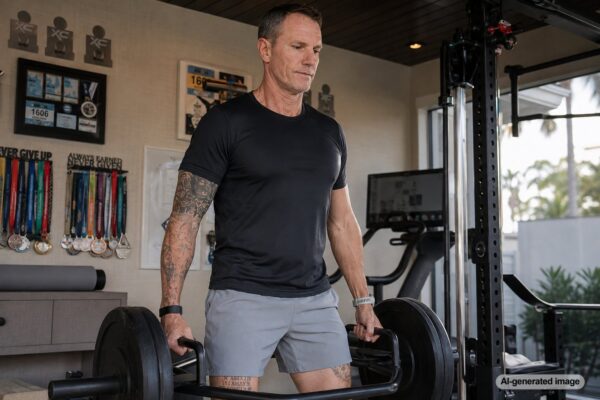
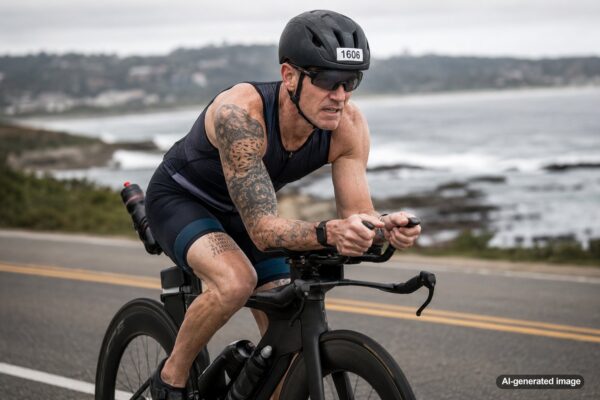
The future of Parkinson’s advocacy will not be built by one organization, one event, or one inspiring story. It will be built by people who are willing to keep showing up in practical, human, and sustained ways. For Greg Schaefer, that idea is deeply personal. As a dad, husband, CEO, speaker, 19-time Ironman, and someone living with Young-Onset Parkinson’s, his work sits at the intersection of lived experience and forward motion.
The Forward Motion Fund was created from that same belief: that one more step can become a source of purpose, connection, and impact. The next chapter is not about turning Parkinson’s into a slogan. It is about supporting research, families, athletes, caregivers, and communities in ways that feel grounded, credible, and useful.
Quick answer: what is next for the fund?
- More focused mission alignment: supporting organizations that connect directly to Parkinson’s research, caregiver support, adaptive athletics, and youth or education initiatives.
- More community-centered advocacy: helping people understand Parkinson’s beyond symptoms, diagnosis, and headlines.
- More visibility through movement: using endurance, speaking, and storytelling to open doors for awareness and partnership.
- More practical support: recognizing that the person with Parkinson’s is not the only one carrying the weight.
- More durable impact: building a fund that can grow through trust, consistency, and clear purpose.
Advocacy is becoming more personal and more practical
Parkinson’s advocacy has always needed research, education, funding, and public awareness. What is changing is the expectation that advocacy should also feel closer to real life. People want to understand what a diagnosis can mean for work, family, identity, movement, caregiving, mental resilience, and long-term planning. They want more than broad awareness. They want language that helps them support a spouse, friend, parent, teammate, employee, or event speaker with dignity.
That is where Greg’s platform has a distinct role. His story does not fit inside one category. He is not only an athlete who keeps racing. He is not only a business leader who built and sold a company. He is not only a person living with Parkinson’s. The strength of the message comes from the overlap: family, leadership, endurance, uncertainty, discipline, advocacy, and the choice to keep moving forward.
For organizations considering Greg for a keynote or event, that overlap matters. His story can help teams talk about resilience without making it feel abstract, and it can help audiences see Parkinson’s advocacy as something connected to leadership, culture, family, and purpose. Learn more about Greg’s work as a speaker through his speaking page.
What the Forward Motion Fund can help make possible
The fund’s future is strongest when it stays clear about what it is built to support. Parkinson’s advocacy is broad, and that breadth matters. Research is essential, but research alone does not meet every need a family experiences. Caregiver support is essential, but support systems are often overlooked until they are already stretched thin. Adaptive and challenged athletes need access, encouragement, and opportunity. Young people and education-focused initiatives can help build empathy, awareness, and long-term community strength.
In practical terms, the Forward Motion Fund can serve as a bridge between Greg’s story and mission-aligned organizations doing the work every day. That means the fund does not need to claim it can solve every problem. Its role is more focused and more credible: direct attention, energy, relationships, and support toward areas where forward motion can create meaningful ripple effects.
Four areas that can define the next chapter
1. Research support that keeps the long view in mind
Parkinson’s research is complex, ongoing, and deeply important. For people and families living with the disease, research represents more than science. It represents time, possibility, better understanding, and hope grounded in real work. Organizations such as the Michael J. Fox Foundation and the Parkinson’s Foundation provide education and support around research, care, and Parkinson’s resources.
The fund’s role in this area should remain careful and honest. It should not promise breakthroughs or outcomes. It can, however, help keep research visible and help supporters understand why sustained attention matters.
2. Caregiver and partner support that gets named out loud
Parkinson’s affects more than the person diagnosed. Partners, spouses, children, friends, and close supporters often become part of the daily reality of appointments, uncertainty, emotional labor, logistics, and encouragement. A strong advocacy future has to make room for those people too.
One overlooked part of advocacy is simply naming that support systems need support. Caregivers may not use that word for themselves, especially early on. A spouse may feel like they are just being a spouse. A friend may feel like they are just checking in. But over time, those roles can carry real weight. The fund’s future can help elevate partner and caregiver support as a central part of Parkinson’s awareness, not an afterthought.
3. Challenged athletes and the dignity of movement
Movement is not just a metaphor in Greg’s world. It is part of his lived experience, his athletic identity, and his message. Supporting challenged athletes aligns naturally with the idea that forward motion can look different for different people. Sometimes it is a race. Sometimes it is a walk. Sometimes it is showing up to train when the body feels unfamiliar. Sometimes it is asking for help and taking the next right step.
Mission-aligned organizations such as the Challenged Athletes Foundation help create opportunities for athletes with physical challenges. For the Forward Motion Fund, this area carries a powerful message: movement belongs to more people than the starting line suggests.
4. Youth, education, and the next generation of empathy
Advocacy becomes stronger when younger people learn to see strength, illness, disability, endurance, and service with more nuance. Youth and education initiatives can help turn a personal story into a broader lesson about compassion, grit, leadership, and community responsibility.
This does not mean making Parkinson’s the only subject. It means using Greg’s story to help young people understand that adversity is not always visible, leadership is often built under pressure, and purpose can grow from hard seasons. That kind of education can shape how future teammates, founders, caregivers, athletes, and community members show up for one another.
What people often miss about Parkinson’s advocacy
One common mistake is treating advocacy as either medical or motivational. In reality, it is both more human and more layered than that. Parkinson’s education matters. So does fundraising. So does research. So does the quiet daily work of staying connected to family, purpose, identity, and community.
Another overlooked point is that advocacy does not have to be loud to be powerful. A keynote can open a room. A race can draw attention. A fund can direct support. A conversation can help one person feel less alone. A caregiver resource can make a hard week feel more manageable. These are different forms of forward motion, and the strongest advocacy ecosystem needs all of them.
Bottom line
The future of the Forward Motion Fund should be measured by clarity, trust, and consistency. It can help connect Greg’s lived experience to mission-aligned work in research, caregiver support, challenged athletics, and education while keeping the message grounded: One More Step… Just One More.
How supporters can be part of what comes next
Support can take many forms. Some people may contribute financially. Others may invite Greg to speak, introduce a mission-aligned partner, share the fund’s work, volunteer their expertise, or simply carry the message into their own community. The point is not that everyone has to do everything. The point is that forward motion becomes stronger when people take the next step available to them.
For companies, teams, and event planners, Greg’s work also creates an opportunity to connect resilience, leadership, and social impact in a way that feels authentic. When an audience hears from someone who has built a business, endured uncertainty, returned to competition, and chosen advocacy, the message lands differently. It is not theory. It is lived.
FAQ
What is the Forward Motion Fund?
The Forward Motion Fund is connected to Greg Schaefer’s decision to keep moving forward after his Parkinson’s diagnosis. It supports mission-aligned areas including Parkinson’s research, partner and caregiver support, challenged athletes, and youth or education initiatives.
Is the fund only about Parkinson’s?
No. Parkinson’s advocacy is central to the mission, but the fund also reflects Greg’s broader world of family, endurance, leadership, challenged athletics, education, and purpose-driven impact.
Why does caregiver support matter in Parkinson’s advocacy?
Parkinson’s can affect the entire support system around a person. Partners, family members, friends, and caregivers often carry emotional and practical responsibilities. Naming their needs is part of building a more complete advocacy model.
How does endurance sports connect to the fund?
Endurance sports are part of Greg’s lived story and a practical expression of forward motion. They also create a natural bridge to challenged athletes, resilience, access, and the belief that movement can carry meaning far beyond competition.
How can someone support the next chapter?
A person can support the mission by learning more, sharing the story, contributing to the Forward Motion Fund, connecting Greg with aligned organizations, or bringing his message to an event or team.
Interested in bringing Greg’s message to your event or organization?
Learn more about Greg’s speaking work or get in touch to start the conversation.
Contact Greg or learn more about the Forward Motion Fund.
This article is for educational purposes only and is not medical advice. For diagnosis, treatment, or personalized medical guidance, please speak with a qualified healthcare professional.