

How To Measure The Impact Of A Motivational Speaker
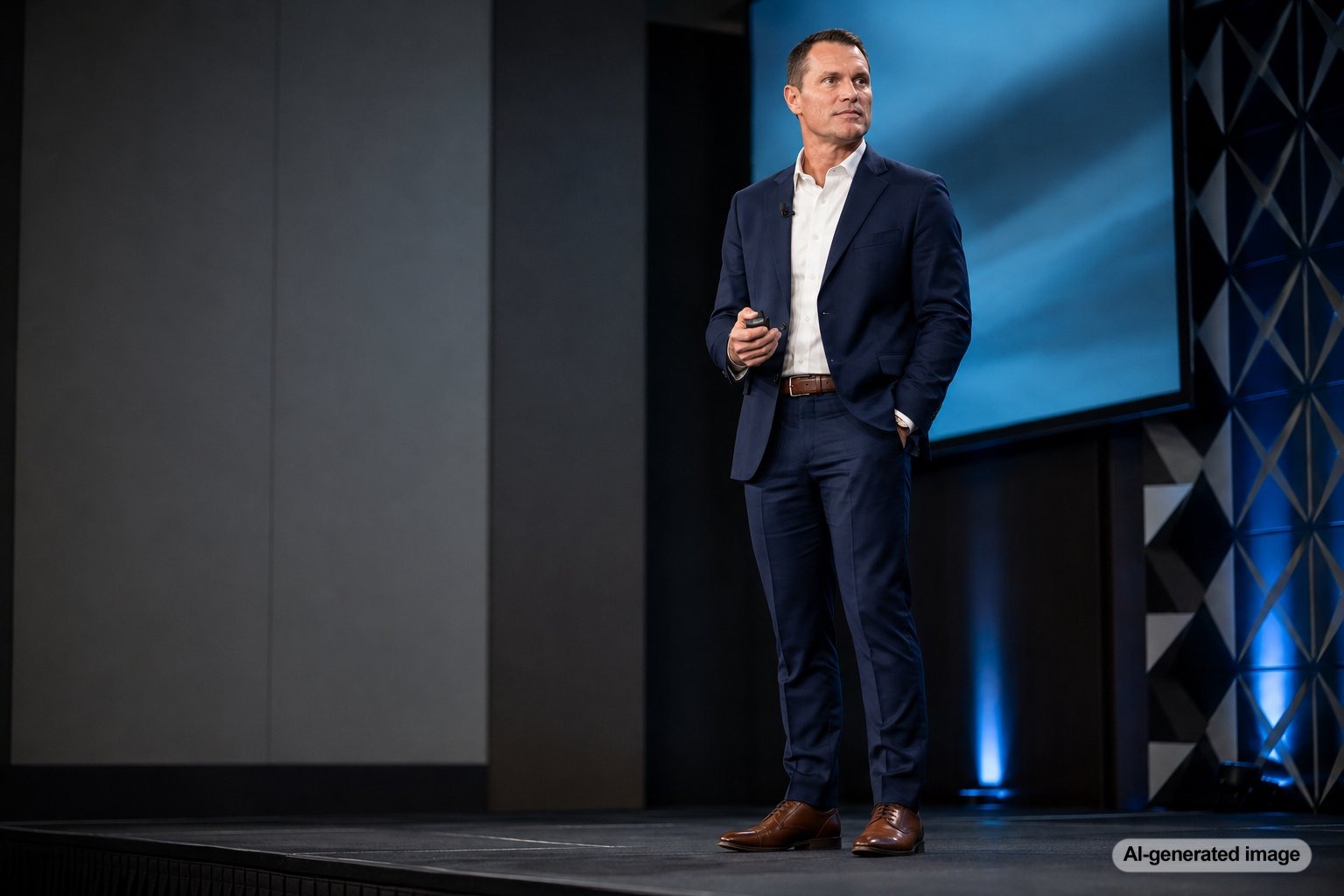
The impact of a motivational speaker should not be measured only by applause, a standing ovation, or a full room of people taking photos of the stage. Those moments matter, but they are only the beginning. A strong speaker should create energy in the room, give people language they can carry back into their work and lives, and leave an impression that continues after the event ends.
For organizations, teams, schools, associations, and conferences, the real question is not simply, “Did people enjoy the talk?” A better question is, “What changed because of it?” When a speaker brings lived experience, practical wisdom, and a message that connects to the audience’s reality, the impact can show up in clearer conversations, renewed perspective, stronger team alignment, and a more grounded sense of purpose. That is the kind of impact worth measuring.
Greg Schaefer’s work as a speaker, endurance athlete, entrepreneur, dad, husband, and Parkinson’s advocate is rooted in earned resilience and forward motion. The same standard should apply to any speaker evaluation: look beyond the performance and pay attention to what the message helps people do next.
Quick answer: how do you measure the impact of a motivational speaker?
- Audience response: Did people feel connected, engaged, and respected by the message?
- Message retention: Can attendees remember and repeat the core idea days or weeks later?
- Behavior change: Did the talk influence how people lead, communicate, respond to adversity, or support one another?
- Organizational relevance: Did the speaker connect the message to the goals, culture, and challenges of the group?
- Longer-term value: Did the keynote create momentum that continued through conversations, decisions, or follow-up action?
Start with the goal of the event
Impact cannot be measured clearly unless the event has a clear purpose. A leadership retreat, fundraising event, sales kickoff, school assembly, corporate conference, and nonprofit gathering may all hire a motivational speaker, but they are not trying to accomplish the same thing.
Before the event, define what success should look like. Is the goal to energize a team after a difficult season? Reinforce a culture of resilience? Help leaders think differently about pressure? Inspire donors and community partners? Encourage people to keep moving through uncertainty? The answer shapes what you should measure afterward.
A powerful keynote does not need to solve every problem in one hour. It should, however, meet the moment. If the audience is exhausted, the message should not feel like empty hype. If the organization is navigating change, the speaker should bring steadiness and perspective. If the event is mission-driven, the speaker should honor the seriousness of the cause without turning the room heavy.
Look at immediate audience engagement, but do not stop there
Audience response is useful. It tells you whether the speaker connected in real time. You can measure this through post-event surveys, event app ratings, comments from attendees, social media response, and informal feedback from leaders in the room.
Still, immediate reaction can be misleading if it is the only metric. A speaker can be entertaining without being meaningful. A talk can be emotional without being useful. A keynote can make people clap without giving them anything they can apply on Monday morning.
Strong engagement often looks like attention without distraction, quiet focus during vulnerable moments, laughter that feels natural, questions that go deeper than surface-level praise, and attendees repeating a phrase or story after the session. When people continue talking about the message at lunch, in the hallway, or during the ride home, that is often a stronger sign than a simple five-star survey score.
Measure what people remember
One overlooked way to evaluate a motivational speaker is to ask what people remember after time has passed. A message that disappears by the next morning may have felt good in the room, but it probably did not create much lasting value.
Follow up with attendees a week or two later. Ask what idea stayed with them, what story they repeated to someone else, or what phrase helped them reframe a challenge. The strongest speakers often leave behind simple, durable language. For Greg, a message like One More Step… Just One More. is not a slogan floating above real life. It comes from the intersection of family, business, endurance racing, Parkinson’s, uncertainty, and the daily decision to keep moving forward.
Memorable does not mean flashy. It means the idea can survive outside the ballroom. It can show up in a team meeting, a hard conversation, a training session, a fundraising appeal, or a private moment when someone needs a reason to take the next step.
Watch for practical behavior change
The deepest impact of a motivational speaker is often seen in small changes, not dramatic overnight transformation. After the event, do people communicate with more empathy? Do leaders refer back to the message when discussing adversity or performance? Does the team have a shared phrase for perseverance, accountability, or purpose? Do attendees take a next step they had been avoiding?
Behavior change may be measured through manager observations, team discussions, follow-up workshops, internal reflections, or specific commitments made after the keynote. For example, a sales team may use the message to reset after rejection. A leadership group may use it to discuss resilience without pretending pressure is easy. A nonprofit audience may feel more connected to the human side of its mission. A school or athletic group may walk away with a clearer understanding that toughness is not about pretending nothing hurts. It is about staying present, supported, and committed.
Not every impact is easy to quantify. Some of the most important outcomes are human: a better conversation, a renewed sense of perspective, a leader choosing patience, a teammate feeling less alone, or a group remembering why the work matters.
Evaluate how well the message fits the audience
A motivational speaker should not deliver the same generic talk to every room. The best speakers understand who is listening, what the audience is carrying, and why the event matters. They adapt without losing the integrity of their core message.
That fit can be measured by asking whether the examples felt relevant, whether the tone matched the room, and whether the speaker respected the audience’s experience. A healthcare, finance, education, endurance, corporate, or nonprofit audience may all connect with resilience, but each group hears it through a different lens.
This is where lived credibility matters. Greg’s story is not one-dimensional. His authority is not based only on being a 19-time Ironman, only on being a CEO, only on living with Young-Onset Parkinson’s, or only on stepping onto a stage. It comes from how those realities overlap: family responsibility, business leadership, physical discipline, uncertainty, pain, advocacy, and purpose. A strong speaker helps the audience see itself in the message without forcing a comparison.
Track post-event momentum
One of the strongest signs of speaker impact is what happens after the room clears. Are people sharing the talk with colleagues who missed it? Are leaders using the message in follow-up meetings? Are event planners receiving unsolicited feedback? Are attendees visiting the speaker’s site, learning more about the mission, or taking action connected to the topic?
For a speaker with a mission-driven platform, impact may also include deeper awareness. Someone may learn more about the Forward Motion Fund, Parkinson’s advocacy, challenged athletes, caregiver support, or the role of community in helping people keep moving. That kind of response should never feel forced. It is strongest when it grows naturally out of a message that is honest, useful, and human.
What people often miss
The most valuable speaker impact is not always loud. Sometimes it is the quiet moment when someone feels seen. Sometimes it is a leader who finally has better language for adversity. Sometimes it is a team that leaves with a shared reference point. Applause matters, but application matters more.
Questions to ask after the event
To measure impact more thoughtfully, ask questions that go beyond satisfaction. For example:
- What idea from the keynote stayed with you?
- Did the speaker understand the audience and the purpose of the event?
- Did the talk give you a useful way to think about resilience, leadership, purpose, or adversity?
- Have you discussed the message with someone since the event?
- Is there one action, conversation, or mindset shift you are taking forward?
These questions reveal more than whether the speaker was likable. They help you understand whether the keynote became part of the audience’s thinking.
FAQ
What is the best way to measure motivational speaker ROI?
The best approach is to combine immediate feedback with longer-term signs of value. Survey scores, attendance, and audience comments are useful, but they should be paired with message retention, team conversations, leadership observations, and any follow-up actions inspired by the talk.
How soon should you evaluate a keynote speaker?
It helps to collect quick feedback immediately after the event, then follow up again one to three weeks later. Immediate feedback captures energy. Later feedback shows whether the message lasted.
Can a motivational speaker create lasting change?
A single keynote usually does not transform a culture by itself. It can, however, create language, perspective, and momentum that support change when leaders and attendees carry the message forward.
What makes a motivational speaker effective?
An effective speaker connects with the room, respects the audience’s reality, tells stories with purpose, avoids empty hype, and gives people something practical and memorable to take with them.
Interested in bringing Greg’s message to your event or organization?
Learn more about Greg’s speaking work or get in touch to start the conversation.
Contact Greg or learn more about the Forward Motion Fund.
This article is for educational purposes only and is not medical advice. For diagnosis, treatment, or personalized medical guidance, please speak with a qualified healthcare professional.