The Impact Of Alcohol On Executive Performance And Recovery
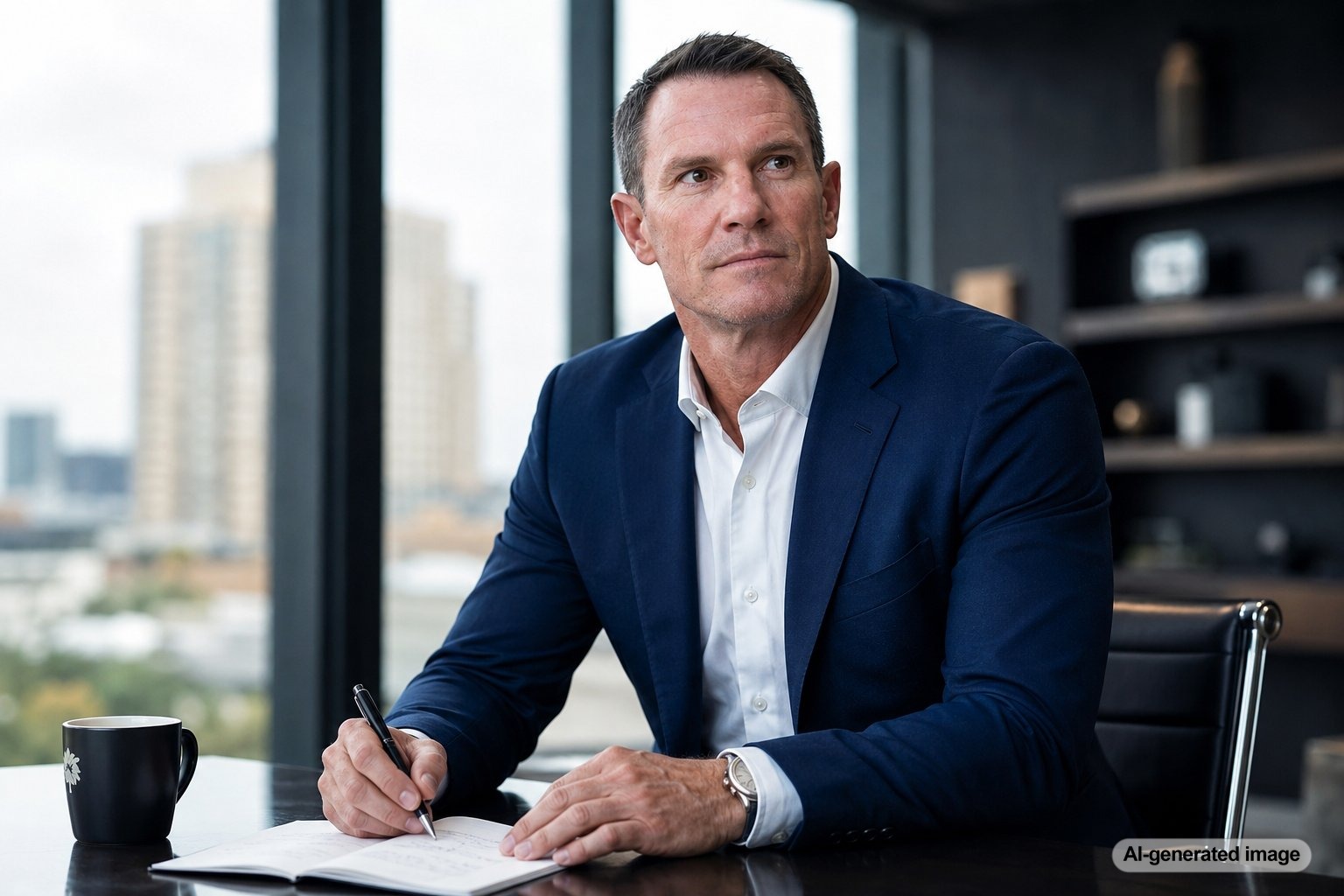
For leaders, founders, athletes, and high-output professionals, alcohol is often treated as harmless background noise. A drink after work. A networking dinner. A celebration. A way to come down after a demanding week. Yet executive performance is built on small margins: sleep quality, emotional regulation, judgment, energy, recovery, and the ability to make clear decisions under pressure.
Alcohol does not need to create an obvious problem to create a measurable drag. For someone trying to lead well, train consistently, build a company, support a family, or keep moving through adversity, the question is not only whether alcohol is “bad.” The better question is whether it supports the person you are trying to become. That question sits close to Greg Schaefer’s broader message of discipline, resilience, and forward motion through real life.
Quick answer
- Alcohol can interfere with sleep quality, which can affect next-day focus, emotional steadiness, and recovery.
- Executive performance depends heavily on judgment, impulse control, working memory, and the ability to respond rather than react.
- Even when alcohol feels relaxing in the moment, it may make the next morning less sharp.
- For athletes and busy leaders, recovery is not a luxury. It is part of performance.
- The most useful approach is honest awareness, not shame. Track how alcohol affects your sleep, training, mood, and decision-making.
Why alcohol matters for executive performance
Executive performance is not just about productivity. It includes the mental and emotional skills that allow a person to lead under pressure: planning, prioritizing, patience, communication, risk assessment, and self-control. Those skills rely on a brain and body that are reasonably rested and regulated.
Alcohol can complicate that system in several ways. It can affect sleep architecture, next-day alertness, mood, and the quality of recovery. For a leader, that may show up as a shorter fuse in a meeting, slower decision-making, less creative thinking, or a lower tolerance for stress. For an athlete, it may show up as a compromised workout, a higher perceived effort, or a missed opportunity to recover between sessions.
These effects are not always dramatic. That is part of the problem. Many high performers can still function after a night of drinking, especially if they are disciplined, experienced, or used to pushing through discomfort. But functioning is not the same as performing at your best. A founder can answer emails. A CEO can attend the meeting. An athlete can complete the workout. The more useful question is whether the quality of those actions is being reduced by choices made the night before.
The sleep and recovery connection
Alcohol may make falling asleep feel easier for some people, but sleep quality is more than simply being unconscious. Research summarized by the National Institute on Alcohol Abuse and Alcoholism and NIH-hosted studies points to alcohol’s potential impact on sleep, the brain, and recovery processes. Disrupted sleep can affect memory, attention, emotional regulation, and physical restoration.
That matters because recovery is where growth is consolidated. Training adaptations, mental clarity, patience, and resilience are all supported by restorative sleep. When sleep is fragmented, the next day often demands more effort for the same output. Leaders may compensate with caffeine, urgency, or adrenaline. Athletes may push through with grit. Parents may simply absorb the fatigue and keep going. Over time, that pattern can become expensive.
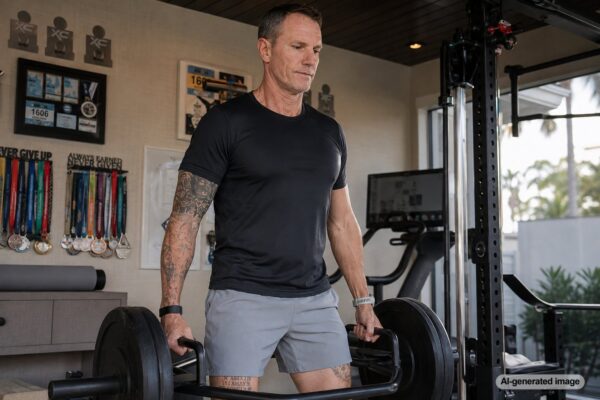
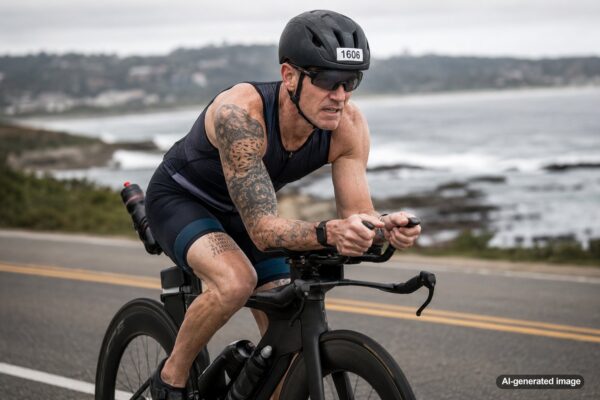
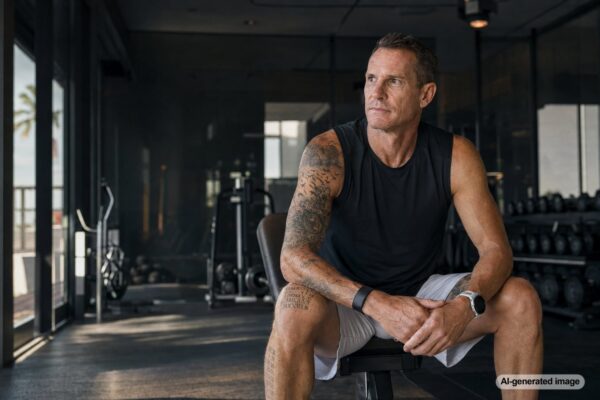
Greg’s world sits at the intersection of business leadership, endurance sport, family, advocacy, and adversity. In that world, recovery is not soft. It is strategic. The ability to keep showing up depends on protecting the systems that make showing up possible.
Where executives often underestimate the cost
One overlooked issue is that alcohol’s impact can hide behind cultural norms. Business dinners, conferences, client events, and celebrations often make drinking feel automatic. A person may not connect a glass or two at night with a foggier morning, lower patience, or a less effective training session.
Another overlooked issue is timing. Drinking close to bedtime can be especially relevant because the body is still processing alcohol during the night. Even when the evening feels calm, the second half of sleep may be less restorative. A person may wake up with a normal schedule but without normal recovery.
There is also the question of emotional leadership. Alcohol can temporarily soften stress, but if it becomes the default way to decompress, it may prevent a leader from building stronger recovery habits. Quiet, movement, therapy, conversation, prayer, journaling, training, or simply going to bed earlier may not sound exciting, but they often build more durable capacity.
Practical ways to evaluate your own pattern
The most useful step is not judgment. It is measurement. High performers often track sales, workouts, revenue, body metrics, calendars, and goals. Alcohol can be evaluated with the same level of honesty.
- Track sleep after drinking. Notice wake-ups, resting heart rate, morning energy, and mood.
- Watch your leadership the next day. Are you more reactive, impatient, scattered, or emotionally flat?
- Pay attention to training quality. Does a moderate night of drinking affect pace, strength, motivation, or recovery?
- Separate social connection from alcohol itself. The dinner, friendship, celebration, or networking may be valuable. The alcohol may not be the part creating the value.
- Experiment with alcohol-free windows. A 2-week or 30-day reset can reveal baseline energy, sleep, and clarity.
What people often miss
The real issue is not perfection. It is alignment. If your goals require steadiness, courage, stamina, and clear judgment, your habits need to support those goals. Alcohol may fit into some people’s lives without obvious disruption, but it deserves an honest look when performance, recovery, and resilience matter.
A leadership lens, not a shame lens
Shame rarely creates sustainable change. Awareness does. For executives, athletes, and mission-driven people, the question is not whether you are allowed to drink. The question is whether your choices are helping you lead, recover, connect, and move forward with strength.
That framing matters. It keeps the conversation grounded rather than moralistic. Some people may choose to drink less. Some may stop entirely. Some may reserve alcohol for specific moments and avoid it before major meetings, training blocks, travel, or family commitments. The best decision is the one made with clear eyes and respect for the life you are building.
FAQ
Can one or two drinks really affect performance?
For some people, yes. The effect can vary widely based on timing, quantity, body size, sleep needs, stress load, medications, health conditions, and individual sensitivity. The most reliable answer comes from tracking your own next-day focus, mood, sleep, and recovery.
Is alcohol always incompatible with leadership?
No. Many leaders drink socially. The key issue is whether alcohol is affecting judgment, consistency, energy, relationships, or recovery. Executive performance is built from patterns, not isolated moments.
Why does alcohol feel relaxing if it can hurt recovery?
Alcohol can feel calming in the short term, but short-term relaxation is not the same as deep recovery. Restorative sleep, emotional regulation, and physical repair are different processes than temporary stress relief.
How should someone start cutting back?
A practical first step is to choose specific alcohol-free nights, avoid alcohol close to bedtime, and observe the results. Anyone concerned about dependence, withdrawal, or alcohol use disorder should speak with a qualified healthcare professional before making major changes.
Interested in bringing Greg’s message to your event or organization?
Learn more about Greg’s speaking work or get in touch to start the conversation.
Contact Greg or learn more about the Forward Motion Fund.
This article is for educational purposes only and is not medical advice. For diagnosis, treatment, or personalized medical guidance, please speak with a qualified healthcare professional.
Sources & further reading
- National Institute on Alcohol Abuse and Alcoholism: Alcohol’s Effects on the Body
- National Institute on Alcohol Abuse and Alcoholism: Alcohol and the Brain: An Overview
- National Institutes of Health: The Relationship between Alcohol Hangover Severity, Sleep and Cognitive Performance
- National Institutes of Health: Sleep after Heavy Alcohol Consumption and Physical Activity Levels during Alcohol Hangover