
The Impact Of Swim Ready Programs On Underserved Communities
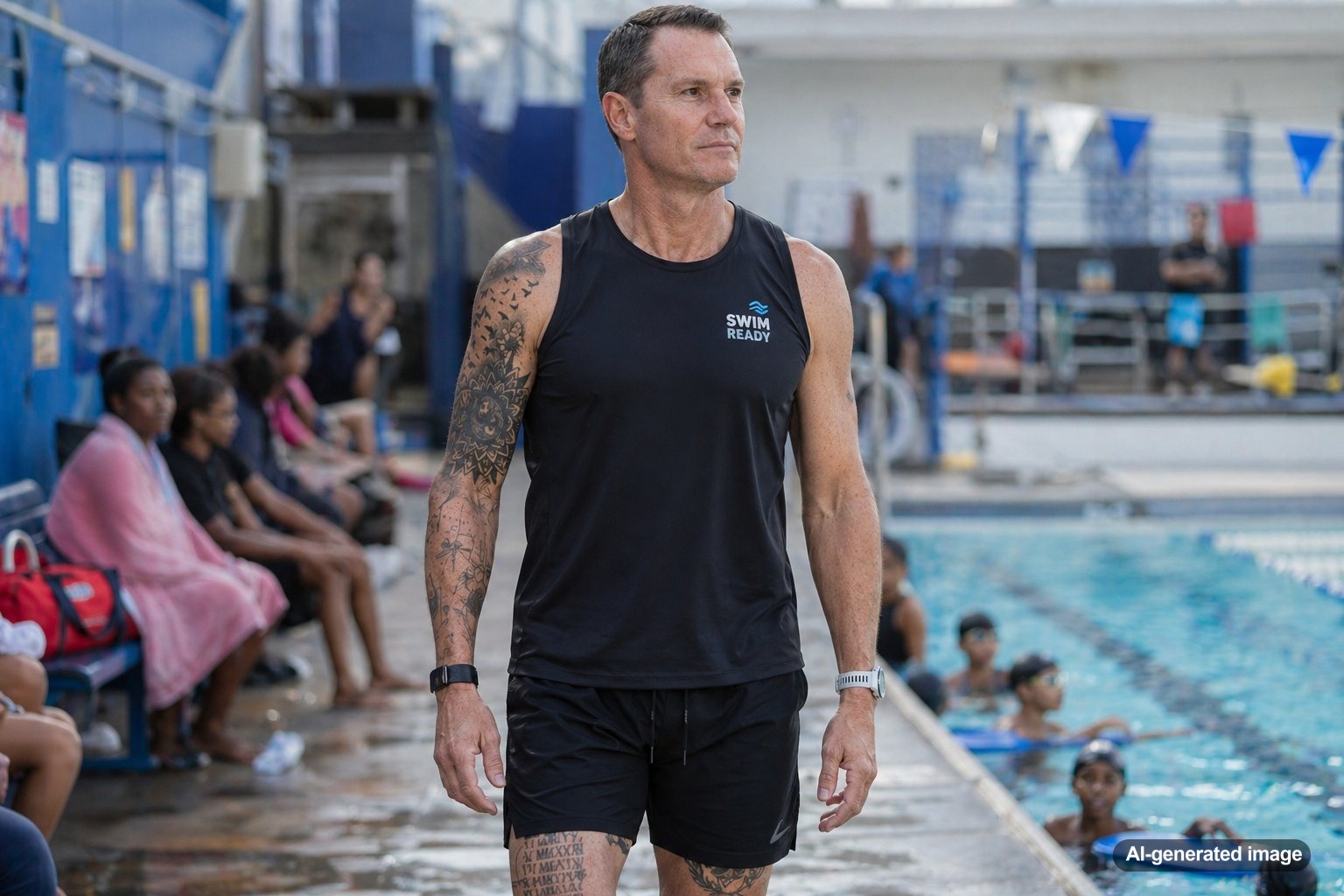
Swim ready programs can change more than a child’s comfort level in the water. In underserved communities, they can become a bridge to safety, confidence, belonging, and opportunity. For families who have not had consistent access to pools, lessons, transportation, or water safety education, the ability to swim is often not a simple recreational skill. It is a form of protection and empowerment.
For someone like Greg Schaefer, whose life and work sit at the intersection of endurance, family, leadership, and advocacy, the lesson is familiar: access matters. Movement matters. Confidence is often built one steady step at a time. That same spirit is at the heart of community programs that help more young people feel prepared around water. You can learn more about Greg’s broader mission through the Forward Motion Fund.
Quick Answer
- Swim ready programs help underserved communities by improving water confidence, basic safety awareness, and access to instruction.
- They can reduce fear around water by making lessons familiar, welcoming, and community-centered.
- Strong programs often support families, not just children, by removing barriers such as cost, transportation, and lack of trusted information.
- The broader impact can include confidence, discipline, peer connection, and a stronger sense of possibility.
Why Swim Readiness Matters Beyond The Pool
When people talk about swimming, they often focus on recreation, fitness, or competition. Those things matter, but swim readiness begins with something more basic: helping people know how to respond safely, calmly, and confidently in and around water.
In communities where access to lessons has been limited, the water can feel intimidating. A pool may be nearby but financially out of reach. A family may want lessons but lack transportation. A parent may have had a frightening experience around water and pass that caution on to a child. None of those barriers reflect a lack of interest or potential. They reflect a lack of access.
That is where thoughtful swim ready programs can make a meaningful difference. They bring instruction closer to the people who need it. They normalize learning. They create a safer entry point for children and families who may otherwise stay away from the water entirely.
Access Is The First Barrier To Break
A strong swim ready program does not begin with the assumption that every family has the same resources. It recognizes the practical obstacles that often stand in the way. Cost, schedule, transportation, language, comfort level, and trust all influence whether a child gets into a lesson.
For underserved communities, access may require more than offering a class. It may mean partnering with schools, local nonprofits, community centers, faith groups, or neighborhood leaders. It may mean flexible scheduling, scholarships, family information sessions, or culturally aware communication. It may also mean creating an environment where beginners do not feel embarrassed for starting from scratch.
When the first barrier is lowered, the program becomes more than instruction. It becomes an invitation.
Confidence Can Grow One Skill At A Time
Swim readiness is not only about strokes, speed, or distance. For many beginners, the first victory may be putting a face in the water, learning to float, practicing how to call for help, or understanding why supervision matters. These small skills can have a large emotional impact.
Confidence grows when progress feels possible. A child who once avoided the water may begin to feel capable. A parent who once felt anxious may begin to feel informed. A teenager who has never taken formal lessons may realize it is not too late to learn. That shift matters because confidence often carries into other parts of life.
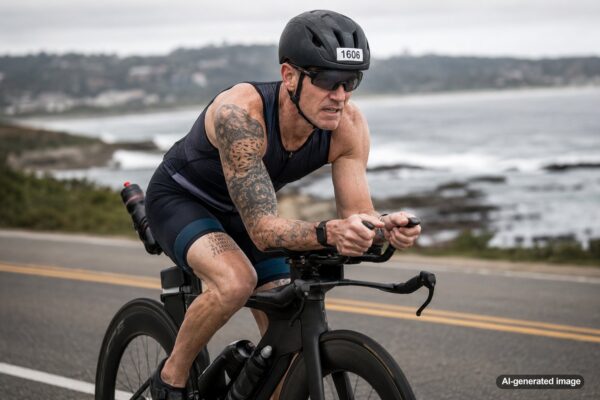
Endurance athletes understand this pattern well. You do not become race ready in one dramatic leap. You build readiness through repetition, trust, and one more step. The same principle applies to swim education. Preparedness is built gradually, with encouragement and structure.
What Strong Programs Often Get Right
The most effective community swim programs are usually not one-size-fits-all. They are designed around the people they serve. That means they pay attention to the real-life details that can make participation easier or harder.
- They build trust first. Families are more likely to participate when the program feels safe, respectful, and familiar.
- They teach practical safety, not just technique. Readiness includes awareness, supervision, floating, exiting the water, and knowing what to do in an emergency.
- They make beginners feel welcome. Shame can keep people away from lessons. Good programs remove that pressure.
- They involve parents and caregivers. A child’s progress is stronger when the adults around them understand the basics too.
- They connect swimming to belonging. The pool becomes a place where children can learn, grow, and be part of something positive.
The Overlooked Impact On Families
Swim ready programs often focus on children, but their influence can reach the whole family. A parent who never had lessons may feel relief watching a child gain skills. A caregiver may learn what questions to ask when choosing a pool, beach, camp, or community program. Siblings may become more interested in learning together.
That family-level impact is important. Water safety is not just an individual skill. It is shaped by household awareness, supervision, confidence, and community norms. When one child learns, the conversation often spreads. A family may begin talking differently about pools, lakes, vacations, and summer activities. That can create a ripple effect that lasts well beyond a single session.
Why This Work Fits A Larger Mission Of Forward Motion
At its best, a swim ready program is not charity handed down from a distance. It is a practical expression of dignity. It says that safety, opportunity, and confidence should not depend on ZIP code, income, or family history. It says every child deserves a chance to learn skills that can protect them and expand their world.
That idea connects naturally to Greg’s broader message of forward motion. Whether the setting is a race course, a business challenge, a family moment, or a community initiative, progress often begins with one step that makes the next step possible. For organizations looking for a speaker who can connect resilience, leadership, family, and purpose, Greg’s story offers a grounded example of what it means to keep moving with intention. Learn more about his work as a speaker at Greg’s speaking page.
Practical Takeaways For Community Leaders
For schools, nonprofits, sponsors, and civic leaders, the most useful question is not simply, “Should we support swim programs?” The better question is, “What would make swim readiness truly accessible here?”
That may mean funding lessons, but it may also mean solving transportation problems, training instructors, partnering with trusted community voices, offering family education, or creating programs for older children who missed early swim instruction. It may mean listening before building. The closer a program is to the real needs of a community, the more likely it is to last.
Bottom Line
Swim ready programs can help underserved communities by combining practical safety education with confidence, access, and belonging. The strongest programs do not treat swimming as a luxury. They treat readiness as a life skill, and they make that skill reachable for more families.
FAQ
What is a swim ready program?
A swim ready program is an educational effort designed to help participants build basic water confidence, safety awareness, and beginner swim skills. Programs may vary by age group, community need, and available resources.
Why are swim ready programs important in underserved communities?
They are important because access to lessons and safe swim environments is not equal everywhere. When cost, transportation, trust, or availability become barriers, families may miss out on instruction that can build confidence and improve safety around water.
Do swim ready programs only benefit children?
No. While many programs focus on children, families and caregivers can benefit too. When adults understand water safety basics and feel more informed, the whole household can become more prepared.
What makes a swim program more effective?
Effective programs are accessible, welcoming, practical, and community-centered. They remove barriers, teach useful safety skills, include families when possible, and respect the experience of beginners.
How can organizations support this type of work?
Organizations can support swim readiness through funding, partnerships, volunteer support, transportation solutions, facility access, instructor training, and outreach through trusted local groups.
Interested in bringing Greg’s message to your event or organization?
Learn more about Greg’s speaking work or get in touch to start the conversation.
Contact Greg or learn more about the Forward Motion Fund.
This article is for educational purposes only and is not medical advice. For diagnosis, treatment, or personalized medical guidance, please speak with a qualified healthcare professional.