

What Race Recovery Teaches You About Long Term Success
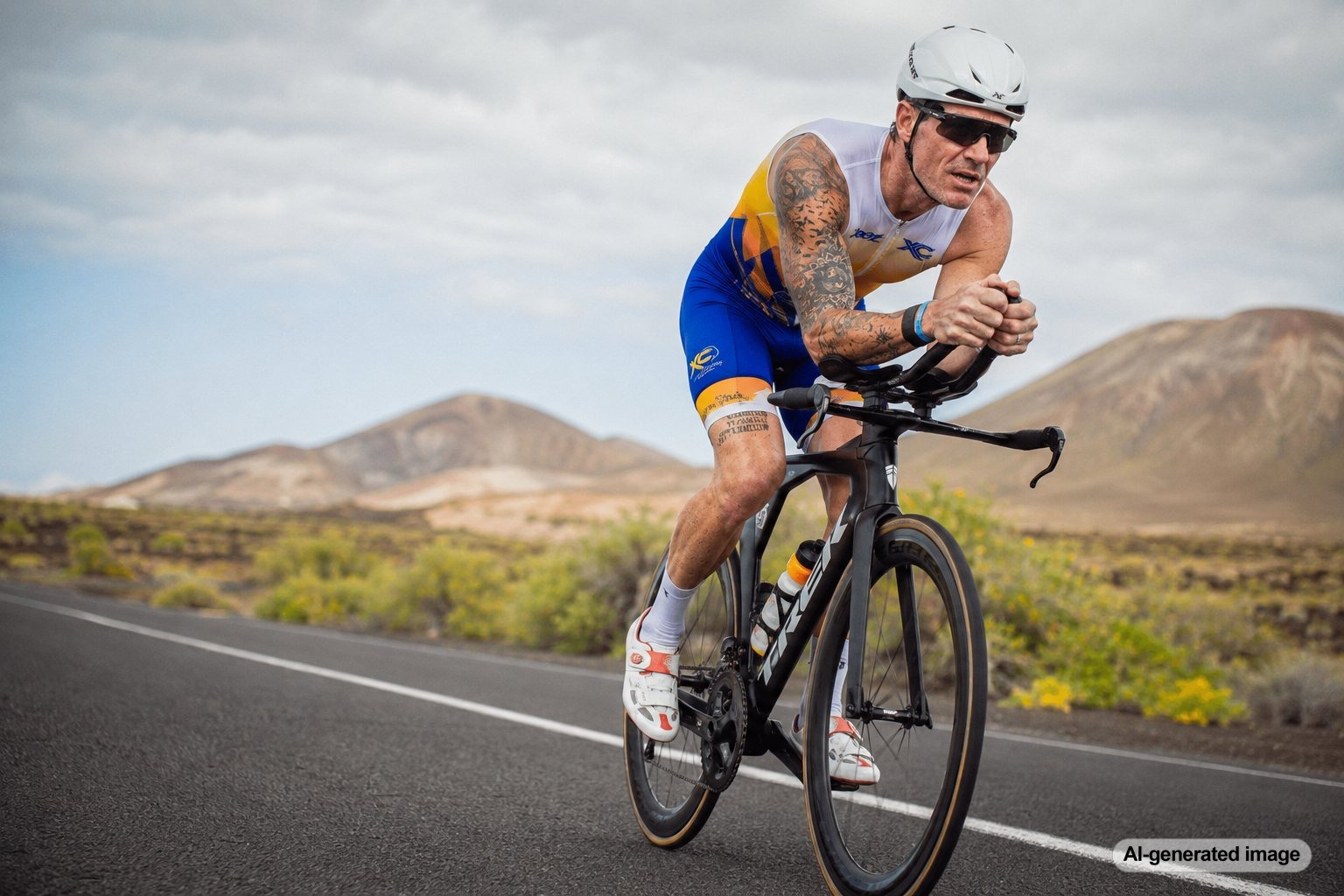
The finish line gets the photos, the cheers, and the easy metaphor. Recovery gets less attention, but in many ways it teaches the deeper lesson. What happens after a race often reveals whether an athlete is chasing one moment or building a life that can keep moving forward.
Race recovery is not passive. It is an active practice of listening, adjusting, rebuilding, and respecting the work that came before. For someone like Greg Schaefer, whose story brings together endurance racing, business leadership, family, advocacy, and hard-earned resilience, recovery is not just about sore legs. It is about learning how to sustain effort without losing the person doing the effort. You can learn more about Greg’s broader story on the About Greg page.
Quick answer
- Race recovery teaches that long term success is built through consistency, not constant intensity.
- Rest is not the opposite of ambition. It is part of how ambition survives.
- The best performers know when to push, when to pause, and when to rebuild.
- Recovery helps turn one hard effort into a foundation for the next meaningful step.
- The lessons apply far beyond endurance sports, including leadership, family, work, advocacy, and personal growth.
Recovery reminds you that success has a second half
In endurance sports, the race does not really end when the clock stops. The body still has to absorb the effort. Muscles need time. Energy has to return. Sleep, nutrition, movement, and patience all become part of the performance.
The same is true in business, leadership, and life. People often celebrate the visible push: the launch, the presentation, the event, the hard season, the major goal. But the second half matters just as much. How do you process the stress? How do you evaluate what worked? How do you return without carrying every bruise as a permanent identity?
Long term success requires a recovery mindset because big efforts create impact, but recovery creates continuity.
Rest is not quitting
One of the most overlooked lessons from race recovery is that rest can be disciplined. It takes maturity to stop when the nervous system, the calendar, or the body needs space. It takes humility to admit that more effort is not always better effort.
In a culture that often rewards urgency, recovery can feel like slowing down. In reality, it is often how people stay in the game. Athletes who ignore recovery may still be able to force another hard workout, but they risk turning progress into breakdown. Leaders who never pause may keep producing for a while, but the quality of their decisions, relationships, and perspective can suffer.
Rest is not the absence of drive. It is drive with a longer timeline.
Race recovery teaches honest feedback
A race gives immediate feedback. You learn where pacing was too aggressive, where preparation held up, where conditions changed, and where mental strength carried you. Recovery adds another layer. It shows what the effort cost.
That matters because long term success is not only about what you can accomplish once. It is about what you can learn from the effort and carry forward with wisdom. A strong recovery process invites honest questions:
- Did I prepare in a way that supported the goal?
- Did I confuse intensity with effectiveness?
- What signals did I ignore?
- What helped me keep moving when things got difficult?
- What needs to change before the next challenge?
Those questions belong in endurance sports, but they also belong in boardrooms, family conversations, advocacy work, and personal reinvention.
The most important growth is not always visible
Recovery rarely looks impressive from the outside. It can look quiet, slow, and ordinary. That is part of the lesson.
Some of the most important work happens when nobody is clapping. Stretching carefully. Sleeping enough. Eating well. Taking a walk instead of forcing another hard session. Reviewing what happened without turning every mistake into shame. Letting the body and mind settle before asking them to perform again.
Long term success has the same hidden architecture. The public wins are supported by private habits. The keynote moment is supported by years of lived experience. The race result is supported by early mornings, hard decisions, family support, setbacks, and recovery. The next step is made possible by the steps that were respected before it.
Recovery builds better pacing for life
Endurance athletes learn quickly that pacing is not weakness. Start too fast and the course will eventually ask for payment. Hold back too much and you may never find the edge of your capacity. The art is learning how to spend energy with purpose.
That same principle applies to long term success. A founder, leader, parent, advocate, or athlete has to understand that every season cannot be a sprint. Some seasons require expansion. Others require maintenance. Some call for bold action. Others call for repair, reflection, and recalibration.
People who last learn to ask better questions than, “How hard can I push?” They ask, “What does this season require?” and “How do I keep moving without burning out the mission?”
What people often miss about recovery
Recovery is often misunderstood as a soft subject. It is not. It is where discipline becomes sustainable.
- Recovery is strategic. It helps convert effort into adaptation rather than exhaustion.
- Recovery is personal. What restores one person may not restore another in the same way.
- Recovery is emotional. After a major effort, people may feel pride, disappointment, relief, uncertainty, or all of those at once.
- Recovery is relational. Support systems matter. Family, teammates, coaches, colleagues, and community often help people return with perspective.
Those realities make recovery a powerful metaphor for any person or organization trying to build something meaningful over time.
Practical takeaways for long term success
The lessons of race recovery become especially useful when they move from theory into practice. Here are a few grounded ways to apply them beyond the race course.
1. Build reflection into the finish
Do not rush from one goal straight into the next without learning from the last one. After a race, project, event, or hard season, take time to name what worked, what hurt, what surprised you, and what deserves to change.
2. Protect the systems that keep you steady
Sleep, movement, family time, quiet thinking, and honest conversation are not luxuries when the goal is long term success. They are part of the structure that makes forward motion possible.
3. Measure more than the visible result
A finish time, revenue number, applause, or milestone can matter, but it is not the whole story. Also ask whether the effort strengthened your character, clarified your priorities, deepened your relationships, or sharpened your mission.
4. Learn the difference between discomfort and damage
Endurance requires discomfort. Growth often does too. But not all pain is productive. Sustainable success depends on learning when to keep moving and when to seek support, adjust the plan, or recover with intention.
5. Keep the next step small enough to take
After a hard race, the first step back may not be dramatic. It may be a walk, a meal, a night of sleep, or a simple conversation. Long term success often works the same way. The next step does not have to be heroic. It has to be honest enough to begin.
FAQ
Why is recovery important after a race?
Recovery helps the body and mind absorb the effort, restore energy, and prepare for future performance. It also creates space to learn from the experience instead of rushing past it.
How does race recovery connect to leadership?
Leadership requires pacing, reflection, resilience, and the ability to keep showing up after demanding seasons. Recovery teaches leaders that sustainable performance depends on renewal, not just output.
What can non-athletes learn from endurance recovery?
Non-athletes can use the same principles after major work projects, family challenges, personal setbacks, or periods of high stress. Pause, assess, restore, and return with a clearer plan.
Is recovery only physical?
No. Recovery can include physical rest, emotional processing, mental clarity, relational reconnection, and practical review. The best recovery often addresses the whole person.
The bottom line
Race recovery teaches that strength is not only proven in the push. It is also proven in the return. Long term success belongs to people who can give deeply, recover honestly, learn carefully, and keep moving with purpose.
That is a powerful lesson for athletes, leaders, families, and mission-driven communities. The finish line matters, but the life you build after it may matter even more.
Interested in bringing Greg’s message to your event or organization?
Learn more about Greg’s speaking work or get in touch to start the conversation.
Contact Greg or learn more about the Forward Motion Fund.
This article is for educational purposes only and is not medical advice. For diagnosis, treatment, or personalized medical guidance, please speak with a qualified healthcare professional.


