
What Event Planners Really Want in a Motivational Speaker
Event planners are not simply looking for someone who can stand on a stage and tell an inspiring story. They are looking for a speaker who can help the room feel something, understand something, and carry something useful back into their work, family, leadership, or personal lives.
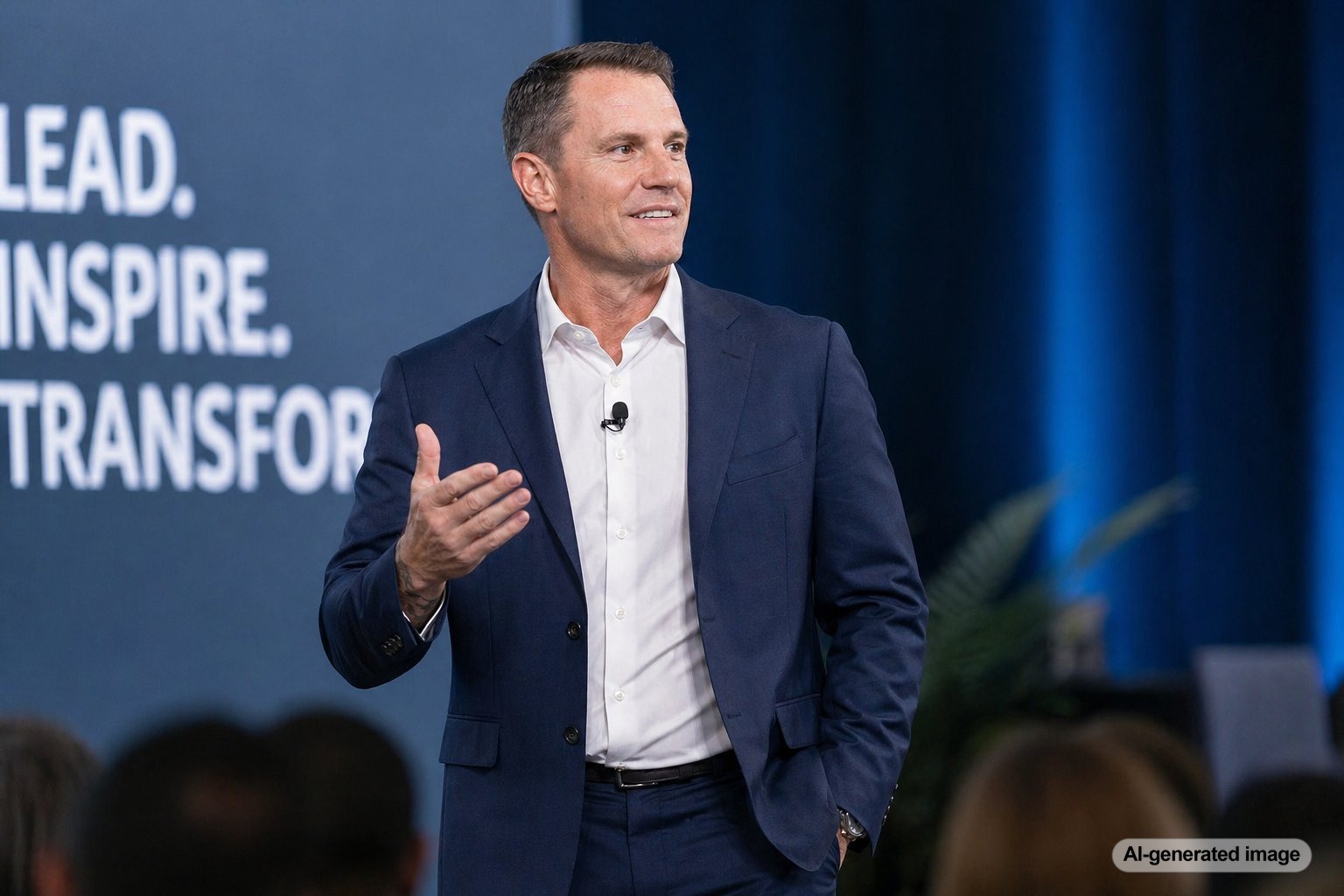
The best motivational speaker for an event is not the loudest voice or the most polished reel. It is the person whose message fits the moment, respects the audience, and gives the planner confidence from the first conversation through the final applause. For organizations considering Greg Schaefer’s speaking work, that combination of lived experience, preparation, and purpose is often what makes the message resonate long after the event ends.
Quick answer: what event planners really want
- A speaker with a clear, relevant message that fits the audience and event goals.
- Real credibility, not empty motivational language or recycled stage lines.
- A collaborative professional who is easy to work with before, during, and after the event.
- An emotionally engaging story that still delivers practical takeaways.
- A keynote that feels human, grounded, and aligned with the values of the organization.
A message that matches the purpose of the event
Every event has a job to do. A sales meeting may need renewed belief. A leadership retreat may need focus and honesty. A healthcare, nonprofit, or community event may need courage without sentimentality. A companywide meeting may need to reconnect people to purpose after a difficult season.
Event planners want a motivational speaker who understands that context. They do not want a one-size-fits-all speech dropped into a room without regard for the people sitting in it. They want someone who asks better questions: Who will be in the audience? What pressure are they carrying? What has the organization been through? What should people feel, remember, and do differently afterward?
That kind of fit matters. A strong speaker can adapt the same core message to different rooms without making it feel scripted. Greg’s story of family, business leadership, endurance racing, Young-Onset Parkinson’s, and forward motion gives planners multiple entry points, but the value comes from shaping those themes around the audience in front of him.
Credibility that feels earned
Motivational speaking can lose trust quickly when it sounds manufactured. Event planners know this. They have seen audiences tune out when a speaker leans too hard on slogans, dramatic pauses, or vague encouragement. What they want instead is credibility that feels lived.
Credibility does not mean the speaker has to be famous. It means the message comes from real experience. Greg’s authority is not built from a single title. It comes from being a husband and dad, building and leading a Manhattan insurance agency, completing 19 Ironman races, facing a Parkinson’s diagnosis at age 48, and choosing to keep moving forward with honesty and purpose.
That matters because audiences can sense the difference between a speaker who is performing resilience and a speaker who has had to practice it. Event planners want the second kind. They want someone whose message can stand up to a room full of executives, employees, athletes, caregivers, founders, students, or community members because it is grounded in real life.
A story with structure, not just emotion
A powerful personal story can open the door, but it cannot carry an entire keynote by itself. Event planners want a speaker who knows how to turn experience into meaning. The audience should not leave only thinking, “That was moving.” They should also leave thinking, “I can use that.”
That requires structure. A strong motivational keynote usually gives the audience a clear path: the challenge, the choice, the lesson, and the application. It may include moments of struggle, but it should not dwell there for effect. It may include achievement, but it should not become a highlight reel. The emotional arc should serve the audience, not the speaker.
For Greg, themes like “One More Step… Just One More” work because they are simple without being shallow. They connect endurance, leadership, family, illness, uncertainty, and purpose in a way that people can understand quickly and remember later. That is what planners are hoping for: a message that has heart, but also shape.
Professionalism that makes the planner’s job easier
Event planners carry a lot. They are managing timelines, vendors, executives, sponsors, AV needs, travel details, audience expectations, and last-minute changes. A speaker who is inspiring on stage but difficult behind the scenes creates unnecessary stress.
Planners want responsiveness, clarity, preparation, and flexibility. They want a speaker who can meet deadlines, understand the run of show, communicate with the team, respect the event format, and show up ready. They want someone who can handle a ballroom, a corporate stage, a panel, a fundraiser, a leadership summit, or a smaller community setting with the same level of care.
Small details matter. Does the speaker know how long they are expected to speak? Can they work with the AV team? Are they willing to learn about the organization? Can they adjust if the schedule changes? Do they understand that the keynote is part of a larger event experience, not a solo performance? For planners, professionalism is not extra. It is part of the value.
Audience connection without forced hype
Some motivational speakers try to energize a room by pushing the volume higher and higher. That can work for a few minutes, but it often fades quickly. Event planners are usually looking for something deeper than hype. They want a speaker who can earn attention, create trust, and make the room feel included.
Connection can come from humor, vulnerability, directness, humility, or a well-timed story. It can come from acknowledging what people are really facing instead of pretending every challenge can be solved with a catchphrase. The strongest speakers know when to lift the room and when to slow it down.
Greg’s speaking lane is especially suited to that kind of grounded connection. His story includes achievement, but it also includes uncertainty. It includes physical endurance, but also family and identity. It includes Parkinson’s, but does not reduce the message to diagnosis. That balance helps an audience feel respected rather than emotionally managed.
Practical takeaways people can remember
Event planners want the keynote to create a moment, but they also want it to have a life after the event. That is where practical takeaways become important. A memorable speaker gives the audience language they can repeat, ideas they can apply, and a mindset they can return to when the room is no longer cheering.
For a leadership audience, that may mean talking about discipline, decision-making, and how teams move through uncertainty. For a healthcare or advocacy audience, it may mean discussing dignity, support systems, and the importance of forward motion without pretending the path is easy. For an endurance or athletic audience, it may mean connecting training, patience, pain, and purpose.
The best takeaways are not complicated. They are clear enough to remember and strong enough to matter. “One More Step… Just One More” is an example of a phrase that can travel with people because it does not ask them to solve everything at once. It asks them to move forward from where they are.
What planners often overlook
The best speaker choice is not always the biggest name. It is the person whose message, presence, and preparation match the audience’s needs. A recognizable name may draw attention, but a deeply aligned speaker can create a more meaningful and useful experience.
Planners sometimes feel pressure to find a speaker who checks the most obvious boxes: impressive bio, polished video, familiar theme, broad appeal. Those things can help, but they are not the whole decision. The deeper question is whether the speaker can meet the emotional and practical needs of that specific room.
A company navigating change may not need someone who only talks about winning. They may need someone who understands persistence, adaptation, and identity when the old plan no longer works. A nonprofit audience may not need a generic success story. They may need a speaker who understands mission, community, and the quiet work behind visible impact. A leadership team may not need noise. They may need perspective.
Questions event planners should ask before booking
Choosing a motivational speaker becomes easier when planners move beyond the surface. A strong discovery process can reveal whether the speaker is truly aligned with the event.
- What is the central message the audience will leave with?
- How does the speaker customize the keynote for different organizations or audiences?
- What parts of the speaker’s story create credibility for this specific event?
- Will the tone feel appropriate for the room, or does it rely on forced inspiration?
- How does the speaker work with event teams before the day of the program?
- What do past audiences and planners say about the experience? Reviewing speaker testimonials can help answer that question.
FAQ
What makes a motivational speaker effective for corporate events?
An effective corporate motivational speaker connects the message to the real pressures of the organization. The keynote should be engaging, but it should also offer relevant lessons around leadership, resilience, change, purpose, or performance.
Should an event planner choose a speaker with a personal story?
A personal story can be powerful when it is shaped in service of the audience. The story should not feel like a biography from the stage. It should help people see their own challenges with more clarity, courage, and perspective.
How important is speaker preparation?
Preparation is essential. Event planners need a speaker who understands the audience, the event goals, the timing, the tone, and the larger program. Great preparation often shows up as a keynote that feels natural rather than generic.
What should a motivational speaker avoid?
A speaker should avoid empty hype, pity-driven storytelling, exaggerated claims, and generic advice that could apply to any room. The strongest messages are specific, honest, and useful.
Why consider Greg Schaefer for a motivational keynote?
Greg brings together business leadership, endurance athletics, family, Young-Onset Parkinson’s, advocacy, and mission-driven living. His message is grounded in lived experience and built around forward motion, resilience, and the power of taking one more step.
Interested in bringing Greg’s message to your event or organization?
Learn more about Greg’s speaking work or get in touch to start the conversation.
Contact Greg or learn more about the Forward Motion Fund.
This article is for educational purposes only and is not medical advice. For diagnosis, treatment, or personalized medical guidance, please speak with a qualified healthcare professional.