

Why Every CEO Needs An “Endurance Hobby” For Clarity
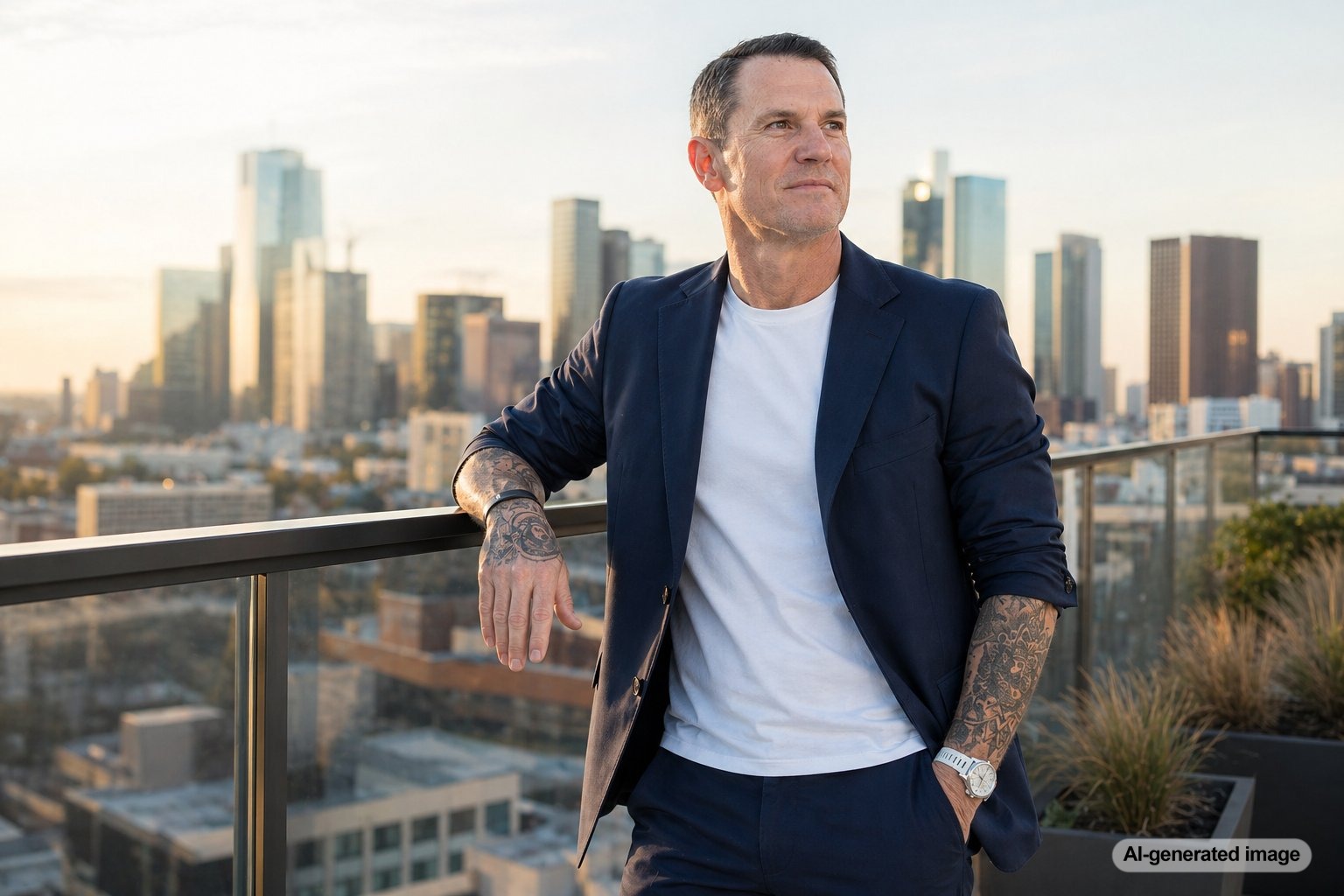
Every CEO lives with noise. The inbox is noisy. The calendar is noisy. The pressure to make the right decision, carry the team, protect the future, and keep moving through uncertainty can become its own kind of static. That is why an endurance hobby is not just a nice escape for a busy leader. For many CEOs, it can become one of the clearest places in life.
An endurance hobby does not have to mean training for an Ironman. It might be cycling, running, rowing, hiking, swimming, long walks, or another physical pursuit that asks for patience over intensity. The value is not in the finish line alone. It is in the repetition, solitude, discomfort, pacing, and discipline that give a leader room to think clearly again.
Quick answer: why CEOs need an endurance hobby
- It creates uninterrupted thinking space in a world built around constant response.
- It trains patience because endurance rewards consistency more than panic.
- It separates real problems from noise by giving the mind time to settle.
- It builds emotional steadiness through manageable discomfort and repetition.
- It reminds leaders they are human, not just decision-making machines.
Clarity often arrives after the noise gets quiet
Leadership can trick people into believing that every answer is found by thinking harder, staying later, and adding one more meeting to the calendar. Sometimes the opposite is true. A CEO may need distance before a decision becomes clear. Endurance activities create a different kind of space because they ask the body to move while the mind slowly unclenches.
On a long run, ride, swim, or hike, there is no boardroom performance. There is no need to sound certain before you are certain. You are simply present with the work. Over time, that simplicity becomes useful. The issue that felt tangled at the desk may begin to sort itself out after 45 minutes of steady effort. A difficult conversation may become easier to frame. A strategic priority may become obvious once the clutter falls away.
This is one reason endurance has such a natural connection to leadership. It does not remove pressure. It changes the way a person carries it. For a leader like Greg Schaefer, whose work brings together business, endurance, family, adversity, and forward motion, that connection is not theoretical. It is lived. You can learn more about Greg’s broader story and mission on the About Greg page.
Endurance teaches pacing, and CEOs need pacing
One of the most overlooked leadership skills is pace. A CEO cannot sprint every quarter, every crisis, every product launch, every client issue, and every team challenge. At some point, constant sprinting becomes poor strategy. Endurance hobbies make this lesson physical. Start too hard, and you pay for it later. Ignore recovery, and performance suffers. Chase every surge, and you lose the ability to finish well.
That lesson transfers directly into leadership. The best leaders learn when to push, when to hold steady, when to conserve energy, and when to make the decisive move. They understand that not every urgent thing deserves full emotional output. They know that a team cannot live permanently in red alert mode. Endurance does not just build stamina. It teaches judgment.
A CEO who trains for endurance begins to understand the difference between discomfort and danger, between fatigue and failure, between a hard moment and a bad decision. That distinction matters in business. Many leaders overreact not because the problem is impossible, but because they have not trained themselves to remain steady inside discomfort.
The best thinking often happens away from the desk
Modern leadership rewards availability. The problem is that availability is not the same as clarity. A CEO can be reachable all day and still not have enough quiet to think. Endurance hobbies create a protected environment where the leader is not performing, presenting, negotiating, or reacting. That matters because the brain often needs space before it can connect ideas in a useful way.
Consider the difference between thinking in fragments and thinking in flow. At a desk, a leader may jump from email to contract language to staffing issue to investor update. On a long bike ride or trail walk, the mind has time to follow a thought from beginning to end. That is where patterns appear. That is where a leader may realize the real problem is not the surface issue, but a misaligned priority, a tired team, or an unclear message.
This is not about escaping responsibility. It is about returning to responsibility with a better mind. The decision still has to be made. The conversation still has to happen. The challenge still exists. But endurance creates a rhythm where the leader can come back with less static and more perspective.
Endurance hobbies make resilience practical
Resilience is often discussed like a personality trait. In real life, it is more of a practice. Endurance makes that practice concrete. You show up when conditions are not perfect. You manage your energy. You keep your form when fatigue arrives. You adjust when the plan changes. You learn that progress can be slow and still be real.
That kind of resilience is especially valuable for CEOs because leadership rarely unfolds in clean lines. Markets change. People leave. Deals stall. Health, family, and life do not always respect the calendar. A leader who has practiced staying composed through long-form effort often has a deeper reservoir to draw from when business becomes uncertain.
There is also humility in endurance. No matter how successful someone is professionally, the road, water, trail, or course does not care about titles. It asks the same question again and again: can you take the next step with discipline and honesty? That humility is healthy for leaders. It keeps success grounded.
What CEOs often miss about endurance
It is not really about achievement
The finish line can be meaningful, but the deeper value is in the training. A CEO does not need to become elite to benefit. The clarity comes from consistent effort, not public recognition.
It is not another productivity hack
An endurance hobby should not become one more way to optimize every minute. Its value partly comes from being outside the normal performance loop. It gives the leader a place to breathe, think, and rebuild.
It should fit the season of life
A founder with young children, a CEO in a turnaround, and an executive managing health challenges may all need different versions of endurance. The point is not to copy someone else’s routine. The point is to build a sustainable practice that supports clarity instead of draining it.
How an endurance hobby can sharpen leadership decisions
Clarity is not only about having better ideas. It is also about knowing which ideas deserve attention. Endurance hobbies help leaders practice filtering. During a long effort, you cannot carry every unnecessary thought forever. Eventually, the body demands simplicity. What matters now? What can wait? What is noise? What is the next right step?
That same filtering is essential in leadership. A CEO is constantly surrounded by competing signals. Some are urgent. Some are important. Some are emotional. Some are distractions dressed as strategy. The more a leader practices finding rhythm under strain, the more capable they become of separating what is loud from what is true.
For organizations considering a speaker who can connect leadership, adversity, endurance, and purpose in a grounded way, Greg’s work may be a strong fit. Learn more about his message and availability on the Speaking page.
Practical ways for CEOs to start
The best endurance hobby is the one a leader can sustain without turning it into another source of ego or pressure. Start smaller than ambition wants. Choose a form of movement that creates consistency. Protect a few sessions each week the same way you would protect an important meeting. Let the practice become a place where the mind can settle.
- Pick rhythm over intensity. A steady 45-minute walk, ride, or swim can be more useful than an occasional all-out effort.
- Use some sessions without audio. Silence can feel uncomfortable at first, but it often creates the most valuable thinking space.
- Do not turn every workout into a metric review. Data can help, but clarity often appears when the experience is not over-managed.
- Notice what surfaces repeatedly. If the same business concern keeps appearing during quiet movement, it may deserve focused attention.
- Respect recovery. A hobby meant to create clarity should not become another way to burn out.
FAQ
Does an endurance hobby have to be competitive?
No. Competition can be meaningful for some leaders, but it is not required. The clarity comes from sustained effort, rhythm, reflection, and consistency.
What if a CEO does not have time?
That may be the strongest sign that some form of protected physical space is needed. The practice does not have to be extreme. Even a recurring window for walking, cycling, swimming, or hiking can create room to think.
Can endurance training help with stress?
Physical activity can be part of a healthy stress-management routine for many people, but it should fit the individual’s health, schedule, and capacity. The broader point for leaders is that endurance creates a constructive place to process pressure.
Why does endurance connect so well with leadership?
Both require patience, discipline, pacing, adaptation, and the ability to keep moving when the work gets uncomfortable. Endurance turns those ideas into lived practice.
Interested in bringing Greg’s message to your event or organization?
Learn more about Greg’s speaking work or get in touch to start the conversation.
Contact Greg or learn more about the Forward Motion Fund.
Disclaimer
This article is for educational purposes only and is not medical advice. For diagnosis, treatment, or personalized medical guidance, please speak with a qualified healthcare professional.


