
Why Young-Onset Parkinson’s Changes More Than Health
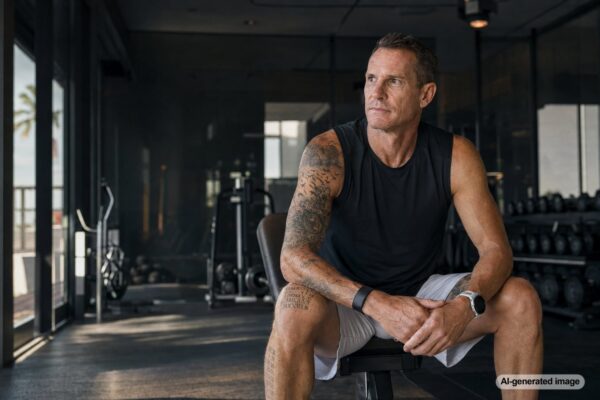
Young-onset Parkinson’s changes more than health because it often arrives in the middle of a full, demanding life. Careers are still being built. Families may still be growing. Financial plans, athletic goals, relationships, leadership responsibilities, and identity are all still very much in motion.
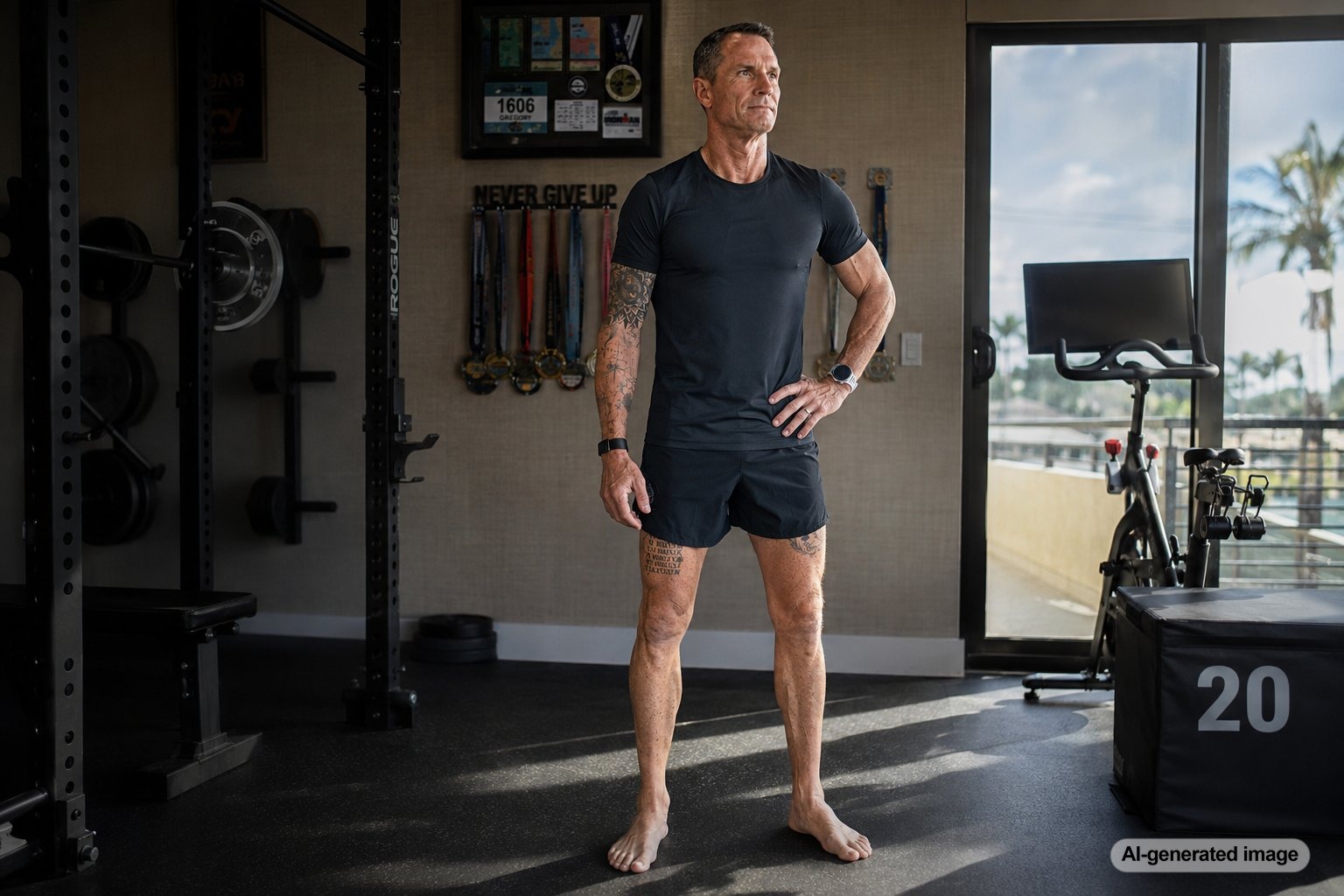
For someone like Greg Schaefer, whose life includes family, business leadership, endurance racing, speaking, and advocacy, a Parkinson’s diagnosis is not just a medical event. It is a life event. It asks hard questions about how to keep showing up, how to adjust without shrinking, and how to keep moving forward with honesty and purpose. You can learn more about Greg’s broader story on the About Greg page.
Quick answer
- Young-onset Parkinson’s is generally used to describe Parkinson’s diagnosed before age 50.
- It can affect career decisions, family roles, long-term planning, relationships, and emotional identity.
- The experience can vary widely, so support and medical guidance should be individualized.
- Resilience does not mean pretending the diagnosis is easy. It means continuing to take the next honest step.
It interrupts life earlier than people expect
Many people associate Parkinson’s with later life, which can make a younger diagnosis feel especially disorienting. Young-onset Parkinson’s can arrive when someone is raising children, leading a company, paying a mortgage, training for a race, supporting aging parents, or trying to imagine the next several decades of life.
That timing matters. A diagnosis in midlife can force conversations that peers may not be having yet: What does work look like now? How do I talk to my family? What happens to long-term goals? How do I keep my independence while also building a support system?
It changes the relationship with work and leadership
For many people diagnosed younger, work is not a side issue. It is often tied to identity, income, purpose, confidence, and responsibility to others. Parkinson’s symptoms can vary, but the uncertainty alone can change the way a person thinks about performance, stamina, scheduling, disclosure, travel, and long-term planning.
Leaders may wrestle with a particularly complex tension. They may want to be transparent without being defined by the diagnosis. They may want to keep serving their teams while also respecting new limits. That balance is not weakness. It is leadership under pressure.
It affects the whole family system
Young-onset Parkinson’s rarely belongs to one person alone. Spouses, partners, children, relatives, friends, coworkers, and caregivers can all feel the shift. Roles may change slowly or suddenly. A partner may become more involved in appointments or planning. Children may notice changes before they fully understand them. Friends may want to help but not know how.
Support works best when it protects both honesty and dignity. People living with Parkinson’s do not need to be treated like a project. They need practical help, clear communication, room to feel what they feel, and people who can stay present without turning the diagnosis into the whole story.
It challenges identity, not just mobility
Parkinson’s is often described through symptoms, but the deeper disruption can be personal. A person may wonder, Am I still the same athlete? The same parent? The same leader? The same partner? The same ambitious, capable person I was before this diagnosis entered the room?
The answer is not always simple, but it does not have to be bleak. Identity can stretch. Goals can evolve. Strength can become more honest. In Greg’s world, forward motion is not about denying reality. It is about refusing to let one diagnosis erase the many roles, commitments, and values that still matter.
It makes planning more urgent and more human
Young-onset Parkinson’s can bring practical questions to the surface sooner than expected. People may need to think about insurance, finances, work flexibility, treatment conversations, exercise, family communication, and long-term support. These are not easy topics, but avoiding them can make the road feel heavier.
Planning does not mean surrendering hope. It means building enough structure to keep living with intention. A strong plan can create more room for family, movement, advocacy, purpose, and the parts of life that still deserve attention.
What people often miss
Young-onset Parkinson’s is not only about what changes physically. It is also about how a person rebuilds confidence, communicates with loved ones, stays connected to purpose, and learns to ask for support without losing a sense of agency.
Forward motion can become a way of living
The phrase One More Step… Just One More carries weight because it does not pretend the road is easy. It recognizes that some days require grit, some require rest, and some require asking for help. Forward motion can look like training, speaking, parenting, advocating, leading, laughing, showing up to an appointment, or simply getting through a hard morning with honesty.
Through the Forward Motion Fund, Greg’s mission connects his own story to broader support for Parkinson’s research, partners and caregivers, challenged athletes, and youth and education initiatives. The message is not that adversity is simple. It is that purpose can still move through it.
FAQ
What is young-onset Parkinson’s?
Young-onset Parkinson’s generally refers to Parkinson’s disease diagnosed before age 50. Symptoms and progression can vary, and a qualified healthcare professional can help evaluate individual circumstances.
Why does young-onset Parkinson’s affect more than physical health?
Because it often appears during active years of career, family, financial planning, relationships, and personal ambition. The diagnosis can influence daily routines, emotional well-being, identity, and long-term decisions.
Can people with young-onset Parkinson’s stay active?
Many people continue to build active, meaningful lives after diagnosis, but every person’s situation is different. Activity, treatment, and support should be discussed with a qualified healthcare professional who understands the individual’s needs.
How can family and friends support someone with Parkinson’s?
Start by listening. Offer practical help without taking over. Respect the person’s dignity, ask what would actually be useful, and remember that the person is more than the diagnosis.
Interested in bringing Greg’s message to your event or organization?
Learn more about Greg’s speaking work or get in touch to start the conversation.
Contact Greg or learn more about the Forward Motion Fund.
This article is for educational purposes only and is not medical advice. For diagnosis, treatment, or personalized medical guidance, please speak with a qualified healthcare professional.