

Getting Kids On Bikes: The Mission Of Bikes For Kids
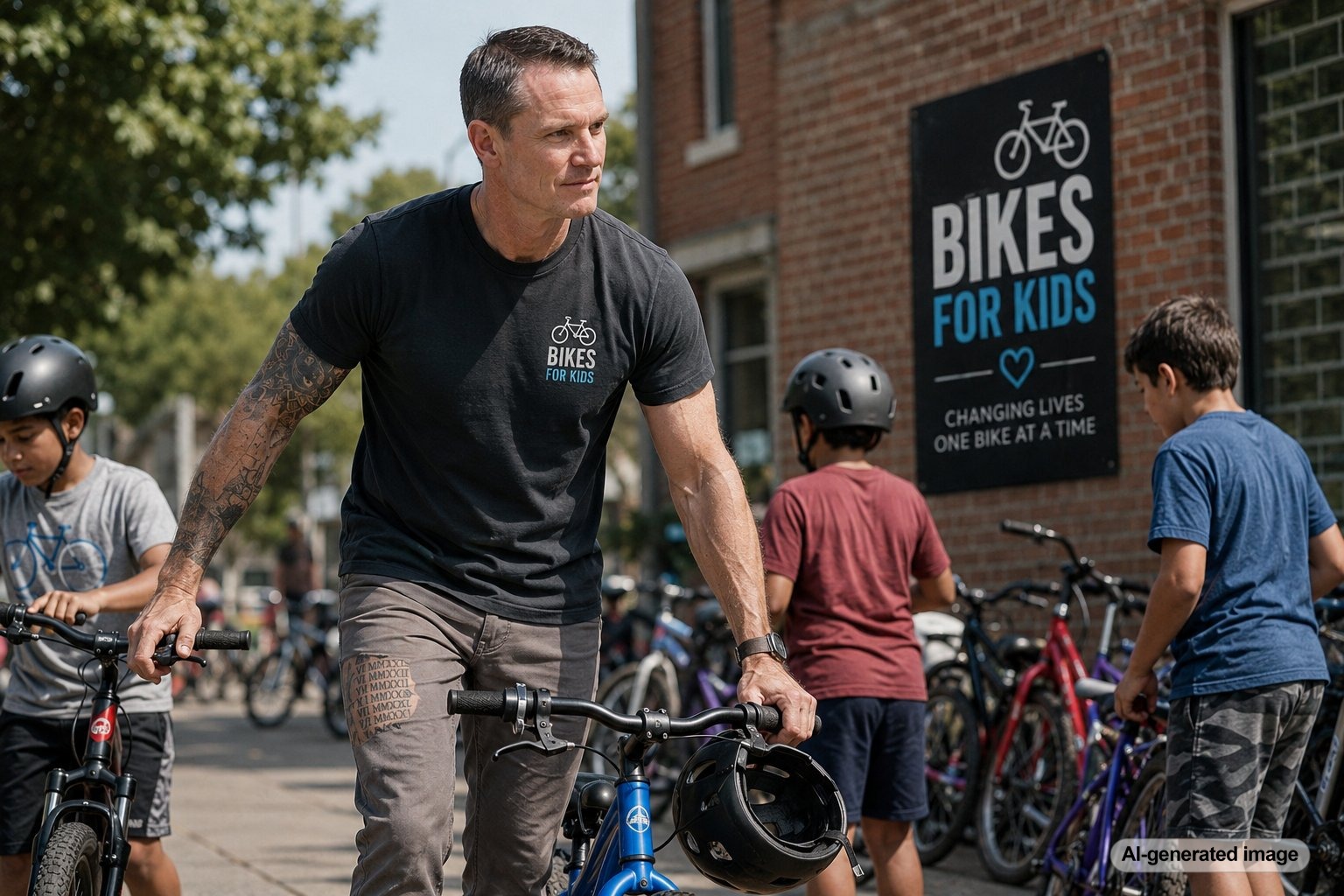
A bike can look simple from a distance. Two wheels, a frame, handlebars, a seat. But for a child, a bike can become something much bigger: a first taste of independence, a reason to go outside, a way to keep up with friends, and a quiet reminder that moving forward can change how the world feels.
The mission of Bikes For Kids is rooted in that kind of practical hope. Getting kids on bikes is not only about recreation. It is about access, confidence, mobility, health, joy, and belonging. It is about giving a child something they can use, remember, and grow with. For Greg Schaefer, whose own work sits at the intersection of family, endurance, resilience, business leadership, and advocacy, missions like this carry a familiar message: forward motion matters, especially when it begins early.
Quick Answer: Why Getting Kids On Bikes Matters
- Bikes create freedom. For many children, a bike is one of the first tools that lets them explore the world under their own power.
- Bikes build confidence. Learning to ride takes patience, balance, practice, and courage.
- Bikes encourage movement. Riding gives kids a fun, natural way to be active without making movement feel like a chore.
- Bikes can strengthen community. A shared ride, a donated bike, or a local cycling event can connect families, volunteers, and neighborhoods.
- Bikes can become a symbol of possibility. They remind kids that progress often starts with one push, one pedal stroke, and one more step forward.
The Mission Behind Bikes For Kids
Bikes For Kids begins with a simple idea: more children should have the chance to experience the joy and opportunity that comes from riding a bike. That mission matters because access is not always equal. Some families may not be able to purchase a bike. Some children may outgrow equipment quickly. Others may never have had someone teach them the basics of riding, safety, and care.
When a mission-focused organization helps put bikes into the hands of kids, the gift is not only the object itself. It is the experience that comes with it. A child learns to start, stop, steer, fall, get back up, and try again. Those moments may seem ordinary, but they can become early lessons in resilience. They teach a child that progress is learned through practice, not perfection.
That is one reason this kind of work fits so naturally within a broader conversation about purpose, movement, and community. Greg’s platform is built around the belief that forward motion is more than a phrase. It is a way to meet hard things with discipline, humility, and hope. A child on a bike is one of the clearest pictures of that idea in motion.
More Than A Bike: What Children Gain
The value of a bike can show up in small, specific ways. A child may ride to a friend’s house for the first time. They may learn how to coast down a hill without fear. They may discover that their body can do more than they thought. They may feel proud because something that once seemed impossible begins to feel natural.
Those gains matter because childhood confidence often grows through lived experience. Encouragement helps, but achievement makes it stick. When a child learns to ride, they experience the relationship between effort and progress in a visible way. The wobble becomes steadier. The short ride becomes a longer ride. The nervous start becomes a confident push-off.
There is also a social piece. Bikes can help kids participate. They can join friends, siblings, neighbors, and family members. They can be part of a group ride, a weekend outing, or a simple lap around the block. In that way, a bike can reduce the feeling of being left out and replace it with connection.
Why This Mission Connects To Forward Motion
Forward motion does not always look dramatic. Sometimes it looks like a child putting both feet on the pedals. Sometimes it looks like a parent jogging behind the seat for a few seconds before letting go. Sometimes it looks like a volunteer adjusting a helmet, tightening a brake, or handing over a bike that will become part of a child’s everyday life.
Greg Schaefer’s story has been shaped by endurance, family, entrepreneurship, advocacy, and life with Young-Onset Parkinson’s. But the deeper thread is movement with purpose. Whether the setting is a race course, a boardroom, a family moment, or a community cause, the lesson is consistent: people are often capable of more than the moment asks of them, especially when they are supported by others.
Bikes For Kids reflects that same spirit in a very tangible way. It gives children a tool for motion. It invites families and communities to participate. It turns generosity into something a child can hold, ride, and remember.
What People Often Miss About Giving A Bike
It is easy to think of a bike donation as a nice gesture. It is that, but it can also be more specific and more lasting. A bike can change how a child relates to distance, effort, and possibility. It can make the neighborhood feel bigger. It can help a child spend more time outdoors. It can become part of their identity: I ride. I can do this. I am getting better.
People also sometimes miss the dignity of practical support. A bike is not abstract. It is useful. It is joyful. It is personal. The child does not need to understand a mission statement to feel the impact. They feel it when they start moving.
That is what makes a mission like Bikes For Kids so compelling. It does not rely on overstatement. It meets a real need with a real object, then lets the child create the story from there.
Practical Ways Communities Can Support Kids On Bikes
- Donate quality bikes and equipment. A safe, properly sized bike can make the experience more comfortable and more empowering.
- Support helmet access and safety education. Confidence grows when kids and families understand the basics of safe riding.
- Volunteer time and skills. Bike repair, fitting, transportation, event support, and beginner coaching can all make a difference.
- Build partnerships. Schools, local businesses, cycling groups, faith communities, and civic organizations can help reach more families.
- Celebrate the first ride. Recognition matters. For a child, being seen in a moment of courage can make the accomplishment feel even more real.
The Leadership Lesson In A Child’s First Ride
There is a leadership lesson inside every first ride. Someone believes the child can do it. Someone creates the conditions. Someone offers instruction, support, and enough space for the child to try. Then, at the right moment, that person lets go.
Strong leaders understand that pattern. Parents understand it. Coaches understand it. Entrepreneurs understand it. Advocates understand it. Growth requires support, but it also requires trust. A child does not learn to ride because someone carries them the whole way. They learn because someone helps them begin, steadies them when needed, and gives them room to discover their own strength.
That is why a bike can become such a powerful symbol. It is not only about where the child goes. It is about who they become while learning they can move forward.
FAQ
What is the mission of Bikes For Kids?
The mission is centered on helping more children experience the freedom, confidence, and opportunity that can come from having access to a bike. At its best, that work combines practical support with a deeper belief in movement, independence, and community.
Why are bikes meaningful for kids?
Bikes can help children build confidence, stay active, connect with friends, and experience independence. Learning to ride also teaches patience, courage, balance, and persistence in a way kids can feel immediately.
How can a community support bike access for children?
Communities can support bike access by donating bikes and helmets, volunteering at distribution or repair events, partnering with schools or local organizations, and helping families learn basic riding and safety practices.
How does this connect to Greg Schaefer’s message?
Greg’s message is rooted in forward motion, resilience, family, leadership, and mission-driven impact. Getting kids on bikes reflects those values in a simple and practical way: helping young people move, grow, and discover what is possible one pedal stroke at a time.
Interested in bringing Greg’s message to your event or organization?
Learn more about Greg’s speaking work or get in touch to start the conversation.
Contact Greg or learn more about the Forward Motion Fund.
This article is for educational purposes only and is not medical advice. For diagnosis, treatment, or personalized medical guidance, please speak with a qualified healthcare professional.


