
What is the Main Cause of Parkinson’s?
The honest answer is that Parkinson’s does not have one simple main cause. In most cases, researchers cannot point to a single event, habit, exposure, or family trait and say, “That is what caused it.” Parkinson’s is usually understood as a complex disease shaped by a mix of brain changes, aging, genetics, environmental factors, and individual biology.
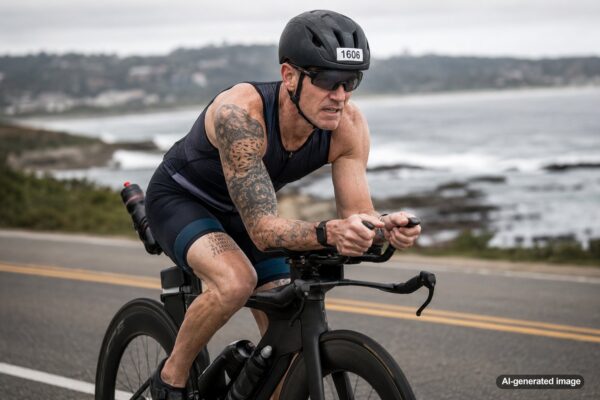
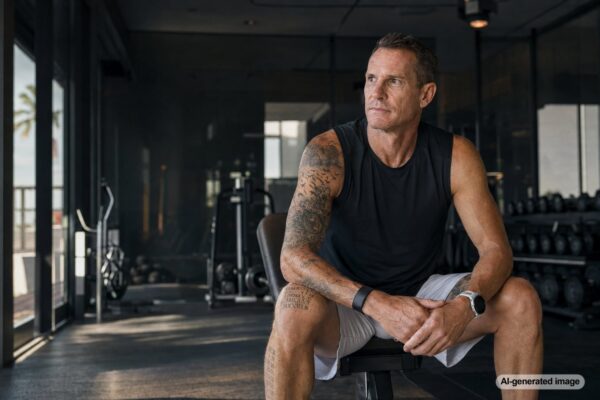
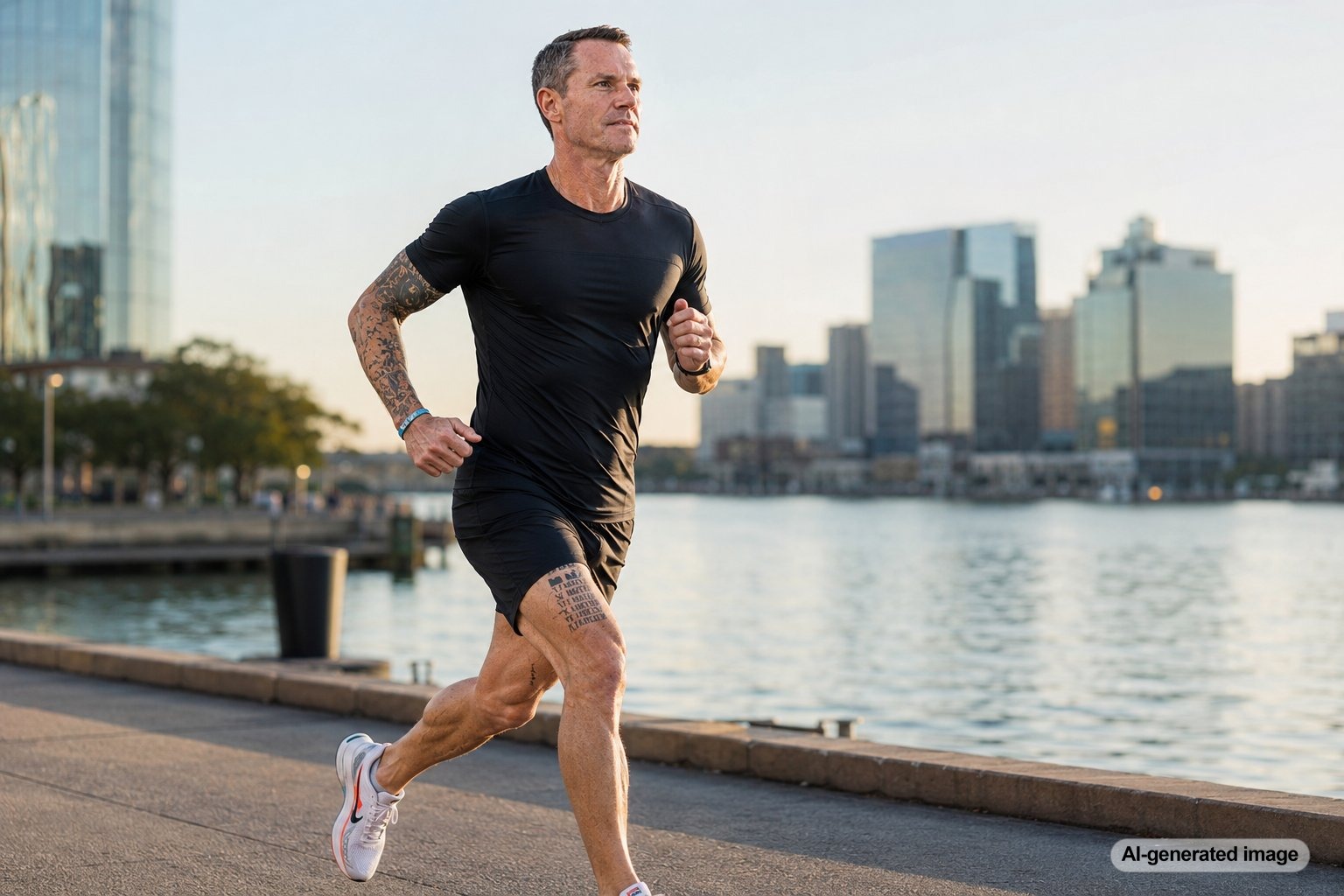
At the same time, there is a clear biological pattern behind many Parkinson’s symptoms: nerve cells in an area of the brain involved in movement become damaged or die, leading to a loss of dopamine. That helps explain tremor, stiffness, slowness, and movement changes, but it does not fully answer why the disease started in the first place. For people like Greg Schaefer, whose life also includes family, business leadership, endurance sports, advocacy, and a public mission of forward motion, that distinction matters. Parkinson’s is not a character flaw, a lack of discipline, or a simple story with one neat cause.
Quick answer
- There is no single known main cause of Parkinson’s for most people.
- The main brain change involves loss of dopamine-producing nerve cells in areas that help control movement.
- Genetics can play a role, especially in some younger-onset or family-linked cases, but most cases are not explained by one inherited gene.
- Environmental exposures, head injury, age, and other factors may contribute to risk, often in combination.
- A diagnosis should always be discussed with a qualified clinician, because symptoms and progression can vary widely.
The difference between the cause and the brain change
One reason this question is confusing is that people often use the word “cause” in two different ways. Sometimes they mean, “What is happening in the brain?” Other times they mean, “Why did this happen to this person?” Those are related questions, but they are not the same.
In Parkinson’s, many movement symptoms are connected to changes in a brain region that helps regulate movement. Nerve cells there produce dopamine, a chemical messenger involved in smooth, coordinated motion. When those cells are damaged or lost, dopamine levels fall, and movement can become slower, stiffer, shakier, or less automatic.
That explains an important part of the disease process. It does not always explain the original trigger. Two people can both have Parkinson’s and still have very different combinations of age, family history, exposures, symptom patterns, and life circumstances.
Why there is usually no single answer
For most people, Parkinson’s is described as idiopathic, meaning the exact cause is unknown. That can be frustrating, especially for someone newly diagnosed who wants a clear reason. People naturally replay their lives, looking for a specific exposure, injury, stress, job, location, or family pattern that might explain everything.
Science suggests a more layered picture. Genetics may increase vulnerability. Environmental exposures may add risk. Aging changes the brain’s resilience over time. Other biological processes, including inflammation, protein changes, and cellular stress, are also being studied. Instead of one switch flipping on, Parkinson’s may develop from a combination of pressures that accumulate differently in different people.
This is especially important for Young-Onset Parkinson’s. When symptoms begin earlier in life, the search for answers can feel even more intense because the diagnosis arrives during years often filled with career responsibility, parenting, marriage, ambition, and unfinished plans. Greg’s story reflects that reality without turning it into a simple slogan: a diagnosis can change the road, but it does not erase the person walking it.
The main risk factors researchers look at
Risk factors are not the same as causes. A risk factor may raise the likelihood of developing a condition, but it does not guarantee that someone will develop it. Likewise, a person can develop Parkinson’s without an obvious risk factor.
- Age: Parkinson’s becomes more common as people get older, although younger-onset cases do occur.
- Genetics: Some gene variations are linked with Parkinson’s risk, and some families have stronger inherited patterns. Still, many people with Parkinson’s do not have a clear family history.
- Environmental exposure: Researchers continue to study possible links with pesticides, solvents, metals, and other exposures. These links are complex and do not mean every exposure leads to disease.
- Head injury: Some research has examined traumatic brain injury as a possible risk factor, though individual risk depends on many details.
- Individual biology: Parkinson’s likely involves processes inside cells, including how proteins fold, how cells handle stress, and how the nervous system changes over time.
What people often miss about the question
Asking about the main cause of Parkinson’s can sometimes hide a deeper question: “Did I do something wrong?” For most people, the answer is no. Parkinson’s is not a punishment for poor choices, not proof that someone failed to train hard enough, and not something that can be explained away by willpower.
That matters in families, workplaces, and communities. People living with Parkinson’s may already be managing uncertainty, symptoms, medication schedules, energy changes, and emotional weight. They do not need blame layered on top of biology. They need good medical care, practical support, honest education, and a culture that sees the whole person.
Greg’s platform lives in that fuller view. He is a dad, husband, CEO, speaker, endurance athlete, and Parkinson’s advocate. Parkinson’s is part of his story, but it is not the entire story. The same should be true for anyone trying to understand this disease: learn the science, respect the complexity, and remember the human being behind the diagnosis.
What to do if you are worried about symptoms
If you or someone you love is noticing tremor, stiffness, slower movement, changes in walking, balance concerns, reduced arm swing, smaller handwriting, voice changes, or other neurological symptoms, the next step is not self-diagnosis. It is a conversation with a qualified healthcare professional, often beginning with a primary care clinician and, when appropriate, a neurologist or movement disorder specialist.
Because Parkinson’s can look different from person to person, evaluation matters. Some symptoms can overlap with other conditions, medication effects, injuries, or unrelated health issues. A clinician can help sort through the pattern, timeline, exam findings, and next steps.
FAQ
Is Parkinson’s mainly genetic?
Not usually. Genetics can be important, especially in some family-linked or younger-onset cases, but most Parkinson’s cases are not explained by one inherited gene alone.
Can environmental factors cause Parkinson’s?
Environmental factors may contribute to risk, and research has explored exposures such as certain pesticides, solvents, metals, and head injury. However, Parkinson’s usually cannot be traced to one exposure with certainty.
Is dopamine loss the cause of Parkinson’s?
Dopamine loss helps explain many movement symptoms, but it is better understood as a major disease-related brain change rather than the complete root cause. The reason those dopamine-producing cells become damaged is still being studied.
Does Young-Onset Parkinson’s have a different cause?
Young-Onset Parkinson’s may have a stronger genetic component in some cases, but it still varies widely. A movement disorder specialist can help discuss whether genetic counseling or testing is worth considering for a specific person.
Can lifestyle prevent Parkinson’s?
No lifestyle choice can promise prevention. Healthy movement, sleep, nutrition, social support, and medical care can still be valuable parts of overall well-being, but they should not be framed as guaranteed protection.
Interested in bringing Greg’s message to your event or organization?
Learn more about Greg’s speaking work or get in touch to start the conversation.
Contact Greg or learn more about the Forward Motion Fund.
This article is for educational purposes only and is not medical advice. For diagnosis, treatment, or personalized medical guidance, please speak with a qualified healthcare professional.