
How To Adapt Your Brand Narrative When Sudden Realities Change Your Whole Paradigm

A strong brand narrative is not a slogan you protect at all costs. It is the honest story that helps people understand who you are, what you stand for, and why your work matters now. When a sudden reality changes your whole paradigm, the goal is not to erase the old story. The goal is to tell the truth about what changed without losing the foundation that made the story credible in the first place.
For a leader, entrepreneur, athlete, speaker, or advocate, that can be difficult. A diagnosis, loss, career transition, business exit, family shift, public challenge, or unexpected season of uncertainty can make the old language feel too small. The next version of the story has to carry more weight. It has to be clear, human, and strong enough to hold both the before and the after.
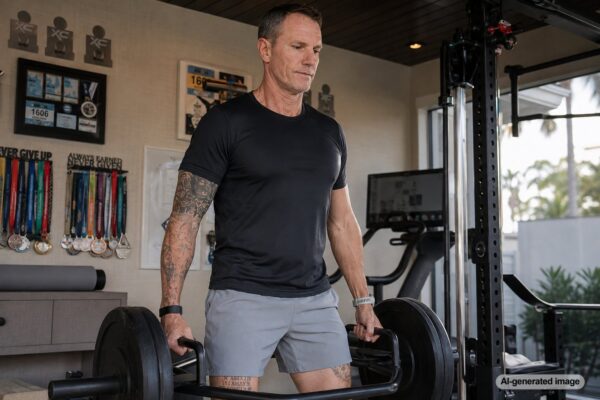
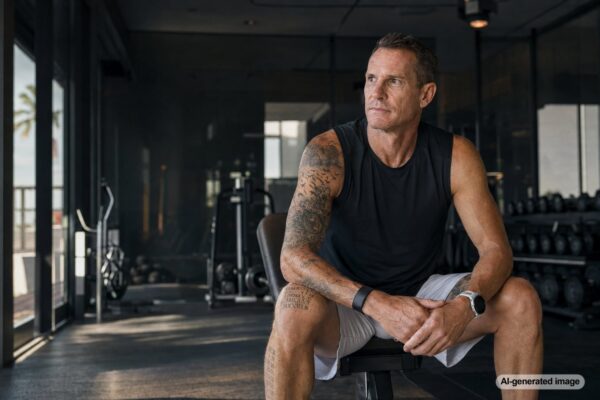
That kind of narrative work is central to the way Greg Schaefer shows up as a dad, husband, CEO, endurance athlete, speaker, and advocate. His story is not powerful because it fits into one simple category. It is powerful because the categories changed, and he kept moving forward with honesty and purpose.
Quick answer
- Start by naming what changed without letting the change define the whole story.
- Protect the core truths that were already true before the paradigm shifted.
- Update your language so it reflects reality, not performance or denial.
- Give people a clear bridge between the old narrative and the new mission.
- Let the new story create usefulness for others, not just visibility for yourself.
Why sudden change can make an old brand story feel incomplete
Most people build a brand narrative around identity, expertise, achievement, values, and momentum. That works until life introduces something that does not fit cleanly into the old frame. A business founder sells the company that once defined his professional identity. An athlete faces a physical reality that changes training, racing, and recovery. A public leader becomes associated with a personal experience he never planned to represent.
In those moments, the old story may not be false. It may simply be incomplete. The challenge is deciding what needs to evolve and what needs to remain anchored.
A weak response is to pretend nothing changed. Another weak response is to overcorrect and make the sudden reality the entire identity. A stronger response is to build a narrative that says, in effect: this changed the path, but it did not erase the person, the discipline, the values, or the mission.
Start with the permanent truths
Before rewriting any language, identify the truths that still hold. These are not taglines. They are the values, patterns, and lived commitments that existed before the sudden shift and still matter after it.
For Greg, those permanent truths include family, leadership, endurance, responsibility, discipline, service, and forward motion. Parkinson’s is part of his story, but it is not the whole story. Ironman racing is part of his story, but it is not the whole story. Speaking is part of his work, but it is rooted in a broader life of building, leading, adapting, and continuing.
That distinction matters for any brand narrative. When the new reality is intense, people may try to summarize you by the most dramatic thing that happened. Your job is to help them see the full human and professional context around it.
Name the change without over-explaining it
An adapted brand narrative should be honest, but it does not need to become a confession, a timeline, or a personal archive. The best language gives enough context for people to understand the stakes without forcing every detail into the public story.
For example, there is a difference between saying, “Everything fell apart,” and saying, “A sudden diagnosis changed the way I understood strength, leadership, and the next chapter of my life.” The second version is more useful. It gives shape to the change, but it does not turn the person into a spectacle.
Strong narrative language respects the audience and the person telling the story. It is specific enough to be real, restrained enough to feel grounded, and clear enough to help others understand why the mission has evolved.
Build a bridge between the old paradigm and the new one
A sudden reality can make people wonder whether the old story still applies. Did the leader stop leading? Did the athlete stop competing? Did the entrepreneur stop building? Did the mission replace the career, or did it grow from it?
The bridge is where your narrative becomes coherent. It explains how the past prepared you for the present and how the present reshaped the future.
For a business leader, the bridge might be decision-making under pressure. For an endurance athlete, it might be learning how to keep going when the plan changes. For a speaker, it might be turning lived experience into a message that serves teams, organizations, and communities. For a mission-driven advocate, it might be transforming a private challenge into public usefulness.
Without that bridge, a brand can feel fragmented. With it, the story becomes stronger because the new chapter feels earned rather than manufactured.
Update the language, not just the biography
Many people respond to a paradigm shift by adding one new sentence to their bio. That is usually not enough. If the core narrative has changed, the language across the brand may need to change too.
That includes the way the person is introduced on stage, the themes used in speaking materials, the way mission work is described, the tone of blog content, the social media voice, and the calls to action. The shift should be integrated, not bolted on.
For Greg’s brand, the phrase “One More Step… Just One More” works because it is not abstract motivation. It connects endurance, adversity, Parkinson’s, family, leadership, and mission into one clear idea. It does not ask people to pretend the road is easy. It asks them to keep moving in the next honest direction.
What people often miss when adapting a brand narrative
- They confuse vulnerability with oversharing. A powerful story can be open without revealing everything.
- They make the change too narrow. A diagnosis, loss, or transition may be central, but it should not flatten the whole person.
- They keep the old positioning too long. When the audience can sense the story has changed, outdated language creates distance.
- They rush to monetize the new reality. Mission and speaking opportunities should feel grounded in service, not opportunism.
- They forget the audience. A narrative is not only self-expression. It should help others understand, connect, learn, or act.
Let the new narrative serve someone besides you
The most meaningful brand narratives do not stop at personal reinvention. They create a doorway for other people. A leader’s story may help a team rethink resilience. An athlete’s story may help someone face uncertainty with more steadiness. An advocate’s story may help families, caregivers, or communities feel less alone. A speaker’s story may help an organization talk more honestly about pressure, identity, and purpose.
This is where personal brand becomes mission. The story still belongs to the person who lived it, but it becomes useful to people who are living their own version of change.
That is also why mission-aligned work should be woven in carefully. The Forward Motion Fund belongs in Greg’s broader narrative because it grows naturally from the decision to keep moving forward and help others do the same. It is not a side note. It is part of the next chapter’s purpose.
A practical framework for rewriting the narrative
When a sudden reality changes the paradigm, use this sequence before rewriting the public language:
- What was already true? Identify the values, history, skills, and relationships that remain central.
- What changed? Name the reality clearly and calmly.
- What did it reveal? Look for the deeper lesson, not just the event itself.
- What does the audience need to understand now? Decide what context creates clarity.
- What mission or usefulness comes from it? Connect the story to service, leadership, advocacy, or impact.
- What language no longer fits? Remove phrases that feel outdated, performative, or incomplete.
This framework keeps the narrative from becoming reactive. It allows the story to evolve with intention instead of urgency.
FAQ
Should a brand narrative change immediately after a major life event?
Not always. Some parts may need to change quickly for accuracy, while deeper positioning may take time. A thoughtful pause can prevent language that feels premature, raw, or overly polished.
How personal should a leader or speaker be in a brand story?
Personal enough to be real, but not so personal that the audience loses the larger point. The best stories create connection while still pointing toward leadership, service, mission, or practical insight.
Can a difficult reality become part of a brand without defining it?
Yes. The key is to place the difficult reality in context. It can shape the story, deepen the mission, and add credibility without becoming the only thing people remember.
What makes an adapted narrative feel authentic?
Authenticity comes from alignment. The language, actions, mission, and public presence should all point in the same direction. When the words sound stronger than the lived evidence, people can feel the gap.
The bottom line
Adapting your brand narrative after a sudden paradigm shift is not about polishing pain into a perfect message. It is about telling the truth with enough clarity, dignity, and purpose that the next chapter can stand on its own.
The strongest narratives do not deny what changed. They show what remained, what deepened, and what became possible because the person chose to keep moving forward.
Interested in bringing Greg’s message to your event or organization?
Learn more about Greg’s speaking work or get in touch to start the conversation.
Contact Greg or learn more about the Forward Motion Fund.
This article is for educational purposes only and is not medical advice. For diagnosis, treatment, or personalized medical guidance, please speak with a qualified healthcare professional.