How To Build A Fulfilling Life Separate From Your Medical Condition Summary
A medical condition can change your schedule, your energy, your plans, and the way other people respond to you. It does not have to become the complete definition of who you are. Building a fulfilling life separate from a diagnosis means protecting the parts of your identity that still belong to you while making honest room for the realities you cannot ignore.
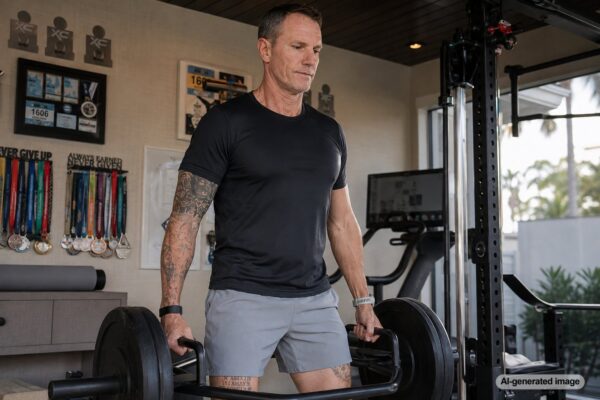
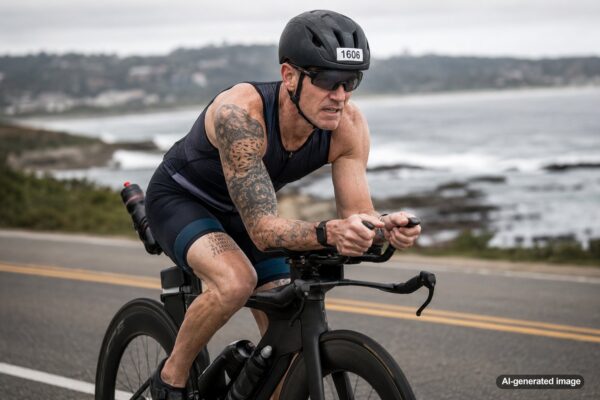
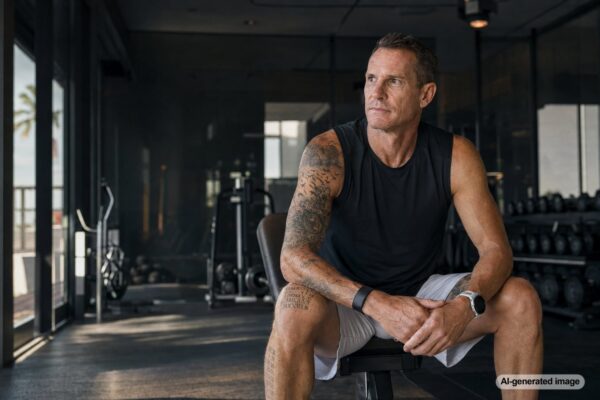
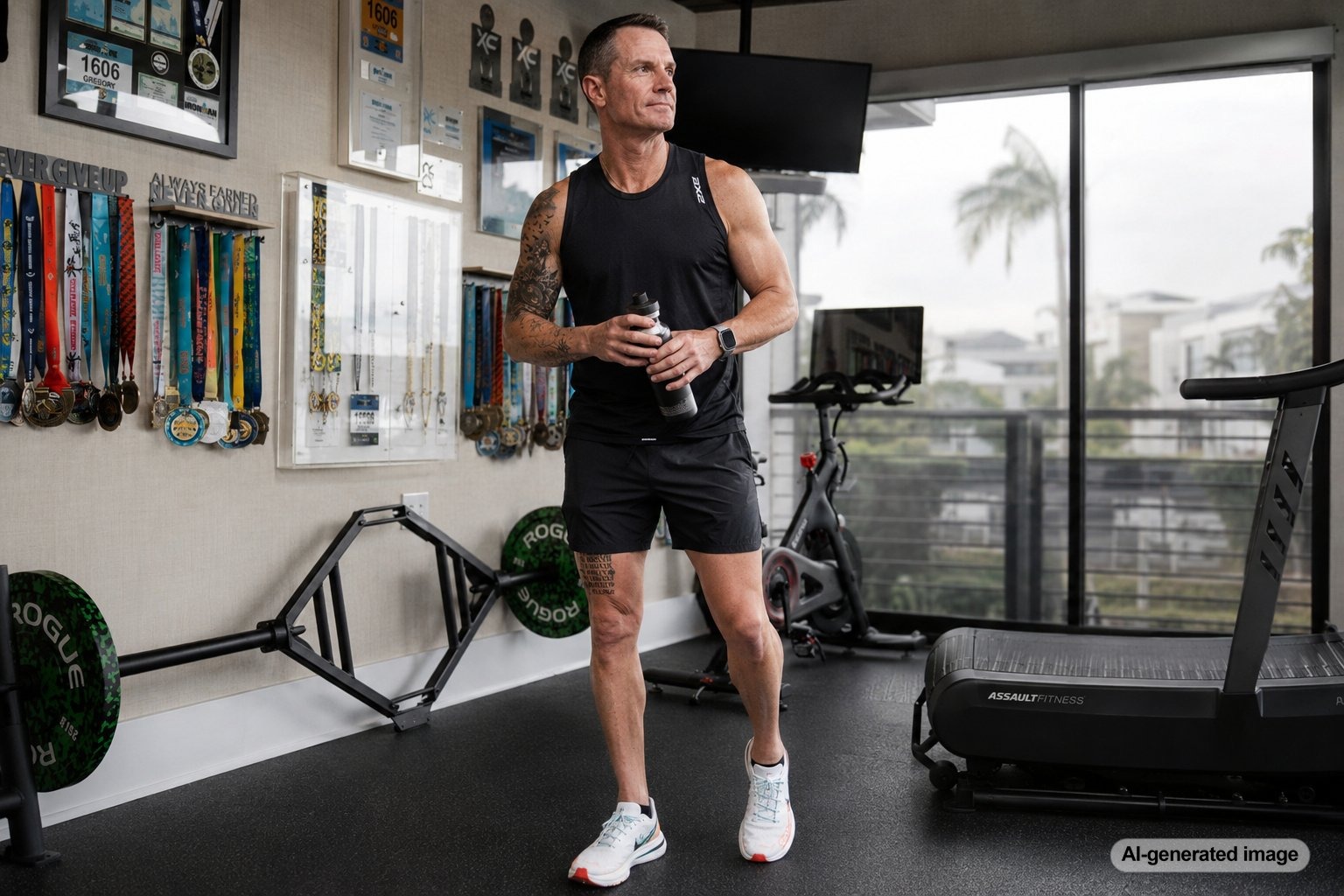
This is not about denying symptoms, forcing positivity, or pretending that life has not changed. It is about refusing to let one part of your experience occupy every room in your life. Greg Schaefer’s story reflects that broader identity: husband, father, entrepreneur, endurance athlete, speaker, advocate, and person living with Young-Onset Parkinson’s. You can learn more about the experiences that shaped his work on the About Greg page.
Quick answer
- Separate your identity from your diagnosis by naming the roles, values, and interests that still matter to you.
- Build routines around what remains possible instead of measuring every day against your old normal.
- Protect relationships that allow you to be a whole person, not only a patient or caregiver responsibility.
- Create goals that are meaningful, adjustable, and connected to something larger than symptom management.
- Accept support without surrendering your voice, choices, or sense of contribution.
Recognize the difference between your condition and your identity
A diagnosis describes something happening in your body or mind. It does not summarize your character, relationships, history, abilities, or future. Yet the distinction can become blurry, especially when appointments, medications, physical limitations, insurance decisions, and questions from other people begin consuming daily attention.
One practical exercise is to complete the sentence, “I am a person who…” without mentioning your condition. You might write that you are a parent who values presence, a friend who listens well, a professional who solves difficult problems, an athlete who respects discipline, or a neighbor who brings people together. These statements do not erase your condition. They restore proportion.
It also helps to notice how you introduce yourself internally. There is a meaningful difference between thinking, “I am my illness,” and thinking, “I am living with an illness.” The second description leaves room for the rest of your life.
Stop using your old life as the only standard
Many people become trapped in constant comparison with who they were before symptoms, diagnosis, treatment, or a major health change. That comparison may be understandable, but it can turn every adaptation into evidence of loss.
A more useful question is not, “Can I do everything exactly as I did before?” It is, “What does meaningful participation look like now?” An athlete may shorten a workout, change the event, add recovery time, or train with support. A business leader may delegate more deliberately. A parent may create quieter traditions that still offer real connection. The form can change while the value remains intact.
Adaptation is not the same as giving up. It is the work of preserving what matters under different conditions. Greg’s return to endurance racing after his diagnosis did not require pretending nothing had changed. It required meeting reality, adjusting, and continuing forward one step at a time.
Build your life around values, not only capabilities
Capabilities can fluctuate. Values tend to provide a steadier foundation. You may not control your energy on a particular morning, but you can still decide whether courage, generosity, curiosity, honesty, family, service, or discipline will guide your choices.
Consider choosing three values that you want your life to express during this season. Then translate each value into actions of different sizes. If connection matters, a large action might be organizing a family weekend, while a smaller action might be calling one friend. If contribution matters, you might mentor someone, volunteer occasionally, share useful experience, or support a cause. If growth matters, you might learn a skill in ten-minute sessions rather than waiting for perfect conditions.
This approach creates options. A difficult day may change the size of the action without eliminating the value behind it.
Create goals that can bend without breaking
Rigid goals often depend on predictable energy, mobility, concentration, or recovery. When health is variable, a goal that allows only one path can create unnecessary frustration. Flexible goals preserve direction while allowing the method to change.
For example, instead of defining success as completing a specific workout every day, you might establish three versions:
- Full version: the planned training session when energy and symptoms allow.
- Modified version: a shorter or lower-intensity session that maintains the habit.
- Minimum version: a brief walk, mobility practice, breathing exercise, or intentional recovery action.
The same principle applies outside athletics. A professional goal can include deep-work, administrative, and rest-oriented versions of a productive day. A social goal can range from attending an event to sending a thoughtful message. The purpose is not to lower every expectation. It is to avoid treating an imperfect day as a meaningless one.
Protect relationships where you are more than a patient
Medical conditions can quietly reshape relationships. Conversations may become dominated by symptoms, appointments, logistics, and concern. Loved ones may become protective. The person living with the condition may begin withholding feelings to avoid creating worry. Over time, both sides can lose access to the relationship they had before care became part of it.
Make space for conversations that have nothing to do with health. Ask about ideas, work, books, sports, family stories, plans, and ordinary frustrations. Keep shared rituals when possible, even if they need to be adapted. A weekly dinner, a morning coffee, a walk, or a favorite television show can preserve a sense of normal human connection.
It is also reasonable to communicate how you want support to look. Some people want help solving problems. Others want company, humor, privacy, or the chance to make decisions without immediate correction. Clear communication can reduce resentment and help loved ones support your independence rather than unintentionally replacing it.
Allow yourself to contribute
Receiving care can make a person feel as though the relationship has become one-directional. That feeling can be especially difficult for people who have built their identity around leadership, parenting, providing, coaching, or helping others.
Contribution, however, is not limited to physical output or financial provision. You can contribute judgment, encouragement, experience, perspective, attention, creativity, humor, or advocacy. You can make an introduction, help someone think through a decision, share a hard-earned lesson, or make another person feel less alone.
Purpose often becomes more visible when personal experience is connected to service. The Forward Motion Fund reflects that principle by connecting Greg’s continued movement with support for mission-aligned work involving Parkinson’s research, partners and caregivers, challenged athletes, and young people.
Choose environments that expand your sense of possibility
The people around you influence how large or small your world feels. Some environments treat a diagnosis as the most important fact about you. Others acknowledge reality while continuing to see your judgment, humor, ambition, and potential.
Look for communities where adaptation is normal and dignity is protected. This might include a thoughtful support group, an athletic community that welcomes modified participation, a professional network, a faith community, a volunteer organization, or a small circle of friends who understand when to help and when to step back.
Support should not require you to perform optimism. The strongest communities can hold frustration, uncertainty, progress, disappointment, and hope at the same time.
Make room for grief without giving it permanent control
Building a fulfilling life does not mean feeling grateful every day. A medical condition may involve real losses, including changes in independence, career plans, athletic ability, spontaneity, comfort, or confidence. Grief is not evidence that you are failing to adapt.
The goal is to give grief an honest place without allowing it to make every decision. You can acknowledge, “This is harder than I expected,” while also asking, “What still deserves my attention today?” Those two truths can exist together.
Some days will be about action. Others will be about recovery, processing, or accepting help. A meaningful life includes all of those days. Forward motion is not always dramatic. Sometimes it is making one phone call, asking one honest question, changing one plan, or taking one more step.
What people often miss
A fulfilling life beyond a medical condition is not built by ignoring the condition. It is built by placing it inside a larger life. Health management matters, but so do friendship, work, family, creativity, movement, service, humor, rest, and purpose. The objective is not to become the person you were before. It is to keep becoming a whole person now.
Practical ways to begin this week
- Write down five roles or qualities that describe you without mentioning your condition.
- Plan one activity that is meaningful rather than medically necessary.
- Reconnect with someone who helps you feel like yourself.
- Choose one flexible goal with full, modified, and minimum versions.
- Ask for one specific form of support while retaining ownership of the decision.
- Identify one way your experience could help another person.
- Protect a short period of time when health is not the main topic of conversation.
Frequently asked questions
Is it wrong to think about my condition often?
No. A new diagnosis, changing symptoms, or complicated treatment schedule may naturally occupy significant mental space. The aim is not to suppress those thoughts. It is to keep making room for other parts of your identity and life.
How can I set goals when my health is unpredictable?
Set goals around direction and values, then create multiple ways to follow through. Flexible goals can account for different levels of energy or ability while preserving a sense of agency and progress.
What if friends or family only talk to me about my health?
You can redirect the pattern respectfully. Tell them that you appreciate their concern and would also like to talk about work, family, sports, ideas, or shared interests. Giving people specific guidance often helps them relate to you more naturally.
Does accepting help mean losing independence?
Not necessarily. Strategic support can protect independence by helping you conserve energy, reduce avoidable risk, and continue participating in decisions and activities that matter. The key is maintaining your voice in how support is offered.
When should I seek additional emotional support?
Consider speaking with a qualified professional when distress feels persistent, daily functioning becomes difficult, relationships are suffering, or you feel unable to move through grief or uncertainty on your own. Seeking support is a practical response to a difficult experience, not a personal failure.
Interested in bringing Greg’s message to your event or organization?
Learn more about Greg’s speaking work or get in touch to start the conversation.
Contact Greg or learn more about the Forward Motion Fund.
This article is for educational purposes only and is not medical advice. For diagnosis, treatment, or personalized medical guidance, please speak with a qualified healthcare professional.