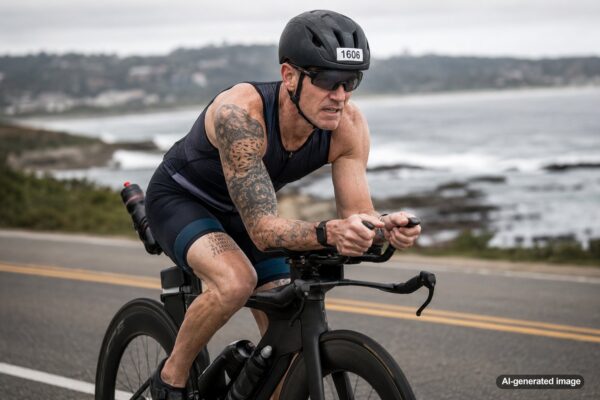

Building Lasting Memories Through Shared Athletic Challenges

The finish line matters, but it is rarely the part people remember most. Years later, the lasting memories often come from the early alarms, the nervous laughter, the wrong turns, the difficult miles, and the moment someone decided not to leave another person behind.
Shared athletic challenges give families, friends, coworkers, and teammates a reason to practice commitment together. Whether the goal is a charity walk, a local bike ride, a relay race, a mountain hike, or a first triathlon, the experience can become more than exercise. It can become a story people carry forward. That intersection of endurance, family, leadership, and purpose is central to Greg Schaefer’s journey.
What makes a shared athletic challenge memorable?
- A clear goal gives the group a common direction.
- Training creates repeated opportunities to spend meaningful time together.
- Difficulty reveals patience, encouragement, humor, and character.
- Different abilities encourage cooperation instead of individual comparison.
- A thoughtful finish ritual helps preserve the story after the event ends.
The memory begins long before the event
People often treat race day, summit day, or competition day as the main experience. In reality, the memory starts when the group chooses the challenge. That first conversation creates anticipation and gives everyone something specific to work toward.
The training period then becomes a collection of smaller moments. A parent and child may take evening walks together. Friends might meet for weekend rides. Coworkers may exchange progress updates after difficult sessions. These ordinary repetitions build familiarity and trust in a way that a single celebration rarely can.
The best shared goals also give people permission to talk while doing something. Side-by-side movement can make conversation feel more natural. Some sessions will be serious. Others will be filled with jokes, complaints about the weather, or debates over where to eat afterward. All of it becomes part of the experience.
Choose a challenge that creates connection, not comparison
A shared athletic challenge does not need to be extreme. It needs to be meaningful and appropriately demanding for the people involved. The right goal stretches the group without turning every session into a contest.
Consider the difference between these scenarios:
- A family charity walk: The goal may be completing the distance together while supporting a cause that matters personally.
- A friend-group relay: Each person contributes a different segment, making individual effort part of a collective result.
- A workplace cycling event: The challenge can strengthen communication and reveal how teammates respond when plans change.
- A parent-child hike: The pace can be adjusted so the experience rewards curiosity, preparation, and perseverance.
- A first endurance event: Experienced athletes can support newer participants without making speed the measure of success.
When abilities vary, define success before training begins. The goal might be to start together, finish together, complete every scheduled training week, raise awareness for a cause, or help each participant reach a personal milestone. A clear definition prevents the strongest athlete from unintentionally controlling the entire experience.
Shared difficulty creates stories that easy days cannot
The moments that become family or team stories are often the moments that did not go according to plan. Rain arrives. Someone gets tired earlier than expected. A route proves harder than it looked on a map. Equipment fails. Motivation disappears halfway through a training session.
These disruptions create opportunities to practice qualities that matter beyond sports:
- Patience: Adjusting the pace without making someone feel like a burden.
- Leadership: Recognizing when the group needs direction and when it needs encouragement.
- Humility: Accepting help when another person is stronger that day.
- Adaptability: Changing the route, schedule, or goal without abandoning the purpose.
- Presence: Noticing the people and surroundings instead of obsessing over the final result.
Difficulty does not automatically create connection. The group has to respond well. A hard day filled with criticism may become a memory for the wrong reason. A hard day handled with humor, honesty, and mutual support can become a reference point for years.
Let every person contribute something meaningful
Shared challenges become more memorable when each participant has a role. Contribution should not depend only on speed, strength, or experience.
One person might plan the route. Another might manage food and hydration. Someone else may organize transportation, document the training, create the playlist, or keep the group connected between sessions. Younger participants can help select checkpoints or design a post-event celebration.
This approach matters because belonging grows through contribution. When everyone has ownership, the challenge becomes something the group built together rather than an event arranged by the most experienced athlete.
Protect the relationship during training
A shared goal can strengthen a relationship, but it can also expose differences in communication, expectations, and motivation. One person may love detailed plans while another prefers flexibility. One may become quiet when tired while another talks constantly. A competitive participant may push harder than the rest of the group wants.
Simple agreements can prevent avoidable tension:
- Decide whether training sessions are social, performance-focused, or a mix of both.
- Agree on how the group will handle pace differences.
- Make it acceptable to shorten or skip a session when circumstances change.
- Avoid coaching another adult unless that person has asked for guidance.
- Discuss concerns after the session, not during the hardest moment.
The goal is not to eliminate discomfort. Athletic challenges include discomfort by design. The goal is to prevent physical difficulty from turning into disrespect, resentment, or unnecessary pressure.
Connect the challenge to a larger purpose
A goal can become more meaningful when it serves something beyond personal achievement. The group might participate in honor of someone, support a community organization, raise awareness, or use the event to begin an annual tradition.
Purpose changes the questions people ask during difficult moments. Instead of focusing only on pace or placement, they may remember who inspired the effort and why completing the next mile matters.
Greg’s own platform reflects this connection between endurance and service. The Forward Motion Fund grew from the belief that moving forward can support research, caregivers, challenged athletes, and young people. A shared challenge does not need a formal fundraising component, but connecting effort with service can give the experience greater depth.
Create a finish that honors the full experience
Do not let the challenge disappear as soon as the medals are handed out or the group returns home. Build a simple ritual that helps everyone recognize what happened.
You might share a meal, print a favorite photo, write down one lesson from each participant, save the route map, or ask everyone to name the moment they almost stopped and what helped them continue. These practices turn a completed event into a preserved family or team story.
It is also worth celebrating contributions that are easy to overlook. Recognize the person who kept the group laughing, the participant who trained consistently despite a demanding schedule, the friend who adjusted the pace, and the family member who supported the effort from behind the scenes.
The bottom line
The most valuable athletic memories are not always created by the longest distance or fastest result. They are created when people commit to something difficult, make room for different abilities, support one another honestly, and remain present enough to notice the journey.
A shared challenge gives people a structure for spending time together. What makes it lasting is the way they choose to treat one another along the way.
Frequently asked questions
Does a shared athletic challenge need to involve a race?
No. A hiking goal, cycling route, month-long walking challenge, swim milestone, fitness class series, or backyard obstacle course can be meaningful. The challenge needs a clear goal and shared commitment, not an official starting line.
How do you include people with different fitness levels?
Choose a format that allows flexible distances, relay segments, pace groups, or different responsibilities. Define success around participation and mutual support rather than requiring everyone to perform at the same level.
What is a good first challenge for a family?
A local charity walk, beginner-friendly hike, family bike ride, or short obstacle event can work well. Select an activity with manageable logistics, enough preparation to feel meaningful, and room to adjust for age and ability.
How can coworkers benefit from a shared athletic goal?
Training together can reveal communication styles, encourage accountability, and create relationships outside normal workplace roles. Participation should remain voluntary, accessible, and focused on connection rather than pressure.
What should the group do if someone wants to quit?
Start by listening. The person may need encouragement, a slower pace, a revised goal, or permission to stop. Supporting someone does not always mean pushing them to continue. Good judgment and respect matter more than completing the original plan.
Interested in bringing Greg’s message to your event or organization?
Learn more about Greg’s speaking work or get in touch to start the conversation.
Contact Greg or learn more about the Forward Motion Fund.
This article is for educational purposes only and is not medical advice. For diagnosis, treatment, or personalized medical guidance, please speak with a qualified healthcare professional.