How Guest Lecturers Helping Combat Workforce Burnout Improve Employee Retention
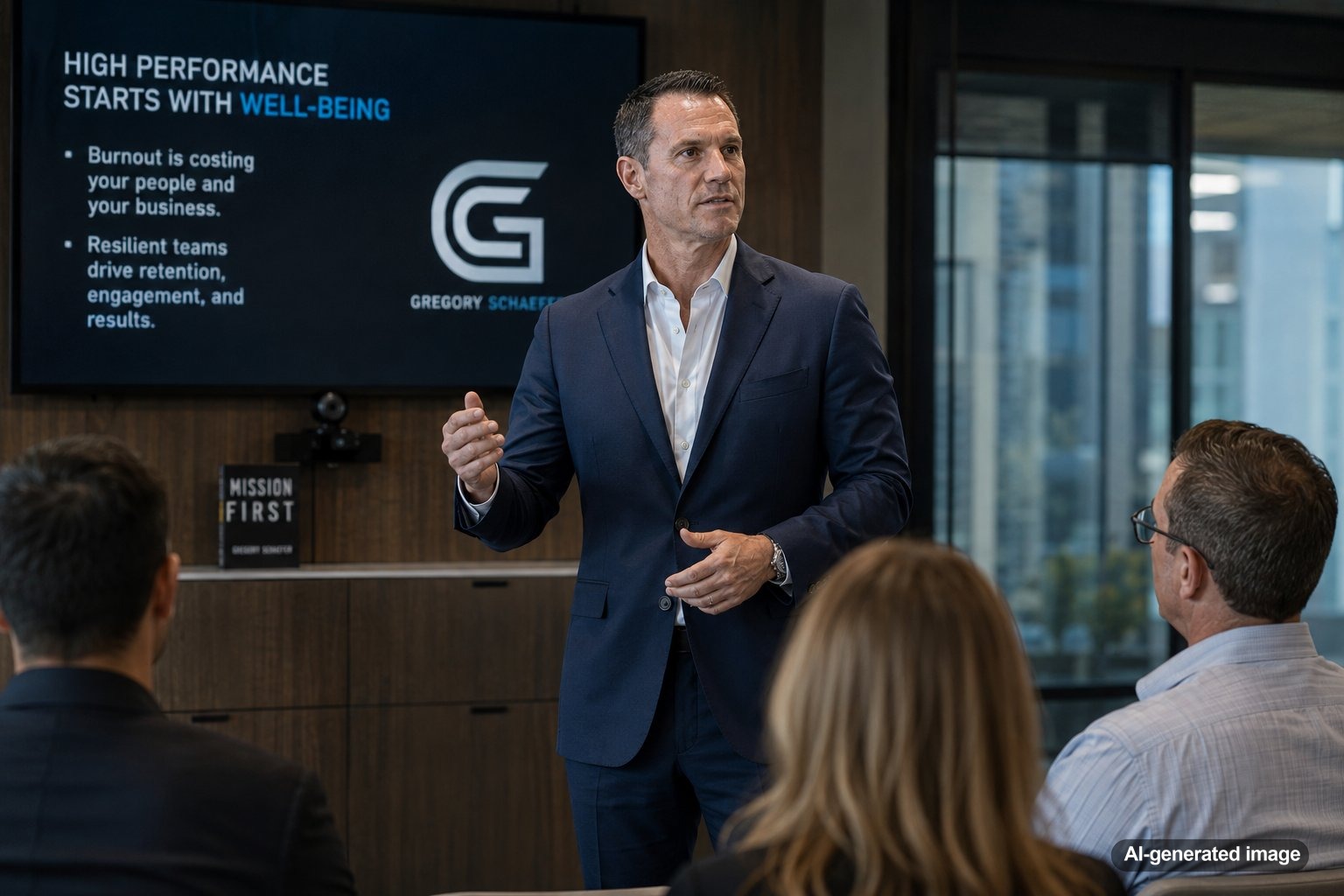
Workforce burnout rarely begins with one dramatic event. It often develops through months of sustained pressure, unclear priorities, emotional fatigue, and the sense that every week looks exactly like the last. Compensation and benefits matter, but employees also need perspective, connection, and evidence that their organization recognizes the human cost of demanding work.
Guest lecturers can help create that interruption. A credible outside speaker brings fresh language, lived experience, and practical ideas that employees may hear differently than another internal announcement. When the session is thoughtfully chosen and supported by leadership, it can strengthen engagement, encourage healthier conversations, and contribute to an environment where people are more willing to stay.
Quick answer
- Guest lecturers can give employees a productive pause from routine pressure.
- An outside perspective may make difficult topics such as exhaustion, resilience, and workload easier to discuss.
- Shared learning experiences can strengthen connection across teams and leadership levels.
- The strongest programs pair an inspiring session with practical follow-through.
- Speakers support retention best when they reinforce meaningful organizational change rather than replace it.
Why burnout creates a retention problem
Burnout affects more than energy. It can change how employees interpret everyday workplace experiences. A delayed response feels like disregard. A difficult project feels endless. A small conflict becomes evidence that the culture is broken. Even capable, committed people may begin questioning whether remaining in the organization is worth the personal cost.
Employees are especially vulnerable when high expectations are paired with limited control, little recognition, conflicting priorities, or insufficient recovery time. They may continue delivering strong work while quietly disengaging, updating their resumes, or deciding that another employer could offer a healthier future.
Retention efforts often arrive too late because organizations focus on visible turnover rather than the conditions that precede it. A guest lecturer cannot correct understaffing or poor management, but a well-designed session can help leaders and employees recognize those conditions sooner. It can also open a more honest conversation about what sustainable performance should look like.
How guest lecturers can interrupt the burnout cycle
Internal communication carries history. Employees may associate familiar messages with previous initiatives that faded, policies that were never enforced, or leaders who did not model the behavior they encouraged. An outside lecturer enters without that baggage.
This does not make an external speaker automatically more trustworthy. Credibility still has to be earned. The lecturer should understand the realities of demanding workplaces and avoid offering shallow advice such as simply thinking positively, working harder, or practicing better time management.
The most effective speakers give people a new framework for interpreting pressure. They may distinguish resilience from constant endurance, explain why recovery supports performance, or show how identity can become too closely tied to productivity. These ideas help employees name experiences they have felt but may not have been able to articulate.
Organizations considering this approach can learn more about Greg’s speaking work and how lived experience can be translated into practical lessons for teams.
They create a shared language across the organization
One overlooked benefit of a guest lecture is the vocabulary it gives people. A memorable phrase, model, or story can become a reference point long after the event ends.
For example, a speaker might help a team separate productive challenge from unsustainable strain. Afterward, a manager can ask whether a deadline represents a short-term push or a recurring operating problem. Employees can discuss whether they need greater clarity, additional resources, or simply a realistic recovery period.
Shared language reduces the pressure to explain every concern from scratch. It also makes burnout less likely to be treated as an individual weakness. The conversation shifts from, “Why can this person not handle the job?” to, “What conditions are making strong performance difficult to sustain?”
They can reconnect employees with meaning
Burnout is not always caused by a lack of purpose, but a loss of connection to purpose can make exhaustion feel heavier. Employees may understand what they are doing without remembering why it matters. They may also feel that the organization’s stated mission has little connection to daily decisions.
A strong guest lecturer can help employees examine purpose without turning the session into a slogan. Stories drawn from leadership, entrepreneurship, athletics, family, or adversity can show how people continue moving forward while acknowledging difficulty honestly.
Greg Schaefer’s perspective, for example, is shaped by the intersection of business leadership, endurance sports, family, Parkinson’s advocacy, and the discipline of taking one more step. That combination can resonate with employees who are tired of generic motivation but still want a meaningful reason to remain engaged.
Purpose becomes useful when it connects to behavior. Employees should leave with clearer questions: Which responsibilities deserve my best energy? Where am I operating from habit rather than intention? What support would help me contribute without sacrificing my health or identity?
They strengthen connection through a shared experience
Burnout can be isolating. People often assume they are the only ones struggling, especially in cultures that reward composure and constant availability. A well-facilitated lecture can remind employees that many of their challenges are shared.
The value is not limited to the hour on stage. Teams may discuss the session afterward, compare takeaways, or recognize experiences they had not previously voiced. Employees from different departments can discover that they are navigating similar pressures even when their daily work looks different.
Leaders also gain a chance to listen. When executives participate rather than appearing briefly for introductions, they signal that workforce well-being is not an issue delegated solely to human resources. Their presence can make the conversation feel more legitimate and less like a temporary wellness campaign.
They demonstrate that the organization is willing to invest in people
Employees notice where an organization spends its attention. Bringing in a thoughtful lecturer can communicate that development includes more than technical training and productivity tools. It recognizes employees as people managing ambition, stress, family responsibilities, uncertainty, and change.
That signal matters, but only when the event reflects genuine care. A speaker session scheduled during lunch without protected time, followed by an immediate return to unrealistic demands, may create cynicism instead of trust. Employees will compare the message on stage with the reality of their workload.
The investment becomes more credible when leaders explain why the speaker was selected, create time for participation, invite honest feedback, and identify concrete actions that will follow.
What separates a useful burnout lecture from a forgettable one
Not every inspirational presentation improves retention. A compelling story may generate applause without changing how employees feel the following week. Organizations should evaluate potential speakers based on relevance, credibility, and practical value.
- Lived credibility: The speaker should understand sustained pressure through real experience, not borrowed talking points.
- Emotional intelligence: The presentation should acknowledge that people respond to adversity differently.
- Practical application: Employees should leave with ideas they can use in decisions, conversations, or routines.
- Respect for complexity: The speaker should not imply that individual mindset can solve structural problems.
- Audience alignment: The examples should fit the organization’s culture, responsibilities, and current challenges.
Organizations can also review speaker testimonials to understand how a message has been received by previous audiences.
How to turn one lecture into a retention-supporting initiative
The event itself should be treated as a starting point, not the entire strategy. The strongest retention impact comes from what happens before and after the presentation.
Ask employees what pressure looks like now
Use surveys, listening sessions, manager conversations, or anonymous feedback to identify the real sources of strain. Employees may be dealing with workload, unclear advancement, constant change, poor communication, or a lack of recognition. The lecturer’s theme should connect to those realities.
Prepare managers to continue the conversation
Managers influence whether employees feel supported after the initial event. Give them discussion questions, reflection prompts, and clear guidance about how to respond when employees raise concerns. A manager should not invite honesty and then become defensive when the feedback is uncomfortable.
Select one or two visible follow-through actions
After the lecture, leadership might clarify priorities, revise meeting expectations, introduce protected focus time, improve workload reviews, or create a more reliable recognition process. The action does not need to solve every problem, but it should show that employee feedback has consequences.
Revisit the message
Useful ideas fade when they are never mentioned again. Include key concepts in leadership meetings, onboarding, team check-ins, or professional development. Repetition helps turn a memorable moment into a shared operating principle.
What leaders should not expect a guest lecturer to fix
A speaker cannot compensate for chronic understaffing, abusive management, unclear compensation practices, unsafe working conditions, or a culture that punishes reasonable boundaries. Using inspiration to avoid structural change can deepen employee frustration.
Leaders should view the lecture as one part of a broader retention approach that includes fair expectations, capable managers, meaningful recognition, professional growth, psychological safety, and respect for time outside work.
The event can create momentum, but leadership behavior determines whether that momentum becomes trust.
The bottom line
Guest lecturers help combat workforce burnout when they offer credible perspective, give employees useful language, and create a shared experience that leaders support with action. Their value is not simply that they inspire people for an hour. Their value is that they can help an organization start a more honest conversation about sustainable performance, resilience, and what makes talented people willing to stay.
Frequently asked questions
Can a motivational speaker really improve employee retention?
A speaker alone is unlikely to determine whether employees stay. However, a relevant and credible lecture can improve connection, encourage reflection, and support a broader retention strategy. Its influence is strongest when leaders follow the event with practical changes.
What topics are most helpful for burned-out teams?
Useful topics may include sustainable performance, resilience without denial, leading through uncertainty, identity beyond productivity, recovery, purpose, communication, and responding constructively to adversity.
Should senior leaders attend the lecture?
Yes. Visible participation from senior leaders shows that the subject matters across the organization. Leaders should listen alongside employees and avoid treating the session as a program only for people who are struggling.
How can a company measure whether the event helped?
Organizations can compare employee feedback before and after the event, review participation in follow-up discussions, monitor themes in engagement surveys, and track whether managers complete promised actions. Retention is influenced by many factors, so the lecture should be evaluated as one part of a larger effort.
How often should organizations bring in guest lecturers?
Frequency depends on the organization’s needs and capacity for follow-through. One meaningful event with sustained discussion may be more valuable than frequent presentations that are disconnected from workplace realities.
Interested in bringing Greg’s message to your event or organization?
Learn more about Greg’s speaking work or get in touch to start the conversation.
Contact Greg or learn more about the Forward Motion Fund.
This article is for educational purposes only and is not medical advice. For diagnosis, treatment, or personalized medical guidance, please speak with a qualified healthcare professional.