
Why Drinking More Water Does Not Always Fix Dehydration

When dehydration hits, the obvious response is often simple: drink more water. Sometimes that is exactly what the body needs. But hydration is not just a question of how much water goes in. It is a balance involving fluid intake, fluid losses, electrolytes, environmental conditions, activity level, and the body’s ability to regulate all of them. In certain situations, continuing to pour in plain water without understanding what has been lost may fail to solve the problem and, in extreme circumstances, can create a different imbalance.
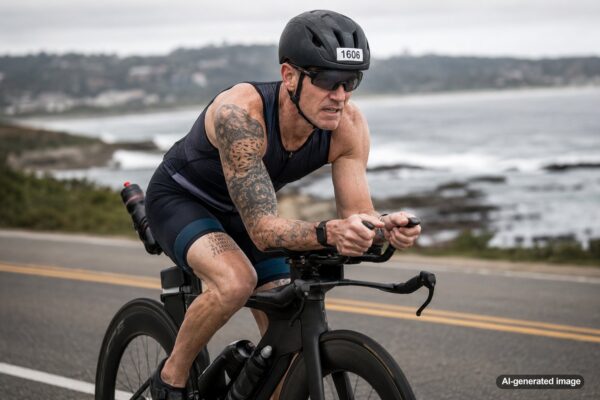
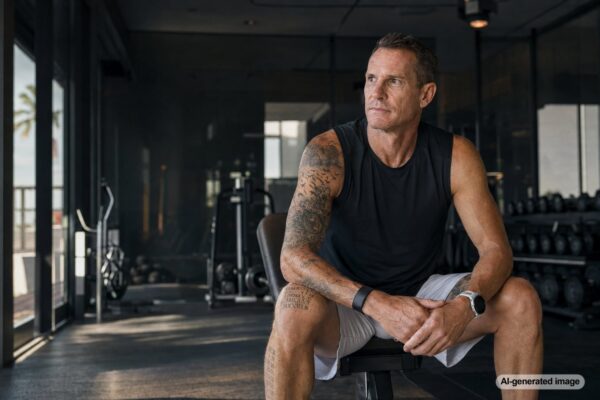
For athletes, busy professionals, travelers, people training in the heat, and anyone managing a demanding physical routine, that distinction matters. Greg’s experience as an endurance athlete is a reminder that sustainable performance rarely comes from doing more of something without paying attention to what the body is actually asking for. The same principle applies to hydration: more is not automatically better. Understanding balance is more useful than chasing a number. You can learn more about Greg’s broader approach to endurance, adversity, and forward motion on his About page.
Quick answer: Why might more water not fix dehydration?
- You may be losing more than water. Sweat, vomiting, diarrhea, and other fluid losses can involve electrolytes as well as fluid.
- Your losses may still be continuing. Heat, prolonged exercise, fever, illness, or heavy sweating can make it difficult to catch up simply by drinking more.
- Too much plain water can create problems of its own. Excessive fluid intake relative to the body’s needs can dilute sodium in the blood.
- Hydration needs are individual. Body size, activity, climate, diet, health conditions, and medications can all affect fluid balance.
- Persistent symptoms deserve attention. If hydration problems continue despite drinking fluids, a healthcare professional can help evaluate what is happening.
Hydration is about balance, not just water
The word dehydration often makes us picture an empty water bottle. Physiologically, however, the situation can be more complicated. Dehydration develops when fluid losses exceed fluid intake, and those losses may occur through sweat, urine, breathing, vomiting, diarrhea, or other routes. Water is central to correcting many cases, but the body also depends on electrolytes and tightly regulated concentrations of substances such as sodium and potassium to support normal function.
This helps explain why two people can drink similar amounts of water and have very different hydration experiences. Someone sitting in an air-conditioned office has different demands than someone exercising for hours outdoors. An athlete finishing a long endurance session may have lost substantial fluid through sweat, while someone dealing with gastrointestinal illness may be losing fluid through an entirely different mechanism. The appropriate response depends on the situation.
Water does not automatically replace everything you lose
Sweat is not pure water. When you sweat, the body loses fluid along with electrolytes, including sodium. How much an individual loses can vary substantially. Duration, intensity, temperature, clothing, acclimatization, and individual sweat characteristics can all influence the picture.
That does not mean everyone who sweats needs to start aggressively consuming salt or electrolyte products. It means that prolonged or substantial fluid loss can be more complicated than simply replacing ounces of water. For everyday activity, regular meals and fluids may be enough for many people. During unusually long, hot, or demanding efforts, hydration strategy deserves more thought.
This distinction becomes especially relevant in endurance sports. The goal is not to consume the maximum possible amount of fluid. It is to avoid both significant dehydration and excessive fluid intake. Medical literature on exercise-associated hyponatremia describes how drinking fluid substantially beyond losses can lower blood sodium concentration, particularly during prolonged physical activity.
More water can sometimes become too much water
There is a natural tendency to assume that if some water is good, more water must be better. The body does not work that way. It regulates water and electrolytes within ranges, and excessive intake can overwhelm that balance in certain circumstances.
One example is exercise-associated hyponatremia, a condition in which blood sodium becomes abnormally low during or shortly after physical activity. Excessive consumption of hypotonic fluids, including plain water, is a recognized contributor. This is one reason endurance athletes should not treat hydration as a contest to see who can drink the most.
The practical lesson is not to fear water. Water is essential. The lesson is to stop equating hydration with unlimited water consumption. A thoughtful approach pays attention to conditions, duration, losses, thirst, food intake, and how the body is responding.
Ongoing losses can make it feel like water is not working
Imagine trying to fill a bucket while water is still pouring out through a hole. That is what can happen when fluid losses are continuing. Someone exercising in significant heat may drink repeatedly but continue sweating heavily. A person experiencing vomiting or diarrhea may replace some fluid while simultaneously losing more. In those situations, the problem is not necessarily that water has somehow stopped hydrating the body. The rate and type of loss may simply be outpacing replacement.
Context matters here. A glass of water after an ordinary walk is very different from fluid replacement after several hours of endurance exercise. Likewise, a healthy adult who forgot to drink during a busy afternoon is in a different situation from someone who cannot keep fluids down because of illness.
What people often miss about dehydration
Feeling thirsty is only one clue. Hydration status cannot always be reduced to a single sensation or a universal daily water target.
Food contributes to hydration too. A normal eating pattern provides fluid as well as electrolytes and other nutrients, so hydration does not happen independently of nutrition.
The environment changes the equation. Heat, humidity, altitude, and prolonged exertion can alter fluid needs.
The cause matters. Repeated dehydration despite adequate drinking may warrant evaluation instead of simply increasing water intake again and again.
Endurance training makes the difference easier to see
Endurance sports are useful laboratories for understanding hydration because the inputs and outputs become difficult to ignore. Long events expose athletes to changing temperatures, sweat losses, nutrition demands, pacing decisions, and hours of continuous movement. A hydration plan that works during a short training session may not make sense late in a long race.
Greg Schaefer knows that world through decades of endurance competition and 20 Ironman finishes. The larger lesson extends well beyond racing: effective preparation requires attention, adjustment, and respect for feedback. Charging forward without noticing changing conditions is rarely a strong strategy in athletics, leadership, or life.
That mindset is also part of Greg’s speaking work, where endurance, business leadership, adversity, family, and resilience come together around a practical idea: forward motion is built one step at a time, not by ignoring what the situation requires.
Hydration can be more complicated for some people
Age, health conditions, medications, swallowing difficulties, mobility limitations, and other individual factors may change how someone approaches hydration. For people living with Parkinson’s, nutrition and hydration can also sit within a larger picture that may include medication timing, constipation, swallowing issues, appetite, mobility, and other day-to-day considerations. The Parkinson’s Foundation recommends working with healthcare professionals to tailor nutrition and related strategies to individual needs.
This is an important place to avoid one-size-fits-all advice. A strategy that works beautifully for a healthy endurance athlete may be inappropriate for someone with a medical condition affecting fluid regulation or for a person taking medications that influence blood pressure, kidney function, or electrolyte balance. Personalized medical guidance matters when health conditions enter the equation.
Practical ways to think about hydration
Rather than obsessing over a single universal amount of water, think about hydration as an ongoing conversation with your environment, activity level, food intake, and body. On an ordinary day, drinking regularly and eating a balanced diet may be sufficient for many people. During prolonged activity or unusually hot conditions, fluid losses can increase and the strategy may need to change.
If you regularly exercise for long periods, it can also be useful to become familiar with your own patterns. Notice how conditions affect your thirst, sweating, energy, recovery, and fluid needs. Avoid assuming that what another athlete drinks is automatically right for you. The same workout can produce different fluid losses in different people.
Most importantly, do not treat persistent symptoms as a challenge to simply drink harder. If you continue to feel unwell despite reasonable fluid intake, or if dehydration follows significant illness or prolonged fluid loss, medical evaluation may be appropriate.
When should you seek medical support?
Mild thirst after an active day is one thing. Severe or persistent symptoms are another. Confusion, fainting, significant weakness, inability to keep fluids down, or symptoms that are worsening rather than improving deserve prompt medical attention. Dehydration can range from mild fluid loss to a clinically significant problem, and evaluation may involve the overall clinical picture as well as measurements such as electrolytes and kidney function.
Likewise, feeling ill after consuming very large quantities of water, especially during prolonged exercise, should not automatically be treated by drinking even more. Low blood sodium can produce serious symptoms and requires appropriate medical evaluation.
Frequently asked questions
Can you still be dehydrated after drinking a lot of water?
Yes, depending on the circumstances. If fluid losses are continuing, if substantial losses have already occurred, or if illness or another medical factor is involved, drinking water may not immediately restore normal fluid balance. Persistent symptoms should be discussed with a qualified healthcare professional.
Do electrolytes always need to be added to water?
No. Many people can meet ordinary hydration and electrolyte needs through regular fluids and a balanced diet. Electrolyte replacement may become more relevant in certain situations involving prolonged exercise or significant fluid loss, but individual needs vary. People with medical conditions or medication-related concerns should seek personalized guidance rather than automatically increasing electrolyte intake.
Can drinking too much water be dangerous?
Yes. Although uncommon in ordinary circumstances, excessive water consumption can dilute blood sodium and contribute to hyponatremia. This has particular relevance in prolonged endurance activity when people drink beyond their fluid losses.
Is thirst a reliable hydration guide?
Thirst is a useful body signal, but hydration needs are influenced by many factors. Exercise duration, heat, illness, age, health conditions, and other circumstances can make hydration more complex. Rather than relying on a rigid universal rule, consider thirst alongside the broader context and seek professional guidance when appropriate.
Why does hydration matter for endurance athletes?
Long-duration exercise can involve substantial changes in fluid balance through sweating and continued exertion. Athletes need to avoid both significant dehydration and excessive fluid consumption. A sustainable hydration approach should reflect the event, conditions, individual response, and professional guidance when needed.
The bottom line
Drinking water remains one of the simplest and most important ways to support hydration. But the idea that every hydration problem can be solved by endlessly drinking more water misses how the body actually works. Fluid balance depends on what you are losing, how quickly you are losing it, what else is happening physiologically, and how much fluid your body genuinely needs.
In endurance sports, health, business, and life, more effort is not always the answer. Better awareness often is. Pay attention to the conditions. Respect the signals. Adjust intelligently. Then keep moving forward.
Interested in bringing Greg’s message to your event or organization?
Learn more about Greg’s speaking work or get in touch to start the conversation.
Contact Greg or learn more about the Forward Motion Fund.
This article is for educational purposes only and is not medical advice. For diagnosis, treatment, or personalized medical guidance, please speak with a qualified healthcare professional.