Can Naps Improve Performance Without Ruining Nighttime Sleep?
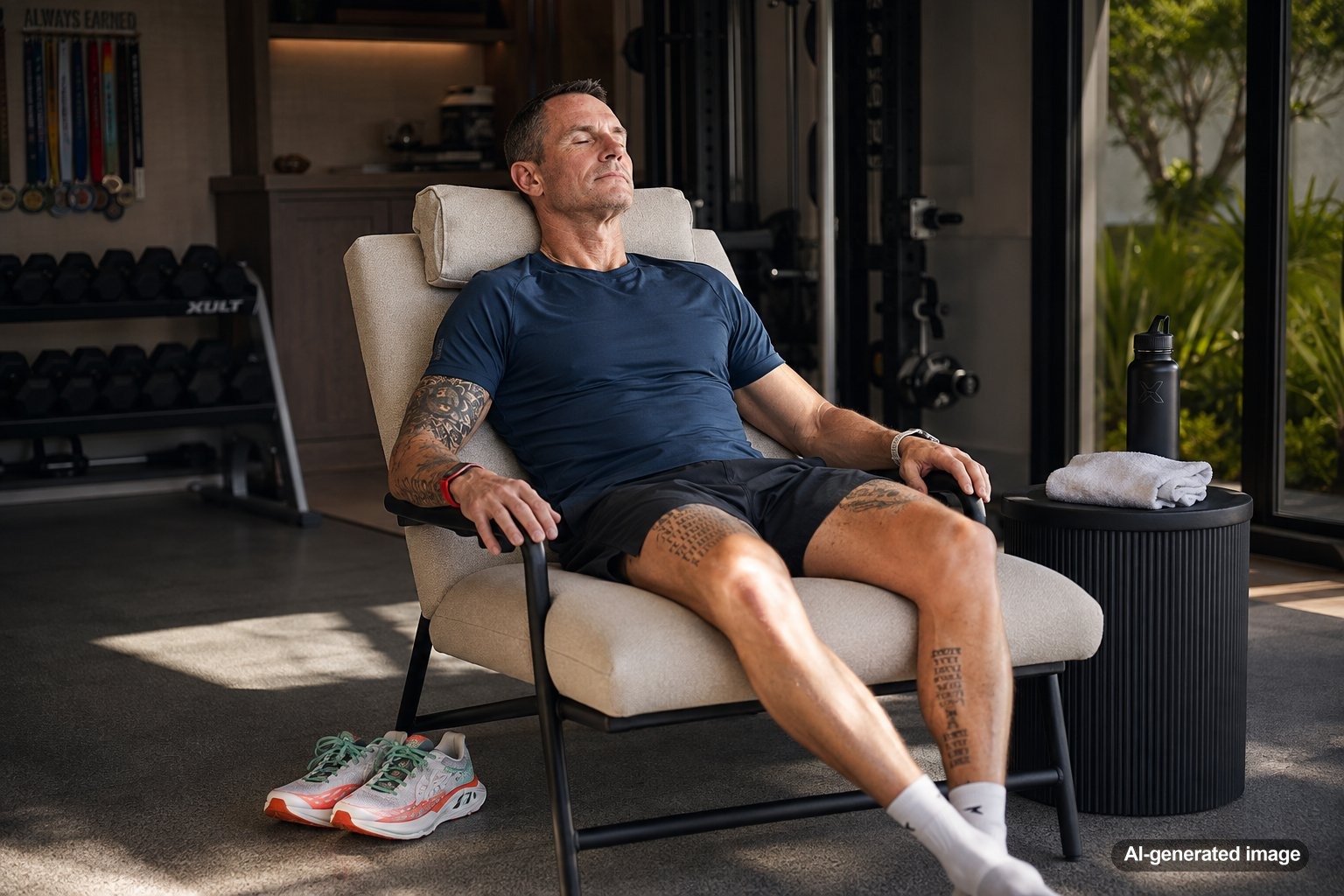
Yes, a nap can improve alertness and performance without automatically ruining nighttime sleep. The key is to treat a nap as a targeted recovery tool, not an open-ended substitute for a full night of rest. For many adults, a brief nap taken earlier in the afternoon offers the most practical balance: enough time to reset without reducing the natural drive to sleep at bedtime.
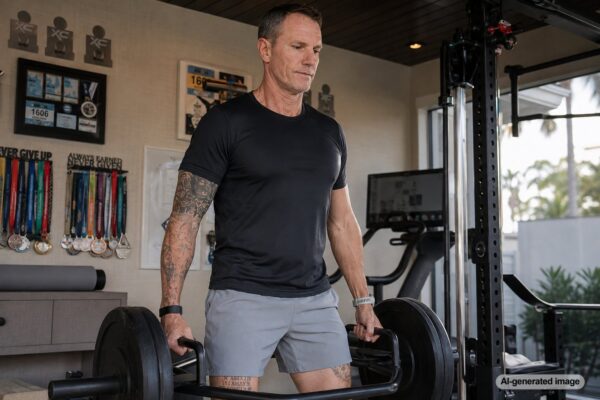
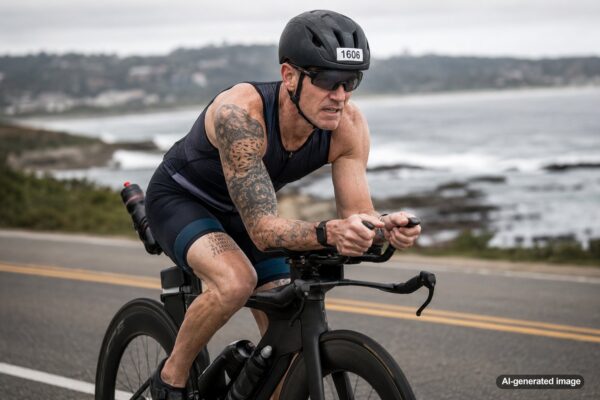
That distinction matters in endurance training, business leadership, parenting, caregiving, and any season when energy has to be managed carefully. Greg’s own path through business, family, endurance sports, and adversity reflects a broader truth: sustainable performance is not built by ignoring recovery. It is built by using recovery deliberately.
Quick answer
- Keep it brief: For adults, the National Heart, Lung, and Blood Institute recommends naps of no more than 20 minutes.
- Nap earlier: An early-afternoon nap is less likely to make falling asleep at night difficult than a late-afternoon or evening nap.
- Use it for a short-term lift: Naps may support alertness and performance, but they do not replace the full benefits of nighttime sleep.
- Watch your own response: If a nap regularly delays bedtime, fragments sleep, or leaves you groggy, adjust the timing, shorten it, or skip it.
Why a short nap may help performance
Performance is not only about physical output. It also depends on attention, judgment, patience, coordination, and the ability to respond well when conditions change. A brief period of daytime sleep may provide a short-term boost in alertness and performance, according to guidance from the National Heart, Lung, and Blood Institute.
That can be useful before an afternoon training session, after an early start, during travel, or ahead of work that demands clear thinking. The goal is not to emerge feeling transformed. A useful nap may simply reduce the edge of fatigue enough to improve the next few hours.
For an endurance athlete, that could mean approaching a recovery workout with better focus instead of forcing intensity through exhaustion. For a leader, it could mean arriving at an important conversation with more patience and clarity. For a parent or caregiver, it may mean creating a small margin of energy in a demanding day. In each case, the nap supports the work; it is not the work itself.
Why timing matters as much as duration
Sleep pressure generally builds the longer a person is awake. A late nap can reduce some of that pressure close to bedtime, which may make it harder to fall asleep. This is why official NIH guidance advises people who struggle to fall asleep at night to limit naps or take them earlier in the afternoon.
A practical starting point is to place a nap after lunch or in the early afternoon, then leave a generous buffer before bedtime. An evening nap on the couch may feel harmless, but it can become the sleep equivalent of eating a full snack just before dinner: it takes the edge off the need that was supposed to carry you into the main event.
Schedules vary, so there is no universal clock time that works for everyone. Someone who wakes before dawn to train will have a different rhythm from someone working a later shift. The useful question is not simply, “What time did I nap?” It is, “Did this nap help me function now while still allowing me to sleep normally tonight?”
The 20-minute approach
For adults, a nap of 20 minutes or less is a sensible default supported by NIH sleep guidance. It is long enough to offer a chance for rest while limiting the likelihood of waking from a deeper stage of sleep and struggling to become fully alert. Longer naps are not automatically wrong, but they carry different tradeoffs and may be more likely to leave some people groggy or interfere with nighttime sleep.
Set an alarm before lying down, and account for the few minutes it may take to settle. Create a quiet, dim environment if possible. If sleep does not come, a short period of calm rest can still be a useful pause, but there is no need to chase sleep or extend the attempt indefinitely.
A simple nap decision guide
- Consider a short nap when you had an unusually early start, face a demanding afternoon, or need a modest alertness reset.
- Skip or shorten the nap when bedtime is only a few hours away or recent naps have made it harder to fall asleep.
- Protect nighttime sleep first when daytime napping has become a daily attempt to compensate for consistently inadequate sleep.
- Seek professional guidance when persistent daytime sleepiness, unrefreshing sleep, or sudden changes in sleep patterns affect daily life or safety.
What athletes and high-performing teams often miss
A nap is most effective when it is part of a larger recovery system. It cannot make up for a pattern of shortened nights, and it should not become permission to overload every waking hour. NIH guidance notes that naps may offer a short-term performance benefit but do not provide all the benefits of nighttime sleep.
This is especially relevant in endurance sports, where fatigue can be mistaken for commitment. More effort is not always more progress. The disciplined choice may be a brief nap, an easier session, an earlier bedtime, or a change in the week’s workload. Recovery deserves the same intentional planning as pace, nutrition, meetings, and deadlines.
Teams can apply the same principle. A workplace that celebrates constant availability while ignoring fatigue may get more visible activity but less sound judgment. Protecting recovery is not lowering the standard. It is recognizing that durable performance requires people who can think, adapt, and keep moving with purpose.
How to test whether naps work for you
Instead of judging a nap by how pleasant it feels in the moment, track what happens afterward. For one or two weeks, note the nap’s start time, approximate duration, how alert you felt 30 minutes later, when you went to bed, how easily you fell asleep, and how you felt the next morning.
Patterns matter more than a single day. If a 15-minute early-afternoon nap consistently improves focus and nighttime sleep remains steady, it may be a useful tool. If even a short nap leaves you awake at bedtime, your best strategy may be quiet rest without sleep or a stronger emphasis on nighttime routines. If only long naps feel restorative, consider whether an underlying sleep issue, health condition, medication effect, or demanding schedule deserves discussion with a qualified healthcare professional.
Frequently asked questions
Can a nap replace lost nighttime sleep?
No. A nap may temporarily improve alertness, but NIH guidance emphasizes that it does not provide all the benefits of nighttime sleep. Consistent nighttime sleep should remain the foundation.
What is the best nap length for adults?
A practical starting point is 20 minutes or less. Individual responses differ, so pay attention to grogginess after waking and any effect on bedtime.
How late is too late to nap?
There is no single cutoff that fits every schedule, but naps later in the afternoon are more likely to make falling asleep at night difficult. If nighttime sleep is a problem, move the nap earlier or eliminate it.
Should I nap before a workout or important meeting?
A brief, well-timed nap may help alertness, but leave enough time after waking to become fully oriented before driving, training, making decisions, or doing safety-sensitive work.
When should daytime sleepiness be discussed with a professional?
Speak with a qualified healthcare professional if sleepiness is persistent, disrupts work or daily activities, affects safe driving, appears despite adequate time in bed, or changes suddenly. A clinician can help evaluate possible causes rather than relying on naps alone.
The bottom line
Naps can support performance without undermining nighttime sleep when they are brief, early enough, and used with intention. Think of a nap as one small recovery decision within a much larger system. The aim is not to squeeze more output from an exhausted body or mind. It is to create enough space to take the next useful step with greater clarity.
Interested in bringing Greg’s message to your event or organization?
Learn more about Greg’s speaking work or get in touch to start the conversation.
Contact Greg or learn more about the Forward Motion Fund.
This article is for educational purposes only and is not medical advice. For diagnosis, treatment, or personalized medical guidance, please speak with a qualified healthcare professional.