

Why Your Hamstrings Always Feel Tight Even After Stretching
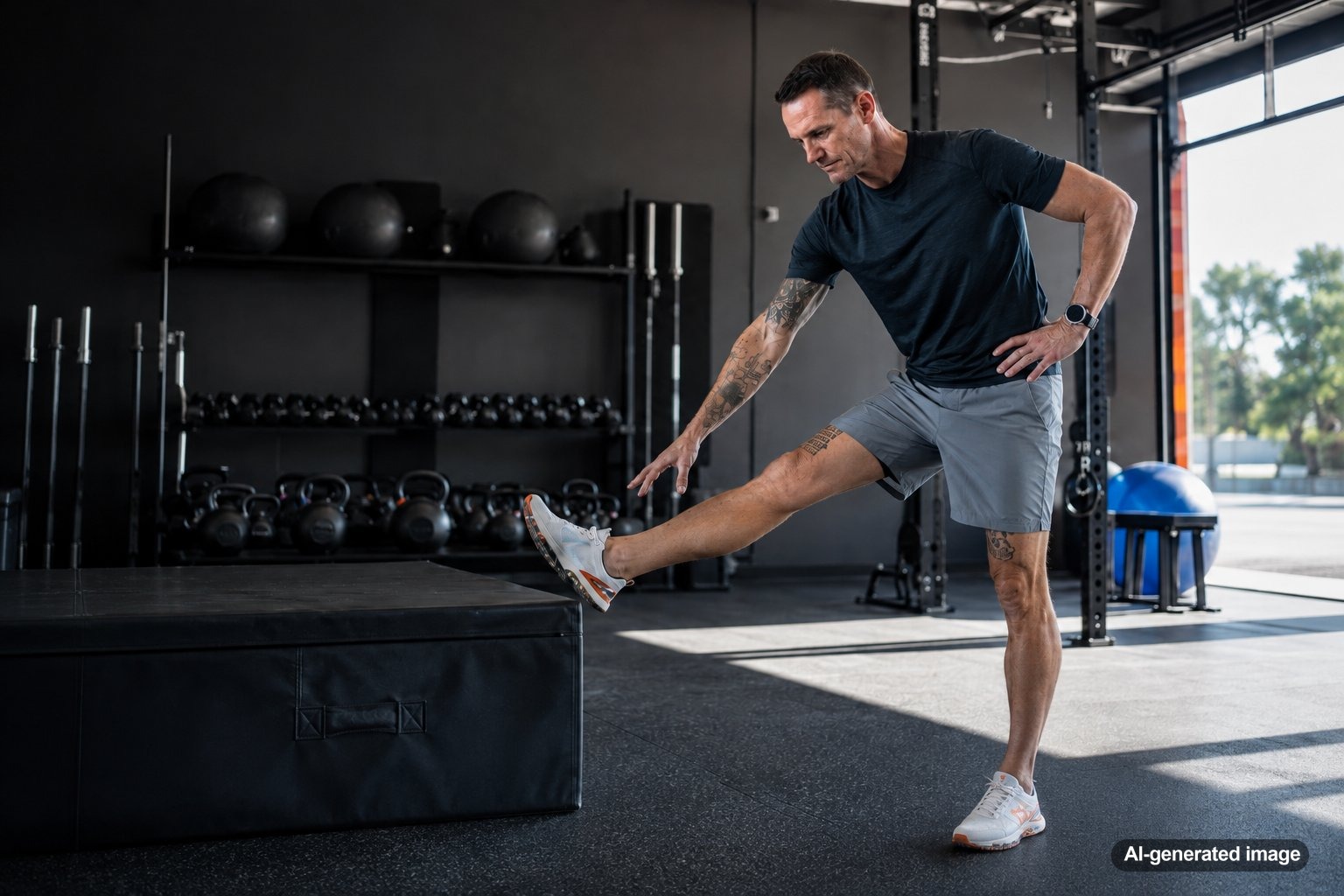
If your hamstrings feel tight again minutes or hours after you stretch them, the problem may not be that you need a longer or harder stretch. The feeling can reflect several different things: temporary muscle tension, limited tolerance at the edge of your range, fatigue from training, a strength or control gap, long periods in one position, or sensitivity involving the lower back or nerves.
That distinction matters. Stretching may create short-term relief, but relief is not the same as resolving the reason the sensation keeps returning. In endurance sport, business, family life, and recovery, useful progress begins with an honest read of the problem. Greg’s own path through leadership, racing, adversity, and advocacy reflects the same grounded principle: forward motion works best when it is informed, steady, and built for the long haul.
Quick answer
- A feeling of tightness does not always mean the hamstring muscle is physically too short.
- Stretching can change how a stretch feels without addressing fatigue, strength, movement control, or training load.
- Repeatedly forcing a deeper stretch can irritate sensitive tissue and make the area feel more guarded.
- Lasting improvement often comes from combining comfortable mobility work with progressive strength, varied movement, recovery, and an evaluation when symptoms persist.
What does hamstring tightness actually mean?
The hamstrings are a group of muscles along the back of the thigh that help bend the knee and extend the hip. They work during walking, running, climbing, cycling, lifting, and even the controlled slowing of the leg. When they feel tight, your nervous system is reporting a sensation. That sensation is real, but it does not identify one single cause.
Two people can describe the same pulling feeling and need different responses. One person may have spent hours sitting after a hard run. Another may feel tension only during a straight-leg position. A third may notice burning, tingling, or symptoms that travel below the knee. Calling all three experiences ‘short hamstrings’ oversimplifies what the body may be communicating.
Why stretching may not make the feeling lastingly disappear
The stretch changes sensation more than the underlying demand
A stretch can make a position feel easier for a while. That may be useful, especially when it is gentle and followed by movement. But if the same muscles return to the same workload, posture, or movement pattern, the familiar sensation can return as well. The result is a loop: tightness, stretch, temporary relief, then tightness again.
Your hamstrings may need strength at longer lengths
Flexibility is only one part of usable range. The body also needs confidence and control in that range. If you can passively reach a position but cannot produce or absorb force there, your system may treat the end of the range cautiously. Gradually strengthening the hamstrings through a comfortable range can be part of building capacity, although the right exercise and dosage vary by person.
This is especially relevant for runners, cyclists, and endurance athletes. Repetitive movement asks the hamstrings to handle thousands of contractions. A muscle that feels tight late in a session may be fatigued, under-recovered, or working harder because another part of the movement chain is not contributing well. More stretching does not erase that workload.
Your overall training load may be outpacing recovery
A sudden increase in mileage, hills, speed work, lifting volume, or long hours on your feet can change how the back of the thigh feels. So can stacking hard sessions without enough sleep, food, hydration, or easier days. Tightness in this context may be a useful signal to review the week, not a command to pull harder on the muscle.
Look for patterns. Does the sensation appear after intervals but not easy runs? Is it worse the day after heavy hinging exercises? Does it improve after a warm-up but return when fatigue builds? Those details are more useful than the single label ‘tight.’
Long periods in one position can shape the sensation
Sitting for hours, driving, or working at a desk can leave the hips, back, and legs feeling stiff even when no tissue has suddenly shortened. A brief walk, gentle range-of-motion work, or a change in position may feel better than another intense stretch. The National Institutes of Health provides general ergonomic exercise and stretching guidance and emphasizes that movement should not cause pain or discomfort.
The sensation may involve the lower back or nervous system
Nerves travel from the lower back into the legs. In some situations, a straight-leg stretch tensions more than muscle, and the resulting feeling can resemble hamstring tightness. Symptoms such as burning, tingling, numbness, weakness, or pain traveling down the leg deserve more caution than ordinary post-exercise stiffness. The National Institute of Neurological Disorders and Stroke notes that sciatica can involve pain, tingling, numbness, or weakness along the sciatic nerve pathway.
This does not mean persistent tightness is automatically a nerve problem. It means that repeatedly pushing into a strong pulling or electrical sensation is not a substitute for an evaluation.
A more useful approach than stretching harder
1. Describe the sensation precisely
Notice where it starts, when it appears, and what changes it. A broad, dull stiffness after sitting is different from a sharp focal pain during a sprint. A symmetrical stretch sensation is different from one-sided tingling below the knee. Keep the description simple and factual.
2. Use mobility as preparation, not punishment
Choose a comfortable stretch or controlled movement that does not provoke sharp pain, numbness, or tingling. The goal is not to win a flexibility contest. A modest range you can breathe through and control is often more useful than forcing an aggressive end position.
3. Add progressive hamstring and hip strength
Depending on your current capacity, a qualified professional may use movements such as bridges, controlled hip hinges, leg curls, or other exercises that load the posterior chain. Progress should be gradual. The appropriate starting point is different for a healthy athlete, someone returning from an injury, and someone with symptoms involving the back or nerves.
4. Review the surrounding workload
Examine recent changes in running, cycling, lifting, travel, and sitting time. If tightness consistently arrives after a specific stressor, adjust one variable at a time and watch what happens. Better information leads to better decisions.
5. Build movement variety into the day
Short, regular changes in position can be more practical than one heroic mobility session at night. Stand up, walk, gently move the hips and knees, and avoid staying locked in the same posture for hours when possible.
When to seek professional support
Consider speaking with a qualified healthcare professional if the tightness is persistent, worsening, repeatedly limiting activity, or following an injury. Seek timely medical care for severe or sudden pain, significant swelling or bruising, inability to bear weight, progressive weakness, loss of sensation, or symptoms involving bowel or bladder control. A clinician can help distinguish a mobility issue from an injury, back-related problem, or another condition that needs a different plan.
Frequently asked questions
Should I stretch my hamstrings every day?
Frequency depends on your health, symptoms, goals, and response. Gentle stretching may be part of a routine for some people, but daily stretching is not automatically better. If it causes pain, tingling, or increasing irritation, stop and seek individualized guidance.
Why do my hamstrings feel tighter after I stretch?
The stretch may have been too intense, held in an irritating position, or applied to a sensation that was not coming only from muscle. Fatigue and training load can also make the area feel guarded. Avoid forcing the next stretch deeper just because the first one did not help.
Can weak glutes cause tight hamstrings?
Hip strength and movement coordination can influence how work is distributed, but it is rarely useful to blame one muscle without an assessment. The better question is whether your current strength, control, and workload match what you are asking your body to do.
Is hamstring tightness the same as a hamstring strain?
No. General tightness can occur without a strain. A strain is an injury and may involve sudden pain, tenderness, weakness, swelling, or bruising. If you suspect an injury, a qualified clinician can evaluate it.
What is the bottom line?
If your hamstrings always feel tight after stretching, stop treating the sensation as proof that you simply need more flexibility. Use it as information. Comfortable mobility, progressive strength, appropriate recovery, movement variety, and professional input when needed offer a more complete path than repeatedly chasing a deeper stretch. One more step still matters, but the smartest next step is the one that fits the signal your body is actually sending.
Interested in bringing Greg’s message to your event or organization?
Learn more about Greg’s speaking work or get in touch to start the conversation.
Contact Greg or learn more about the Forward Motion Fund.
This article is for educational purposes only and is not medical advice. For diagnosis, treatment, or personalized medical guidance, please speak with a qualified healthcare professional.


