How To Foster A Growth Mindset In Your Student Athletes
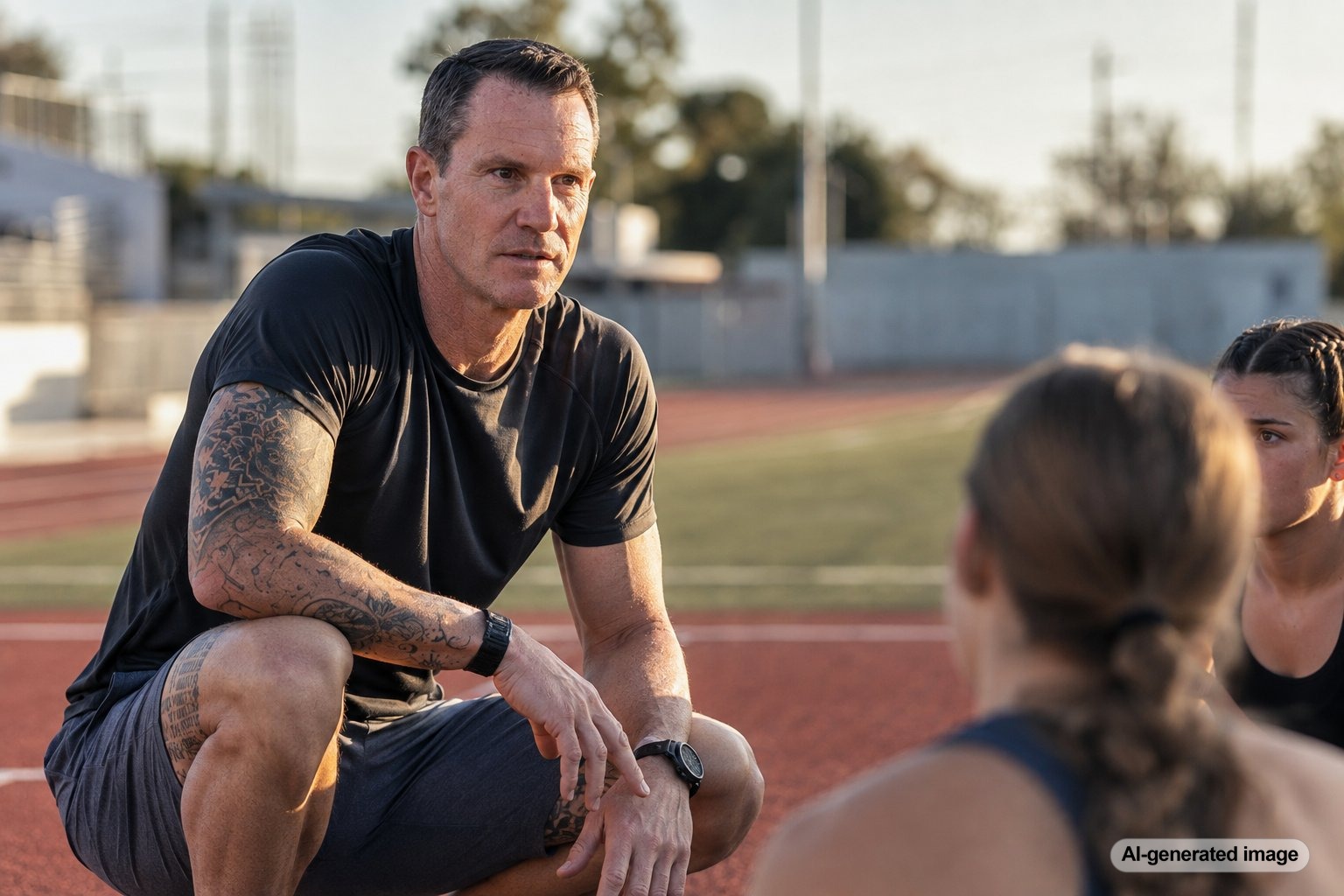
A growth mindset in student athletes is not about convincing young people that effort automatically produces a win. It is about helping them understand that skills can develop, mistakes can teach, feedback can sharpen performance, and a difficult day does not have to define what happens next. For coaches, teachers, and mentors, that means creating an environment where progress matters alongside results.
That idea fits naturally with the lessons Greg Schaefer brings from endurance sports, business leadership, adversity, and resilience. His story is grounded in continuing to learn, adjust, and move forward when the path changes. The same principle can help student athletes approach practices, competition, academics, and setbacks with greater maturity.
Quick answer: How can coaches foster a growth mindset?
- Praise specific choices, preparation, and improvement rather than labeling athletes as naturally talented.
- Treat mistakes as information that can guide the next repetition, practice, or decision.
- Give feedback that is clear, actionable, and connected to behaviors an athlete can control.
- Build reflection into practices and competitions so athletes learn to evaluate progress without obsessing over outcomes.
- Model the same willingness to learn, adapt, and take responsibility that you expect from the team.
Start by separating identity from performance
Student athletes can easily begin to connect their sense of worth to a scoreboard, starting position, personal record, or coach’s approval. A growth-oriented environment helps separate the person from the performance. An athlete can have a poor game without becoming a poor athlete. A player can lose a starting role without losing the ability to improve.
The language adults use matters. Compare, ‘You are our best shooter,’ with, ‘Your footwork and shot preparation have become much more consistent.’ The first statement attaches identity to status. The second identifies behaviors that can be practiced and repeated.
This distinction also matters when things go badly. Instead of telling an athlete, ‘You are not focused,’ a coach can identify the specific pattern: ‘On those last two possessions, you reacted late after the turnover. What can you watch for next time?’ The conversation moves from judgment toward learning.
Praise the process without pretending results do not matter
Growth mindset is sometimes misunderstood as endless praise for effort. Competitive sports do have outcomes. Teams keep score. Athletes earn roles. Standards matter. The goal is not to ignore those realities but to help athletes understand the relationship between preparation, decisions, execution, and results.
Useful praise is specific. A coach might recognize an athlete for arriving prepared, making an adjustment after feedback, communicating more effectively, or continuing to execute a difficult skill under pressure. Those observations tell the athlete what actually contributed to progress.
There is also a place for accountability. Working hard with the wrong technique is not automatically productive. Repeating the same mistake without reflection is not growth. Coaches can recognize effort while still asking, ‘What did you learn, and what will you change?’
Turn mistakes into a repeatable learning process
A mistake becomes valuable when an athlete knows what to do with it. Without a process, young competitors may replay errors emotionally instead of examining them constructively.
A simple reflection sequence can help:
- What happened? Describe the moment without exaggerating it.
- What was within my control? Identify a decision, preparation habit, technique, or response.
- What did I learn? Name one useful lesson rather than ten vague criticisms.
- What is my next action? Turn the lesson into something that can be practiced.
Consider a runner who starts too aggressively and fades late. ‘I am terrible at racing’ produces very little useful information. ‘I went out faster than our plan, so next time I will settle into the planned pace earlier’ creates a practical next step. The same approach works for missed free throws, defensive mistakes, poor communication, or disappointing test results.
Give athletes challenges that stretch them without defining them
Growth often requires discomfort. If every drill is easy enough to guarantee success, athletes have fewer opportunities to practice adjustment, patience, and problem-solving. A thoughtful challenge can reveal what needs development without turning struggle into humiliation.
Coaches can deliberately vary practice situations, introduce pressure, change constraints, or ask athletes to work on weaknesses. The important part is the framing. A difficult drill should communicate, ‘This gives us something to work on,’ rather than, ‘This proves who belongs here.’
That distinction becomes especially important for student athletes who are still developing physically, emotionally, academically, and socially. Progress rarely happens at the same pace for everyone.
Use feedback that points toward the next action
Feedback is most useful when an athlete knows what to do after hearing it. ‘Be tougher’ or ‘want it more’ may sound intense, but those phrases give a student very little direction. Strong coaching translates expectations into behaviors.
Instead of ‘You need more confidence,’ a coach might say, ‘On the next possession, call for the ball and make your first decision quickly.’ Instead of ‘Stop falling apart under pressure,’ the instruction could be, ‘After a mistake, use your reset routine and get your attention back to the next play.’
This approach does not lower standards. It makes standards more teachable.
Help athletes measure progress in more than one way
Wins, times, rankings, statistics, and roster decisions are obvious measures of performance. They are not the only useful measures of development. Coaches can help athletes notice progress in preparation, communication, consistency, technique, decision-making, recovery after mistakes, and willingness to receive feedback.
This broader view is particularly helpful during periods when results are not improving quickly. A swimmer may not have posted a personal best yet but may be executing turns more consistently. A basketball player may still be struggling offensively while becoming much more reliable defensively. Those improvements deserve attention because they can become building blocks for future performance.
Model growth mindset as a coach or leader
Young athletes notice whether adults practice what they teach. A coach who demands accountability but never admits a poor decision sends a different message than a coach who can say, ‘That drill did not accomplish what I wanted. We are going to adjust it tomorrow.’
Modeling learning does not weaken authority. It can demonstrate confidence, responsibility, and professionalism. Leaders can maintain high standards while remaining open to feedback and correction.
Greg’s broader speaking work draws on lessons from leadership, endurance competition, resilience, and navigating adversity. Across those settings, forward motion is rarely about executing every moment perfectly. It is often about learning what the moment requires and taking the next useful step.
What coaches often miss
Growth mindset is not constant positivity. Student athletes need room to be disappointed after a loss, frustrated by a mistake, or unhappy with their own performance. The goal is not to erase those emotions. It is to help athletes avoid turning a temporary result into a permanent conclusion about who they are or what they can become.
It is also not an excuse to remove standards. Accountability and growth can coexist. In fact, clear standards become more useful when athletes understand that falling short is a signal to learn, prepare, and adjust.
Practical habits coaches can use this week
Growth mindset becomes meaningful through repeated behaviors, not slogans on locker-room walls. A few small coaching habits can change the tone of a team over time.
- After competition, ask each athlete to identify one thing that worked, one lesson, and one next action.
- During practice, occasionally praise an adjustment rather than the successful outcome that followed it.
- When correcting an athlete, describe the behavior before making a judgment about attitude or ability.
- Build short reflection periods into training instead of saving every conversation for after a loss.
- Ask athletes what feedback they are hearing and what they plan to do with it.
- Recognize teammates who contribute through preparation, communication, and consistency, not only those who produce the biggest statistics.
None of these habits requires a dramatic speech. Their value comes from repetition. Over time, athletes begin to understand that improvement is something they participate in rather than something that simply happens to them.
Frequently asked questions
What is a growth mindset for student athletes?
A growth mindset is an approach that treats abilities and performance as capable of development through learning, practice, feedback, strategy, and adjustment. In sports, it encourages athletes to see mistakes and challenges as useful information rather than permanent judgments about their potential.
Should coaches praise effort even when performance is poor?
Effort can be recognized, but useful feedback should be more specific than simply saying an athlete tried hard. Coaches can discuss preparation, technique, decisions, consistency, response to feedback, and what needs to change next.
How can a coach respond after an athlete makes a costly mistake?
First address anything that must be corrected immediately. Then help the athlete identify what happened, what was controllable, and what action should come next. The objective is accountability without turning one error into a statement about the athlete’s identity.
Does a growth mindset make athletes less competitive?
No. A growth-oriented approach can coexist with demanding standards and serious competition. It simply places greater attention on the behaviors, learning, and adjustments that athletes can use to improve their performance.
How can parents reinforce a growth mindset?
Parents can ask questions about learning, preparation, teamwork, and improvement instead of making every postgame conversation about the final score or statistics. They can also give athletes space to process disappointment before turning immediately to analysis.
The bottom line
Fostering a growth mindset in student athletes means creating a culture where performance matters, but no single performance becomes the final word. Coaches can teach athletes to study mistakes, receive feedback, recognize progress, handle challenge, and keep working toward the next useful action. Those habits can serve them far beyond the season.
The message is simple without being easy: progress is built one decision, one adjustment, and one more step at a time.
Interested in bringing Greg’s message to your event or organization?
Learn more about Greg’s speaking work or get in touch to start the conversation.
Contact Greg or learn more about the Forward Motion Fund.
This article is for educational purposes only and is not medical advice. For diagnosis, treatment, or personalized medical guidance, please speak with a qualified healthcare professional.