
Should You Exercise On An Empty Stomach?
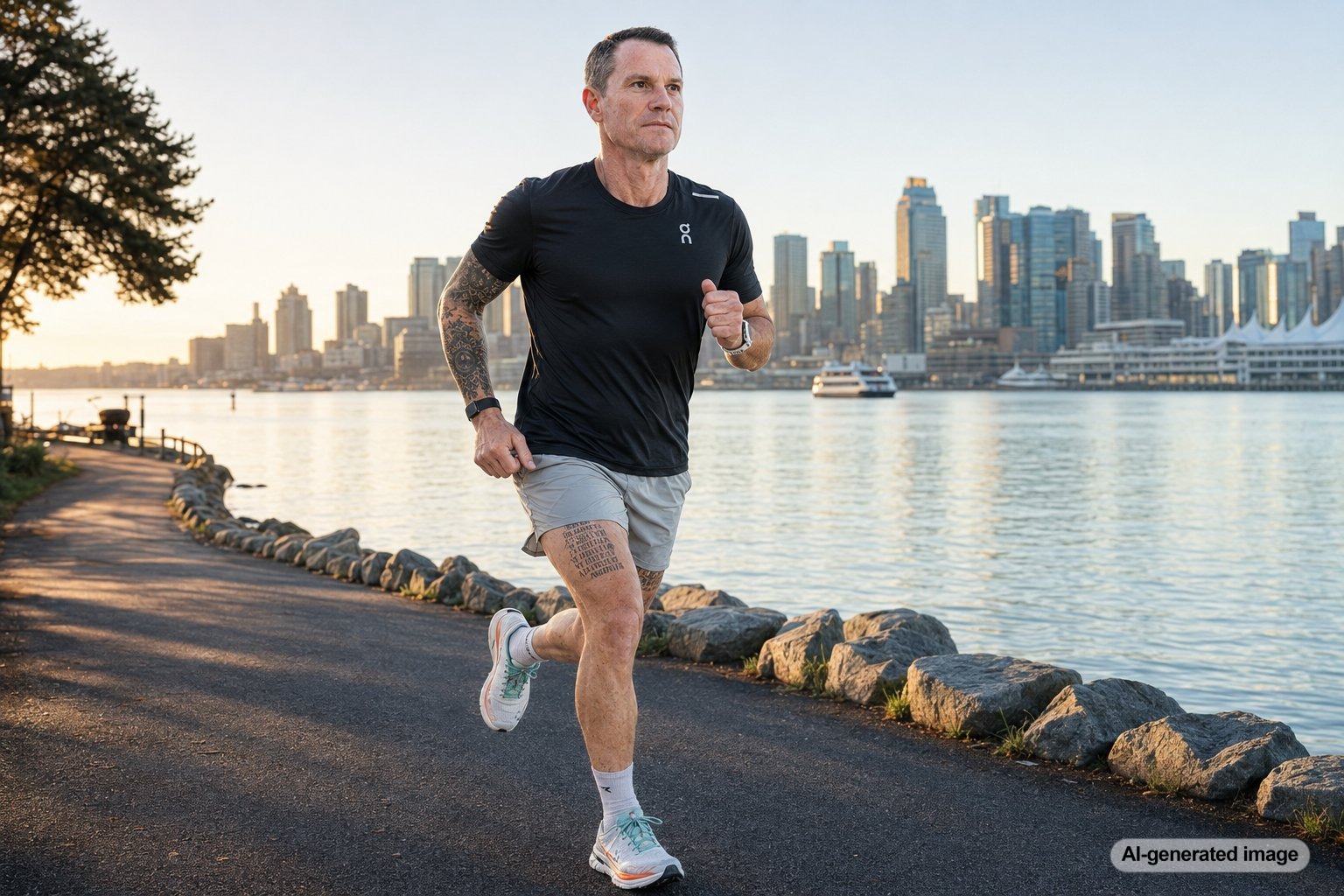
Should you exercise on an empty stomach? For some people and some workouts, the answer is yes. A short, easy session before breakfast may feel comfortable and convenient. For harder, longer, or highly technical training, eating first may support better energy, focus, and consistency. The right choice depends less on a universal rule and more on the work you are asking your body to do.
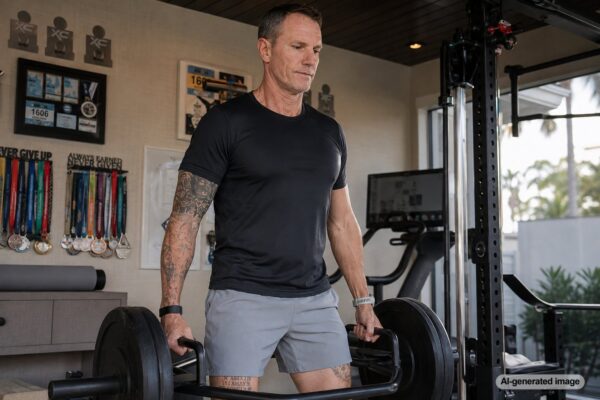
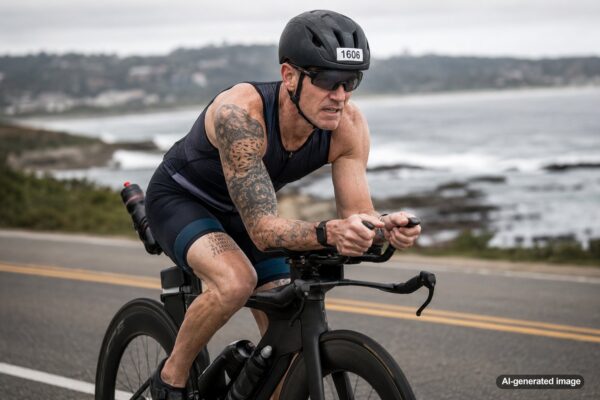
That distinction matters to endurance athletes, busy professionals, and anyone trying to build a sustainable routine. As a 20-time Ironman, business leader, and person living with Young-Onset Parkinson’s, Greg Schaefer understands that preparation must serve the mission of the day. Training is not a test of how much discomfort you can manufacture. It is a practice of making thoughtful decisions, adjusting when necessary, and continuing forward.
Quick answer
- A short, low-intensity workout may be comfortable without a meal beforehand if you feel well and are adequately hydrated.
- Eating before long endurance sessions, demanding intervals, heavy strength work, or competition may help you train with more usable energy.
- Exercising before breakfast does not automatically produce better long-term weight-loss results.
- Your health, medications, training history, and individual response should guide the decision.
- Dizziness, confusion, unusual weakness, shakiness, or nausea are reasons to stop and reassess.
What exercising on an empty stomach actually means
Most people use the phrase “empty stomach” to describe a morning workout performed before breakfast. This is often called fasted exercise. It is different from beginning a workout several hours after a normal meal, and it is very different from combining prolonged fasting with demanding training.
During an overnight fast, the body has not received new food for several hours, but it is not necessarily out of energy. It can draw from stored fuel while shifting the mix of carbohydrates and fat used during activity. The fact that the body may use a greater proportion of fat during a particular fasted session, however, does not prove that the approach will produce greater fat loss over time. Overall nutrition, total activity, recovery, sleep, and consistency still matter.
The practical question is not simply whether you can complete a workout without eating. Ask whether doing so helps you complete the intended session safely and effectively, recover well, and return ready for the next one.
When a fasted workout may be reasonable
A fasted session may work well when the planned effort is short, familiar, and easy to moderate. Examples might include a relaxed walk, gentle mobility work, an easy spin on a stationary bike, or a comfortable recovery run. Some people prefer moving before breakfast because food sits heavily in their stomach, their morning schedule is tight, or the routine simply feels natural.
Experience matters. Someone who has repeatedly felt steady during an easy morning workout has useful personal information. Someone attempting fasted exercise for the first time should treat it as an experiment, not a toughness challenge. Choose a familiar route or controlled environment, keep the intensity conservative, and have food available if the session stops feeling productive.
Convenience is a legitimate benefit. If a simple morning routine helps you train consistently, that matters. The goal is not to win an argument about meal timing. The goal is to create a pattern you can sustain.
When eating first is often the stronger choice
The demands change when a workout becomes longer, faster, heavier, or more complex. Intervals, tempo efforts, long rides, extended runs, demanding strength sessions, and competition rehearsals require more than a willingness to work. They require attention, coordination, and enough available energy to execute the plan.
Eating beforehand may be especially useful when:
- The session will be longer than your usual easy workout.
- You plan to perform high-intensity intervals, hills, or race-pace efforts.
- You are lifting heavy weights or completing a demanding circuit.
- You have another important training session later in the day.
- You woke up unusually hungry, depleted, or poorly recovered.
- Your objective is performance quality rather than simply completing some movement.
A pre-workout meal does not need to be elaborate. If there is enough time to digest, a balanced meal containing familiar carbohydrate and some protein may work well. When time is limited, a smaller option such as a banana, toast, oatmeal, yogurt, or another familiar food may be easier to tolerate. The best choice is one you have tested during training, not something new introduced on an important day.
Match your fuel to the purpose of the session
Training decisions become clearer when you name the purpose before choosing whether to eat. Consider these common scenarios:
An easy morning walk
If you feel steady and enjoy walking before breakfast, there may be little reason to force a meal first. Drink water as needed, pay attention to how you feel, and eat afterward as part of your normal routine.
A long endurance workout
A long ride or run is not merely a longer version of an easy walk. It places greater demands on energy, hydration, concentration, and recovery. Eating beforehand and planning fuel for the session may make it easier to maintain the intended effort and practice the routine you expect to use in competition.
A hard interval session
The purpose of intervals is usually to produce quality work at a demanding intensity. If training without food consistently causes the final repetitions to fall apart, the approach is interfering with the goal. Fueling first may be the more disciplined decision.
A strength workout
Some people tolerate moderate lifting before breakfast, while others notice reduced energy or concentration. Technique matters when resistance and fatigue rise. If fasted lifting leaves you distracted, lightheaded, or unable to complete planned sets with sound form, eat first and compare the result.
A recovery session
Recovery work should help you absorb previous training rather than create another major stressor. A relaxed fasted session may be fine for some people, but it should remain relaxed. Turning it into an unplanned test defeats its purpose.
What people often miss about fasted exercise
Hydration and food are separate decisions
Skipping breakfast does not mean skipping water. Morning fluid needs can vary with weather, workout duration, sweat rate, medications, and personal health. Begin the session attentive to hydration rather than treating a fast as a reason to avoid fluids.
Feeling hungry is not the only signal
A person may not feel hungry but may still notice poor concentration, an unusually high sense of effort, shakiness, irritability, or declining coordination. Those signals matter, especially during outdoor endurance training, heavy lifting, or activities that require balance.
A successful workout is not the entire picture
You may finish a session without eating and still feel drained for the rest of the day. Consider recovery, mood, later food choices, and readiness for your next workout. A strategy that repeatedly disrupts the rest of your day may not be serving you.
Discipline includes changing the plan
There is no special prize for refusing fuel when your body is clearly asking for it. Adaptation is part of endurance. Adjusting the plan can be a sign of awareness, not weakness.
Fasted exercise, weight loss, and performance
Fasted cardio is often promoted as a shortcut to fat loss because the body may rely more heavily on fat during that individual session. That is only one part of a much larger picture. Using more fat while exercising does not automatically mean losing more body fat across weeks or months.
If training without food causes you to reduce the duration or quality of your workouts, move less during the rest of the day, or become excessively hungry later, the strategy may not support your broader goal. Conversely, if an easy fasted workout feels good and fits naturally into a balanced routine, it may be a workable preference.
For performance, specificity deserves attention. If you are preparing for an event in which you will eat beforehand or consume fuel while moving, training sessions offer a chance to practice that plan. The stomach can be part of endurance preparation. Race day is not the ideal time to discover that a particular breakfast, portion, or timing pattern does not agree with you.
Special health and medication considerations
Fasted exercise is not appropriate for everyone. People who use insulin or other blood-sugar-lowering medications, take medicine that must be consumed with food, are pregnant or breastfeeding, have a history of disordered eating, or manage certain medical conditions should seek individualized guidance before experimenting with fasting.
For people living with Parkinson’s, the decision may also intersect with medication timing, blood pressure changes, balance, fatigue, and fluctuations in movement. Parkinson’s exercise guidance emphasizes individualized planning and exercising during periods when medication is working well when applicable. A physician, registered dietitian, or physical therapist familiar with Parkinson’s can help coordinate nutrition, medication, and exercise safely.
Stop exercising and seek appropriate help if you experience fainting, chest pain, severe shortness of breath, confusion, or another alarming symptom. Dizziness, unusual weakness, shakiness, nausea, or a sudden loss of coordination should not be dismissed as proof that the workout is effective.
A simple way to decide before your next workout
Before training, ask four questions:
- What is today’s objective? An easy movement session and a race-specific workout do not require the same preparation.
- How demanding will it be? Consider intensity, duration, temperature, terrain, and technical difficulty.
- How do I feel right now? Hunger, sleep, stress, soreness, illness, and recovery all provide relevant information.
- What has worked before? Use your training record instead of relying on a trend, challenge, or someone else’s routine.
If you are uncertain, choose the more conservative option: have a small, familiar snack, reduce the intensity, or postpone the experiment until conditions are controlled. Keep brief notes about what you ate, when you ate it, how the workout felt, and how you recovered. Patterns are more useful than one unusually good or bad day.
Frequently asked questions
Is it safe to exercise before breakfast?
It may be reasonable for some healthy adults during short, familiar, low-intensity workouts. Safety depends on the individual, the activity, medications, medical history, environment, and how the person responds. Consult a qualified healthcare professional when health conditions or medications could affect the decision.
Does exercising on an empty stomach burn more fat?
The body may use a different mixture of fuel during a fasted session, including a greater proportion of fat in some circumstances. That does not automatically produce greater long-term fat loss. Sustainable nutrition, total energy balance, training quality, recovery, and consistency remain important.
What should I eat before an early workout?
Choose familiar food that is easy for you to digest. Depending on the time available and the session’s demands, that might be a small carbohydrate-focused snack or a balanced meal with carbohydrate and protein. Portion size and timing are individual, so test them during ordinary training.
Can I drink coffee before fasted exercise?
Some people tolerate coffee before exercise, while others experience stomach discomfort, jitters, or an uncomfortable heart-rate response. Coffee is not a substitute for water or food when either is needed. Medication interactions and individual health considerations should also be discussed with a clinician.
Should endurance athletes train fasted?
Some endurance athletes include selected easy fasted sessions, but the strategy should not be applied automatically to every workout. Long sessions, intense work, competition preparation, and recovery may call for deliberate fueling. A sports dietitian can help tailor the approach to training volume and personal goals.
The bottom line
You do not have to eat before every workout, and you do not earn extra credit for training hungry. A short, easy session on an empty stomach may fit comfortably into your routine. Harder or longer work often deserves more deliberate preparation.
The most resilient approach is not rigid. It is responsive. Know the purpose of the session, notice the signals your body provides, and make the choice that helps you train safely and return with enough strength for the next step. That steady willingness to prepare, adapt, and continue is central to the message Greg shares through his speaking work: forward motion is built through thoughtful decisions made one step at a time.
Interested in bringing Greg’s message to your event or organization?
Learn more about Greg’s speaking work or get in touch to start the conversation.
Contact Greg or learn more about the Forward Motion Fund.
This article is for educational purposes only and is not medical advice. For diagnosis, treatment, or personalized medical guidance, please speak with a qualified healthcare professional.