
Could Sleep Apnea Be Sabotaging Your Fitness And Energy?
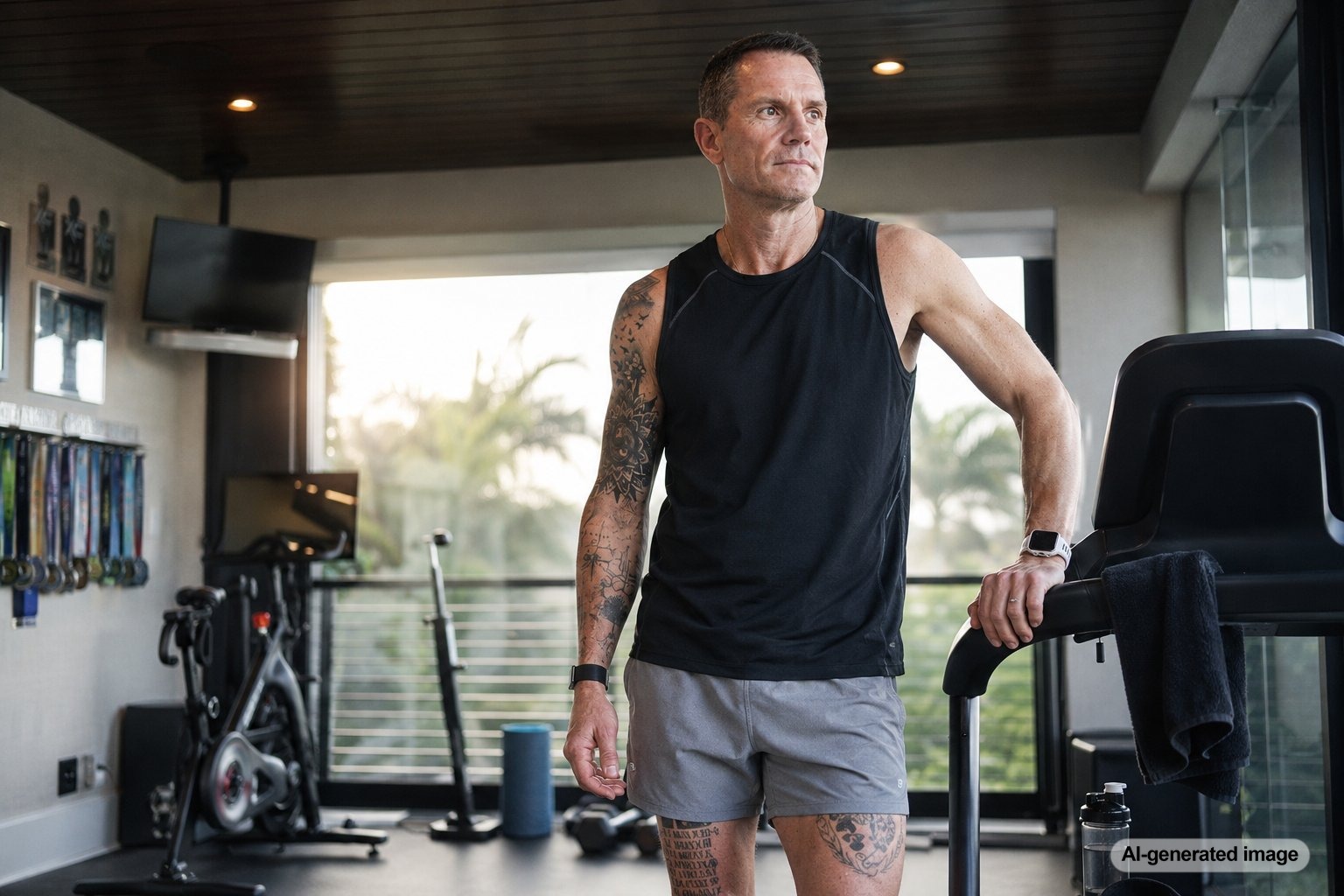
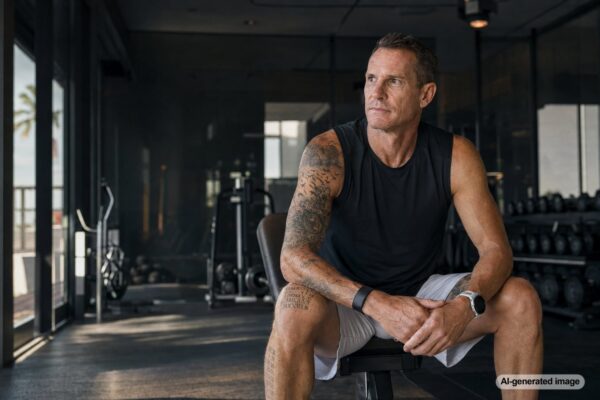
You can train consistently, eat thoughtfully, protect your recovery days, and still feel as though your energy never fully catches up. When that happens, it is easy to blame age, stress, workload, or a demanding training schedule. Sometimes, however, the problem may be happening during the hours you expect your body to recover.
Sleep apnea can repeatedly disrupt breathing and sleep quality during the night. For some people, the result is daytime sleepiness, fatigue, difficulty concentrating, and the sense that a full night in bed did not produce a full night’s recovery. For athletes and active people, those effects may show up as inconsistent training, diminished motivation, poor focus, or simply feeling unusually drained. Sleep apnea is not the only possible explanation for those experiences, but it can be worth discussing with a healthcare professional when the pattern persists.
For Greg Schaefer, endurance, leadership, family, and resilience all reinforce one important idea: forward motion depends on paying attention to what your body and circumstances are telling you. You can learn more about the broader story behind that perspective on Greg’s About page.
Quick answer: Can sleep apnea affect fitness and energy?
- Yes, it may. Sleep apnea can cause fragmented, poor-quality sleep and is associated with daytime sleepiness and fatigue.
- You may spend enough hours in bed and still wake feeling unrefreshed if breathing interruptions repeatedly disturb your sleep.
- For an active person, low energy may translate into harder-feeling workouts, reduced consistency, less motivation, or difficulty concentrating.
- Loud snoring, gasping during sleep, witnessed breathing pauses, morning headaches, and persistent daytime tiredness are reasons to discuss sleep quality with a healthcare professional.
- A clinician may recommend a sleep study when sleep apnea is suspected. Symptoms alone cannot confirm the diagnosis.
What sleep apnea actually does during the night
Sleep apnea is a condition in which breathing stops and restarts repeatedly during sleep. Obstructive sleep apnea, the most common type, occurs when the upper airway becomes blocked during sleep. Central sleep apnea is different: it involves problems with the signals the brain sends to control breathing.
Those interruptions matter because sleep is not simply an inactive stretch of the day. It is a recurring biological process, and repeated disruptions can leave sleep feeling less restorative. According to the National Heart, Lung, and Blood Institute, symptoms of sleep apnea can include breathing that starts and stops, loud snoring, gasping for air, daytime sleepiness, tiredness, fatigue, headaches, and difficulty with learning, focusing, and reacting.
That creates an easy-to-miss distinction: time in bed is not necessarily the same thing as restorative sleep. Someone can protect an eight-hour sleep window and still experience repeated disruptions they may not consciously remember the next morning.
How poor sleep can quietly show up in your training
A disappointing workout does not mean you have sleep apnea. Neither does one tired afternoon. Training performance changes for countless reasons, including workload, nutrition, hydration, illness, emotional stress, recovery demands, environmental conditions, and normal day-to-day variation.
What deserves more attention is a persistent pattern. If you regularly wake tired despite giving yourself adequate time to sleep, struggle with daytime sleepiness, or hear from a spouse or partner that you snore loudly, gasp, or appear to stop breathing, sleep may deserve a closer look.
Your normal workout may suddenly feel unusually expensive
There is a difference between productive fatigue from training and feeling chronically depleted before the work even begins. An endurance athlete expects certain sessions to be hard. What is more concerning is when ordinary efforts repeatedly feel disproportionately difficult and the usual recovery routine does not seem to restore your energy.
Consistency can become harder than intensity
Fitness is built through repeated work over time. Persistent tiredness can interfere with that process even before it becomes dramatic. You may begin skipping an early workout, shortening sessions, losing enthusiasm for training, or leaning heavily on caffeine just to feel functional. None of those behaviors proves the presence of a sleep disorder, but together they can provide useful context when speaking with a clinician.
Focus can suffer along with physical energy
Training is not purely muscular. Long rides, runs, swims, strength sessions, and competitive events require attention, judgment, pacing, and reaction. NHLBI notes that daytime sleepiness and tiredness associated with sleep apnea can contribute to problems with focusing and reacting. That makes persistent sleepiness relevant not only to performance but also to safety, especially when workouts involve roads, traffic, equipment, water, or technically demanding environments.
What active people often miss about sleep apnea
One of the easiest assumptions to make is that sleep apnea only concerns people who fit a particular stereotype. In reality, risk is influenced by multiple factors, including age, family history, lifestyle habits, other health conditions, and physical features that can affect the airway. Body weight can be a factor in obstructive sleep apnea, but it is not the only consideration.
That matters for athletes because being active does not make a person automatically immune to sleep problems. A strong training history, a demanding race calendar, or a disciplined lifestyle can coexist with a sleep disorder. Fitness can be an important part of health without serving as proof that every system is functioning optimally.
Signs that may deserve a conversation with your healthcare provider
No single symptom confirms sleep apnea, but a pattern of nighttime and daytime clues may warrant professional evaluation.
- Frequent loud snoring
- Breathing that appears to stop and restart during sleep
- Gasping for air during sleep
- Persistent daytime sleepiness or tiredness
- Fatigue that does not make sense relative to your schedule
- Morning headaches
- Difficulty concentrating or reacting
- Waking frequently during the night
- Feeling unrefreshed despite allowing enough time for sleep
Some of these symptoms can also have other causes. A qualified healthcare professional can help determine what should be evaluated rather than assuming sleep apnea is responsible.
Why a sleep study can matter
If a healthcare professional suspects sleep apnea, a sleep study may be used to help determine whether the condition is present, what type it is, and how serious it may be. NHLBI explains that sleep studies can monitor measures such as breathing, heart rate, brain activity, and blood oxygen levels. Depending on the situation, testing may take place at a sleep center or, in some cases, at home using portable equipment.
This is an important point for performance-minded people who are accustomed to solving problems through effort: sleep apnea is not something you can accurately diagnose by simply training harder, changing your bedtime, or guessing from how tired you feel. Persistent symptoms deserve evaluation on their own terms.
What happens if sleep apnea is diagnosed?
Treatment depends on the type of sleep apnea, its severity, the individual’s health, and other clinical factors. NHLBI describes breathing devices such as continuous positive airway pressure, commonly called CPAP, along with lifestyle changes and, in some situations, other therapies or procedures as possible approaches to sleep apnea management.
The appropriate next step is personal. Someone else’s diagnosis, device, training modification, or treatment experience should not substitute for your own medical evaluation. If you are diagnosed, your healthcare team can help determine which options fit your circumstances and how your sleep, health, and activity should be managed together.
Fitness is not only about how hard you can push
Endurance culture celebrates effort for good reason. Progress often demands patience, discipline, and the willingness to keep moving when something becomes difficult. But resilience is not the same thing as ignoring information.
Sometimes forward motion means pushing through a difficult interval. Sometimes it means recognizing that persistent exhaustion is different from ordinary training fatigue and asking a better question about what may be happening.
That distinction extends beyond sport. Leaders, entrepreneurs, parents, caregivers, and busy professionals can normalize exhaustion because there is always another responsibility demanding attention. Yet constantly functioning at half capacity is not a badge of commitment. Paying attention to sleep can be part of taking performance, health, and long-term resilience seriously.
Those ideas also connect naturally to Greg’s work with organizations and teams, where resilience is grounded in lived experience rather than empty motivation. Learn more about Greg’s speaking work and the themes he brings to audiences.
Frequently asked questions about sleep apnea, energy, and fitness
Can sleep apnea make me tired even if I sleep for eight hours?
It may. Sleep apnea can repeatedly interrupt breathing and disturb sleep, which means the amount of time you spend in bed may not reflect the quality of the sleep you receive. Persistent daytime sleepiness or fatigue is worth discussing with a healthcare professional.
Does feeling tired during workouts mean I have sleep apnea?
No. Fatigue during exercise has many possible causes. Training load, insufficient recovery, nutrition, hydration, illness, stress, medication effects, and numerous health conditions can influence energy. Sleep apnea is one possibility, particularly when fatigue appears alongside symptoms such as loud snoring, gasping, witnessed breathing interruptions, or persistent daytime sleepiness.
Can fit or athletic people have sleep apnea?
Yes. Physical activity or athletic ability does not rule out sleep apnea. Risk is influenced by multiple factors, and body weight is only one consideration. If symptoms are present, fitness level should not be used as a reason to dismiss them.
How do doctors determine whether someone has sleep apnea?
A healthcare provider can review symptoms, risk factors, medical history, and other relevant information. A sleep study may then be recommended to help diagnose the type and severity of sleep apnea.
Should I stop exercising if I think I have sleep apnea?
This article cannot determine whether you should change your exercise routine. If you are experiencing concerning symptoms, unusual exhaustion, breathing problems, or other health changes, speak with a qualified healthcare professional about what is appropriate for you.
The bottom line
Sleep apnea can be easy to overlook because the most important disruptions happen while you are asleep. For someone focused on fitness, performance, work, or simply having enough energy for the people who matter, unexplained fatigue can become frustrating quickly.
The useful response is not to assume every low-energy day signals a disorder. It is to notice patterns. If tiredness persists, sleep never feels restorative, or someone notices loud snoring, gasping, or pauses in your breathing, consider bringing those details to a healthcare professional. Sometimes one more step forward starts with understanding what is happening while you are standing still.
Interested in bringing Greg’s message to your event or organization?
Learn more about Greg’s speaking work or get in touch to start the conversation.
Contact Greg or learn more about the Forward Motion Fund.
This article is for educational purposes only and is not medical advice. For diagnosis, treatment, or personalized medical guidance, please speak with a qualified healthcare professional.