
Strategic Rest: Why Your Business Growth Depends on Your Recovery

Ambitious leaders are often trained to respect effort and distrust rest. Long hours look committed. Constant availability looks responsible. A packed calendar can even feel like proof that the business is moving. But growth does not depend only on how much energy a leader can spend. It also depends on how intelligently that energy is restored.
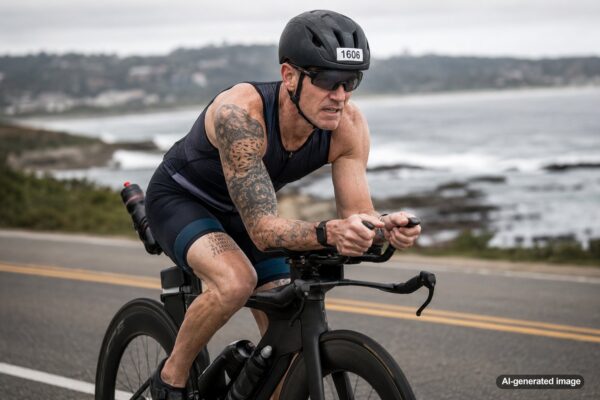
Strategic rest is not stepping away from responsibility. It is creating enough recovery to think clearly, make better decisions, protect relationships, and keep performing over a long horizon. In business, just as in endurance sport, sustainable progress requires more than repeated output. It requires a rhythm that allows the system to absorb the work.
Quick answer
- Rest protects decision quality when pressure and complexity are high.
- Recovery helps leaders preserve attention for the work that actually requires their judgment.
- Strategic rest can reduce reactive leadership and improve patience, perspective, and prioritization.
- Teams often perform better when recovery is treated as part of execution rather than a reward after exhaustion.
- The goal is not to work less by default. It is to recover well enough to keep doing meaningful work at a high level.
Growth Creates a Recovery Problem Before Most Leaders Notice It
Early-stage effort can reward intensity. A founder may personally handle sales, operations, customer problems, hiring, finances, and strategy because the company simply needs someone to do the work. That willingness to carry a heavy load can be useful for a season.
The problem appears when the business grows but the leader’s operating model does not. More employees, more revenue, more customers, and more complexity create additional decisions. Yet the leader may continue behaving as if every issue deserves immediate personal attention.
Eventually, the constraint is not the number of hours available. It is the quality of the leader’s attention inside those hours.
This is one reason leadership and endurance have more in common than they may appear to. Greg Schaefer’s world spans entrepreneurship, endurance sport, family, speaking, advocacy, and the discipline of continuing forward through adversity. Across those arenas, sustained performance is rarely built by treating every day like an all-out effort. It depends on knowing when to press, when to regroup, and how to remain effective over time. Learn more about Greg’s broader background on the About Greg page.
Rest Is Part of Performance, Not the Opposite of It
Many high performers think of recovery as what happens after the important work is finished. That framing is incomplete. Recovery can be one of the conditions that makes important work possible.
A tired leader can still be busy. They can answer messages, attend meetings, review documents, and move tasks across a board. The harder question is whether they are making the best judgments available to them.
Strategic rest protects the kind of capacity that is easy to overlook because it does not appear directly on a financial statement: patience, judgment, emotional control, creativity, perspective, and the ability to distinguish urgent noise from important work.
Those qualities matter when deciding whether to hire, where to invest, which opportunity to decline, how to handle conflict, or whether a disappointing week requires a strategic change at all.
Recovery Helps You See the Business More Clearly
One of the most valuable effects of stepping back is distance. When leaders remain immersed in every operational detail, small problems can begin to look strategic and temporary frustrations can feel permanent.
Distance creates room to ask better questions. Are we solving the right problem? Is this actually urgent? Does this decision require me, or have I failed to delegate it? Are we reacting to one difficult customer when the broader pattern is healthy? Are we continuing a project because it matters or because we have already spent time on it?
Recovery does not automatically answer those questions. It creates better conditions for answering them.
Strategic Rest Is Different From Avoidance
Rest is useful when it restores capacity and supports better execution. Avoidance does the opposite. It delays necessary conversations, decisions, or responsibilities while creating more stress in the background.
The distinction often comes down to intention. Taking an evening away from work because you have completed the day’s highest-value decisions and need to reset can be strategic. Ignoring a serious personnel problem for three weeks because the conversation feels uncomfortable is not recovery.
Healthy rest has a return point. You step away so you can come back with more clarity, not so you can permanently escape the responsibility.
What Strategic Recovery Can Look Like in Business
Recovery does not need to mean disappearing for a two-week vacation every time work becomes demanding. Some of the most useful forms of recovery are smaller and more consistent.
Protecting decision-free time
A leader who makes consequential decisions all day may benefit from periods when nothing requires an answer. That could mean a walk without a phone, a quiet meal, exercise, family time, or simply an evening without reopening the laptop.
Creating boundaries around communication
Being reachable at every hour can train an organization to escalate everything. Reasonable communication boundaries can force better prioritization and help teams solve more problems independently.
Building recovery after intense periods
Product launches, fundraising, major client work, travel, speaking engagements, and difficult organizational changes may require temporary intensity. The mistake is allowing temporary intensity to become the permanent baseline.
Using physical activity as a reset
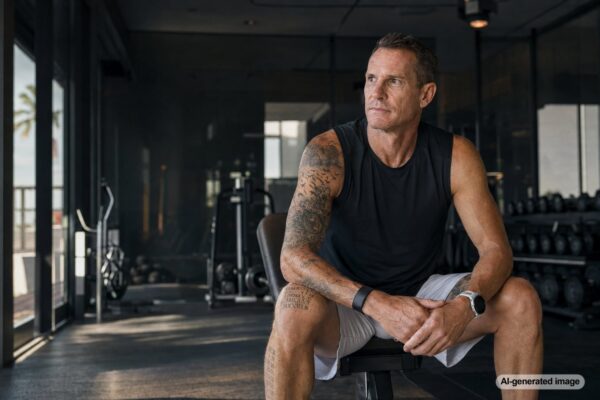
For many leaders, exercise creates psychological distance from work while reinforcing discipline, routine, and focus. The purpose is not to turn recovery into another competition. It is to create space in which the mind can stop processing every business problem at full volume.
Taking real vacations
A vacation loses much of its value if the leader remains the company’s invisible command center from a hotel room. Effective time away often requires preparation: delegation, clear escalation criteria, backup ownership, and confidence that the organization can operate without constant executive intervention.
The Delegation Test: Can the Business Recover Without You?
Strategic rest can reveal something deeper about organizational design. If a founder cannot step away for even a short period without operations becoming unstable, the problem may not be personal stamina. It may be a structural dependency.
That dependency can appear in several ways. Every discount requires approval. Every employee conflict reaches the founder. Every customer escalation becomes an executive emergency. Every strategic question remains trapped in one person’s head.
In that environment, rest feels impossible because the organization has been designed around constant access to the leader.
Improving recovery may therefore require more than better personal habits. It may require clearer roles, stronger managers, documented decision rights, better processes, and a willingness to let capable people own outcomes.
Why Exhaustion Can Make Leaders More Reactive
Fatigue does not always look dramatic. Sometimes it looks like impatience. Sometimes it looks like rewriting an employee’s work instead of coaching them. Sometimes it looks like saying yes to an opportunity because evaluating it carefully feels harder than accepting it.
A depleted leader may also confuse activity with control. More meetings, more messages, and more personal involvement can create the sensation of managing risk while actually increasing organizational dependence.
Strategic rest helps interrupt that cycle by restoring the mental bandwidth required for deliberate leadership.
What leaders often miss about recovery
Recovery is not only about energy. It is also about perspective. You may have enough energy to keep working while lacking the distance necessary to recognize that the work itself should change.
Recovery Should Be Designed Around Your Actual Responsibilities
There is no universal recovery formula because leadership roles are different. A founder in a turnaround, a CEO managing a mature team, an entrepreneur launching a company, and an executive traveling constantly may need different rhythms.
The more useful question is: What kind of recovery restores the capacity your role consumes most?
If your work requires constant social interaction, quiet may be restorative. If you spend the week at a desk, physical activity may help. If your role involves rapid decisions, uninterrupted time may matter. If travel separates you from family, recovery may mean protecting home time rather than filling it with additional obligations.
Strategic rest is personal, but it should not be accidental.
Build Recovery Into the Operating System
Leaders who rely on exhaustion to tell them when to stop usually wait too long. A stronger approach is to create recovery before it becomes an emergency.
That can mean blocking non-meeting time, protecting selected evenings, planning lighter periods after major pushes, delegating recurring approvals, scheduling vacations before the calendar fills, or establishing team expectations around after-hours communication.
The same principle can apply across an organization. Teams cannot operate indefinitely at launch-week intensity. If every deadline is treated as an emergency, genuine emergencies eventually become harder to recognize.
Leaders set the tone through behavior. A CEO who tells employees to rest but sends routine requests late at night communicates a different standard than the policy suggests.
Recovery Can Strengthen Team Performance
Strategic rest is not only an individual leadership issue. It influences culture.
When teams believe that commitment is measured primarily through visible exhaustion, they may optimize for appearances: staying online late, responding immediately, attending unnecessary meetings, and avoiding time off even when coverage exists.
A healthier performance culture focuses on ownership, preparation, communication, judgment, and results. Intensity still has a place. So does recovery.
That balance can be particularly important for leaders trying to build organizations that perform through changing markets, difficult quarters, personal adversity, and long-term growth rather than one short burst of effort.
Three Questions to Ask Before Your Next Push
- What am I trying to accomplish? Define the outcome instead of defaulting to more hours.
- What capacity will this period consume? Consider attention, travel, family time, physical energy, and decision load.
- What recovery will I need afterward? Put it on the calendar before the intense period begins.
This approach turns recovery from an afterthought into part of execution planning.
The Bigger Leadership Lesson
Resilience is sometimes misunderstood as the ability to absorb unlimited pressure. A more durable version is the ability to keep moving without destroying the systems that make movement possible.
That includes your health, relationships, judgment, team, and sense of purpose.
Growth asks leaders to carry more complexity, not simply to work more hours. As responsibility increases, the ability to recover becomes increasingly strategic because the quality of your decisions matters more than the volume of your activity.
That message connects naturally with Greg’s work around leadership, resilience, endurance, and forward motion. Organizations looking to bring those themes into a keynote or leadership event can explore Greg’s speaking work.
Frequently Asked Questions
Does strategic rest mean working fewer hours?
Not necessarily. Strategic rest is about protecting recovery and decision quality. Some seasons may require long hours, while others allow a more sustainable schedule. The key is preventing temporary intensity from becoming the only operating mode.
How can entrepreneurs rest when the business still depends on them?
Start by identifying which responsibilities truly require founder involvement and which can be delegated, documented, automated, or assigned to another owner. Even modest reductions in unnecessary decision load can create meaningful recovery capacity.
Can taking time off hurt business momentum?
Poorly planned time away can create disruption, especially in a business with unclear ownership. Well-planned recovery can expose operational weaknesses, strengthen delegation, and help leaders return with better perspective.
What is the difference between rest and burnout recovery?
Strategic rest is proactive. It is built into a sustainable performance rhythm before severe depletion occurs. Recovery after prolonged exhaustion may require a broader response and, when health concerns are involved, appropriate professional guidance.
How do you create a culture where rest is respected?
Leaders can begin by setting realistic communication norms, planning workloads more deliberately, using time off themselves, rewarding outcomes rather than performative busyness, and making clear who owns decisions when someone is unavailable.
Interested in bringing Greg’s message to your event or organization?
Learn more about Greg’s speaking work or get in touch to start the conversation.
Contact Greg or learn more about the Forward Motion Fund.
This article is for educational purposes only and is not medical advice. For diagnosis, treatment, or personalized medical guidance, please speak with a qualified healthcare professional.