How To Refuel Like A Serious Endurance Athlete
Refueling like a serious endurance athlete is not about chasing the perfect product, copying someone else’s race-day routine, or waiting until you feel empty. It is about building a repeatable system that supports the work you are asking your body to do. Long training days, early alarms, race pressure, family responsibilities, and professional demands all take energy. A smart refueling plan respects that reality.
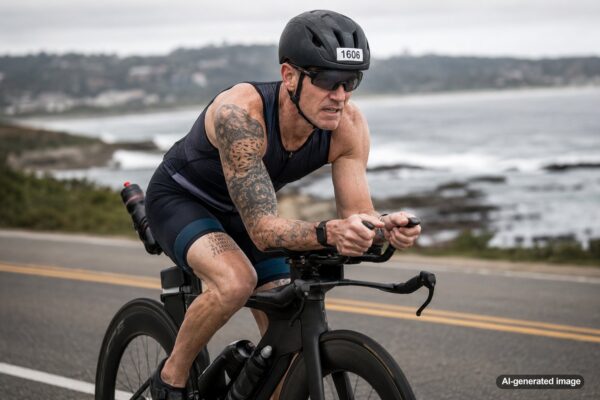
For athletes in Greg Schaefer’s world, endurance is never just physical. It is discipline, patience, problem-solving, and forward motion. Whether you are training for an Ironman, building back after a hard season, or simply trying to recover better from demanding workouts, refueling is one of the quiet habits that keeps the larger mission moving. You can learn more about Greg’s endurance and leadership background on the About Greg page.
Quick answer: what serious endurance athletes get right
- They fuel before they are desperate. Waiting until you feel drained often means you are already behind.
- They practice during training. Race day is not the time to test a new drink mix, bar, gel, or meal timing.
- They separate hydration from calories when needed. Fluids, electrolytes, and food each have a job.
- They recover with intention. Refueling does not end when the watch stops.
- They personalize the plan. Body size, sweat rate, climate, workout length, intensity, digestion, and experience all matter.
Refueling starts before the workout begins
Many athletes think of refueling as something that happens after a workout, but serious endurance athletes know the process starts earlier. If you begin a long run, ride, swim, or brick session under-fueled, the day becomes harder than it needs to be. You may still finish, but the cost can show up later as poor recovery, irritability, flat legs, or an avoidable loss of focus.
The goal before a session is not to feel stuffed. It is to arrive with enough usable energy to train with quality. For some athletes, that means a full meal a few hours beforehand. For others, especially before early sessions, it may mean a lighter option that is familiar, easy to digest, and not overly complicated. The best pre-workout choice is the one your body has already learned to trust.
This is where maturity matters. Serious athletes do not treat every session like a science experiment. They develop a short list of reliable foods and fluids, then use them consistently enough to know what works. Boring can be powerful when the stakes are high.
During long efforts, timing beats toughness
One of the most common mistakes in endurance training is treating fueling as a test of grit. The athlete starts strong, feels good, skips early nutrition, then tries to catch up once the body starts to fade. That approach may feel tough in the moment, but it is rarely strategic.
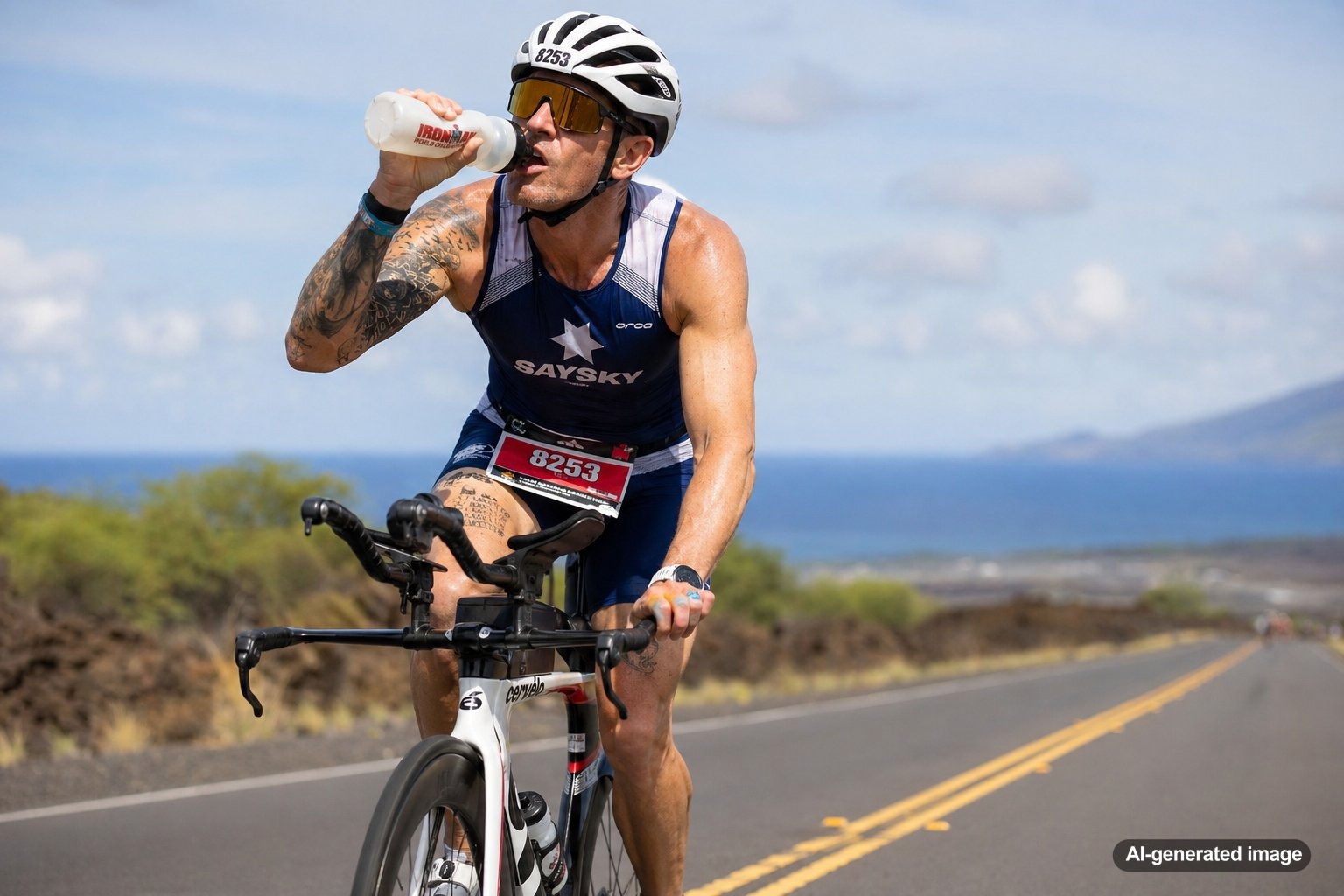
For longer sessions, the key is rhythm. Fueling should be planned into the effort instead of added only when discomfort appears. This could mean taking small amounts at regular intervals, building reminders into a watch, tying nutrition to course landmarks, or using aid stations with a clear plan. The details can vary. The principle does not: stay ahead of the crash.
Serious endurance athletes also understand that intensity changes the equation. A conversational long ride and a race-pace interval session may require different fueling approaches. Heat, humidity, hills, altitude, nerves, and the length of the day can all change how the body feels. A strong plan has structure, but it also leaves room for awareness.
Hydration is not the same as refueling
Hydration and calories often travel together, but they are not the same job. Fluids help support hydration. Electrolytes can help replace what is lost through sweat. Carbohydrate-based fuel provides energy for sustained work. Sometimes one bottle, mix, or product may serve more than one purpose, but serious athletes still understand the difference.
This distinction matters because athletes can make mistakes in both directions. Some drink plenty of plain water but do not take in enough energy for the length of the effort. Others take in calories but forget that heat and sweat loss require their own attention. Some rely on thirst alone in conditions where the body is under more stress than usual. Others overdo fluids without understanding their own needs.
The smarter path is to observe patterns. How salty are your clothes after a hot ride? Do you finish long sessions with headaches? Does your stomach feel better with smaller, more frequent sips? Do certain products work in cool weather but fail in summer? These clues help turn refueling from guesswork into a practiced skill.
Your stomach needs training too
Endurance athletes often train muscles, lungs, pacing, and mindset while forgetting that digestion also needs practice. The stomach that handles breakfast at a kitchen table may not respond the same way during a hot race, a hilly run, or the back half of a long-course triathlon. This is why serious athletes rehearse fueling under realistic conditions.
That rehearsal should include the products, foods, amounts, timing, and fluids you expect to use on big days. It should also include the awkward details: what you can open while moving, what you can tolerate when breathing hard, what feels too sweet after several hours, and what becomes impossible to chew when effort climbs.
Race-day nutrition should feel familiar, not heroic. When the body is tired and the mind is negotiating with discomfort, familiar routines save energy. A practiced plan reduces decision fatigue and gives the athlete one more reason to keep moving.
Recovery refueling should be simple and deliberate
The workout does not end when the watch stops. Serious endurance athletes treat the first stretch after training as part of the session. The body has done work. It needs fluids, food, and a return to steadiness. Skipping that step can turn one hard workout into a lingering problem that affects the next day, the next workout, or the next week.
A practical recovery approach usually starts with rehydrating, eating a balanced meal or snack, and not waiting so long that appetite disappears or convenience takes over. The exact meal can be simple. The point is to give the body building blocks after a meaningful effort. Carbohydrates, protein, fluids, and sodium can all play useful roles depending on the session and the athlete.
Recovery is also where life enters the picture. Many athletes are not finishing a workout and heading to a nap. They are going to work, picking up kids, answering messages, or moving into the next responsibility. That is why preparation matters. A recovery plan that only works under perfect conditions is not a real plan.
What serious athletes often do differently
The difference between casual fueling and serious fueling is not always fancy. Often, it is the attention to small, repeatable behaviors that make the difference. Serious athletes tend to know what they are carrying, when they plan to use it, what backup option they have, and how they will adjust if the day changes.
A practical refueling checklist
- Before: Start with familiar food and fluids that match the timing of the workout.
- During: Fuel on a schedule before energy drops sharply.
- Hydration: Account for heat, sweat, duration, and sodium needs.
- After: Eat and drink with recovery in mind, not as an afterthought.
- Practice: Test the plan in training, not for the first time on race day.
There is also a mindset shift. Refueling is not a reward for completing the work. It is part of doing the work well. That lesson applies beyond endurance sports. Leaders, teams, caregivers, founders, advocates, and families all understand what it means to keep going when the road is long. Energy has to be managed. Support has to be built in. Momentum has to be protected.
Common refueling mistakes to avoid
One mistake is underestimating easy-looking sessions. A workout does not have to feel dramatic to create a recovery demand. Long, steady work still counts. Another mistake is changing too much at once. If you switch breakfast, bottle mix, gels, timing, and caffeine all in the same week, you may not know which variable helped or hurt.
A third mistake is copying another athlete without context. What works for a larger athlete, a lighter athlete, a heavy sweater, a heat-adapted athlete, or an elite competitor may not fit your body or your training life. Inspiration is useful. Blind imitation is not.
The final mistake is ignoring the emotional side of fueling. When athletes are nervous, busy, frustrated, or overly focused on performance, they can skip the basics. The strongest plans are not just physiologically sound. They are realistic enough to survive stress.
FAQ: endurance athlete refueling
Should I refuel on every workout?
Not every workout needs the same approach. Short, easy sessions may require less planning than long or intense training days. The key is to match fueling to the demand, your goals, your health, and how your body responds.
What should I eat after a long workout?
A simple recovery meal or snack that includes fluids, carbohydrates, and protein is often a practical place to start. Many athletes do best when they have a familiar option ready before the workout begins.
How do I know if my fueling plan is working?
Look for patterns over time. Energy during the session, stomach comfort, mood, recovery, sleep, and performance in the next workout can all offer clues. A plan that works should feel repeatable, not lucky.
Should race-day fueling be different from training fueling?
Race day may require adjustments for intensity, nerves, weather, and duration, but the core plan should be practiced in training. The more familiar the plan, the less mental energy it takes when the day gets hard.
The real goal: keep the mission moving
Refueling like a serious endurance athlete is ultimately about respect. Respect for the distance. Respect for the body. Respect for the discipline it takes to keep showing up. In Greg Schaefer’s story, endurance is connected to business, family, advocacy, Parkinson’s awareness, and the belief that forward motion can begin with one more step.
For organizations, teams, and event audiences, that message carries far beyond sport. Performance is not only about pushing harder. It is about preparing wisely, adapting under pressure, and building systems that help people keep moving when the day gets long. To explore how Greg brings that perspective to audiences, visit his Speaking page.
Interested in bringing Greg’s message to your event or organization?
Learn more about Greg’s speaking work or get in touch to start the conversation.
Contact Greg or learn more about the Forward Motion Fund.
This article is for educational purposes only and is not medical advice. For diagnosis, treatment, or personalized medical guidance, please speak with a qualified healthcare professional.