
Peak Performance Nutrition for the 80-Hour Work Week

An 80-hour work week does not reward random eating. It exposes it. Long days, early calls, late meetings, travel, decision fatigue, and family responsibilities can turn nutrition into whatever is closest, fastest, or least disruptive. For leaders, founders, athletes, and mission-driven professionals, the goal is not perfection. The goal is to build a repeatable fueling system that protects energy, steadiness, and decision quality when the schedule gets demanding.
Greg Schaefer’s world sits at the intersection of business leadership, endurance, family, and forward motion. That perspective matters here because peak performance is rarely built on dramatic hacks. It is usually built on small, consistent choices that hold up when life is full. For more on the broader story behind Greg’s work, visit the About Greg page.
Quick answer
- Peak performance nutrition for a demanding work week starts with planning before hunger makes the decision for you.
- Every high-pressure day needs reliable anchors: protein, fiber-rich carbohydrates, fluids, and portable backup options.
- The best system is not the strictest one. It is the one you can repeat during travel, meetings, stress, and family life.
- Energy management is a leadership skill because the way you fuel affects patience, clarity, and follow-through.
- Food should support the mission, not become another source of pressure or perfectionism.
Why long work weeks make nutrition harder
The challenge of an 80-hour week is not only the number of hours. It is the compression of choices. A packed calendar leaves less margin for shopping, cooking, eating slowly, or recovering from a poorly timed meal. When the day is full, nutrition often becomes reactive. Breakfast gets skipped, lunch becomes an afterthought, caffeine stretches into the afternoon, and dinner happens too late to feel restorative.
For entrepreneurs and leaders, this pattern can feel normal because intensity becomes part of the identity. But high output without a fueling strategy eventually creates friction. The mind may still be committed, but the body starts negotiating. Afternoon fog, irritability, sugar cravings, late-night overeating, and inconsistent sleep are often signs that the system needs better support.
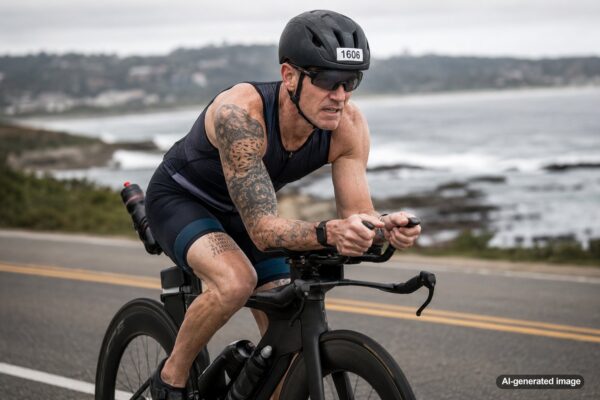
A more useful approach is to think like an endurance athlete. You do not wait until mile 20 to decide whether fueling matters. You plan ahead because performance depends on what happens before the difficult stretch arrives.
Build the day around nutrition anchors
Peak performance nutrition becomes easier when the day has anchors instead of wishful thinking. An anchor is a simple, repeatable food habit that reduces decision fatigue. It does not need to be fancy. It needs to be dependable.
For many busy professionals, the first anchor is a real breakfast or early meal with protein and slow-burning carbohydrates. That might mean eggs with whole-grain toast, Greek yogurt with fruit and nuts, oatmeal with protein added, or a prepared breakfast wrap. The exact meal matters less than the function: steady energy, less morning grazing, and a better start before the calendar takes over.
A second anchor is a planned lunch that is not dependent on finding time. If the day is meeting-heavy, lunch needs to be either packed, ordered before hunger peaks, or built from reliable nearby options. A balanced lunch might include lean protein, vegetables, a satisfying carbohydrate source, and enough fat to keep it from feeling thin or temporary.
The third anchor is a backup plan. Long work weeks rarely go exactly as scheduled. A desk drawer, briefcase, gym bag, or car can hold simple options such as nuts, protein bars, tuna packets, whole-grain crackers, shelf-stable shakes, or dried fruit. These are not meant to replace every meal. They are there to keep a hard day from becoming a nutritional free fall.
Fuel decision quality, not just hunger
Leaders often think about nutrition in terms of weight, appearance, or discipline. A more practical frame is decision quality. When blood sugar feels unstable, hydration is poor, or meals are delayed too long, it becomes harder to stay calm, clear, and patient. That matters in negotiations, hiring decisions, family conversations, and moments when people are looking to you for steadiness.
Good fueling does not remove pressure, but it can reduce unnecessary friction. A leader who eats with some structure is less likely to be pulled around by energy crashes. A founder who keeps a backup meal nearby is less likely to hit the end of the day depleted and reactive. A parent who plans food before the chaos starts has more room to show up at home with presence.
This is where performance nutrition becomes less about self-control and more about self-respect. You are not feeding a calendar. You are supporting the person who has to carry the calendar.
Use caffeine strategically instead of automatically
Caffeine can be useful, but it can also become a substitute for better fueling. During intense weeks, many people use coffee or energy drinks to override missed meals, poor sleep, and dehydration. That may work for a short window, but it often comes with a cost later in the day.
A more strategic approach is to pair caffeine with food and hydration when possible. Coffee after a real breakfast tends to support a steadier morning than coffee on an empty stomach followed by back-to-back meetings. A mid-morning cup may be more useful than repeated afternoon refills that interfere with rest. The point is not to demonize caffeine. It is to stop asking it to do jobs it was never meant to do alone.
Plan for travel, late nights, and broken routines
The best nutrition plan is the one that survives the real week. Travel days, client dinners, airport delays, hotel breakfasts, and late-night work sessions all require practical flexibility. A rigid plan often breaks the moment the environment changes. A resilient plan travels with you.
For travel, that might mean checking the hotel breakfast options before arrival, carrying a protein-based snack, choosing water before another coffee, or ordering a meal that includes protein and vegetables even if it is not perfect. For late nights, it might mean keeping a simple dinner option ready at home so exhaustion does not become the meal plan. For heavy meeting days, it might mean eating earlier than usual because the normal lunch window will disappear.
What people often miss is that high-performance nutrition is not only about the food itself. It is about reducing the number of moments when stress gets to make the decision.
What people often miss
Nutrition during an intense work week is not a moral test. It is an operations problem. If the system depends on perfect timing, perfect discipline, and perfect access to healthy food, the system is too fragile. Strong systems assume the week will get messy and prepare anyway.
Make the evening support tomorrow
For people working extreme hours, tomorrow’s nutrition often begins tonight. A few minutes of preparation can change the next day. That might mean setting out breakfast ingredients, packing lunch, refilling a water bottle, placing snacks in a work bag, or deciding what dinner will be before the day starts.
This is not glamorous, but it is powerful. The evening setup removes friction from the morning. It also creates a quiet message to yourself: I am not waiting until I am depleted to take care of what matters.
That same philosophy connects deeply to Greg’s broader message of forward motion. Progress is often built through one more useful step, repeated when the conditions are not ideal. To explore how that message translates to stages, teams, and organizations, visit Greg’s speaking page.
Practical takeaways for the 80-hour work week
- Choose three dependable meals. Build a small rotation of breakfasts, lunches, and dinners you can repeat without overthinking.
- Keep backup food where pressure happens. Desk, car, carry-on, gym bag, or office fridge. Do not rely on willpower when access is the real problem.
- Eat before the calendar becomes chaotic. On demanding days, waiting for the perfect break often means eating too late.
- Hydrate with intention. Keep water visible and easy. Busy people often mistake low hydration for low motivation.
- Do not let one imperfect meal become a lost day. Reset at the next meal. Resilience applies to nutrition too.
FAQ
What is the best diet for an 80-hour work week?
The best diet is one that provides steady energy, supports your schedule, and can be repeated under pressure. For most people, that means meals built around protein, fiber-rich carbohydrates, fruits or vegetables, healthy fats, and enough hydration. Personal needs vary, so anyone with medical concerns or specific health goals should work with a qualified professional.
How can busy entrepreneurs avoid skipping meals?
Make eating easier before the day gets demanding. Pre-order lunch, pack a simple meal, keep backup snacks nearby, and place meal breaks on the calendar when possible. The key is to remove the assumption that free time will magically appear.
Is meal prep necessary for peak performance?
Meal prep can help, but it does not have to mean cooking every meal for the week. It can be as simple as preparing breakfast ingredients, buying ready-to-assemble lunch items, or keeping a few reliable dinner options available. The goal is fewer decisions during high-pressure moments.
How does nutrition affect leadership performance?
Nutrition can influence energy, patience, concentration, and consistency. It will not solve every leadership challenge, but poor fueling can make hard moments harder. A steadier body often supports a steadier presence.
What should I do after a day of poor eating?
Do not turn one difficult day into a story about failure. Return to the next useful choice: drink water, eat a balanced meal, and prepare one small thing for tomorrow. Momentum is rebuilt through the next step, not through self-criticism.
Interested in bringing Greg’s message to your event or organization?
Learn more about Greg’s speaking work or get in touch to start the conversation.
Contact Greg or learn more about the Forward Motion Fund.
This article is for educational purposes only and is not medical advice. For diagnosis, treatment, or personalized medical guidance, please speak with a qualified healthcare professional.