

How To Develop An Executive Endurance Mindset
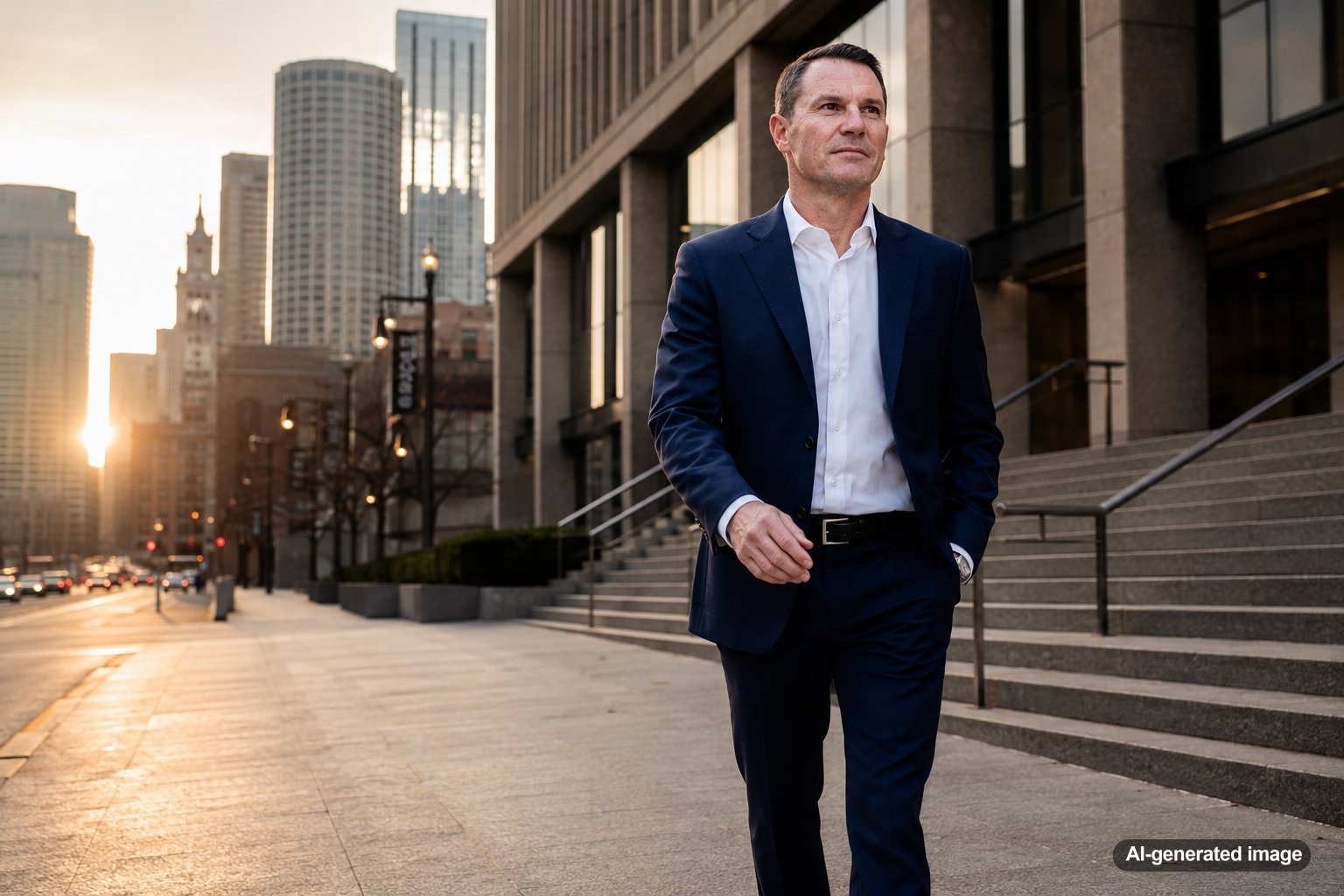
An executive endurance mindset is not about grinding harder until something breaks. It is the ability to keep making clear decisions, protecting what matters, and moving forward through pressure without losing yourself in the process.
For leaders, founders, teams, and high performers, endurance is more than stamina. It is discipline under stress. It is emotional control when circumstances change. It is the willingness to stay in the race long enough to learn, adapt, and lead well. That kind of mindset is built through practice, not personality alone. It is the same kind of grounded resilience that connects business leadership, endurance sports, family responsibility, adversity, and meaningful purpose in Greg Schaefer’s work as a speaker, entrepreneur, athlete, and advocate. To learn more about that broader story, visit Greg’s story.
Quick answer: what is an executive endurance mindset?
- It is the ability to lead with steadiness through long seasons of pressure.
- It combines ambition with recovery, discipline with flexibility, and confidence with humility.
- It helps leaders avoid reactive decisions, burnout patterns, and short-term thinking.
- It is strengthened through small daily standards, honest reflection, and a clear sense of purpose.
- It is not about pretending difficulty does not exist. It is about staying useful, focused, and human while moving through it.
Why endurance matters in executive leadership
Most leaders are trained to think about performance in terms of goals, growth, targets, and outcomes. Those things matter. But long-term leadership is rarely a straight sprint. It includes uncertainty, difficult conversations, fatigue, setbacks, changing markets, personal responsibilities, and moments when the next right move is not obvious.
An endurance mindset helps a leader see pressure differently. Instead of treating every obstacle as a crisis, the leader learns to ask better questions: What actually matters right now? What can wait? What is the cost of forcing this decision? Who needs clarity? What does the team need from me today?
This is where endurance sports offer a useful leadership lens. In a long race, panic burns energy. Ego ruins pacing. Denial makes small problems bigger. The athlete who lasts is often not the one who feels strong every minute. It is the one who understands rhythm, preparation, adaptation, and the discipline of taking the next step when the finish line still feels far away.
1. Start with purpose, not pressure
Pressure can push a person for a while, but purpose is what gives endurance its direction. Leaders who only operate from urgency often become reactive. They chase every problem, absorb every emotion in the room, and confuse being constantly available with being truly effective.
Purpose gives the executive endurance mindset a stronger center. It reminds a leader why the work matters, who it serves, and what kind of person they want to be while doing it. That does not mean every day feels inspiring. It means there is a deeper reason to keep choosing discipline when the work becomes uncomfortable.
For an entrepreneur, purpose may be building something that creates opportunity for a team. For a nonprofit leader, it may be serving a mission that outlasts any single campaign. For an executive team, it may be creating a culture where people can perform without being consumed by the job. Purpose turns pressure into responsibility instead of noise.
2. Build standards before you need them
Endurance is easier to admire than it is to practice. The real work happens before the hardest moment arrives. A leader does not suddenly become calm, disciplined, or resilient in a crisis. Those qualities are built through repeated standards in ordinary conditions.
That may include how meetings are run, how decisions are documented, how recovery time is protected, how conflicts are addressed, and how leaders communicate when results are not where they need to be. Small standards reduce chaos. They also help teams trust the process when things get difficult.
Executives often underestimate the power of consistency because it does not feel dramatic. But consistency is one of the quietest forms of strength. A steady leader gives people something reliable to stand on. That reliability matters most when the team is tired, uncertain, or facing a stretch that requires patience.
3. Learn the difference between toughness and rigidity
Toughness is useful. Rigidity is dangerous. A tough leader can face reality, make hard choices, and stay committed when conditions are not ideal. A rigid leader mistakes stubbornness for strength and may ignore signals that the plan needs to change.
An executive endurance mindset requires both commitment and adaptability. In endurance racing, conditions change. Weather shifts. Energy rises and falls. A pacing plan may need to be adjusted. The goal remains, but the method may need to evolve. Leadership works the same way.
Rigid leaders often say, “This is the plan, so we are sticking with it.” Endurance-minded leaders ask, “What has changed, what have we learned, and what is the strongest next move?” That question protects both performance and people.
4. Protect recovery as a leadership discipline
Many leaders talk about resilience while building schedules that make resilience nearly impossible. They treat exhaustion as proof of commitment and recovery as something to earn later. Over time, that approach weakens judgment, patience, creativity, and emotional steadiness.
Recovery is not laziness. It is part of performance. Leaders who never create space to reset eventually start leading from depletion. They may become short with people, overreact to setbacks, miss details, or lose the ability to see beyond the immediate problem.
Recovery can be simple but intentional: a protected morning routine, real sleep boundaries, time away from screens, exercise, honest conversation, or a few minutes of quiet before a high-stakes meeting. The point is not perfection. The point is to stop treating the human body and mind like unlimited resources.
5. Make the next step clear
In difficult seasons, leaders can become overwhelmed by the distance between where they are and where they want to be. The strategy feels large. The challenge feels personal. The uncertainty feels heavy. In those moments, the endurance mindset comes back to a simple discipline: define the next step.
This does not mean avoiding the big picture. It means breaking the big picture into a move the team can actually make. What conversation needs to happen today? What decision can be made with the information available? What priority should be protected this week? What can be simplified?
Greg’s Forward Motion Fund is rooted in the same spirit of forward motion: one more step, then another. In leadership, that idea is not a slogan. It is a practical way to move through complexity without letting the size of the challenge stop all progress. You can learn more about the mission behind that work through the Forward Motion Fund.
What leaders often miss about endurance
Endurance is not only about lasting longer. It is about lasting better. A leader can survive a difficult season and still damage trust, culture, health, or decision quality along the way. The stronger goal is to move through pressure with enough self-awareness to preserve the things that make leadership worth following.
One overlooked part of endurance is emotional pacing. A leader does not need to share every fear with the team, but they also do not need to perform invincibility. People can usually sense when a leader is pretending. Grounded honesty often builds more trust than forced certainty.
Another overlooked part is identity. If a leader’s entire sense of self depends on winning, scaling, closing, or being seen as strong, setbacks become more threatening than they need to be. Endurance improves when a person has a wider identity: family member, teammate, mentor, community member, learner, athlete, advocate, friend. A broader identity creates room to keep perspective.
Practical ways to build an executive endurance mindset
- Audit your energy, not just your calendar. Look at which commitments drain focus and which ones create traction.
- Create a pressure protocol. Decide in advance how you will communicate, prioritize, and make decisions during high-stress periods.
- Practice calm repetition. Build daily habits that are too simple to brag about but strong enough to support you when pressure rises.
- Ask better post-moment questions. After a hard meeting or setback, ask what was learned, what should change, and what must stay protected.
- Keep mission visible. Remind yourself and your team what the work is serving beyond the next metric.
FAQ
Is an executive endurance mindset only for CEOs?
No. It applies to founders, managers, team leads, nonprofit leaders, athletes, parents, and anyone carrying responsibility over time. The core idea is learning how to stay steady, useful, and values-driven through sustained pressure.
How is endurance different from motivation?
Motivation can help start action, but endurance keeps action going when motivation fades. Endurance depends more on standards, purpose, pacing, recovery, and the ability to adapt.
Can endurance be developed later in life?
Yes. Endurance is not fixed. People can build it through repeated choices, better routines, support systems, and honest reflection. Many leaders develop their deepest endurance after adversity forces them to lead in a new way.
What is the biggest mistake leaders make when trying to be resilient?
One common mistake is confusing resilience with never needing support. Strong leaders ask for help, listen to feedback, protect recovery, and recognize when a challenge requires more than willpower.
Interested in bringing Greg’s message to your event or organization?
Learn more about Greg’s speaking work or get in touch to start the conversation.
Contact Greg or learn more about the Forward Motion Fund.
This article is for educational purposes only and is not medical advice. For diagnosis, treatment, or personalized medical guidance, please speak with a qualified healthcare professional.


