Why Physical Fitness Is A Business Asset For Leaders
Physical fitness is often treated like a personal side project, something leaders try to fit in after the meetings, travel, decisions, emails, and pressure of the day. But for leaders who carry real responsibility, fitness is not separate from performance. It can become one of the quiet systems that supports clearer thinking, steadier energy, better emotional control, and more consistent follow-through.
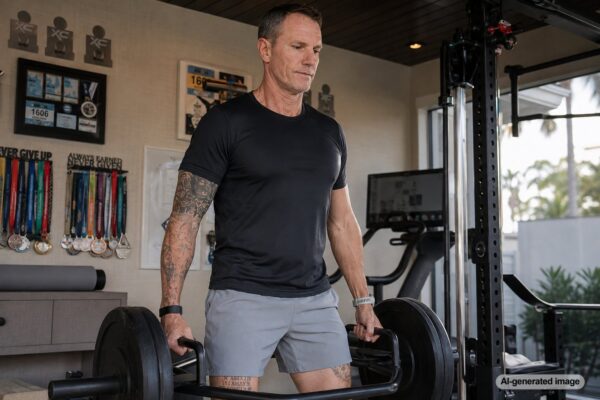
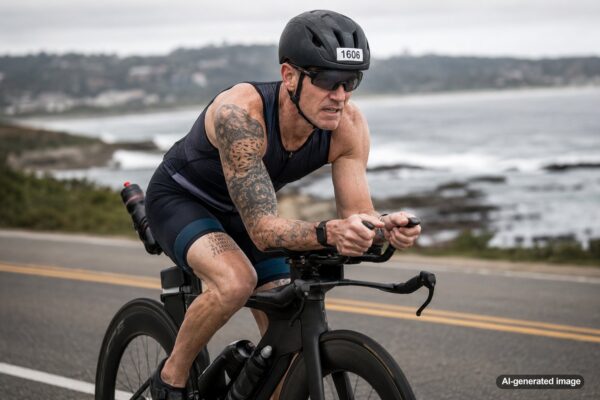
That does not mean every leader needs to train for an endurance race or build life around athletics. It means the body a leader brings into the room matters. The condition of that body can influence how decisions are made, how stress is carried, how teams are led, and how much endurance a person has when the work becomes difficult. For someone like Greg Schaefer, whose life connects business leadership, endurance sports, family, adversity, and forward motion, fitness is not about image. It is about capacity.
Quick answer
- Physical fitness can help leaders protect energy, focus, and stamina over long days.
- Training builds habits that translate into business: discipline, patience, recovery, and consistency.
- Fitness can improve how leaders handle pressure because it creates regular practice in discomfort.
- Healthy leadership is not about perfection. It is about building enough capacity to keep showing up well.
- When leaders model sustainable discipline, teams often notice the difference.
Fitness Builds Leadership Capacity, Not Just Physical Strength
Business leadership is demanding because it is not only intellectual. It is physical, emotional, relational, and often deeply personal. A leader may spend the morning making financial decisions, the afternoon supporting a team member through a hard conversation, and the evening thinking through a risk that could shape the future of the company. That kind of work requires more than strategy. It requires capacity.
Physical fitness can strengthen that capacity in practical ways. Regular movement can help leaders build a stronger baseline of energy. Training routines create structure in weeks that are otherwise crowded by urgent needs. Physical effort can offer a place to process pressure without turning every challenge into a meeting, message, or reaction.
There is also a psychological benefit in doing hard things on purpose. A workout, a long run, a ride, a strength session, or a disciplined walk before dawn gives a leader repeated evidence that discomfort does not have to control the next decision. That lesson matters in business. Markets shift. Plans fail. People disappoint. Problems rarely arrive at a convenient time. Leaders who have practiced staying steady under strain often have an advantage when the pressure moves from the gym, road, or trail into the boardroom.
For readers interested in Greg’s broader story of endurance, business, and resilience, his About Greg page offers more context on the lived experience behind this perspective.
Why Physical Discipline Translates Into Business Discipline
Fitness and leadership are linked by a simple pattern: both reward consistency more than occasional intensity. A single strong workout does not create lasting health. A single strong meeting does not create a high-trust culture. Progress comes from the repeated decisions that often happen when no one is applauding.
That is one of the most overlooked business lessons of physical training. Fitness teaches leaders how to respect process. You cannot cram endurance. You cannot fake recovery. You cannot build strength without repetition. Those same principles show up in companies. You cannot build trust with one inspiring speech. You cannot create performance without habits. You cannot lead through uncertainty by only reacting when problems become visible.
Physical training also teaches leaders to separate effort from ego. Some days the smart move is to push. Some days the smart move is to recover. Some days progress looks quiet. In business, that discernment matters. Strong leaders are not the ones who always force more. They are the ones who understand when to accelerate, when to listen, when to protect the team, and when to take one more step because the mission still matters.
The Hidden Business Value Of Energy Management
Many leaders think about time management, but fewer think seriously about energy management. Time is fixed. Energy is more dynamic. It can be protected, wasted, rebuilt, or drained by the systems a leader chooses.
Physical fitness can become a practical tool for managing that energy. A leader who moves regularly may bring more presence into a meeting. A leader who trains consistently may be less likely to make every stressful moment feel like a crisis. A leader who respects sleep, recovery, nutrition, and movement may make better choices simply because they are not always operating from depletion.
This is especially relevant for founders, executives, entrepreneurs, and team leaders who live with constant decision load. When every day asks for judgment, patience, and communication, physical well-being becomes part of the leadership infrastructure. It is not vanity. It is not a hobby. It is maintenance for the person making the decisions.
Fitness Creates A More Credible Relationship With Resilience
Resilience is one of the most overused words in business culture. It can sound empty when it is only used in speeches or slogans. Physical fitness gives resilience a more honest shape because it ties the word to action. Training asks a person to return, repeat, adapt, and continue even when progress is not dramatic.
That kind of resilience is grounded. It is not about pretending difficulty does not exist. It is about building a relationship with difficulty that does not depend on ideal circumstances. A leader who trains learns that some days are heavy, some days are messy, and some days the win is simply not quitting the process.
This matters because teams can usually sense the difference between manufactured motivation and lived discipline. When a leader has earned resilience through real effort, challenge, and consistency, their words carry more weight. They are not just telling people to keep going. They are modeling what steady effort looks like.
What Leaders Often Miss About Fitness
One mistake is treating fitness as another performance contest. For leaders, the goal is not to turn health into one more scoreboard. The goal is to build a body and mind that can support the life, work, and mission in front of them.
Another mistake is assuming fitness only counts if it is extreme. It does not. A consistent walking routine, strength training a few times per week, mobility work, cycling, swimming, running, or any sustainable movement practice can help build capacity. The best routine is not always the most impressive one. It is the one a leader can return to with honesty and consistency.
A third overlooked angle is recovery. In business, leaders often praise intensity while ignoring restoration. But recovery is not weakness. It is part of performance. Training without recovery breaks the system down. Leadership without recovery can do the same thing.
Bottom-line takeaway
Physical fitness is a business asset because it helps leaders build the energy, discipline, patience, and resilience required to make better decisions over time. It is not about looking the part. It is about having the capacity to lead when the work gets hard.
How Leaders Can Think About Fitness More Strategically
A leader does not need a dramatic transformation plan to start treating fitness as a business asset. A more useful starting point is to ask better questions. What kind of energy do I bring into important conversations? Do I have a reliable way to process stress? Am I modeling the discipline I ask from others? Do my habits support the future I say I am building?
Those questions move fitness out of the category of appearance and into the category of alignment. Leadership is not only what a person says in front of a team. It is also what they practice when no one is watching. A leader’s private habits often become public consequences.
For organizations looking for a grounded message on leadership, resilience, endurance, and forward motion, Greg’s work as a speaker brings these themes together in a way that is practical, human, and deeply earned. You can learn more through his speaking page.
FAQ
Does a leader need to be an athlete for fitness to matter?
No. Fitness is not limited to competitive athletes. For leaders, the value is in building sustainable energy, discipline, and resilience through consistent movement and recovery.
How does physical fitness affect leadership presence?
Fitness can support steadier energy and better stress regulation, which may help a leader show up with more patience, clarity, and focus during demanding moments.
Why is consistency more important than intensity?
Leadership and fitness both depend on repeatable habits. Intensity may create short-term momentum, but consistency builds trust, capacity, and long-term progress.
Can fitness help business teams?
Yes, indirectly. When leaders model discipline, recovery, and resilience, they can influence the culture around effort, accountability, and sustainable performance.
Interested in bringing Greg’s message to your event or organization?
Learn more about Greg’s speaking work or get in touch to start the conversation.
Contact Greg or learn more about the Forward Motion Fund.
This article is for educational purposes only and is not medical advice. For diagnosis, treatment, or personalized medical guidance, please speak with a qualified healthcare professional.