
Lead by Example: How Staying Fit Inspires Your Employees
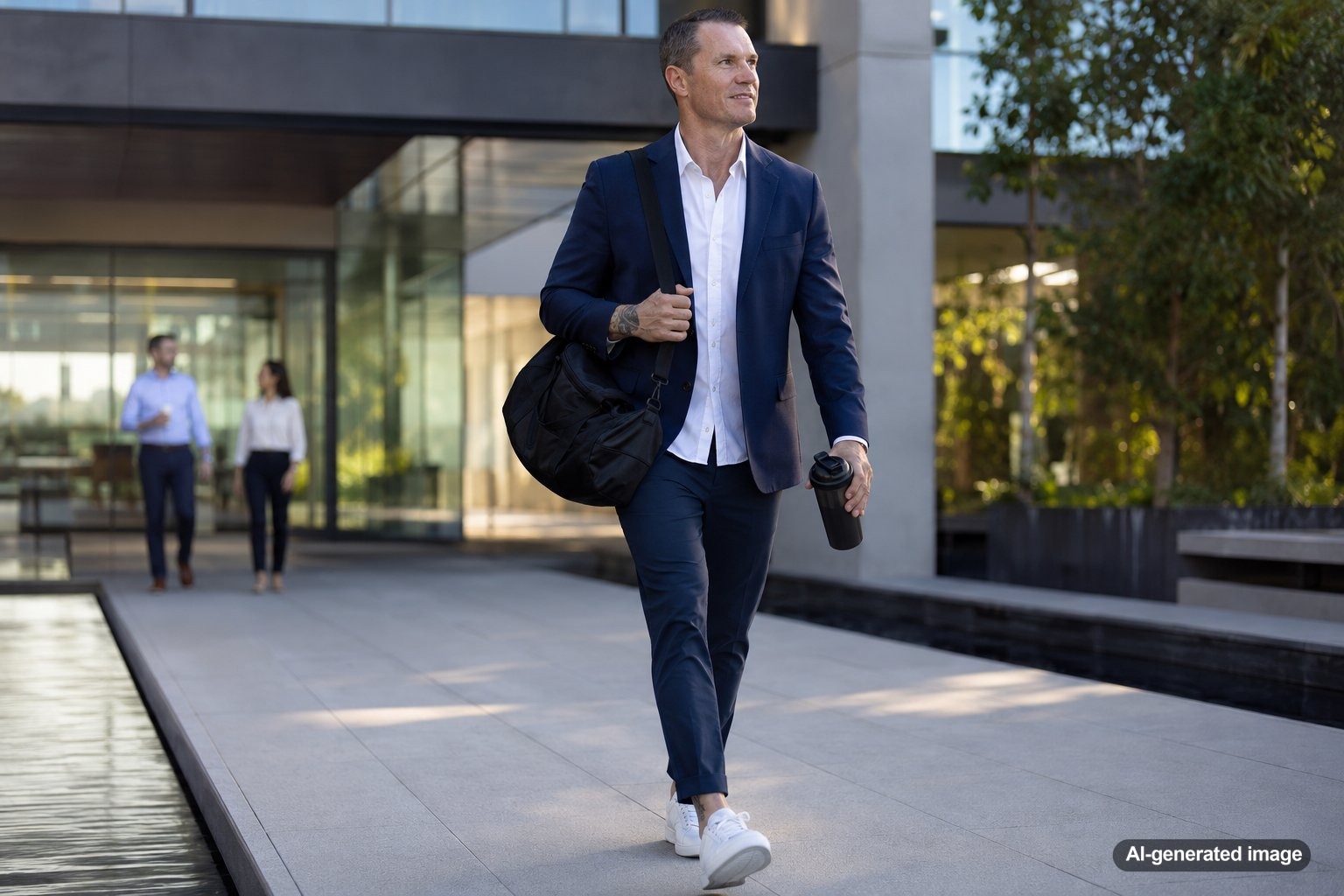
Employees notice what leaders normalize. They notice whether a leader talks about discipline but lives in constant chaos, whether recovery is treated as weakness or wisdom, and whether energy is protected or drained until there is nothing left to give. Staying fit is not about image, ego, or turning the workplace into a gym. At its best, it is a visible expression of self-respect, consistency, and long-term thinking.
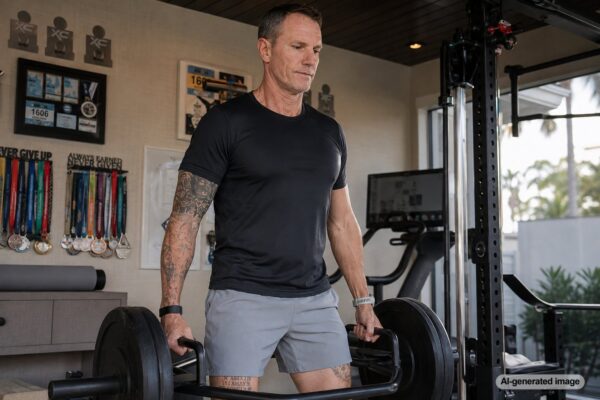
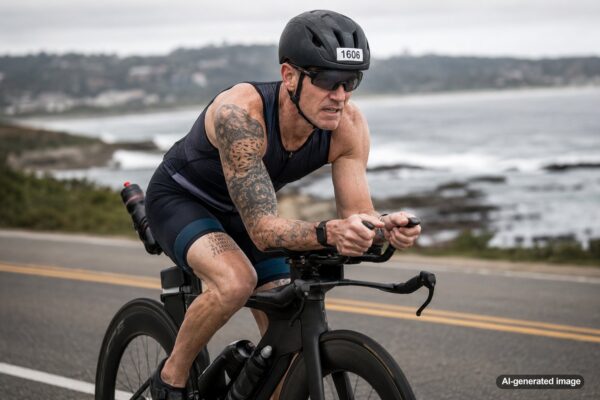
For a leader like Greg Schaefer, whose life brings together business, family, endurance sports, advocacy, and resilience, fitness has never been only about crossing finish lines. It is about learning how to keep showing up when the conditions are not perfect. That kind of example can shape a team more powerfully than a slogan on a conference room wall. To learn more about Greg’s broader story, visit the About Greg page.
Quick answer
- Leaders who stay fit often model consistency, discipline, and follow-through in a way employees can see.
- Fitness can help reinforce a culture where energy, recovery, and sustainable performance matter.
- The goal is not to pressure employees into one version of health. It is to lead with habits that support resilience.
- When leaders make wellness practical instead of performative, teams are more likely to respect it.
- A fit leader can inspire employees by showing that personal discipline and professional responsibility can support each other.
Why personal habits become leadership signals
Leadership is never limited to what gets said in meetings. It is also communicated through patterns. A leader who makes time for movement, recovery, and personal discipline sends a quiet but clear message: performance is built, not wished into existence.
That matters because employees often take cultural cues from the top. If a leader treats exhaustion as a badge of honor, people may feel pressure to do the same. If a leader protects the habits that keep them grounded and effective, it gives others permission to think differently about their own capacity.
Staying fit does not make someone a great leader by itself. Plenty of physically active people still fail to listen, communicate, or build trust. But when fitness is paired with humility, consistency, and service, it can become one part of a much larger leadership example.
Fitness shows discipline without needing a speech
One of the most powerful things about fitness is that it cannot be faked for long. Whether the habit is running, strength training, cycling, walking, swimming, or simply protecting daily movement, it requires repeated choices over time. Employees may not know the details of a leader’s routine, but they can often sense the steadiness that comes from it.
That steadiness can translate into the workplace. The same mindset that gets someone out the door for an early workout can also support preparation before a difficult meeting, patience during a long project, or composure when a business challenge does not resolve quickly.
In that sense, fitness becomes a practical metaphor. It reminds a team that progress is usually built through small, repeated actions. Big outcomes rarely come from one dramatic moment. They come from showing up again, adjusting, learning, and staying in motion.
Healthy leadership should never become pressure or performance
There is an important distinction between inspiring people and making them feel judged. A leader who stays fit should not use personal habits as a measuring stick for everyone else. Employees have different bodies, schedules, responsibilities, health histories, family demands, and stress levels.
The strongest example is not, “Do what I do.” It is, “I take responsibility for the habits that help me lead well.” That kind of leadership creates room for employees to define wellness in realistic ways. For one person, that may be training for a race. For another, it may be taking a walk at lunch, sleeping more consistently, using vacation time, or setting better boundaries with after-hours email.
When leaders keep the focus on sustainability instead of comparison, fitness becomes inclusive rather than intimidating. It becomes less about looking a certain way and more about having the strength, clarity, and stamina to meet life and work with intention.
What employees may learn from a fit leader
Employees are not just inspired by outcomes. They are often inspired by the habits behind the outcomes. When a leader stays fit in a grounded, non-performative way, several lessons can quietly take hold across a team.
Consistency beats intensity
A leader does not need to talk endlessly about workouts to make the point. A steady pattern is enough. Employees may see that success is not built by occasional bursts of effort but by reliable commitments repeated over time.
Energy is a leadership resource
Teams feel the difference between a leader who is constantly depleted and one who manages energy with intention. Fitness can support that intention by reinforcing movement, recovery, focus, and self-awareness.
Resilience is trained in ordinary moments
Resilience is not only needed during crisis. It is built in the daily decisions that prepare someone for pressure before pressure arrives. Training teaches patience, discomfort management, and the ability to keep moving when progress feels slow.
Standards can be personal before they are organizational
Employees respect leaders who hold themselves to a standard before asking others to perform. When a leader practices discipline personally, professional expectations often feel more credible.
How fitness can shape workplace culture
A leader’s fitness habits can influence culture in subtle but meaningful ways. They can encourage conversations about sustainable performance, reduce the glorification of burnout, and normalize the idea that people do better work when they take care of the body and mind that carry them through the workday.
This does not mean every company needs a wellness challenge, step contest, or mandatory fitness initiative. In fact, forced wellness programs can feel hollow if the culture underneath still rewards overwork. A healthier approach begins with leadership behavior. Do meetings respect time? Are breaks treated as laziness or as part of focus? Are people encouraged to recover after intense pushes? Does the organization value long-term performance, not just short-term output?
Fitness can become part of that larger conversation when it is connected to leadership values: preparation, endurance, adaptability, and care. Those values matter in boardrooms, on teams, at home, and on the hardest miles of a race.
Practical ways leaders can model fitness without making it awkward
- Be consistent, not performative. Let your habits speak without turning every workout into a leadership lesson.
- Respect different definitions of wellness. Avoid assuming everyone has the same goals, abilities, schedule, or resources.
- Protect recovery publicly. When appropriate, model rest, boundaries, and sustainable pacing as part of strong performance.
- Connect fitness to values, not vanity. Talk about energy, discipline, resilience, and clarity rather than appearance.
- Create permission, not pressure. Employees should feel encouraged to care for themselves, not evaluated by how closely they follow your routine.
What people often miss
The real leadership lesson is not that every executive should become an endurance athlete. The deeper point is that employees are inspired when leaders live with alignment. When a leader says health matters but never protects it, the message is weak. When a leader says resilience matters and demonstrates it through daily choices, the message has weight.
Greg’s story reflects that broader truth. His identity is not defined by only one role. He is a dad, husband, CEO, speaker, endurance athlete, and advocate who continues to move forward through adversity. That combination gives his message credibility because it is rooted in lived experience, not polished theory. Organizations looking for that kind of grounded, human perspective can explore Greg’s speaking work.
FAQ
Does a leader need to be an athlete to inspire employees?
No. Fitness does not have to mean endurance racing or intense training. Leaders can inspire employees through any sustainable habit that reflects discipline, self-care, and consistency.
Can talking about fitness at work make employees uncomfortable?
It can if the message feels judgmental, exclusive, or appearance-focused. The better approach is to connect fitness to energy, resilience, and sustainable performance while respecting that everyone has different needs and limits.
How does fitness connect to leadership?
Fitness can reinforce many leadership qualities, including discipline, patience, preparation, emotional regulation, and the ability to keep going through discomfort. It is not a substitute for strong leadership skills, but it can support them.
What is the best way to promote a healthier team culture?
Start with behavior, not slogans. Respect people’s time, avoid celebrating burnout, support recovery after demanding work, and make room for employees to build healthy routines in ways that fit their lives.
Bottom line
Staying fit inspires employees when it is honest, humble, and connected to something bigger than appearance. It shows that discipline is built in private before it is visible in public. It reminds teams that energy matters, recovery matters, and forward motion is often created one choice at a time.
The most effective leaders do not use fitness to separate themselves from their teams. They use it to model responsibility, resilience, and care. That kind of example can make a workplace stronger because it gives people something real to respect.
Interested in bringing Greg’s message to your event or organization?
Learn more about Greg’s speaking work or get in touch to start the conversation.
Contact Greg or learn more about the Forward Motion Fund.
This article is for educational purposes only and is not medical advice. For diagnosis, treatment, or personalized medical guidance, please speak with a qualified healthcare professional.