

How To Stay Athletic Without Making Fitness Your Entire Identity
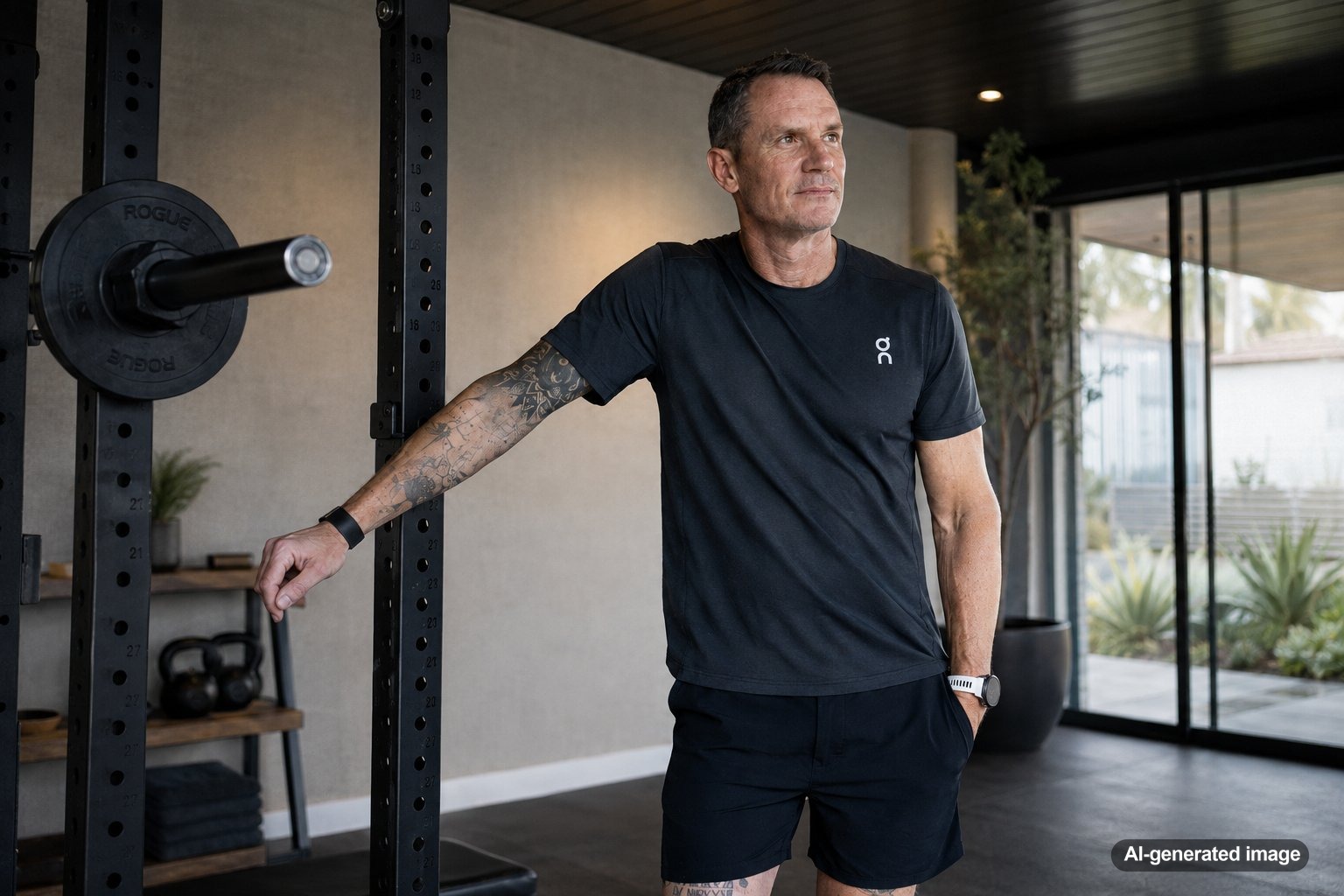
Being athletic can be one of the strongest parts of your life without becoming the definition of your life. Training can give you structure, confidence, friendships, memorable challenges, and a powerful sense of forward motion. The problem starts when every good day depends on a workout, every setback feels like a personal failure, or the answer to the question “Who am I?” becomes almost entirely about what your body can do.
A healthier approach is not to care less about fitness. It is to build a bigger life around it. Greg Schaefer’s own world sits at the intersection of endurance sports, family, business leadership, adversity, advocacy, and purpose. You can learn more about that broader story on his About page. Athleticism can remain important while still being one part of a more complete identity.
Quick answer
- Let training support your life instead of requiring your life to revolve around training.
- Build sources of confidence that have nothing to do with pace, distance, weight, rankings, or appearance.
- Stay invested in relationships, work, service, curiosity, and interests outside sports.
- Treat rest, changing seasons, and setbacks as part of being an athlete rather than evidence that you are losing yourself.
- Keep asking what kind of person you want to become, not only what kind of athlete you want to become.
Make fitness something you do, not the entire answer to who you are
There is nothing wrong with calling yourself an athlete. For many people, that identity is earned through years of early mornings, uncomfortable workouts, disciplined choices, races, setbacks, and consistency. It can be a meaningful source of pride.
The distinction is whether “athlete” is one strong part of your identity or whether it crowds out everything else. A person can be an athlete and also be a parent, spouse, friend, leader, entrepreneur, volunteer, mentor, creator, student, or advocate. Those roles do not compete with athleticism. They give it context.
This matters because athletic performance is never perfectly stable. Schedules change. Bodies change. Careers become demanding. Families need more attention. Injuries happen. Motivation rises and falls. Even highly committed athletes move through seasons when training cannot occupy the same amount of space it once did.
If your entire identity depends on uninterrupted athletic performance, normal changes can feel much larger than they are. If your identity is broader, you can adapt without feeling as though you have disappeared.
Separate athletic discipline from athletic metrics
One overlooked way fitness takes over identity is through constant measurement. Pace, mileage, power, weight, rankings, streaks, personal records, and race results can all be useful information. They become less useful when they start deciding whether you feel worthy, productive, or successful.
A more durable athletic identity is built around qualities that survive changing numbers: consistency, patience, courage, preparation, humility, adaptability, and the willingness to keep showing up. Those qualities can follow you into business, parenting, relationships, leadership, and difficult seasons of life.
Consider two runners who both miss a target race time. One sees the result as evidence that months of work were wasted. The other is disappointed but can still recognize the discipline required to reach the start line, the lessons learned during training, and the relationships built along the way. Both cared about the result. Only one allowed the result to define the entire experience.
Performance matters when you choose to compete. It just does not have to become a verdict on your value.
Protect parts of your week that have nothing to do with training
Balance becomes much easier when it exists on the calendar rather than only as an intention. If every free hour automatically becomes training time, fitness will naturally expand until it occupies nearly everything available.
Protect time for people and pursuits that matter outside athletics. That could mean dinner with family without checking tomorrow’s workout, a standing conversation with a friend, time spent learning something unrelated to sports, mentoring someone, contributing to a cause, or simply enjoying an afternoon that has no performance goal attached to it.
This does not make you less committed. In many cases, it can make athletic life more sustainable because every emotional need is not being placed on one activity.
What people often miss
Fitness can become an identity trap even when it looks healthy from the outside. The warning sign is not necessarily how many hours you train. Someone can train extensively and still have a rich, balanced identity. The better question is what happens emotionally when training is interrupted. If one missed workout seems to erase your confidence, relationships always come second, or every conversation eventually returns to your performance, your identity may have become narrower than you intended.
Keep relationships bigger than your training schedule
Ambitious goals require sacrifice, especially in endurance sports. There are early mornings, long weekends, travel, recovery, and periods when training becomes unusually demanding. The goal is not to pretend those demands do not exist. The goal is to avoid making every important relationship permanently organize itself around them.
A useful distinction is between a temporary season of focus and a permanent expectation that everyone else accommodate your athletic priorities. Training for a major event might require several unusually structured months. That is different from treating every week of every year as if your workout calendar must always win.
Strong support systems also deserve attention in their own right. Family members, friends, training partners, coworkers, and mentors are not merely supporting characters in an athletic story. They are part of the larger life that makes achievement meaningful.
Have goals that cannot be measured on a watch
Athletes are often good at measurable goals. Finish the race. Hit the pace. Complete the distance. Follow the plan. That clarity can be incredibly satisfying, but a meaningful life also includes goals that resist clean measurement.
You might decide to become a more present parent, a calmer leader, a better listener, a more dependable friend, or someone who contributes consistently to a cause. There may be no finish-line clock for those goals. That does not make them less worthy of effort.
In fact, pursuing goals outside athletics can strengthen the qualities that make athletic achievement meaningful in the first place. Discipline becomes more than following a training plan. Resilience becomes more than recovering from a bad race. Leadership becomes more than setting the pace. Purpose becomes something you practice in multiple parts of your life.
Greg’s work through the Forward Motion Fund reflects that broader idea of forward motion by connecting personal challenge with mission-driven impact.
Allow your definition of athletic to evolve
Many people quietly hold a rigid picture of what being athletic is supposed to look like. Maybe it means completing a certain distance, maintaining a certain pace, training a certain number of days, or performing at a level you reached years ago.
A more sustainable definition leaves room for change. Athleticism can include competition, but it can also include movement, practice, curiosity, skill, discipline, and a willingness to challenge yourself appropriately in the season you are actually living.
This becomes especially important during major life transitions. A new child, a demanding job, a move, caregiving responsibilities, a health challenge, or simply getting older can change what training looks like. Adapting is not the same thing as quitting. Sometimes the most athletic decision is adjusting the goal rather than forcing an old version of yourself into a new reality.
Do not confuse rest with losing momentum
Athletic culture often celebrates action. More miles. More sessions. More consistency. More effort. But forward motion is not always visible as physical output.
Rest can protect your enthusiasm. Time away can restore perspective. A lighter season can create room for family, work, service, travel, or another challenge that matters. None of those automatically erase the discipline you have built.
This is where identity matters. If your sense of self is based entirely on constant physical output, rest can feel threatening. If you see athleticism as one expression of deeper qualities, you can recognize that patience and adaptability belong in the same story as effort.
Use sport as a classroom, not an escape from the rest of life
Training teaches lessons because it creates friction. You encounter discomfort, uncertainty, setbacks, limits, ego, patience, preparation, and the consequences of your choices. Those lessons become more valuable when they travel beyond the course, gym, pool, road, or trail.
Ask what your athletic life is teaching you that can improve the rest of your life. Can the patience required during endurance training make you more patient with a colleague? Can the humility of a difficult race make you more willing to change direction in business? Can the consistency required to train help you become more dependable at home?
Sport becomes especially powerful when it develops a person rather than simply producing a result.
Create more than one source of confidence
If nearly all your confidence comes from fitness, every interruption carries enormous emotional weight. A disappointing workout can affect the entire day. A missed race can feel like a crisis. A period of reduced training can make you question who you are.
Broader confidence is more stable. You can be proud of how you treat people, how you lead, how you respond to adversity, how you care for your family, how you contribute to your community, and how willing you are to keep learning. Athletic achievement can sit alongside those things instead of carrying the whole burden.
Think of identity as a table supported by several legs. Fitness can be a strong one. The goal is simply not to build a table with only one.
Know the difference between commitment and obsession
Commitment usually has context. It understands priorities, accepts tradeoffs, and can adjust when circumstances change. Obsession tends to make every competing priority feel like an obstacle.
A committed athlete can train seriously and still recognize when a child’s event matters more than a workout. A committed athlete can care deeply about a race and still have meaningful conversations that are not about training. A committed athlete can take pride in performance without requiring constant proof of it.
One practical question can help: If I could not do my preferred form of training for the next several months, what parts of my life would still make me feel useful, connected, challenged, and alive?
If that question is difficult to answer, it may be worth investing more energy outside fitness before circumstances force the issue.
Stay serious about the sport while staying curious about the person
You do not need to become casual about athletic goals to build a broader identity. You can train hard, race seriously, enjoy competition, chase difficult objectives, and care about improvement. The shift is simply remembering that athletic performance is something you practice, not the complete definition of the person doing the practicing.
Keep asking questions that extend beyond performance. What kind of spouse, parent, friend, leader, or teammate are you becoming? What values are becoming stronger because of your training? What opportunities deserve attention outside sport? What matters when nobody is watching, timing, ranking, or applauding?
Those questions do not weaken athletic ambition. They make sure ambition serves a life worth building.
Frequently asked questions
Is it unhealthy to strongly identify as an athlete?
Not necessarily. Being an athlete can be a meaningful and positive part of identity. The concern is whether it becomes so dominant that changes in training or performance destabilize your entire sense of self. A broader identity gives you more ways to experience purpose, confidence, and connection.
Can you train seriously and still have balance?
Yes. Balance does not mean every part of life receives equal time every day. Serious athletes often move through demanding training seasons. The important distinction is whether those seasons are intentional and whether relationships, responsibilities, and other meaningful parts of life remain visible rather than permanently secondary.
How can I develop interests outside fitness?
Start small. Reconnect with something you enjoyed before training became central, learn a skill unrelated to sports, volunteer, invest in a relationship, read outside your usual interests, or take on a project with no athletic outcome attached. The objective is not to replace fitness. It is to expand the number of things that make life interesting.
What if most of my friends are athletes?
There is nothing wrong with having an athletic community. The useful question is whether those relationships have substance beyond workouts and races. Strong friendships can begin through sport and grow into conversations about family, work, purpose, setbacks, humor, and life outside training.
Does changing my athletic goals mean I am giving up?
No. Goals can evolve as circumstances evolve. Changing a distance, schedule, competitive target, or training approach can be an expression of judgment and adaptability rather than a lack of commitment.
The bottom line
Stay athletic. Chase hard things. Enjoy the structure, competition, friendships, and confidence that sport can create. Just keep building a life that remains meaningful when the workout ends. The strongest athletic identity is not one that consumes every other role. It is one that strengthens the person you bring into all of them.
Interested in bringing Greg’s message to your event or organization?
Learn more about Greg’s speaking work or get in touch to start the conversation.
Contact Greg or learn more about the Forward Motion Fund.
This article is for educational purposes only and is not medical advice. For diagnosis, treatment, or personalized medical guidance, please speak with a qualified healthcare professional.


