

Supporting Youth Education Programs Through Athletics
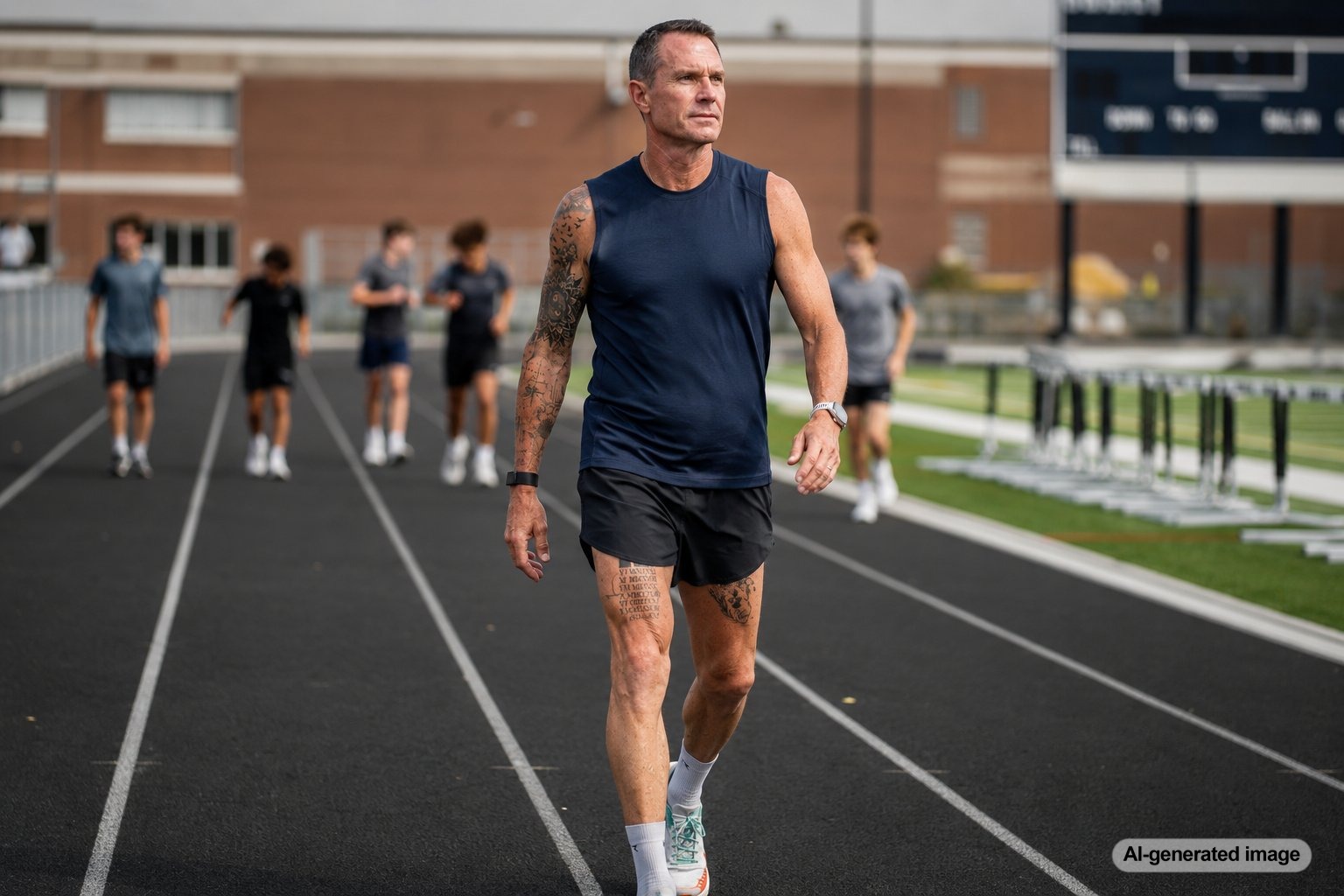
Athletics can open a door that a classroom alone may not always reach. For a young person, a team, a race, a practice field, or a coach who keeps showing up can become a place where confidence is built one small decision at a time.
Supporting youth education programs through athletics is not just about producing better athletes. At its best, it is about helping young people learn discipline, resilience, accountability, communication, and self-belief in a setting where effort is visible and progress is earned. That idea connects naturally to Greg Schaefer’s broader mission of forward motion, where each step can carry purpose beyond the finish line. Learn more about that mission through the Forward Motion Fund.
Quick answer
- Athletics can support education by helping students build habits that carry into school, work, and life.
- Strong programs often combine access, mentorship, consistency, and practical support.
- The most meaningful impact is not limited to wins, medals, or race results.
- Sports can give young people a safe place to practice effort, leadership, teamwork, and perseverance.
- Mission-driven support can help remove barriers so more students have the chance to participate.
Why athletics can strengthen youth education
Education is not only shaped by textbooks, grades, and test scores. It is also shaped by the daily habits a young person learns to trust. Showing up on time. Listening to instruction. Recovering from a setback. Taking feedback without shutting down. Working toward a goal that cannot be reached overnight.
Athletics gives those lessons a physical form. A student can feel what it means to improve. They can see how preparation changes performance. They can experience the difference between quitting when something is uncomfortable and taking one more step with support around them.
That does not mean sports automatically solve educational challenges. They do not. A poorly supported program can exclude the very students who need access most. But when athletics is paired with caring adults, academic encouragement, safe environments, and community investment, it can become a powerful extension of education.
What strong youth athletics programs often provide
The best youth athletics programs are not built only around competition. They are built around development. The scoreboard may matter on game day, but the deeper value often shows up in quieter ways.
- Structure: Students learn how routines, practice, and preparation shape outcomes.
- Belonging: Teams can help young people feel seen, needed, and responsible to others.
- Mentorship: Coaches and program leaders can become trusted adults who reinforce positive choices.
- Confidence: Progress in athletics can help a student believe that effort can change what feels possible.
- Accountability: Participation can teach young people how their choices affect teammates, families, and goals.
For many students, these lessons do not stay on the field or the course. They follow them into the classroom, into part-time jobs, into family responsibilities, and into the way they handle pressure later in life.
The overlooked link between access and opportunity
One of the most important parts of supporting youth education through athletics is understanding that access is not equal. Some young people have transportation, equipment, registration fees, safe places to train, and adults who can rearrange schedules around practices. Others do not.
When a program reduces those barriers, it does more than fund participation. It sends a message: your growth matters here. That message can be especially powerful for students who may not have many spaces where they are consistently encouraged to stretch, fail, recover, and try again.
Access can look practical and unglamorous. A paid entry fee. A pair of shoes. A ride to practice. A coach who checks in. A scholarship that keeps a student involved during a hard season at home. These supports may seem small, but small supports can keep a young person connected long enough for bigger growth to take root.
How athletics teaches resilience without empty slogans
Resilience can become a word people use too loosely. For young people, it should not mean being expected to endure hardship without support. Real resilience is built with guidance, repetition, trust, and room to recover.
Athletics can teach that kind of resilience because it creates regular moments of challenge. A missed shot. A slower race. A difficult practice. A mistake in front of teammates. A season that does not go as planned. These moments are not failures when the adults around a student help turn them into learning.
That is where the lesson becomes bigger than sport. A young person begins to understand that a hard day is not the same as the end of the road. They learn how to regroup. They learn how to ask for help. They learn how to return with humility and courage.
What people often miss about sports and education
Beyond the obvious benefits
It is easy to say that sports teach teamwork and discipline. Those things are true, but the deeper impact is often more personal. Athletics can help young people develop a relationship with effort. They begin to understand that progress may be slow, that consistency matters, and that their identity does not have to be defined by one result.
For students who struggle academically, socially, or emotionally, athletics can sometimes become a bridge back to confidence. A young person who does not yet see themselves as a strong student may first learn to see themselves as someone who can improve, contribute, and be counted on. That belief can become portable.
For students who already excel in school, athletics can teach a different lesson: that achievement is not only individual. It can require humility, teamwork, patience, and service to something larger than personal success.
Supporting programs with purpose, not just good intentions
Mission-driven support works best when it respects the real needs of the community being served. That means listening before acting. It means supporting programs that are already building trust. It means understanding that youth development requires consistency, not one-time attention.
For Greg Schaefer, the idea of forward motion is not limited to endurance racing. It is a way of thinking about what happens when people keep moving with purpose, especially when the road changes. Supporting youth education programs through athletics fits that larger vision because it helps young people build tools they can carry into their own futures.
That is also why this kind of work belongs beside other parts of Greg’s story: family, business leadership, endurance sports, advocacy, and community impact. His message is not simply about pushing harder. It is about continuing with meaning, and helping others find their next step too. To understand more about Greg’s background and mission, visit the About Greg page.
Practical ways communities can support youth athletics and education
Support does not always have to be complicated. Communities can make a meaningful difference when they focus on practical needs and long-term consistency.
- Fund participation costs so students are not excluded by fees, equipment, travel, or uniforms.
- Support coach and mentor development because the quality of adult leadership often shapes the quality of the experience.
- Connect athletics to academic encouragement through study support, attendance expectations, and positive accountability.
- Create inclusive entry points for students who are new to sports, less confident, or not yet highly skilled.
- Celebrate growth, not only performance so young people learn that effort, character, and progress matter.
The goal is not to turn every child into a competitive athlete. The goal is to use athletics as one meaningful pathway toward confidence, connection, education, and opportunity.
FAQ
How do athletics support youth education?
Athletics can support youth education by helping students practice discipline, teamwork, goal-setting, resilience, and accountability. These skills can carry into school, relationships, work, and future leadership opportunities.
Do sports programs need to be competitive to be valuable?
No. Competition can be meaningful, but the deepest value often comes from participation, mentorship, consistency, and personal growth. Recreational, community-based, and introductory programs can all support youth development.
Why is access so important?
Access matters because many students face barriers such as cost, transportation, equipment, or lack of nearby programs. Removing those barriers can help more young people experience the benefits of athletics and mentorship.
How can donors or community members help?
They can support organizations that provide scholarships, equipment, coaching, transportation, academic support, and safe participation opportunities. The strongest support is often practical, consistent, and aligned with what the community actually needs.
How does this connect to Greg Schaefer’s mission?
Greg’s platform is built around forward motion, resilience, family, leadership, endurance, and mission-driven impact. Supporting youth education programs through athletics reflects that belief in helping people keep moving toward possibility, one step at a time.
Interested in bringing Greg’s message to your event or organization?
Learn more about Greg’s speaking work or get in touch to start the conversation.
Contact Greg or learn more about the Forward Motion Fund.
This article is for educational purposes only and is not medical advice. For diagnosis, treatment, or personalized medical guidance, please speak with a qualified healthcare professional.