
What Active People Should Know After a Parkinson’s Diagnosis

For an active person, a Parkinson’s diagnosis can feel like the ground moved under a life that was built around motion. The first questions are often practical and personal at the same time: Can I still train? Should I change what I do? What happens to the identity I built through movement, endurance, work, family, and discipline?
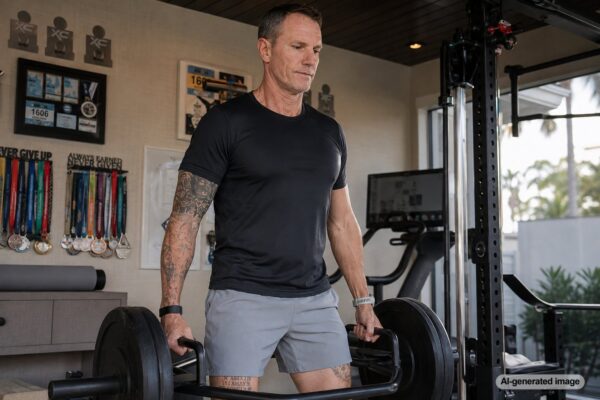
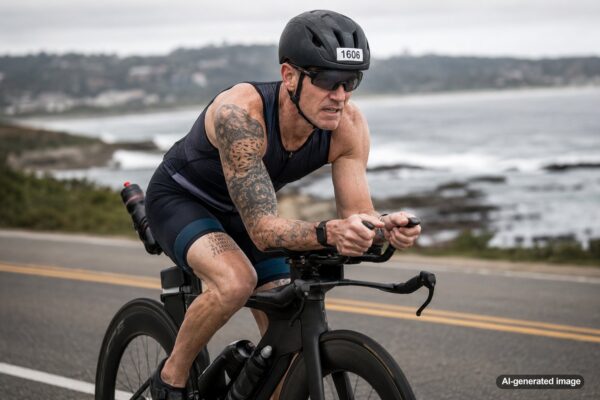
The clearest answer is that staying active can still matter deeply, but it may need a new level of intention. Greg Schaefer’s story is rooted in that intersection of endurance, leadership, family, and Young-Onset Parkinson’s. His message is not that movement erases difficulty. It is that forward motion can become a way to meet the reality in front of you with structure, support, and one more step.
To learn more about Greg’s broader work as a speaker, athlete, entrepreneur, and advocate, visit his About page.
Quick answer
- An active life does not automatically end after a Parkinson’s diagnosis, but it may need smarter planning, professional guidance, and honest adjustment.
- Exercise can be part of Parkinson’s care, especially when it includes aerobic work, strength, flexibility, balance, agility, and functional movement.
- Training should be coordinated with a qualified healthcare professional, particularly if symptoms, medications, balance, fatigue, or recovery patterns are changing.
- Identity matters. Many active people need to grieve what has changed while also building a new relationship with movement.
- Support systems, from family to clinicians to training partners, can help active people stay safer, more consistent, and less isolated.
Your diagnosis is information, not an instant ending
For someone who loves racing, lifting, cycling, running, swimming, hiking, or simply pushing hard in life, Parkinson’s can feel like a threat to independence. That emotional response is real. It deserves more than a hollow pep talk.
A diagnosis gives you information that needs to be taken seriously. It does not define every mile, every workout, every family role, or every future goal in one moment. Parkinson’s experiences vary widely. Symptoms, progression, medications, recovery, sleep, stress, and daily capacity can all look different from one person to another.
That is why active people need both courage and precision. The goal is not to pretend nothing changed. The goal is to build a stronger operating system around the life you still want to live.
Movement may become more important, not less
Major Parkinson’s organizations consistently describe exercise as an important part of living with Parkinson’s. The Parkinson’s Foundation notes that exercise can support mobility, flexibility, balance, and some non-motor symptoms. The Michael J. Fox Foundation also emphasizes regular movement as a tool that can support strength, flexibility, mood, and overall function.
For active people, this can be both encouraging and humbling. You may already have a strong fitness base, but Parkinson’s can change what your body needs from training. A long run may still matter, but so might balance work. Heavy strength training may still be part of your life, but so might mobility, footwork, rotational control, and recovery discipline.
In other words, the question may shift from “How hard can I go?” to “What kind of movement helps me stay capable, resilient, and present over time?”
Do not confuse fitness with invincibility
Athletes and high-achievers can be especially good at pushing through discomfort. That mindset can be valuable. It can also hide important signals.
After a Parkinson’s diagnosis, it is worth paying closer attention to patterns that may not have mattered before. Are you tripping more often? Is one side of your body moving differently? Is recovery taking longer? Are fatigue, sleep, stiffness, balance, medication timing, or coordination affecting your workouts? These are not reasons to panic. They are reasons to communicate with the right professionals and adjust intelligently.
Many active people are used to measuring progress by pace, watts, weight, mileage, or competition results. After diagnosis, progress may also mean preserving function, staying consistent, reducing unnecessary risk, maintaining confidence, and showing up for the people who count on you.
Build a care and training team that understands your goals
One overlooked step is making sure your support team understands that activity is not a side hobby. For many people, movement is part of identity, mental health, leadership, family life, and community. A clinician, physical therapist, coach, or trainer who understands Parkinson’s can help you think through practical details instead of giving generic advice.
Useful conversations may include:
- How symptoms or medication timing may affect workouts, racing, balance, and recovery
- Whether a physical therapist with Parkinson’s experience should evaluate gait, strength, mobility, and fall risk
- How to include balance, agility, stretching, strength, and aerobic work in a way that fits your life
- When to pull back, modify, or get checked before pushing harder
- How to keep training meaningful without turning every session into a test of toughness
This is not about becoming fragile. It is about becoming more deliberate.
Protect the identity behind the activity
Active people often do not just exercise. They belong to teams, training groups, race communities, gyms, trails, charity events, and shared rituals. Parkinson’s can make a person wonder whether they still belong in those spaces.
The emotional work matters. You may need to adjust expectations without surrendering identity. You may need to talk with family about what support looks like without making them feel responsible for every mile. You may need training partners who understand that some days require patience and others still call for intensity.
Greg’s platform is built around forward motion because that phrase holds both truths: there is difficulty, and there is movement. There is uncertainty, and there is the next step. There is a diagnosis, and there is still a whole person with work, family, purpose, and contribution ahead.
Practical shifts active people often overlook
The most useful adjustments are often simple, but not always obvious.
- Warm-ups matter more. Give your nervous system and joints time to organize before higher-intensity work.
- Balance should be trained, not assumed. Even strong athletes can benefit from targeted balance, agility, and functional movement practice.
- Recovery is part of the plan. Sleep, stress, hydration, nutrition, and rest days can affect consistency.
- Metrics may need context. Pace or power can be useful, but how you move, recover, and feel also matters.
- Community reduces isolation. Training with the right people can help you stay connected, accountable, and encouraged.
What people often miss
Being active before diagnosis is an advantage, but it is not a complete plan. A strong fitness history can help, but Parkinson’s-specific guidance still matters.
Hope and realism can exist together. You can pursue goals while still acknowledging limits, changes, and hard days.
Your family may need guidance too. Partners, children, friends, and caregivers may not know when to encourage, when to step in, and when to simply stand beside you.
Purpose can carry training through uncertainty. A race, a speech, a family milestone, a community cause, or a mission can give movement a deeper reason to continue.
FAQ
Can active people keep exercising after a Parkinson’s diagnosis?
Many people can continue exercising, but the right approach depends on symptoms, safety, medications, fitness history, and medical guidance. A qualified healthcare professional can help you decide what is appropriate for your situation.
What types of exercise are commonly discussed for Parkinson’s?
Parkinson’s exercise resources often discuss aerobic activity, strength training, flexibility, balance, agility, functional movement, and activities that challenge coordination. The best mix should be individualized.
Should I keep training for races or endurance events?
That depends on your health, goals, symptoms, training history, and clinician guidance. Some people continue pursuing athletic goals with thoughtful adjustments. The key is not to copy someone else’s path, but to build a plan that respects your own body and support system.
How can family members support an active person with Parkinson’s?
Support may include listening without taking over, helping with logistics, encouraging consistency, noticing changes, and respecting that movement may be tied to identity and dignity, not just fitness.
Where does Greg’s message fit into this conversation?
Greg brings a lived perspective shaped by family, business leadership, endurance sports, Young-Onset Parkinson’s, and advocacy. His message helps audiences understand resilience as something practiced through daily choices, not as a slogan.
Interested in bringing Greg’s message to your event or organization?
Learn more about Greg’s speaking work or get in touch to start the conversation.
Contact Greg or learn more about the Forward Motion Fund.
This article is for educational purposes only and is not medical advice. For diagnosis, treatment, or personalized medical guidance, please speak with a qualified healthcare professional.