
Best Anti-Inflammatory Diets for Parkinson’s Athletes
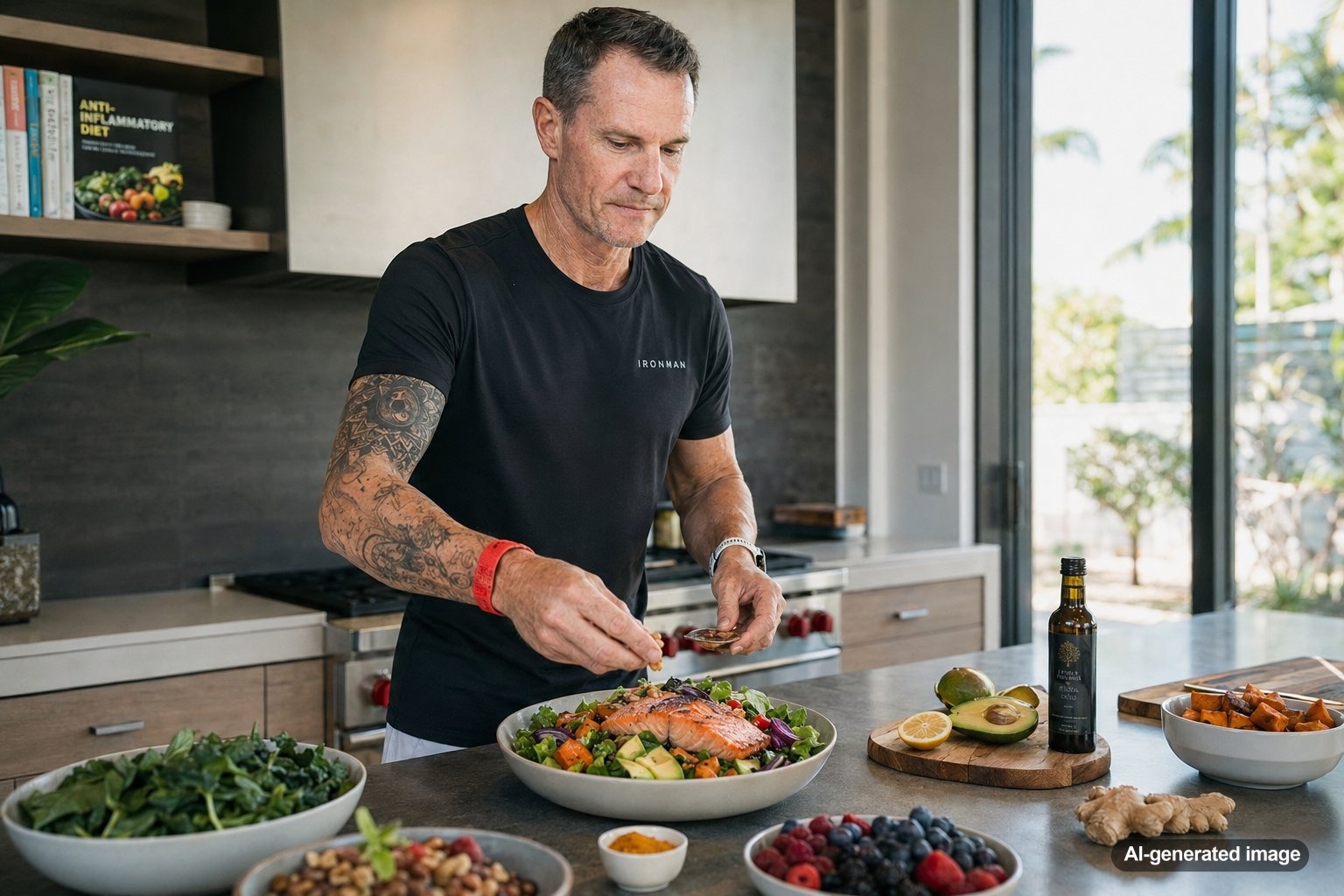
For an athlete living with Parkinson’s, an anti-inflammatory diet should do more than fill a plate with foods labeled healthy. It must support training, recovery, energy, hydration, digestive comfort, medication routines, and the practical realities of living with a neurological condition. No single diet has been proven to stop Parkinson’s or work perfectly for every athlete, but several evidence-informed eating patterns can provide a strong foundation.
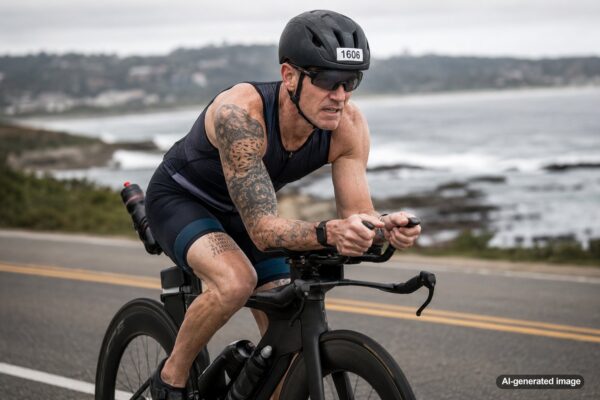
The most useful approach is usually not an extreme protocol. It is a flexible, whole-food pattern built around vegetables, fruit, legumes, whole grains, nuts, seeds, healthy fats, and enough protein and carbohydrates to support the athlete’s workload. That combination reflects the same disciplined, sustainable mindset Greg brings to endurance sport, advocacy, and his broader story of forward motion through adversity.
Quick answer
- The Mediterranean diet is the strongest all-around starting point because it combines plant diversity, healthy fats, fish, whole grains, and flexible food choices.
- The MIND diet is a brain-focused variation that emphasizes leafy greens, berries, nuts, whole grains, beans, and olive oil.
- A plant-forward performance diet can work well when it includes adequate protein, calories, iron, vitamin B12, calcium, and other nutrients important to active people.
- Training nutrition still matters. An eating pattern can be anti-inflammatory while also providing sufficient carbohydrates, protein, fluids, and sodium for athletic performance.
- Medication timing and individual symptoms may change the plan. A neurologist and registered dietitian can help personalize meals around medications, swallowing, appetite, blood pressure, constipation, and training demands.
What does anti-inflammatory eating actually mean?
Inflammation is part of the body’s normal response to exercise, injury, infection, and stress. Hard training temporarily increases inflammatory activity as the body repairs tissue and adapts. The goal is not to eliminate that process. It is to create a nutritional environment that supports recovery without relying heavily on foods associated with poor metabolic health when eaten in excess.
An anti-inflammatory eating pattern generally emphasizes minimally processed foods, colorful plants, fiber, unsaturated fats, and varied protein sources. It tends to limit frequent consumption of heavily processed meats, refined carbohydrates, fried foods, excessive added sugar, and foods high in saturated fat.
For a Parkinson’s athlete, the word pattern matters. A handful of berries cannot compensate for chronic under-fueling, and an expensive supplement cannot replace regular meals. Consistency across weeks and months is more meaningful than chasing one supposedly powerful ingredient.
1. Mediterranean diet: the best all-around foundation
The Mediterranean diet is often the most practical starting point for active people with Parkinson’s. It emphasizes vegetables, fruits, beans, lentils, whole grains, nuts, seeds, olive oil, fish, and moderate amounts of poultry and dairy. Red meat, sweets, fried foods, and highly processed foods are generally consumed less often.
Its greatest strength is flexibility. The Mediterranean model is a style of eating, not a rigid menu or one regional cuisine. An athlete could build it around a grain bowl with salmon and vegetables, a bean-based chili with avocado, a chicken and vegetable stir-fry with brown rice, or oatmeal topped with berries, walnuts, and yogurt.
For endurance athletes, this pattern can provide abundant carbohydrates from oats, potatoes, rice, fruit, beans, and whole-grain breads. It also supplies protein through fish, poultry, eggs, dairy, legumes, and soy foods. Olive oil, nuts, seeds, and fatty fish contribute unsaturated fats without requiring carbohydrate restriction.
Where athletes need to be careful
A Mediterranean diet can become too low in calories if an athlete fills up on vegetables and fiber but does not eat enough energy-dense food. Long-course training may require larger servings of grains, potatoes, fruit, olive oil, nut butter, dairy, or other tolerated foods. During demanding sessions, easily digested sports nutrition may be more useful than a high-fiber whole-food meal.
2. MIND diet: a brain-focused variation
The MIND diet combines principles from Mediterranean and DASH-style eating while placing added emphasis on foods associated with brain health. Common priorities include leafy green vegetables, other vegetables, berries, nuts, beans, whole grains, olive oil, poultry, and fish.
For a Parkinson’s athlete, the MIND framework can serve as a useful checklist rather than a strict rulebook. Leafy greens can appear in omelets, smoothies, salads, soups, or pasta dishes. Berries can be added to oatmeal, yogurt, recovery shakes, or snacks. Beans can support both carbohydrate and protein intake.
The limitation is that a brain-health framework is not automatically a complete sports nutrition plan. It does not tell an athlete how much carbohydrate to consume before a long ride, how to replace sodium during a hot race, or how much protein is appropriate after strength training. Those performance needs must be layered onto the pattern.
3. Plant-forward performance diet: high variety without rigid restriction
A plant-forward diet makes vegetables, fruit, grains, beans, nuts, seeds, and other plant foods the center of most meals while allowing flexibility around fish, eggs, dairy, poultry, or meat. This differs from a strictly vegan diet because the emphasis is on proportion and variety rather than an absolute exclusion rule.
This approach can increase fiber, antioxidants, and the range of plant compounds in the diet. It can also be adapted to an athlete’s culture, preferences, schedule, and digestive tolerance.
A practical plate might include rice or quinoa, roasted vegetables, lentils, olive-oil dressing, and grilled fish. Another option could be pasta with tomato sauce, spinach, white beans, and chicken. The athlete receives plant diversity without sacrificing the energy density or protein needed for recovery.
Potential gaps to monitor
A highly restrictive plant-based plan may require careful attention to protein quality, total calories, vitamin B12, iron, calcium, vitamin D, iodine, zinc, and omega-3 fats. Those concerns are especially relevant when training volume is high, appetite is inconsistent, or unintentional weight loss is occurring. Blood testing and individualized guidance should come from qualified healthcare professionals rather than assumptions or online supplement protocols.
4. Omega-3-rich whole-food pattern: useful within a complete diet
Fatty fish such as salmon, sardines, trout, and mackerel provide omega-3 fats along with protein. Plant foods such as walnuts, chia seeds, and ground flaxseed provide another type of omega-3 fat. These foods fit naturally into Mediterranean, MIND, and plant-forward diets.
It is more accurate to view omega-3-rich foods as one component of a balanced eating pattern than as a stand-alone diet. Eating salmon twice in a week does not make an otherwise nutrient-poor plan anti-inflammatory. The surrounding pattern still matters.
Supplement decisions deserve caution. Concentrated fish oil or other products can interact with medications or create unwanted effects for some people. A clinician should review supplements, doses, and possible interactions before they become part of a routine.
5. Performance-adjusted anti-inflammatory eating
The best diet for a Parkinson’s athlete must work on both ordinary days and demanding training days. A meal plan that looks ideal on paper but leaves the athlete depleted during a four-hour ride is not serving its purpose.
Carbohydrates are particularly important for moderate-to-high intensity endurance exercise. Whole grains, beans, vegetables, and fruit can provide much of the daily foundation, while lower-fiber choices may be more comfortable immediately before or during training. White rice, bananas, toast, pretzels, sports drinks, gels, and similar options are not nutritional failures when used strategically for performance.
Protein should be distributed across the day rather than saved for one oversized dinner. Eggs, yogurt, fish, poultry, tofu, beans, lentils, milk, and fortified alternatives can all contribute. After training, a combination of carbohydrate, protein, and fluids can support replenishment and tissue repair.
Hydration also requires individual planning. Parkinson’s can be associated with issues such as constipation or changes in blood pressure, while endurance exercise increases fluid and electrolyte losses. Needs vary with body size, weather, sweat rate, session duration, medications, and medical history. Athletes should avoid copying another person’s hydration formula without considering those differences.
Medication timing can affect meal planning
Some people taking levodopa find that dietary protein influences how reliably a dose works because amino acids and the medication can compete during absorption and transport. This does not mean every person with Parkinson’s should reduce protein. Athletes need adequate protein to preserve muscle, recover from training, and support overall health.
Instead, a clinician or registered dietitian may help evaluate whether changing the timing or distribution of protein is appropriate. One person may tolerate protein at every meal without difficulty. Another may be advised to place a larger share later in the day. Medication should not be rescheduled or altered without guidance from the prescribing professional.
What athletes often miss
- Under-fueling can look like discipline. Constant fatigue, declining performance, poor recovery, irritability, disrupted sleep, or unintended weight loss may indicate that an athlete needs more energy, not a cleaner diet.
- Fiber timing matters. Beans, bran, and raw vegetables are nutritious, but large portions immediately before training may cause gastrointestinal discomfort.
- Processed does not always mean harmful. Frozen vegetables, canned beans, yogurt, whole-grain bread, and sports nutrition products can be practical tools.
- Symptoms can change food choices. Swallowing difficulty, tremor, reduced appetite, constipation, nausea, or trouble preparing food may require modified textures, easier meals, adaptive equipment, or professional support.
- Supplements are not automatically safer. Products marketed for inflammation, brain health, or athletic recovery may have uncertain quality, unnecessary doses, or medication interactions.
A practical training-day example
Breakfast: Oatmeal with berries, walnuts, yogurt, and a drizzle of honey, plus water or another appropriate beverage.
Pre-training snack: Banana and toast with nut butter, adjusted for digestive tolerance and session intensity.
During training: Fluids, carbohydrates, and electrolytes based on duration, conditions, sweat losses, and the athlete’s established plan.
Recovery meal: Rice bowl with salmon or tofu, roasted vegetables, olive oil, and fruit.
Snack: Greek yogurt with cherries, or hummus with pita and sliced vegetables.
Dinner: Whole-grain pasta with tomato sauce, spinach, white beans, and chicken or another preferred protein.
This is an illustration, not a universal prescription. Portion sizes, protein timing, fluid intake, and food textures may need to change substantially from one athlete to another.
How to choose the right approach
Start with the eating pattern that feels sustainable and culturally familiar. For many athletes, that will be Mediterranean-style eating. Someone who values an additional brain-health framework may use MIND principles. Someone who prefers fewer animal products may choose a carefully planned plant-forward model.
Then evaluate the plan against real outcomes. Does it provide enough energy for training? Is body weight reasonably stable? Are recovery and sleep supported? Are meals compatible with medication instructions? Can the athlete prepare and eat the food safely? Is the plan flexible enough for travel, races, work, and family life?
The strongest plan is rarely the most restrictive. It is the one that can be repeated, adjusted, and supported by the athlete’s medical and performance team.
Frequently asked questions
Is there one proven anti-inflammatory diet for Parkinson’s?
No single diet has been established as the required diet for everyone with Parkinson’s. Balanced Mediterranean and MIND-style patterns are commonly discussed because they emphasize whole plant foods, healthy fats, and overall dietary quality. Individual medical, nutritional, and athletic needs still matter.
Should a Parkinson’s athlete avoid gluten?
A gluten-free diet is medically necessary for people with celiac disease and may be appropriate for certain diagnosed sensitivities or allergies. It has not been established as a general Parkinson’s treatment. Unnecessary restriction may make fueling more difficult or contribute to nutrient gaps.
Should dairy or red meat be eliminated?
Not automatically. The overall pattern, portion, frequency, tolerance, and individual health needs are more useful considerations than labeling one food universally harmful. A dietitian can help address concerns without creating unnecessary restrictions.
Can turmeric, fish oil, or antioxidant supplements replace dietary changes?
No supplement can replace adequate calories, balanced meals, plant variety, hydration, sleep, and appropriate medical care. Supplements should be reviewed with a healthcare professional because evidence, quality, dosing, and medication interactions vary.
When should an athlete seek specialized nutrition support?
Professional support is particularly important with unintended weight change, swallowing difficulty, repeated dehydration, persistent gastrointestinal problems, inconsistent medication response around meals, restrictive eating, nutrient deficiencies, or difficulty meeting training needs. A registered dietitian familiar with both Parkinson’s and sports nutrition can help connect the medical and athletic sides of the plan.
The bottom line
The Mediterranean diet is the strongest general starting point for many Parkinson’s athletes, while the MIND diet and flexible plant-forward approaches offer useful variations. The most effective version is adequately fueled, rich in varied whole foods, compatible with medication needs, and realistic enough to sustain through training, racing, work, and family life.
Nutrition is not a promise of control over Parkinson’s. It is one part of a larger support system that may include medical care, intentional exercise, recovery, family, purpose, and community. That grounded approach reflects the message behind Greg’s speaking work on resilience and forward motion: progress is often built through informed, repeatable choices rather than dramatic shortcuts.
Interested in bringing Greg’s message to your event or organization?
Learn more about Greg’s speaking work or get in touch to start the conversation.
Contact Greg or learn more about the Forward Motion Fund.
This article is for educational purposes only and is not medical advice. For diagnosis, treatment, or personalized medical guidance, please speak with a qualified healthcare professional.