
Anti-inflammatory Eating for Athletes and People With Parkinson’s: What Actually Makes Sense
Anti-inflammatory eating does not require a cabinet full of supplements, a rigid list of forbidden foods, or a menu that ignores the demands of training. For athletes and people living with Parkinson’s, the most sensible approach is usually far less dramatic: build most meals from nutrient-dense whole foods, eat enough to support daily activity, and adjust the details around individual symptoms, medications, and performance goals.
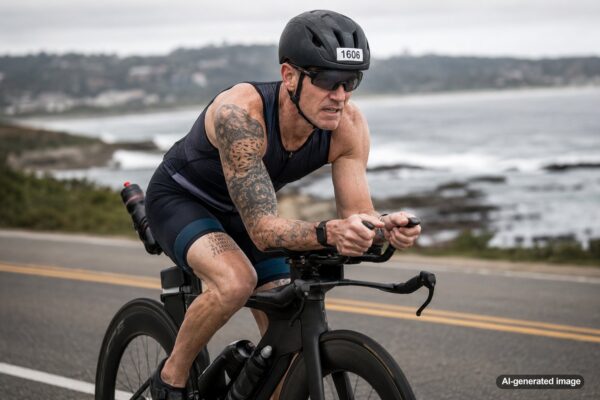
The overlap between endurance nutrition and Parkinson’s nutrition is meaningful, but it is not complete. An athlete may need concentrated carbohydrates during a long workout, additional sodium in hot conditions, or a larger recovery meal. A person taking carbidopa/levodopa may need to discuss protein timing with a clinician. The goal is not dietary perfection. It is a sustainable foundation that supports energy, recovery, heart health, digestion, and a life that continues moving forward. Greg’s broader approach to resilience reflects that same practical balance, as described on his About page.
Quick answer
- Base most meals on vegetables, fruit, whole grains, legumes, nuts, seeds, olive oil, fish, eggs, and other minimally processed protein sources.
- Use a Mediterranean-style pattern as a flexible framework rather than treating one food as the answer.
- Athletes still need enough calories, carbohydrates, protein, fluids, and sodium to train and recover effectively.
- Whole-food antioxidant sources generally make more sense than indiscriminate high-dose antioxidant supplements.
- People with Parkinson’s should discuss medication timing, swallowing concerns, weight changes, constipation, and supplements with qualified healthcare professionals.
What anti-inflammatory eating actually means
Inflammation is not automatically harmful. It is part of the body’s normal response to training, infection, and tissue repair. Exercise itself creates a temporary stress signal that helps the body adapt. The objective is not to eliminate every inflammatory response. It is to support recovery while reducing the long-term burden associated with poor sleep, inadequate nutrition, smoking, excessive alcohol, persistent stress, inactivity, and a heavily processed dietary pattern.
In practical terms, anti-inflammatory eating is a pattern rather than a single ingredient. It favors foods that provide fiber, unsaturated fats, vitamins, minerals, and a wide range of plant compounds. It also limits the frequency of meals dominated by refined carbohydrates, processed meats, deep-fried foods, and products that provide plenty of calories but little nutritional value.
This distinction matters because labels can be misleading. A smoothie, energy bar, turmeric drink, or supplement may be marketed as anti-inflammatory while still being unnecessary, poorly matched to the person’s needs, or inferior to a balanced meal. The larger pattern carries more weight than any isolated product.
The most useful food pattern
A Mediterranean-style pattern is a reasonable starting point because it is flexible, food-forward, and compatible with many cultural cuisines. It generally emphasizes vegetables, fruit, beans, lentils, whole grains, nuts, seeds, olive oil, fish, and moderate portions of other protein-rich foods. It does not require every meal to look Mediterranean in a geographic sense.
A practical plate might include:
- A generous portion of colorful vegetables or fruit
- A carbohydrate source such as potatoes, oats, brown rice, quinoa, whole-grain bread, or pasta
- A protein source such as fish, poultry, eggs, yogurt, tofu, beans, or lentils
- A source of unsaturated fat such as olive oil, avocado, nuts, seeds, or oily fish
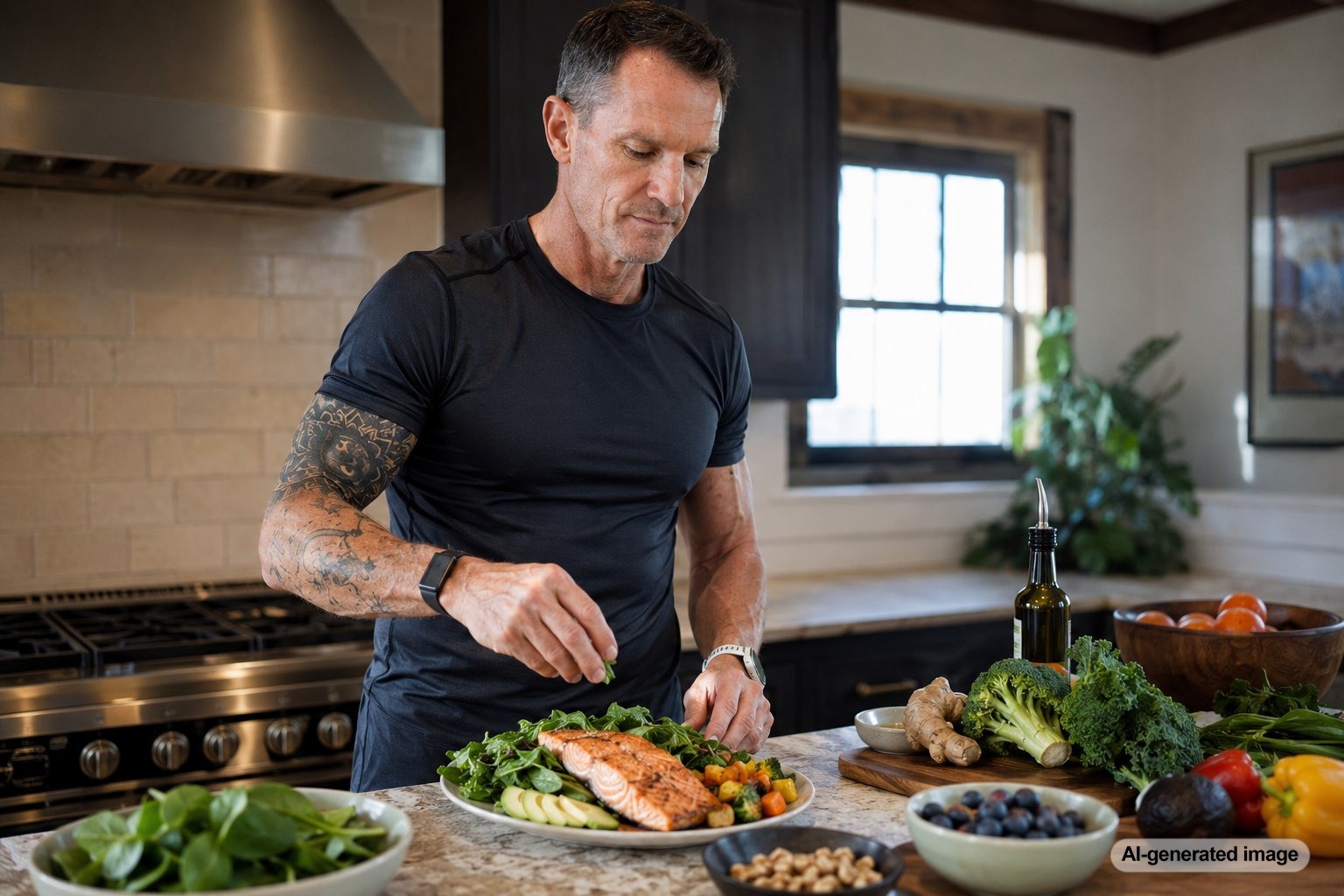
An Asian-inspired rice bowl with salmon, vegetables, and sesame seeds can fit. So can a bean-based chili with avocado, a Greek yogurt breakfast with berries and walnuts, or a chicken and vegetable pasta dinner. Consistency and variety matter more than making every meal fit a narrow formula.
What athletes should not sacrifice
Athletes sometimes make the mistake of pursuing an exceptionally clean diet while underfueling the work they ask their bodies to perform. A meal can contain excellent ingredients and still be inadequate for a long ride, demanding run, strength session, or multi-day training block.
Carbohydrates remain essential fuel
Carbohydrates support higher-intensity work and replenish muscle glycogen after training. Whole grains, fruit, beans, and starchy vegetables are valuable everyday sources. During long or intense sessions, more rapidly digested options such as sports drinks, gels, chews, white rice, or lower-fiber snacks may be useful because practicality and gastrointestinal tolerance matter during exercise.
Using sports nutrition during a demanding session does not invalidate an otherwise whole-food diet. Context matters. A food that is unnecessary during a sedentary afternoon may be useful halfway through a long endurance event.
Protein supports repair and strength
Protein should be distributed across the day rather than saved for one enormous dinner. Athletes need it to support muscle repair, adaptation, and maintenance. People living with Parkinson’s also need adequate protein, particularly when preserving strength, body weight, and functional capacity is a concern.
However, dietary protein can affect how carbidopa/levodopa works for some people. Amino acids from food and levodopa may compete during absorption and transport. That does not mean protein should be eliminated. It means medication response and meal timing may need to be individualized with a neurologist and registered dietitian. Some people are advised to separate medication from meals or shift a larger share of protein later in the day, while others do not need that strategy.
Hydration and sodium deserve equal attention
No collection of anti-inflammatory foods can compensate for chronic dehydration during endurance training. Fluid and sodium needs vary with body size, weather, sweat rate, exercise duration, medications, and medical history. Athletes should build a hydration plan around actual training conditions rather than copying another person’s intake.
People with Parkinson’s may also experience constipation, blood pressure changes, swallowing difficulties, or urinary concerns that complicate hydration. These issues warrant personalized guidance instead of a one-size-fits-all target.
Foods worth emphasizing
Colorful vegetables and fruit
Berries, leafy greens, tomatoes, peppers, cruciferous vegetables, citrus fruit, and other colorful produce provide fiber and a varied mix of plant compounds. Frozen produce is a practical option and can be nutritionally valuable. Variety is more useful than declaring one berry, powder, or green vegetable superior to everything else.
Extra-virgin olive oil, nuts, and seeds
These foods supply unsaturated fats and can make meals more satisfying. Walnuts, chia seeds, flaxseed, almonds, pumpkin seeds, and olive oil are easy additions to oatmeal, salads, yogurt, grain bowls, and roasted vegetables.
Fish and other omega-3 sources
Salmon, sardines, trout, and other oily fish provide protein and omega-3 fats. Plant foods such as walnuts, chia seeds, and ground flaxseed provide a different form of omega-3 fat. Supplements may be appropriate in selected circumstances, but dose, medication interactions, bleeding risk, product quality, and individual health history should be reviewed with a qualified professional.
Beans, lentils, and whole grains
These foods combine complex carbohydrates, fiber, minerals, and varying amounts of protein. They can support digestive health and steady everyday nutrition. Athletes with sensitive stomachs may need to reduce fiber immediately before a hard workout while keeping fiber-rich foods elsewhere in the day.
Herbs and spices
Garlic, ginger, turmeric, cinnamon, rosemary, and other seasonings can add flavor and plant compounds without turning food into medicine. Culinary use is different from taking concentrated extracts. A spice used in dinner may be reasonable even when a high-dose supplement is not.
What people often miss
- Enough food matters. Chronic underfueling can impair recovery, mood, sleep, immune function, bone health, and training quality.
- Convenience is not failure. Frozen vegetables, canned beans, microwaveable grains, prewashed greens, and simple prepared proteins can make consistency possible.
- Symptoms change the plan. Constipation, nausea, reduced appetite, fatigue, swallowing difficulty, tremor, or challenges using utensils can affect what is realistic.
- Medication timing matters. Dietary advice for Parkinson’s should account for the person’s medication schedule and response.
- Recovery is broader than food. Sleep, manageable training progression, stress, mobility work, and rest days are also part of controlling excessive strain.
Why supplement-first thinking can backfire
High-dose antioxidants are often marketed to athletes as a shortcut to faster recovery. The problem is that some exercise-related oxidative stress helps signal training adaptation. More is not automatically better, and excessive supplementation may interfere with the processes an athlete is trying to stimulate.
A food-first approach provides antioxidants and other nutrients in a broader nutritional package. Supplements are better reserved for a documented deficiency, a specific clinical need, an intake gap that cannot be solved through food, or a carefully evaluated performance strategy. This is especially important for people taking Parkinson’s medications or other prescriptions because supplements can create side effects or interactions.
Before adding curcumin capsules, concentrated green tea extract, high-dose vitamins, fish oil, or a multi-ingredient recovery blend, review the product with a physician, pharmacist, or registered dietitian who understands the full medication and training picture.
A realistic day of eating
The right portions depend on the person, but the structure below shows how anti-inflammatory principles and athletic fueling can coexist.
- Breakfast: Oatmeal with berries, walnuts, ground flaxseed, and yogurt or another protein source.
- Pre-training snack: Banana with toast, or another familiar carbohydrate that is easy to digest.
- During a long session: An individualized combination of fluid, sodium, and rapidly digested carbohydrate.
- Recovery meal: Rice or potatoes, salmon or tofu, cooked vegetables, olive oil, and fruit.
- Snack: Greek yogurt, hummus with pita, or fruit with nut butter.
- Dinner: Lentil pasta or whole-grain pasta with vegetables, lean protein, and a salad dressed with olive oil.
Someone managing medication-food interactions may need to move, resize, or change the protein portions. Someone with appetite loss may need smaller, more frequent meals. An athlete preparing for a race may temporarily choose lower-fiber carbohydrates to reduce gastrointestinal risk. These adaptations are not contradictions. They are examples of nutrition serving the person.
How to make the approach sustainable
Start by improving the meals eaten most often. Add fruit to breakfast. Put a vegetable into lunch. Replace one heavily processed snack with nuts, yogurt, or hummus. Cook an extra portion of rice, potatoes, vegetables, or protein for the next day. Keep frozen produce and simple proteins available for low-energy evenings.
It also helps to judge progress over weeks rather than individual meals. A birthday dinner, travel day, restaurant meal, or race-fueling plan does not erase a solid pattern. The strongest approach is one that survives real life, changing symptoms, family responsibilities, work, and hard training days.
Greg’s experience as an endurance athlete, entrepreneur, husband, dad, and Parkinson’s advocate reflects a wider truth: forward motion is often built through repeatable choices rather than dramatic gestures. Organizations seeking a grounded message about resilience, leadership, and continuing through adversity can learn more about his speaking work.
Frequently asked questions
Is there one anti-inflammatory diet for Parkinson’s?
No single diet has been established as the required diet for everyone with Parkinson’s. A balanced Mediterranean-style or whole-food pattern is commonly discussed because it supports general health and provides vegetables, fruit, fiber, healthy fats, and varied nutrients. Individual symptoms, medications, allergies, preferences, and energy needs still matter.
Should athletes avoid all processed foods?
No. Minimally processed foods can form the everyday foundation, but selected sports foods may be useful during long, intense, or competitive exercise. The relevant questions are what the food is for, when it is used, how well it is tolerated, and whether the overall diet meets nutritional needs.
Can turmeric or fish oil replace a balanced diet?
No. A supplement cannot replace adequate calories, protein, carbohydrates, healthy fats, fiber, hydration, and dietary variety. Concentrated supplements may also interact with medications or create side effects, so professional review is appropriate.
Should protein be restricted when taking levodopa?
Protein should not be broadly restricted without professional guidance. Some people find that protein-rich meals affect their medication response, while others do not. A neurologist or registered dietitian can help evaluate timing strategies while protecting overall protein intake.
What is the best first change?
Choose one repeatable improvement: add vegetables to dinner, eat fruit daily, use olive oil in place of some saturated fats, include fish regularly, or replace a low-nutrient snack with a more balanced option. The best first step is one that can become normal.
Interested in bringing Greg’s message to your event or organization?
Learn more about Greg’s speaking work or get in touch to start the conversation.
Contact Greg or learn more about the Forward Motion Fund.
This article is for educational purposes only and is not medical advice. For diagnosis, treatment, or personalized medical guidance, please speak with a qualified healthcare professional.