
Why Athletes Need Identity Beyond Performance

Athletic performance can become more than something you do. It can shape how you introduce yourself, measure your worth, organize your time, and understand your place in the world. That connection can be powerful, but it becomes fragile when every good day confirms your value and every setback seems to question it.
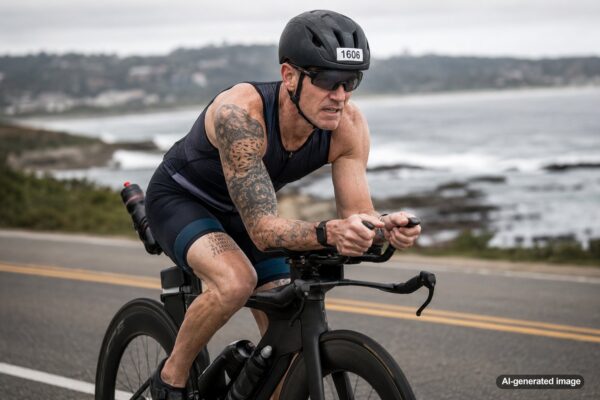
Athletes need an identity beyond performance because results are temporary, unpredictable, and never entirely under their control. A broader identity does not weaken ambition. It gives ambition a stronger foundation. Greg Schaefer’s life across family, business, endurance sports, advocacy, and service reflects the value of being deeply committed to performance without allowing a finish time to define the whole person.
Quick answer
- Athletic results describe what happened, not who an athlete is.
- A broader identity can make injuries, losses, aging, and transitions easier to navigate.
- Roles outside sports provide perspective without requiring an athlete to care less about competition.
- Values such as discipline, courage, service, and integrity can continue long after a particular season ends.
- Identity should be built before a crisis forces the question.
Performance is a meaningful role, not a complete identity
Being an athlete can be a central and worthy part of life. Training creates structure. Competition offers clarity. Shared goals build community. Progress can provide evidence that patient, disciplined work matters.
The trouble begins when the sentence “I am an athlete” quietly becomes “I am only valuable when I perform like one.” That belief may never be spoken aloud. It often appears through patterns: a ruined mood after a disappointing workout, shame about taking necessary rest, anxiety when comparing results, or the feeling that an injury has removed the most important part of the self.
A healthier distinction separates the person from the result. The athlete may produce a slow race, miss a goal, or struggle through a training block. The person remains a parent, partner, friend, leader, learner, contributor, and human being with value that no stopwatch can calculate.
Why performance-based identity becomes vulnerable
Sports reward measurement. Pace, power, rankings, repetitions, body composition, contracts, and finish positions turn complicated effort into visible outcomes. Measurement is useful for training, but it becomes dangerous when applied to personal worth.
Performance is also exposed to forces an athlete cannot fully control. Illness, injury, age, family responsibilities, financial pressure, organizational decisions, equipment problems, weather, and stronger competition can change an outcome without erasing the work behind it. When identity depends on the outcome, ordinary uncertainty starts to feel like a personal threat.
This vulnerability is not limited to professional athletes. A recreational runner can feel lost after missing a qualifying time. A lifelong cyclist can struggle when work or family reduces training hours. A former college athlete can spend years comparing a current body and routine with a past season. The level of competition differs, but the identity problem can be remarkably similar.
A broader identity can strengthen performance
Some athletes resist building a life beyond sports because they fear becoming less committed. In practice, perspective can support more durable commitment. An athlete who knows that one result cannot erase an entire identity may be better able to make a calm tactical decision, recover responsibly, and learn from failure without spiraling into self-judgment.
Identity breadth also creates emotional stability. A difficult race can remain a difficult race instead of becoming proof that everything is falling apart. A rest day can serve the training plan instead of feeling like a moral failure. Feedback can be evaluated for its usefulness rather than experienced as an attack on the self.
This is not detachment or lowered standards. It is accurate proportion. A race can matter enormously without becoming the only thing that matters.
Identity should be rooted in values, not only roles
Roles are important, but they can change quickly. A person may be an active competitor today, an injured athlete tomorrow, and a coach or mentor years later. Values are more portable.
Consider the difference between identifying only as “a fast runner” and identifying as someone who practices discipline, courage, curiosity, and service. Speed can change. Those underlying values can be expressed through rehabilitation, parenting, leadership, community work, or helping another athlete through a hard season.
This approach preserves what sports helped develop without pretending that every chapter must look the same. Endurance is not limited to an endurance event. Leadership is not limited to a job title. Courage is not limited to a starting line. The expression changes while the deeper quality remains available.
What athletes often miss about major transitions
The most obvious identity challenges arrive through retirement or serious injury, but smaller transitions deserve attention too. The end of a school season, a move to a new age group, reduced playing time, parenthood, a demanding career, or a change in physical capacity can create a real sense of loss.
There may also be grief for routine, teammates, recognition, and certainty. An athlete can appreciate what comes next while still missing what came before. That does not represent weakness or ingratitude. It means the role mattered.
The overlooked risk is waiting until the transition begins to develop another source of meaning. Identity beyond performance is most useful when built during strong seasons, not treated as an emergency replacement after something changes.
How to build identity beyond athletic results
Name qualities that exist beneath the achievement
Ask what a result represents. Perhaps completing a difficult event reflects preparation, patience, adaptability, or courage. Those qualities belong to the person, even when the next outcome is disappointing.
Invest in relationships that do not depend on results
Spend time with people who care about the full person rather than the latest statistic. Teammates can be part of that circle, but athletes also benefit from relationships where sport is not the only shared language.
Keep at least one non-athletic commitment
This might involve family, business, mentoring, creative work, education, advocacy, volunteering, or community service. The goal is not to fill every hour. It is to maintain another meaningful place where effort and character can contribute.
Practice introducing yourself without credentials
Imagine describing yourself without mentioning a personal record, title, ranking, or completed event. The exercise can feel surprisingly difficult. It can also reveal which parts of identity need more attention.
Define success for the current season
Success should respond to reality. During one season, it may mean competing for a personal best. During another, it may mean rebuilding consistency, supporting a teammate, staying connected to movement, or balancing training with family. Changing the definition is not automatically quitting. It may be evidence of mature commitment.
Three scenarios that reveal the difference
After an injury: A performance-only identity asks, “Who am I if I cannot compete?” A broader identity asks, “How can I express patience, discipline, and leadership in this chapter?” The injury still hurts, but it does not erase every source of meaning.
After a major achievement: Reaching a long-awaited goal can produce an unexpected emptiness once the celebration passes. An athlete with wider sources of purpose can honor the achievement without demanding that the next goal immediately provide a new identity.
After retirement or reduced competition: The skills built through sports do not disappear. Preparation can inform business leadership. Persistence can support advocacy. Experience can serve younger athletes. The competitive role may change while its lessons continue to move outward.
The goal is integration, not separation
Athletes do not need to minimize sports or pretend performance is unimportant. The goal is to integrate athletic identity into a larger life. Family, leadership, adversity, service, and competition can strengthen one another when none is forced to carry the entire weight of personal worth.
Greg’s idea of forward motion is relevant here. Moving forward does not always mean producing a faster split or collecting another finish. Sometimes it means adapting honestly, allowing another role to become more visible, or carrying lessons from competition into work that serves other people. His speaking work brings those intersections of endurance, leadership, family, adversity, and purpose into conversations with teams and organizations.
Frequently asked questions
Is a strong athletic identity unhealthy?
No. A strong athletic identity can provide community, discipline, joy, and direction. The concern is not that sports matter too much, but that every other source of identity and worth has been pushed aside.
Does building another identity reduce competitiveness?
It does not have to. A broader identity can reduce the fear that one result will define the whole person. That perspective may help an athlete respond to pressure with greater clarity.
When should athletes start preparing for life beyond competition?
Before they believe they need to. Developing relationships, interests, values, and meaningful responsibilities outside performance during active competition makes future transitions less abrupt.
What if sports currently take most of an athlete’s time?
Identity breadth does not require equal time for every role. Even a small, consistent investment in family, learning, mentorship, service, or another interest can keep the rest of the self visible.
Can an athlete still grieve a lost role?
Yes. A broader identity does not eliminate disappointment or grief. It provides more stable ground from which to experience the loss and decide what comes next.
Interested in bringing Greg’s message to your event or organization?
Learn more about Greg’s speaking work or get in touch to start the conversation.
Contact Greg or learn more about the Forward Motion Fund.
This article is for educational purposes only and is not medical advice. For diagnosis, treatment, or personalized medical guidance, please speak with a qualified healthcare professional.