
Why the Best Biohack May Still Be Consistent Exercise, Sleep, and Nutrition
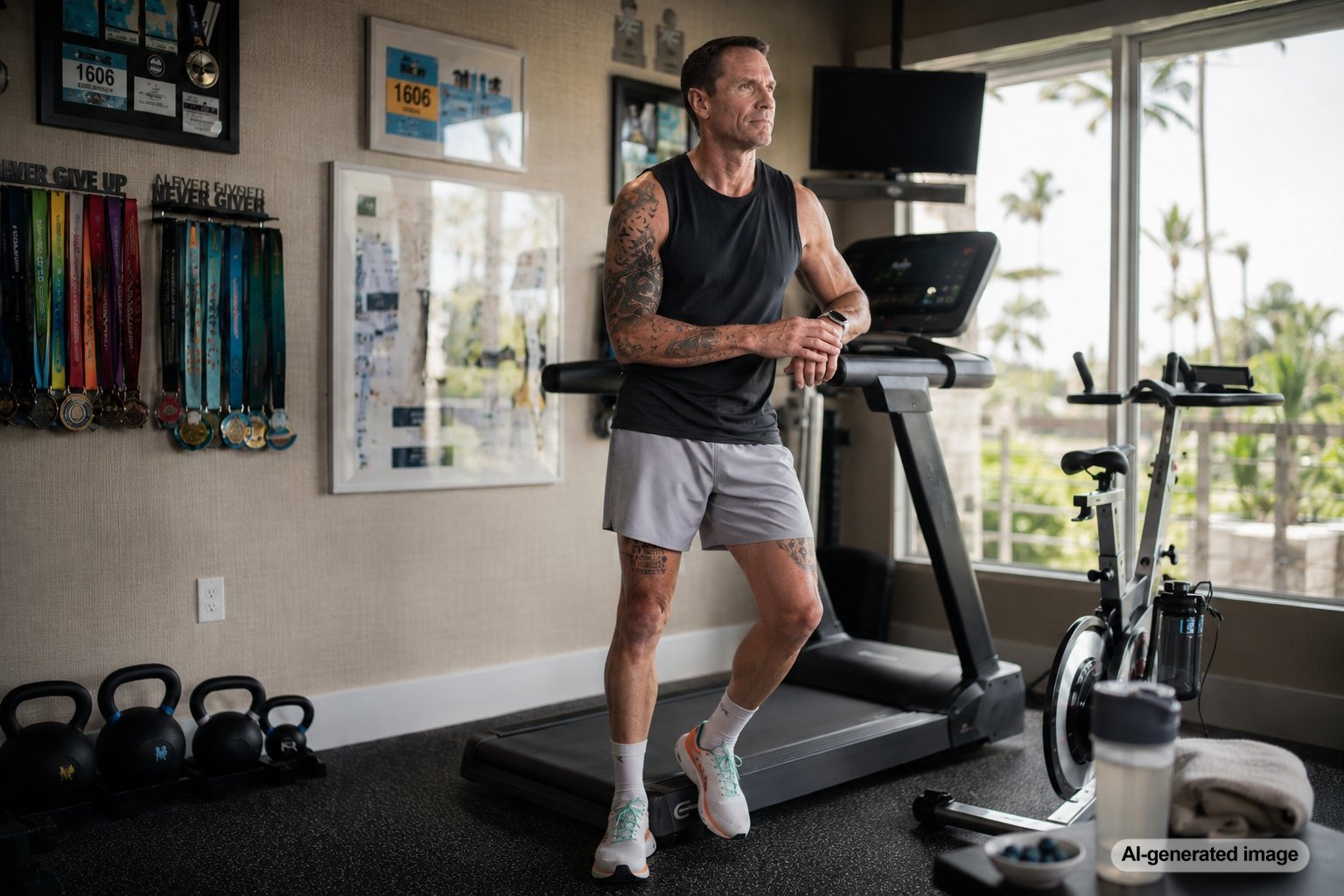
The best biohack may not be hidden in a new device, supplement stack, or complicated protocol. For most people, the highest-return habits are still the ones that sound almost too simple: move consistently, sleep enough to recover, and eat in a way that supports energy instead of chasing extremes. They are not flashy, but they are repeatable. And repeatability is where real change usually begins.
That idea fits the broader message behind Greg Schaefer’s story: forward motion is built one decision at a time. Whether someone is leading a business, training for an endurance event, supporting a family, or navigating a diagnosis, the basics are not beneath them. The basics are often what make the bigger moments possible.
Quick answer
- Exercise builds strength, stamina, mobility, mood support, and confidence through repeated action.
- Sleep is where the body consolidates recovery, adapts to stress, and prepares for the next day.
- Nutrition supplies the raw materials for energy, training, focus, and long-term health.
- Consistency matters because these habits compound quietly over weeks, months, and years.
- The best routine is not the most impressive one. It is the one you can keep returning to.
Why the basics still beat the shiny object
Biohacking culture often rewards novelty. A new tracker, cold exposure routine, fasting window, or performance metric can feel exciting because it gives people something to control. Some tools can be useful, but they rarely replace the foundation. If sleep is poor, movement is inconsistent, and nutrition is chaotic, the advanced layer has very little to stand on.
Exercise, sleep, and nutrition work differently. They influence the body every day. They affect energy, mood, stress tolerance, cardiovascular health, muscular strength, recovery, and the ability to show up for other people. They are not quick fixes. They are systems of support.
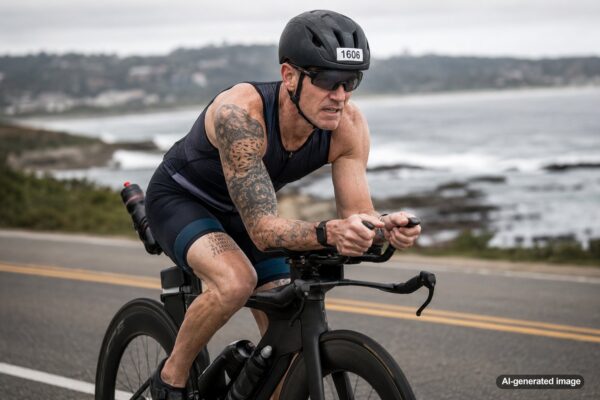
For endurance athletes, the lesson becomes obvious fast. A race is not built from one heroic workout. It comes from the boring calendar: training days, recovery days, grocery choices, bedtime decisions, mobility work, and the discipline to start again after a bad session. Leadership is similar. Family life is similar. Resilience is rarely one grand speech. It is the pattern that carries someone through the next hard mile.
Exercise: the biohack that asks for participation
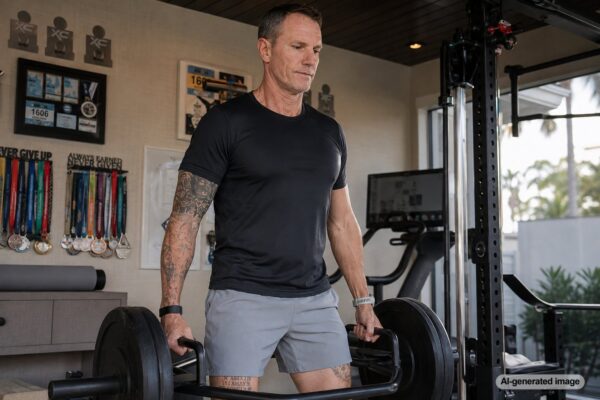
Movement is powerful because it does not happen passively. You have to choose it. That choice builds more than fitness. It builds identity. A walk, strength session, bike ride, swim, or mobility routine can become a daily vote for the person you are trying to become.
For people living with Parkinson’s, exercise is often discussed as an important part of living well, with potential benefits for mobility, balance, flexibility, mood, and quality of life. That does not mean exercise is a cure or a replacement for medical care. It means movement can be a meaningful part of a broader support plan, especially when guided by qualified professionals when needed.
For people without a diagnosis, the principle still applies. The body responds to consistent stimulus. Strength training can make everyday life more capable. Aerobic work can support stamina and heart health. Balance and mobility work can protect the ability to move with confidence. The magic is not in one perfect modality. The magic is in staying engaged long enough for adaptation to happen.
Sleep: the performance tool many driven people underuse
Sleep is easy to undervalue because it looks like nothing is happening. In reality, sleep is active recovery. It supports learning, emotional regulation, immune function, hormone rhythms, tissue repair, and the ability to make better decisions the next day.
High performers often treat sleep like an obstacle to productivity. That mindset usually catches up. Poor sleep can make training feel harder, increase cravings, reduce patience, cloud judgment, and make ordinary stress feel heavier. For leaders, parents, athletes, and advocates, that matters. The way a person recovers affects the way they show up.
A useful sleep routine does not need to be perfect. It may begin with a consistent wake time, a calmer evening transition, less late-night scrolling, a cooler room, or a better boundary around work. Sleep discipline is not laziness. It is preparation.
Nutrition: not restriction, but support
Nutrition becomes more useful when it is viewed as support rather than punishment. The goal is not to build the most rigid diet. The goal is to eat in a way that helps the body do its job: train, recover, think, digest, maintain muscle, and sustain energy.
For many adults, the high-value moves are not mysterious. Build meals around protein, colorful plants, fiber-rich carbohydrates, healthy fats, and enough fluids. Pay attention to how food timing affects energy. Avoid making every meal a moral scorecard. Consistency often improves when the plan is practical enough to survive travel, work stress, family schedules, and imperfect days.
For people managing medical conditions, nutrition can involve additional considerations. Medication timing, digestion, swallowing, appetite changes, and weight changes may all matter. A qualified clinician or registered dietitian can help personalize guidance. The broader point remains: food is not just fuel for workouts. It is part of the support system for a life that asks a lot from the body.
What people often miss about consistency
Consistency does not mean never missing. It means returning. That distinction matters. Many people fail because they define success as uninterrupted perfection. One skipped workout becomes a lost week. One poor night of sleep becomes a reason to stop trying. One off-plan meal becomes proof that the plan did not work.
Real consistency is more forgiving and more demanding. It allows for disruption, but it does not allow disruption to become identity. The next choice still counts. The next walk still counts. The next glass of water, earlier bedtime, or simple dinner still counts.
That is where the phrase “one more step” becomes more than motivation. It is an operating system. You do not need to solve the whole year in one day. You need the next useful action.
How to make the basics easier to repeat
- Anchor the habit to something that already exists. Walk after coffee, stretch after brushing your teeth, or prep breakfast after dinner.
- Lower the starting line. Ten minutes of movement is better than waiting for the perfect 60-minute window.
- Design the environment. Put training shoes where you can see them, keep simple meals available, and charge your phone away from the bed.
- Track what helps, not just what impresses. Energy, mood, patience, consistency, and recovery can be more useful than vanity metrics.
- Build support. A coach, training partner, spouse, friend, clinician, or team can make the next step easier to take.
The leadership lesson inside the health lesson
Organizations often chase complicated performance solutions while ignoring the human foundation. Tired people do not lead as well. Burned-out teams do not communicate as clearly. Stressed leaders do not always make the most grounded decisions. The same basics that support personal resilience can also shape culture: movement, recovery, nourishment, connection, and sustainable pace.
That is one reason Greg’s speaking work connects with audiences across business, endurance, advocacy, and personal growth. The message is not about pretending life is easy. It is about building practices that help people keep moving when it is not.
FAQ
Is exercise really a biohack?
Yes, if a biohack means a practical behavior that can improve how the body and mind function. Exercise may not feel new, but it remains one of the most evidence-supported ways to support health, resilience, mobility, and mood.
Do I need an intense training plan to benefit?
No. Intensity has a place, especially for athletes, but consistency matters first. Walking, strength training, mobility work, cycling, swimming, yoga, and other forms of movement can all be useful depending on the person and the goal.
What matters more: sleep, exercise, or nutrition?
They work together. Poor sleep can undermine training and appetite regulation. Poor nutrition can limit recovery and energy. Lack of movement can affect mood, strength, and sleep quality. The goal is not to pick one winner, but to build a foundation where each habit supports the others.
How should someone with Parkinson’s approach these habits?
Start with medical guidance and personalize the plan. Many people with Parkinson’s use movement, nutrition, sleep routines, and support systems as part of living well, but symptoms, medications, safety needs, and progression can vary widely. A healthcare professional can help shape an appropriate approach.
Bottom line
The best biohack may still be the least glamorous one: do the basic things, repeat them, and let them compound. Exercise, sleep, and nutrition will not remove every hardship. They will not make life predictable. But they can create a stronger platform for whatever comes next.
In endurance, business, family, advocacy, and life with uncertainty, the foundation matters. One more step is easier to take when the body has been trained, rested, and supported.
Interested in bringing Greg’s message to your event or organization?
Learn more about Greg’s speaking work or get in touch to start the conversation.
Contact Greg or learn more about the Forward Motion Fund.
This article is for educational purposes only and is not medical advice. For diagnosis, treatment, or personalized medical guidance, please speak with a qualified healthcare professional.