
The Best Core Exercises For Long Distance Cyclists
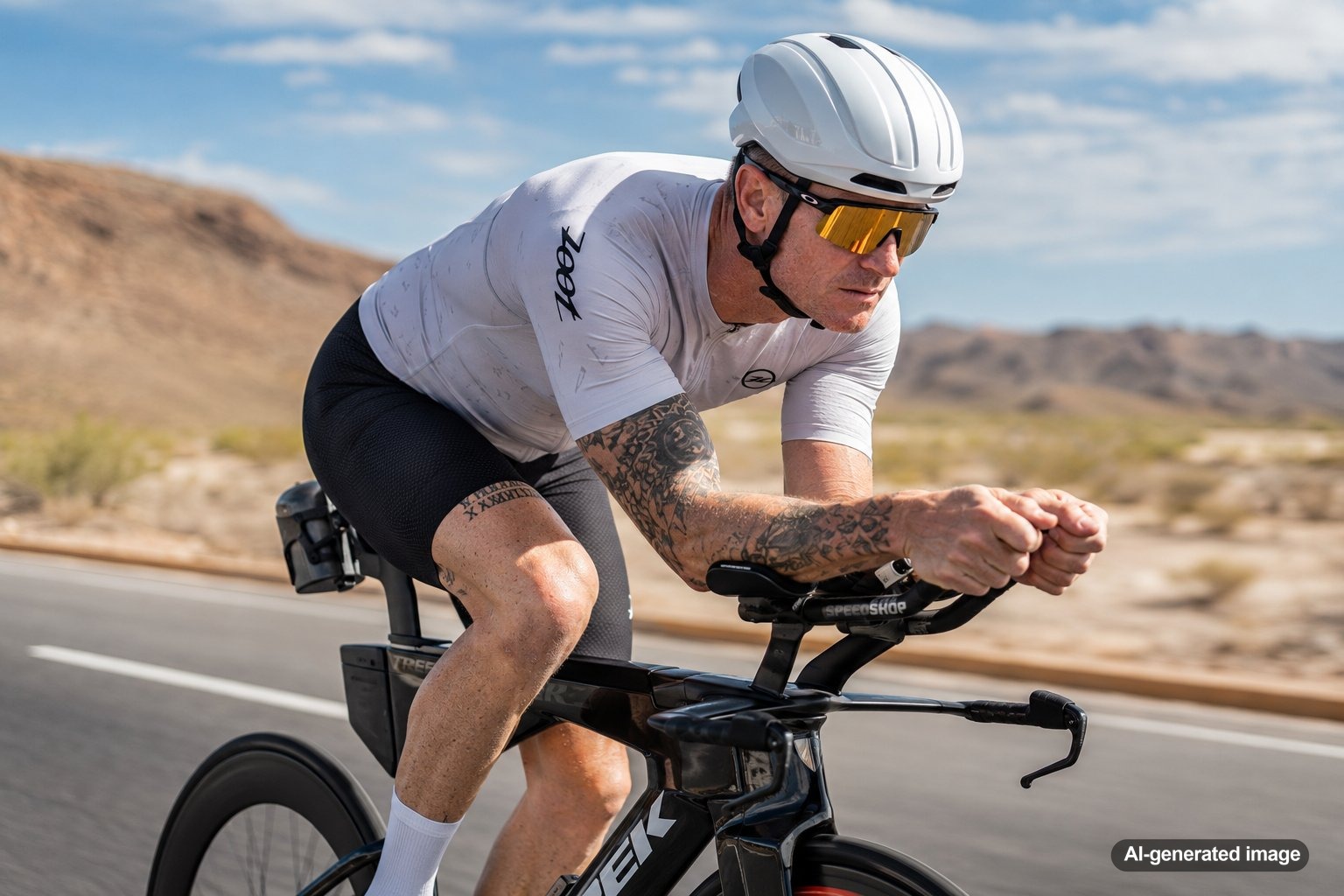
Long distance cycling asks more from the body than strong legs. After enough miles, the ride becomes a test of posture, breathing, patience, balance, and the ability to stay steady when fatigue starts changing everything. A strong core helps connect the upper body and lower body so power can move through the bike with less wasted movement.
For endurance athletes, core training is not about chasing a six-pack. It is about staying composed in the saddle, holding form on climbs, protecting the low back, and keeping the body efficient when the ride gets long. That same idea connects closely with Greg Schaefer’s broader message of forward motion: strength is often built through small, consistent work that supports the bigger mission. Learn more about Greg’s story on the About Greg page.
Quick answer
- The best core exercises for long distance cyclists build stability, not just abdominal strength.
- Focus on planks, dead bugs, bird dogs, side planks, glute bridges, Pallof presses, and controlled rotational work.
- Quality matters more than volume. A few precise sets done consistently can support better riding mechanics.
- Core work should help you stay relaxed, aligned, and efficient over long mileage.
- Start simple, progress gradually, and avoid exercises that create back pain or sloppy form.
Why core strength matters for long distance cyclists
On a short ride, weak core control may not feel obvious. On a long ride, it starts showing up in subtle ways: shoulders creeping toward the ears, hips rocking side to side, hands taking too much pressure, or the lower back carrying more stress than it should. Those small leaks can become bigger problems over hours.
A cyclist’s core includes more than the front abdominal muscles. It includes the deep stabilizers around the spine, the obliques, the hips, the glutes, and the muscles that help the pelvis stay controlled while the legs repeat thousands of pedal strokes. When that system works well, the rider can transfer force with more control and less unnecessary movement.
This is also where endurance and leadership overlap. In business, racing, or life after adversity, the visible effort usually depends on an invisible foundation. The strongest riders are not always the ones who look the most dramatic. Often, they are the ones who can hold steady when the work gets uncomfortable.
1. Plank holds
The basic plank remains one of the most useful core exercises for cyclists because it trains the body to resist sagging, twisting, and collapsing under fatigue. That matters on the bike because long rides require the torso to stay controlled while the legs keep producing power.
Start with forearms on the floor, elbows under shoulders, legs extended, and the body in one straight line. Think about gently pulling the ribs down, tightening the glutes, and breathing steadily rather than simply surviving the hold. A clean 20-second plank is more useful than a shaky two-minute plank with the hips dropping.
For cyclists, the goal is not to turn this into a contest. The goal is to train quiet strength. Build toward several controlled holds, then progress by adding time slowly or using shoulder taps only when the body can stay level.
2. Side planks
Side planks train the obliques, hips, and lateral stabilizers that help keep a cyclist from rocking excessively in the saddle. This is especially useful during climbing, windy rides, and long efforts where fatigue begins to pull the body out of alignment.
Lie on one side with the elbow under the shoulder and feet stacked or staggered. Lift the hips so the body forms a straight line from head to heel. Keep the top shoulder open, avoid rolling forward, and breathe with control.
If the full version is too demanding, bend the knees and perform a modified side plank. The modified version is not a step backward. It is often the right starting point for building the control that makes the full movement worthwhile.
3. Dead bugs
The dead bug is one of the best exercises for teaching the core to stabilize while the arms and legs move. That pattern is highly relevant for cyclists, because the torso needs to remain steady while the legs keep working through repeated motion.
Lie on your back with arms pointed toward the ceiling and knees bent at 90 degrees. Gently press the low back toward the floor, then slowly lower one arm and the opposite leg without letting the back arch. Return to the starting position and repeat on the other side.
The overlooked detail is speed. Dead bugs lose their value when they become fast and careless. Move slowly enough that you can feel the trunk resisting extension. For many athletes, that slow control is where the real work begins.
4. Bird dogs
Bird dogs build coordination across the back, hips, shoulders, and core. They are simple, but not easy when performed with care. Cyclists can benefit from this movement because it trains balance and stability without loading the spine heavily.
Start on hands and knees. Extend one arm forward and the opposite leg back while keeping the hips level. Pause briefly, then return with control. Avoid kicking the leg too high or letting the lower back sag.
A useful cue is to imagine balancing a glass of water on the low back. The point is not how far the hand or foot can reach. The point is whether the body can stay calm and organized while moving.
5. Glute bridges
The glutes play a major role in cycling posture and power, but many riders spend long hours in a seated position that can leave the hips feeling tight or underactive. Glute bridges help reconnect the hips, trunk, and posterior chain in a controlled way.
Lie on your back with knees bent and feet flat on the floor. Press through the heels, squeeze the glutes, and lift the hips until the body forms a straight line from shoulders to knees. Pause at the top without over-arching the back, then lower slowly.
For progression, try single-leg glute bridges only after the standard version feels steady. If the hips tilt or the hamstrings cramp immediately, return to the basic bridge and build the foundation first.
6. Pallof presses
The Pallof press is a strong anti-rotation exercise, which means it trains the body to resist being pulled or twisted out of position. That matters for long distance cyclists because the torso should remain stable while the legs and road conditions create constant small forces.
Using a cable machine or resistance band anchored at chest height, stand sideways to the anchor point. Hold the handle or band at the chest, then press it straight forward without letting the torso rotate. Pause, bring it back, and repeat before switching sides.
This exercise is especially useful because it feels more like real-world control than a traditional crunch. It teaches the body to stay centered under pressure, which is exactly what endurance riding often demands.
7. Controlled mountain climbers
Mountain climbers can become rushed conditioning work, but cyclists often get more value from a slower, more controlled version. In this format, the exercise challenges trunk stability, hip control, and shoulder endurance.
Start in a high plank position. Bring one knee toward the chest without letting the hips bounce or rotate, then return it and switch sides. Keep the movement deliberate. The torso should stay stable while the legs move.
This is a good place to be honest about form. If the shoulders collapse, the back rounds aggressively, or the movement turns frantic, slow down. Better control creates better carryover.
8. Farmer carries
Farmer carries are simple: pick up weight, stand tall, and walk with control. For cyclists, they train posture, grip, trunk stiffness, breathing under load, and the ability to stay organized while moving.
Hold a dumbbell, kettlebell, or weighted object in each hand. Keep the ribs stacked over the pelvis, shoulders relaxed, and steps steady. Walk for a set distance or time without leaning, shrugging, or rushing.
A single-arm suitcase carry is another useful option. By loading one side, it asks the core to resist leaning, which can be helpful for riders who want better balance and torso control.
How to build a simple cyclist core routine
A useful core routine does not need to be complicated. Two or three sessions per week can be enough for many riders, especially when the work is consistent and focused. The key is to choose movements that support the ride rather than drain the athlete before the next training day.
One simple routine could include planks, side planks, dead bugs, glute bridges, and Pallof presses. Perform each movement with clean form, moderate effort, and controlled breathing. Leave the session feeling stronger and more connected, not crushed.
For riders training for long events, the best time for core work is often after an easier ride, on a strength-training day, or as a short standalone session. Placing hard core work immediately before a demanding ride may make it harder to hold quality form on the bike.
Common mistakes cyclists make with core training
- Doing too many crunches: Crunches are not automatically wrong, but they do not cover the full stability demands of long distance riding.
- Ignoring the hips and glutes: The core works with the pelvis and hips. Treating it as only abs misses a major part of the system.
- Training to exhaustion every time: Endurance athletes already carry a lot of training stress. Core work should support the plan, not sabotage it.
- Moving too fast: Fast reps often hide poor control. Slower work can reveal what actually needs attention.
- Skipping breathing: Holding the breath during every exercise can create unnecessary tension. Long distance riders need strength they can breathe through.
What people often miss
The best core exercises for long distance cyclists are not always the flashiest ones. They are the movements that teach the body to hold position, transfer force, and stay calm under fatigue. That is why foundational exercises often outperform complicated drills.
There is also a mental side to this work. Core training rewards patience. It asks an athlete to pay attention to small details, repeat simple work, and trust that better control will show up later on the road. That kind of discipline is familiar to anyone who has trained for endurance events, built a company, supported a family, or chosen to keep moving through a difficult season.
Greg’s platform lives at that intersection of endurance, leadership, family, advocacy, and resilience. For organizations looking to bring that message into a room with practical force and human credibility, his speaking work offers a grounded way to connect forward motion with real life.
FAQ
How often should long distance cyclists do core exercises?
Many cyclists can benefit from core training two or three times per week, depending on their overall training load, recovery, and goals. Consistency usually matters more than long, exhausting sessions.
Should cyclists do core work before or after riding?
Core work is often best after an easy ride, on a strength day, or in a short separate session. Before a hard ride, keep it light so the muscles needed for posture and control are not overly fatigued.
Are sit-ups the best core exercise for cyclists?
Sit-ups are not usually the most complete choice for cycling performance. Long distance cyclists often need anti-rotation, hip stability, trunk endurance, and controlled movement more than repeated spinal flexion.
Can core exercises help with back discomfort on long rides?
Core strength may help support better riding posture and control, but back discomfort can have many causes, including bike fit, mobility, training load, injury history, and technique. Persistent or significant pain should be evaluated by a qualified professional.
Do cyclists need weights for core training?
No. Bodyweight exercises such as planks, side planks, dead bugs, and bird dogs can be highly useful. Weights and bands can be added later when control is solid.
Bottom line
Long distance cycling is built on more than mileage. It depends on the quiet systems that help a rider stay strong when the day gets long: posture, breathing, control, patience, and the willingness to keep doing the small things well. Core training fits that mission because it strengthens the foundation beneath the visible effort.
Start with the basics. Move with intention. Let the work support the ride, not compete with it. Over time, those simple exercises can become part of a steadier, stronger way forward.
Interested in bringing Greg’s message to your event or organization?
Learn more about Greg’s speaking work or get in touch to start the conversation.
Contact Greg or learn more about the Forward Motion Fund.
This article is for educational purposes only and is not medical advice. For diagnosis, treatment, or personalized medical guidance, please speak with a qualified healthcare professional.