What is the Best Exercise for Parkinson’s Disease?

The best exercise for Parkinson’s disease is not one perfect workout. It is the exercise routine a person can do safely, repeat consistently, and build over time with enough challenge to support strength, balance, mobility, endurance, and confidence.
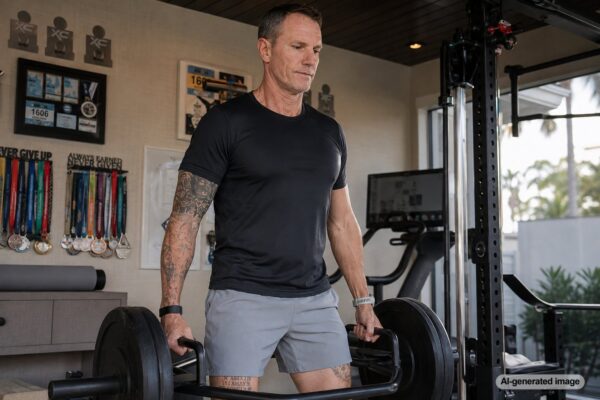
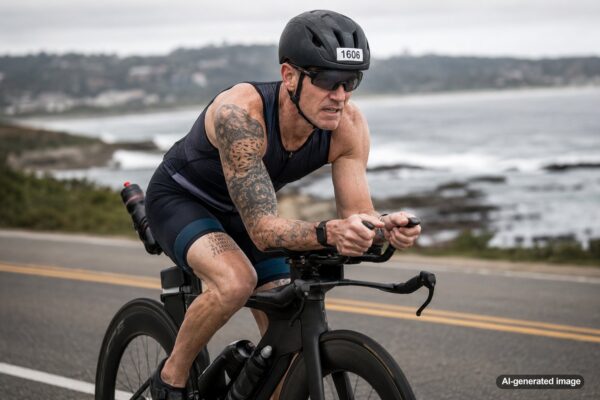
That answer may feel less dramatic than naming one winner, but it is more honest. Parkinson’s affects movement, energy, mood, balance, stiffness, sleep, and confidence differently from person to person. A strong routine usually combines several types of training instead of depending on one class, one machine, or one favorite activity. For Greg Schaefer, a 20-time Ironman living with Young-Onset Parkinson’s, the larger lesson connects directly to his story: forward motion is not about pretending the challenge is simple. It is about staying engaged with life, one intentional step at a time.
Quick answer: what exercise is best for Parkinson’s?
- The best overall approach is a balanced program that includes aerobic exercise, strength training, balance work, flexibility, and mobility.
- The best specific exercise is the one a person will actually keep doing, with medical clearance and the right level of support.
- Aerobic movement matters, including walking, cycling, swimming, dancing, or other activities that raise the heart rate safely.
- Strength and balance training should not be ignored, because Parkinson’s can affect posture, gait, stability, and confidence with everyday movement.
- Consistency beats intensity alone. A routine that is sustainable is usually more valuable than occasional heroic workouts.
Why there is no single best exercise for Parkinson’s
People often ask for the best exercise because they want clarity. That is understandable. A diagnosis can make the future feel uncertain, and a clear plan can restore a sense of agency. But Parkinson’s is not the same experience for everyone. One person may be managing tremor and stiffness. Another may be more concerned about balance, freezing, fatigue, posture, mood, or confidence in public spaces.
That is why many Parkinson’s organizations describe exercise as a broad, ongoing part of living well rather than a single prescription. The useful question is not only, “What exercise is best?” It is also, “What does this person need most right now, what can they do safely, and what will they repeat long enough to matter?”
For some people, that may mean vigorous cycling or boxing-inspired classes. For others, it may begin with supervised walking, chair-based strength work, physical therapy, water exercise, yoga, tai chi, or dance. The right answer can change as symptoms, fitness, medications, confidence, and goals change.
The four pillars of a strong Parkinson’s exercise routine
A well-rounded routine usually includes four major categories. Each supports a different part of movement and daily life.
1. Aerobic exercise
Aerobic exercise includes activities that raise the heart rate and challenge endurance. Walking, cycling, swimming, rowing, dancing, and elliptical training can all fit here when they are safe for the individual. For someone with an endurance background, aerobic work may feel familiar and empowering. For someone newer to exercise, it may start with short, manageable sessions.
The key is not to chase someone else’s version of intensity. It is to create a repeatable rhythm that builds capacity over time.
2. Strength training
Strength work helps support posture, mobility, balance, walking ability, and independence with everyday tasks. It may include bodyweight exercises, resistance bands, machines, free weights, or guided physical therapy exercises. For Parkinson’s, strength training is not just about muscle. It is about staying capable.
Good programming matters. A person who is new to strength work, has balance concerns, or has other medical issues should get guidance from a qualified professional.
3. Balance, agility, and coordination
Parkinson’s can affect gait, turning, posture, and stability. Balance and coordination work may include stepping drills, tai chi, dance, boxing-style footwork, obstacle navigation, dual-task practice, or physical therapy-based exercises. These sessions can help train the body for real-world movement: getting out of a chair, turning in a hallway, stepping over a curb, or recovering from a stumble.
This is where supervision can be especially important. The goal is challenge, not unnecessary risk.
4. Flexibility and mobility
Stretching and mobility work can support range of motion, reduce stiffness, and help people move with more ease. This may include gentle stretching, yoga, mobility flows, breathing work, or targeted exercises for the hips, shoulders, ankles, spine, and chest.
Mobility is often overlooked because it is less dramatic than a hard workout. But for daily quality of life, it can be one of the most practical parts of the routine.
What people often miss about exercise and Parkinson’s
One overlooked point is that exercise is not only about symptoms. It can also affect confidence. When someone continues to move, train, adapt, and participate, they are not just working on the body. They are protecting identity, agency, and connection.
Another overlooked point is that starting small is not the same as thinking small. A ten-minute walk can be a legitimate starting line. So can a supervised strength session, a beginner boxing class, a stationary bike ride, or a balance program designed by a physical therapist. Progress is built through repetition.
There is also a difference between exercise that is enjoyable and exercise that is complete. A person may love cycling but still need strength and balance work. Someone may enjoy yoga but still benefit from aerobic conditioning. Someone may love boxing but still need recovery and mobility. The best routine respects personal preference without becoming one-dimensional.
How to choose the right exercise routine
A strong starting point is to match the routine to the person, not the other way around. Consider these questions:
- What does the person enjoy enough to repeat? Enjoyment matters because consistency matters.
- What symptoms or movement challenges need attention? Balance, stiffness, endurance, strength, gait, and fatigue may require different strategies.
- What level of supervision is needed? Some people benefit from a Parkinson’s-informed physical therapist, trainer, or class environment.
- What feels meaningful? Training for a walk, ride, race, family activity, or daily independence can make exercise feel connected to life instead of duty.
- What does the care team recommend? Medication timing, fall risk, blood pressure, orthopedic issues, and other conditions can affect exercise planning.
Greg’s speaking work often centers on resilience that is practical, not performative. Exercise fits that same frame. It is not about proving invincibility. It is about choosing movement as an act of participation, adaptation, and forward motion.
A practical weekly framework
For many people, a useful Parkinson’s exercise week may include a mix of aerobic work, strength sessions, balance practice, and mobility. The exact schedule should be personalized, but the structure might look like this:
- Aerobic movement several days per week, such as walking, cycling, swimming, dancing, or another safe activity that raises the heart rate.
- Strength training two or more days per week, adjusted to ability, equipment, and safety needs.
- Balance and coordination practice, especially for people with gait, turning, freezing, or fall concerns.
- Mobility or stretching most days, even if the sessions are short.
- Rest and recovery, because sustainable training requires listening to the body.
The best routine should feel challenging enough to matter and realistic enough to continue. It should also leave room for adjustment. Parkinson’s can make some days harder than others. A flexible plan helps people keep going without turning every missed session into failure.
FAQ
Is walking good exercise for Parkinson’s disease?
Walking can be a valuable form of exercise for many people with Parkinson’s, especially when it is safe and consistent. Some people may need gait training, assistive devices, supervision, or physical therapy guidance, particularly if balance or freezing is a concern.
Is cycling good for Parkinson’s disease?
Cycling can be useful aerobic exercise for some people with Parkinson’s. Stationary bikes may be helpful for people who need a more controlled environment. Outdoor cycling requires careful attention to balance, traffic, reaction time, and safety.
Is boxing the best exercise for Parkinson’s?
Boxing-inspired Parkinson’s classes can be engaging because they often combine aerobic work, coordination, footwork, balance, and rhythm. That does not make boxing the single best choice for everyone. It can be excellent for some people and inappropriate or too risky for others without modification.
Should people with Parkinson’s lift weights?
Strength training can be an important part of a Parkinson’s exercise routine. The safest approach depends on the person’s fitness level, symptoms, balance, medical history, and experience. A qualified professional can help build a program that is challenging without being reckless.
Can exercise slow Parkinson’s progression?
Research continues to study how exercise affects Parkinson’s symptoms, function, quality of life, and disease progression. It is fair to say that exercise is widely encouraged as part of Parkinson’s care, but it should not be described as a cure or guaranteed way to stop progression.
Bottom line
The best exercise for Parkinson’s disease is not a magic workout. It is a safe, consistent, well-rounded routine that the person can keep doing. Aerobic training, strength work, balance practice, and mobility all matter. So does enjoyment. So does support.
For anyone living with Parkinson’s, the goal is not to become someone else’s version of strong. It is to keep building the version of strength that supports your life, your people, your purpose, and your next step.
Interested in bringing Greg’s message to your event or organization?
Learn more about Greg’s speaking work or get in touch to start the conversation.
Contact Greg or learn more about the Forward Motion Fund.
This article is for educational purposes only and is not medical advice. For diagnosis, treatment, or personalized medical guidance, please speak with a qualified healthcare professional.