
The Best Recovery Tools For Ironman Athletes Over 50
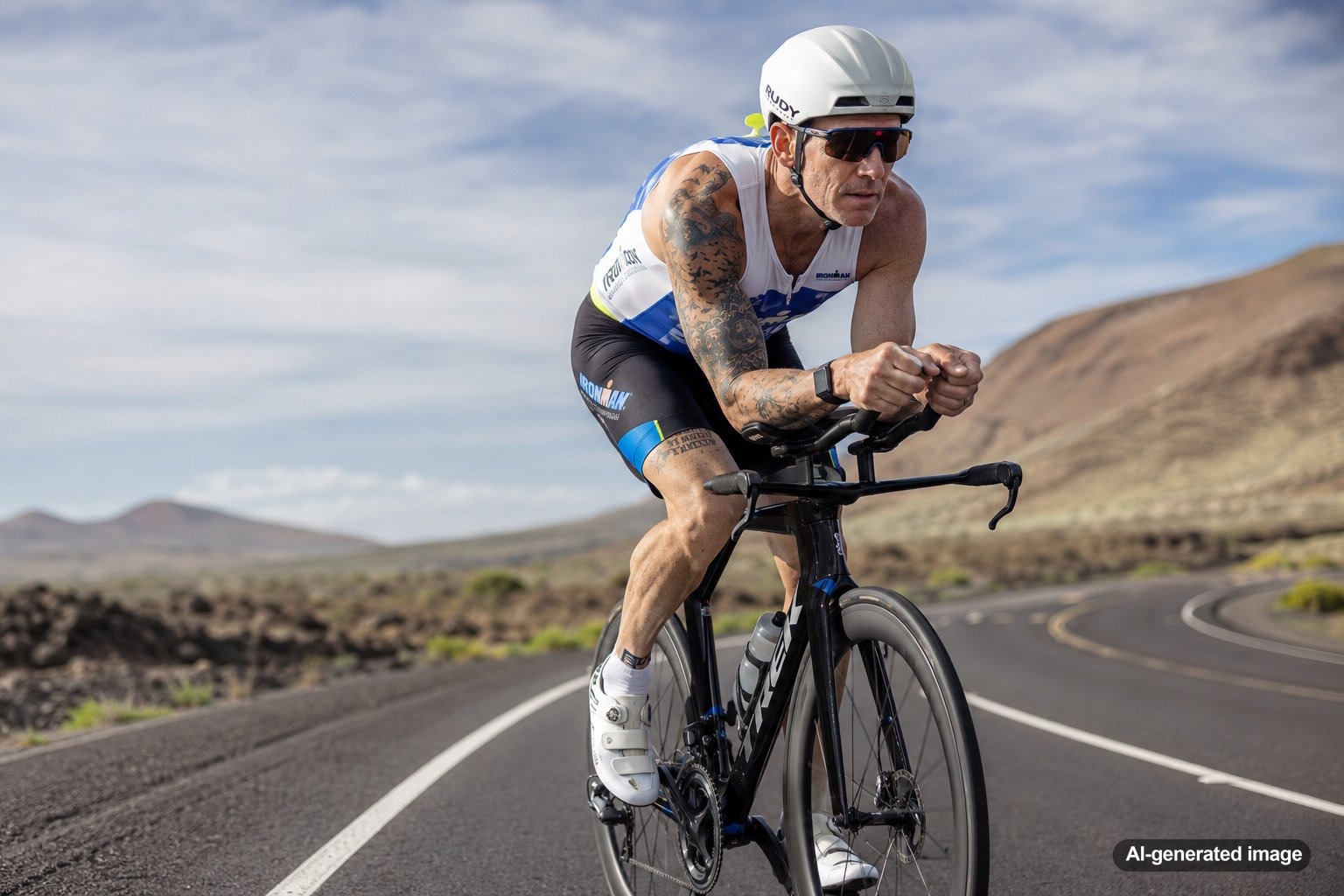
Recovery is not a soft part of Ironman training. For athletes over 50, it is often the difference between building fitness and slowly grinding the body down. The goal is not to recover like a 25-year-old. The goal is to recover intelligently, consistently, and honestly enough to keep showing up.
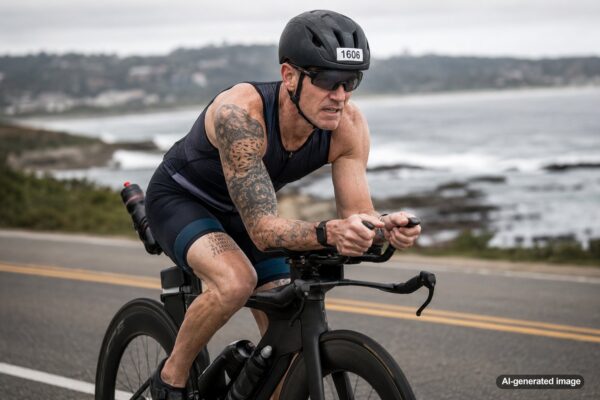
That mindset fits the world Greg Schaefer lives in: endurance, family, leadership, health realities, and the decision to keep moving forward when the path gets harder. Whether you are training for your first 70.3, returning to the full Ironman distance, or simply trying to stay strong through demanding seasons of life, recovery deserves the same discipline as the workout itself. You can learn more about Greg’s broader story on the About Greg page.
Quick answer
- Sleep is the foundation. No recovery tool makes up for chronically poor rest.
- Mobility and strength work help preserve durability. They matter even more when training volume rises.
- Compression, massage tools, and cold or heat exposure can be useful. They work best as support tools, not magic fixes.
- Nutrition and hydration are recovery tools too. What happens after the workout affects the next one.
- The most overlooked tool is pacing. Recovery starts with not turning every session into a test.
Why recovery changes after 50
For Ironman athletes over 50, recovery is less about bouncing back quickly and more about stacking sustainable decisions. A long ride, hard brick, or demanding run may require more careful spacing. Strength sessions may need to be targeted rather than random. Travel, work stress, family responsibilities, and sleep quality can all change how the body responds to training.
This does not mean athletes over 50 should train timidly. It means they need more honesty. A training plan that looks perfect on paper can fall apart if it ignores soreness patterns, energy dips, mood changes, disrupted sleep, or the quiet fatigue that accumulates across weeks. The best recovery tools help an athlete notice those signals earlier and respond before a setback forces the issue.
1. Sleep tracking and a real sleep routine
The most valuable recovery tool is still the least glamorous one: sleep. Wearable devices can help by showing patterns in sleep duration, resting heart rate, heart rate variability, and consistency. The key is not to obsess over every number. The better use is to notice trends. If your sleep score, resting heart rate, mood, and training quality are all moving in the wrong direction, your body may be asking for a lower-stress day.
A useful sleep routine does not have to be complicated. Keep a consistent bedtime when possible, reduce late-night screen scrolling, avoid turning evening work into a second job, and protect sleep during peak training weeks. Athletes often ask what they can buy to recover better. Sometimes the better question is what they can stop doing at 10:30 p.m.
2. Mobility tools that support range, not performance theater
Foam rollers, lacrosse balls, massage sticks, stretching straps, and mobility bands can all be useful when they are used with purpose. The goal is not to punish sore tissue until it gives up. The goal is to restore comfortable movement, reduce stiffness, and prepare the body for the next session.
For masters athletes, the most valuable mobility work is often boring and repeatable: hips, calves, ankles, thoracic spine, glutes, and shoulders. A swimmer with locked-up shoulders pays for it in the water. A cyclist with tight hips may carry that pattern into the run. A runner with stubborn calves may feel fine until the long run exposes the weakness. Ten focused minutes most days can be more useful than one heroic hour after everything hurts.
3. Strength training as a recovery multiplier
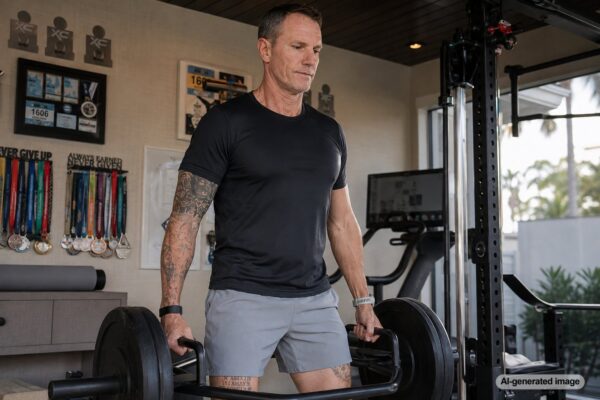
Strength training may not look like recovery, but it can support recovery by improving durability. Stronger glutes, hamstrings, calves, core, back, and shoulders can make the body more resilient under repetitive Ironman stress. The athlete who can hold posture late in the bike and maintain form late in the run may spend less energy fighting breakdown.
The mistake is treating strength work like another race. For athletes over 50, the best approach is usually consistent, controlled, and progressive. Heavy enough to matter, smart enough not to wreck the next key workout. Strength work should support the larger mission, not compete with it.
4. Compression boots and compression gear
Compression boots, sleeves, and socks can be helpful after long training sessions, travel, or races. Many athletes use them because they create a clear recovery ritual: sit down, elevate the legs, breathe, and let the body shift out of go-mode. That ritual alone has value in a culture that rewards constant motion.
The important distinction is expectation. Compression is not a shortcut around poor training decisions. It will not erase a reckless long run, a skipped fueling plan, or months of under-sleeping. Used well, it can be one helpful piece of a broader recovery system.
5. Massage guns and soft-tissue work
Massage guns are popular because they are convenient and immediate. They can help athletes address stiffness and feel more ready to move, especially in large muscle groups like quads, glutes, calves, and hamstrings. The best use is gentle, brief, and targeted. More pressure is not automatically better.
For athletes over 50, the line between productive attention and overdoing it matters. If a spot is sharp, swollen, worsening, or changing how you walk or run, that is not a massage-gun challenge. It is a signal to back off and seek qualified guidance when appropriate.
6. Heat, cold, and contrast routines
Cold plunges, ice baths, saunas, warm baths, and contrast showers all have loyal fans. They can help some athletes relax, reduce perceived soreness, or build a calming recovery ritual. The best choice often depends on timing, preference, and the purpose of the session.
After certain hard workouts, some athletes prefer not to blunt the natural training response too aggressively. Before sleep, heat may feel more relaxing than cold. After a long race or demanding travel day, a simple warm shower and quiet evening may do more good than an elaborate protocol. The tool should serve the athlete, not become another source of pressure.
7. Fueling and hydration after the work is done
Recovery does not begin with the foam roller. It begins when the session ends. A long ride, swim, run, or brick leaves the body needing fluid, electrolytes, carbohydrates, protein, and calm. Athletes over 50 often benefit from being more intentional about this window because life rarely pauses after training. There may be work calls, family responsibilities, errands, and travel waiting immediately afterward.
A practical recovery setup might include a post-workout meal plan, hydration bottle, electrolytes, and a simple protein-and-carbohydrate option that does not require decision-making when you are tired. The best tool is the one you will actually use when your willpower is low.
8. Training logs and honest readiness checks
A training log is one of the most underrated recovery tools. It does more than record mileage. It reveals patterns. Are you always flat two days after long rides? Does your run form fall apart after back-to-back intensity sessions? Do you feel strong when you sleep seven and a half hours but fragile when you sleep six?
The best athletes are not just tough. They are observant. A simple readiness check can include sleep quality, mood, soreness, motivation, appetite, and the first ten minutes of warm-up. If several signals are flashing yellow, adjusting the day is not weakness. It is leadership over your own training.
What athletes often miss
Many recovery conversations focus on products, but the deeper issue is rhythm. A recovery tool cannot compensate for a plan that never allows the body to absorb the work. Ironman training asks a lot from the athlete, but it also asks a lot from the rest of life. Work stress, caregiving, parenting, travel, and emotional load all count.
For an athlete over 50, recovery is not only tissue repair. It is the daily practice of respecting reality without surrendering ambition. That is where endurance becomes more than sport. It becomes a way of paying attention, making adjustments, and taking one more step with purpose.
Bottom line
The best recovery tools for Ironman athletes over 50 are not the most expensive ones. They are the ones that help you sleep better, move better, fuel better, listen earlier, and train with enough discipline to stay in the game. Recovery is not a retreat from ambition. It is how ambition becomes sustainable.
FAQ
Do Ironman athletes over 50 need more recovery days?
Often, they need more strategic recovery, but that does not always mean doing nothing. Some days may call for complete rest. Others may call for easy spinning, mobility, walking, or light technique work. The point is to match the recovery choice to the stress you are carrying.
Are recovery gadgets worth it?
They can be, but only if the basics are already in place. Compression boots, massage guns, wearables, and mobility tools are most helpful when they support a consistent routine. They are less useful when they become a way to ignore poor sleep, poor fueling, or too much intensity.
What is the biggest recovery mistake older endurance athletes make?
One common mistake is treating every workout as a chance to prove fitness. Ironman performance is built through repeated, absorbed work. If every session becomes a race, the athlete may gain confidence in the moment while quietly losing consistency over time.
How should athletes think about soreness?
Some soreness can be part of training, especially after new strength work, hills, long sessions, or race-specific blocks. Pain that is sharp, worsening, persistent, or changing movement patterns deserves more caution. When in doubt, speak with a qualified professional.
Keep moving forward with purpose
Greg’s message is rooted in resilience that is lived, not performed. For teams, organizations, and events, his story connects endurance, leadership, family, adversity, and the discipline of forward motion. To bring that message into your organization, visit the Speaking page.
Interested in bringing Greg’s message to your event or organization?
Learn more about Greg’s speaking work or get in touch to start the conversation.
Contact Greg or learn more about the Forward Motion Fund.
This article is for educational purposes only and is not medical advice. For diagnosis, treatment, or personalized medical guidance, please speak with a qualified healthcare professional.