
The Best Sunglasses for Endurance Athletes: Style meets Function

The best sunglasses for endurance athletes are not just about looking fast. They are about staying comfortable, seeing clearly, protecting your eyes, and trusting your gear when the day gets long. Whether you are running through changing light, riding into wind, sweating through a hot race, or moving from early morning shade into full sun, the right sunglasses can quietly make everything feel more controlled.
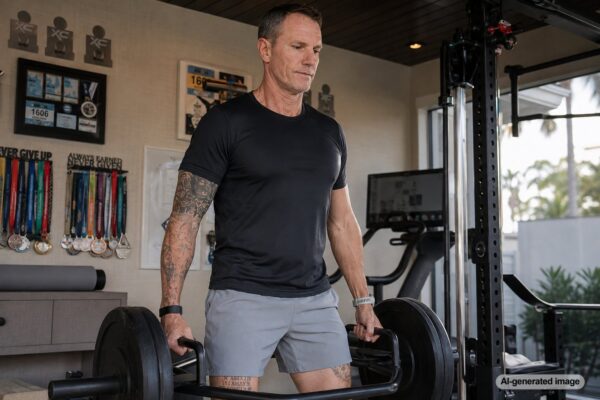
For someone who lives in the world of endurance, resilience, and forward motion, gear has to earn its place. Greg Schaefer’s story sits at the intersection of family, business leadership, endurance racing, advocacy, and the decision to keep moving through hard seasons. That same mindset applies to the small choices athletes make every day: choose what helps you stay steady, focused, and prepared. You can learn more about Greg’s broader mission on the About Greg page.
Quick answer: what makes great endurance sunglasses?
- Secure fit: They should stay put without pinching, bouncing, or sliding when sweat shows up.
- Clear visibility: Lens tint should match the light conditions you train and race in most often.
- Coverage: Wraparound or shield-style frames can help block wind, glare, dust, and side light.
- Comfort over hours: Lightweight frames and smart nose pads matter more at mile 80 than they do in the parking lot.
- Personal style: If you like how they look, you are more likely to wear them consistently.
Fit comes before everything else
Endurance athletes learn quickly that a small annoyance becomes a big problem over time. Sunglasses that feel fine for a 10-minute test can become distracting during a long ride, run, or race. The best pair should feel secure without squeezing your temples, rubbing behind your ears, or pressing too hard on your nose.
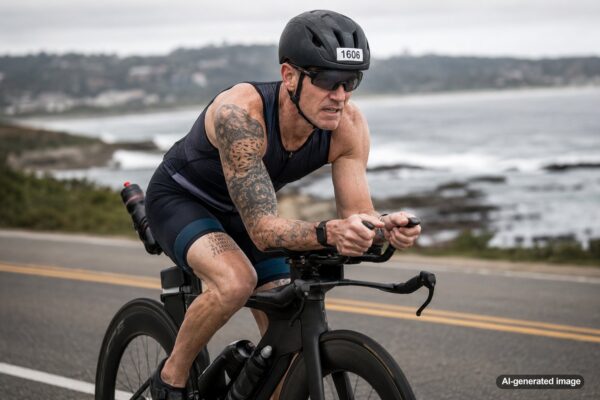
For runners, bounce is the enemy. A good pair should stay in place through sweat, cadence changes, hills, and quick head movement. For cyclists and triathletes, helmet compatibility matters just as much. The arms should sit comfortably under or around helmet straps, and the frame should not create pressure points when your head position changes on the bike.
Athletes who train for long-course events should think beyond the first mile. The real test is whether the sunglasses disappear on your face. If you keep adjusting them, pushing them up, wiping fog, or noticing pressure, they are not doing their job.
Lens choice should match your real conditions
There is no single perfect lens for every endurance athlete. The best choice depends on where and when you train. Early morning runners, trail athletes, road cyclists, open-water triathletes, and hot-weather racers all deal with different visibility problems.
Darker lenses can be useful in bright, exposed conditions, especially on open roads, reflective pavement, water, or long race courses with little shade. Lighter tints can be better for cloudy days, shaded trails, dawn starts, or mixed conditions. Photochromic lenses, which adjust to changing light, can be helpful for athletes who move between shade and sun or start before sunrise and finish under stronger light.
Polarized lenses can reduce glare, which may be helpful around water or bright roads. Some athletes love them. Others prefer non-polarized lenses for cycling because they want to read screens, pavement texture, or certain reflections more naturally. The better question is not whether one option is universally superior. It is whether the lens helps you see clearly in the conditions you actually face.
Coverage matters more than most athletes realize
Endurance sunglasses protect more than your eyes from brightness. They also help shield against wind, dust, bugs, road spray, grit, and unexpected debris. On a long ride, even a tiny irritant can become a major disruption. On a run, squinting into glare for an hour can create unnecessary tension in your face and shoulders.
Wraparound frames and shield-style lenses often provide broader coverage than smaller lifestyle frames. They can also improve peripheral protection, which matters when you are descending on a bike, running along traffic, or moving through a crowded race course. The goal is not to look overly technical for the sake of it. The goal is to reduce distractions so your energy stays where it belongs.
For triathletes, coverage can also simplify transitions. A pair that is easy to grab, quick to put on, and secure once moving can make race day feel smoother. Small details matter when your brain is already managing pacing, nutrition, weather, gear, and the next segment ahead.
Comfort is a performance feature
Endurance athletes often talk about shoes, bikes, nutrition, hydration, and pacing. Sunglasses can feel like a minor accessory until they fail. A heavy frame, poor ventilation, uncomfortable nose bridge, or slipping fit can chip away at focus. Over time, comfort becomes part of performance.
Look for lightweight materials, adjustable or grippy nose pads, stable arms, and enough ventilation to reduce fogging. A good frame should be secure but not aggressive. It should work with sweat, sunscreen, hats, helmets, and the reality of long training days.
Comfort also includes mental ease. When gear is reliable, you do not have to negotiate with it. You can keep moving. That is a small but meaningful part of endurance: removing friction where you can, so you have more capacity for the hard parts you cannot remove.
Style still matters
Performance should lead, but style is not superficial. Athletes are human. Confidence matters. If a pair of sunglasses makes you feel sharp, composed, and ready, that can become part of your race-day rhythm.
The best endurance sunglasses blend function and identity. Some athletes prefer bold shield lenses and a race-ready look. Others want something cleaner that can move from a training session to coffee afterward. There is no wrong answer as long as the glasses work when the miles get real.
For speakers, leaders, athletes, and advocates, presence matters in different settings. Greg’s platform is not only about racing. It is about showing up with purpose in business, family, community, and mission-driven work. Endurance gear can carry that same balance: practical enough for the work, polished enough to fit the person wearing it.
What endurance athletes should look for before buying
Before choosing sunglasses, think about your main use case. A marathon runner training before work may need different lenses than a cyclist spending four hours in bright sun. A triathlete may care about helmet fit and quick transitions. A trail runner may prioritize contrast, coverage, and grip.
- For runners: prioritize bounce-free fit, sweat grip, light weight, and ventilation.
- For cyclists: prioritize coverage, helmet compatibility, wide field of vision, and wind protection.
- For triathletes: prioritize easy handling, secure fit, strong coverage, and lenses that work across changing light.
- For trail athletes: prioritize contrast, stability, and lenses that handle shade, sun, and uneven terrain.
- For everyday endurance training: prioritize comfort, durability, and a style you will actually wear often.
Common mistakes to avoid
Choosing looks over fit: A great-looking frame is not enough if it slides every time you sweat.
Using one lens for every condition: Bright sun, cloud cover, trails, and early starts may require different tint strategies.
Ignoring helmet compatibility: Cyclists and triathletes should test sunglasses with their actual helmet before race day.
Waiting until race day: New sunglasses should be tested during training, not introduced during an important event.
The endurance mindset behind smart gear choices
Endurance athletes know preparation is rarely glamorous. It is built through repeated, practical decisions. The right sunglasses will not create fitness, replace discipline, or make a hard day easy. They simply remove one more obstacle from the road ahead.
That is often the point of good gear. It supports the work without becoming the story. In endurance sports, as in leadership and advocacy, the goal is not perfection. The goal is forward motion. One more step. Just one more.
For organizations looking to bring that message into a room with depth, credibility, and lived experience, Greg’s speaking work connects endurance, adversity, leadership, family, and purpose in a way that feels real because it is real.
FAQ
Are polarized sunglasses better for endurance athletes?
They can be helpful for reducing glare, especially near water or bright roads. Some cyclists and runners prefer non-polarized lenses depending on how they read terrain, screens, and reflections. The best choice depends on your sport, environment, and comfort.
Should endurance athletes use photochromic lenses?
Photochromic lenses can be useful if you train or race in changing light, such as early morning starts, shaded roads, wooded trails, or long events that move from dawn into full sun. They are not required, but they can reduce the need to swap lenses.
What style of sunglasses is best for triathlon?
Many triathletes prefer lightweight, secure, high-coverage sunglasses that work well with a helmet and are easy to put on quickly in transition. Comfort and stability matter more than brand or appearance.
How should sunglasses fit for running?
Running sunglasses should feel secure without squeezing. They should not bounce, slide down the nose, fog excessively, or create pressure behind the ears. Testing them during sweaty workouts is the best way to know.
Can style and performance both matter?
Yes. Endurance sunglasses should perform first, but style still matters. When athletes like how their gear looks and feels, they are more likely to use it consistently and confidently.
Interested in bringing Greg’s message to your event or organization?
Learn more about Greg’s speaking work or get in touch to start the conversation.
Contact Greg or learn more about the Forward Motion Fund.
This article is for educational purposes only and is not medical advice. For diagnosis, treatment, or personalized medical guidance, please speak with a qualified healthcare professional.