

What Blood Pressure Numbers Mean For Active Men
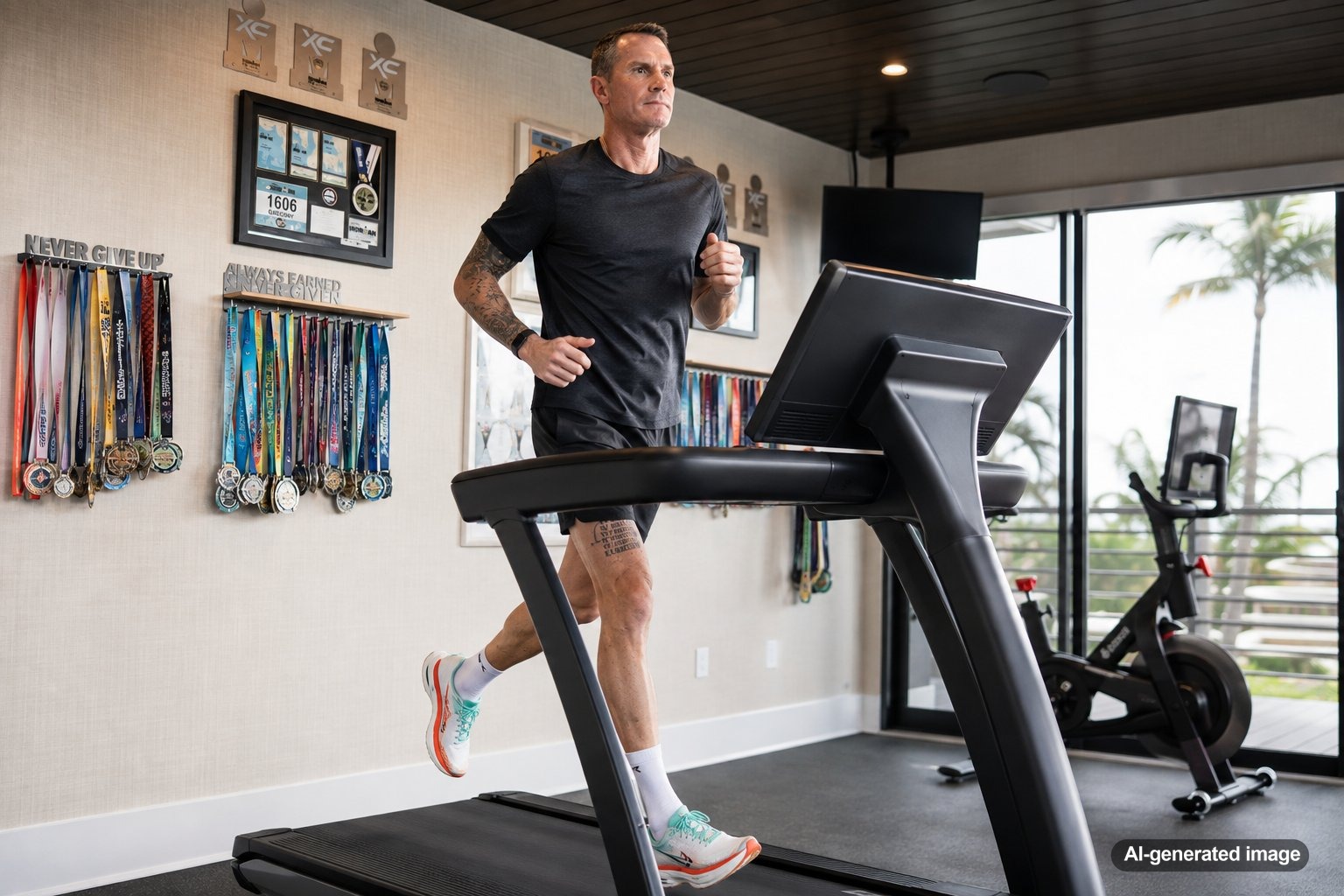
Blood pressure numbers show how forcefully blood moves against artery walls when the heart contracts and when it relaxes. For active men, the meaning comes from a properly measured resting pattern, not a single reading taken after a hard workout, a rushed commute, or a strong cup of coffee. Fitness is valuable, but it does not make consistently high blood pressure irrelevant.
Greg Schaefer’s life at the intersection of endurance sports, business leadership, family, and advocacy reflects a practical truth: performance and long-term health both depend on paying attention to useful signals. Blood pressure is one of those signals. Understanding it can help you ask better questions, recognize patterns, and decide when to involve a qualified healthcare professional.
Quick answer
- The top number, or systolic pressure, reflects pressure while the heart pumps.
- The bottom number, or diastolic pressure, reflects pressure while the heart relaxes between beats.
- For most adults, less than 120/80 mm Hg is considered healthy.
- A single unusual result is not the same as a diagnosis; repeated resting readings are more informative.
- Readings higher than 180 systolic or 120 diastolic require immediate medical attention.
What the top and bottom numbers actually measure
Blood pressure is written as two numbers in millimeters of mercury, or mm Hg. In a reading of 118/76, 118 is the systolic pressure and 76 is the diastolic pressure. Systolic pressure captures the higher pressure created when the heart contracts. Diastolic pressure captures the lower pressure present while the heart rests and fills between beats.
Both matter. It is a mistake to watch only the top number because a higher bottom number can also place a reading in a high blood pressure category. It is equally unhelpful to judge the pair by averaging the numbers or assuming that a strong resting heart rate cancels out an elevated blood pressure. Heart rate counts beats per minute; blood pressure measures force in the arteries. They are related to cardiovascular function, but they are not interchangeable.
How to read the standard blood pressure categories
The National Heart, Lung, and Blood Institute uses the following categories for adults. When the two numbers fall into different categories, the higher category is the one that deserves attention because the category definitions use either number once readings reach the high blood pressure ranges.
| Category | Systolic | Diastolic | Plain-language meaning |
|---|---|---|---|
| Normal | Less than 120 | And less than 80 | Both numbers are in the healthy range for most adults. |
| Elevated | 120-129 | And less than 80 | The top number is above normal, while the bottom remains below 80. |
| Stage 1 high blood pressure | 130-139 | Or 80-89 | Either number can place the reading in this category. |
| Stage 2 high blood pressure | 140 or higher | Or 90 or higher | Either number at this level warrants prompt discussion with a healthcare professional. |
| Hypertensive crisis | Higher than 180 | Or higher than 120 | This is dangerously high and requires immediate medical attention. |
Consider two examples. A resting reading of 134/76 falls in stage 1 because the systolic number is 130-139, even though the diastolic number is below 80. A reading of 124/84 also falls in stage 1 because the diastolic number is 80-89. The pair is classified by the number that reaches the more serious category.
These categories are screening and clinical guideposts, not a do-it-yourself diagnosis. NHLBI notes that diagnosing high blood pressure requires consistently high readings and generally two or more readings at separate medical appointments. Your clinician may also consider home readings, medical history, medicines, sleep, stress,,, family history, and overall cardiovascular risk.
Why an athlete’s reading needs context
Blood pressure rises during exercise because working muscles need more oxygen-rich blood. A number taken immediately after intervals, a long ride, heavy lifting, or a tense competition should not be compared directly with a properly collected resting number. Exercise can also be followed by a temporary decline in pressure during recovery. That is one reason timing matters.
Other short-term factors can affect a reading as well. Coffee or a caffeinated pre-workout, nicotine, conversation during the test, a full full full bladder, nervousness, and an unsupported arm can all interfere with a clean resting measurement. An undersized cuff can also distort the result, which may be especially relevant for men with larger or more muscular upper arms.
Being active does not create a separate set of resting blood pressure categories. A strong race result, low resting pulse, or consistent training history can coexist with high blood pressure. Because high blood pressure may not cause noticeable symptoms, how fit you feel is not a dependable substitute for measurement.
How to get a more useful resting reading
A careful routine makes the number more meaningful and makes readings easier to compare over time. NHLBI advises avoiding exercise, coffee, and smoking for 30 minutes before a measurement. Empty your bladder, then sit quietly for at least five minutes with your back supported and both feet flat on the floor. Keep the cuff on bare skin, support the arm at heart level, and do not talk during the rest period or measurement.
- Use the right cuff size. A cuff that does not fit your arm can produce a misleading result.
- Measure under similar conditions. A repeatable morning or evening routine can reveal more than scattered checks under changing conditions.
- Record the full context. Note the result, time, recent training, caffeine, symptoms, and any relevant medication timing.
- Look for a pattern. One number can be noise; a series of well-collected readings gives a clinician more useful information.
- Bring the log to an appointment. Do not change prescribed medication or your training plan based only on your own interpretation.
Four patterns active men should not dismiss
1. Resting readings that repeatedly reach 130/80 or higher
Consistent systolic readings of 130 or higher or diastolic readings of 80 or higher meet NHLBI’s definition of high blood pressure. Even if training feels normal, share the pattern with a healthcare professional. A clinician can confirm whether the numbers are accurate and evaluate them in the context of your health.
2. A large difference between home and office readings
Some people record higher values in a medical office than elsewhere, often called white coat hypertension. Others have lower office values but higher readings outside the office, sometimes called masked high blood pressure. Neither pattern should be guessed from one comparison. A clinician may use properly collected home readings or other monitoring to understand the difference.
3. Dizziness, chest pain, or unusual symptoms with exercise
Do not turn concerning symptoms into a test of toughness. NHLBI advises speaking with a doctor about chest pain or dizziness during physical activity. Stop the activity and seek appropriate medical help, especially when symptoms are new, severe, or worsening. Fitness can build resilience, but good judgment is part of resilience too.
4. Very high readings
A reading higher than 180 systolic or 120 diastolic is in the hypertensive crisis range and requires immediate medical attention. Do not try to sweat it out, train through it, or wait for the next routine appointment. Follow urgent guidance from a qualified healthcare professional or emergency service.
What blood pressure means for training
Regular physical activity can be part of managing blood pressure and supporting heart health. That does not mean more intensity is always the right answer. If you have high blood pressure, heart disease, diabetes, or another ongoing condition, ask your clinician what types and amounts of activity are appropriate. The goal is not to abandon movement; it is to make movement sustainable and informed.
For an active man, that conversation may include aerobic volume, heavy resistance work, heat exposure, recovery, sleep, supplements, medications, and symptoms. A marathon plan and a twice-weekly gym routine place different demands on the body. Personalized guidance matters more than a broad label such as fit or unfit.
The same mindset that supports endurance progress works well here: collect reliable information, respect patterns, and adjust with purpose. Greg’s message of forward motion is not about ignoring signals. It is about taking the next responsible step, especially when that step protects the ability to keep showing up for family, work, sport, and community.
Frequently asked questions
Is 120/80 a normal blood pressure?
Under NHLBI categories, normal blood pressure is less than 120 systolic and less than 80 diastolic. A reading of exactly 120/80 is not in the normal category: 120 with a diastolic below 80 is elevated, while a diastolic of 80 places the reading in stage 1. A clinician can explain what a pattern means for you.
Can a fit man still have high blood pressure?
Yes. Regular exercise supports cardiovascular health, but activity level alone does not rule out high blood pressure. Genetics, age, sleep, stress, alcohol, diet, medicines, other health conditions, and additional factors may matter. Measurement is the only way to know your numbers.
Should I check blood pressure right after a workout?
A post-workout reading may be useful only for a specific clinical or training purpose, but it is not directly comparable to a standardized resting reading. For a resting measurement, NHLBI advises no exercise for 30 minutes beforehand and at least five minutes of quiet sitting before the cuff is used.
Which blood pressure number matters more?
Both numbers matter. Either a systolic or diastolic value can move a reading into a high blood pressure category. Avoid focusing on one while ignoring the other.
Does one high reading mean I have hypertension?
Not by itself. A diagnosis generally depends on repeated readings and professional evaluation. If a reading is higher than 180 systolic or 120 diastolic, however, seek immediate medical attention rather than waiting to establish a pattern.
Interested in bringing Greg’s message to your event or organization?
Learn more about Greg’s speaking work or get in touch to start the conversation.
Contact Greg or learn more about the Forward Motion Fund.
This article is for educational purposes only and is not medical advice. For diagnosis, treatment, or personalized medical guidance, please speak with a qualified healthcare professional.


