How To Book A Motivational Speaker For Annual Sales Kickoff Meetings
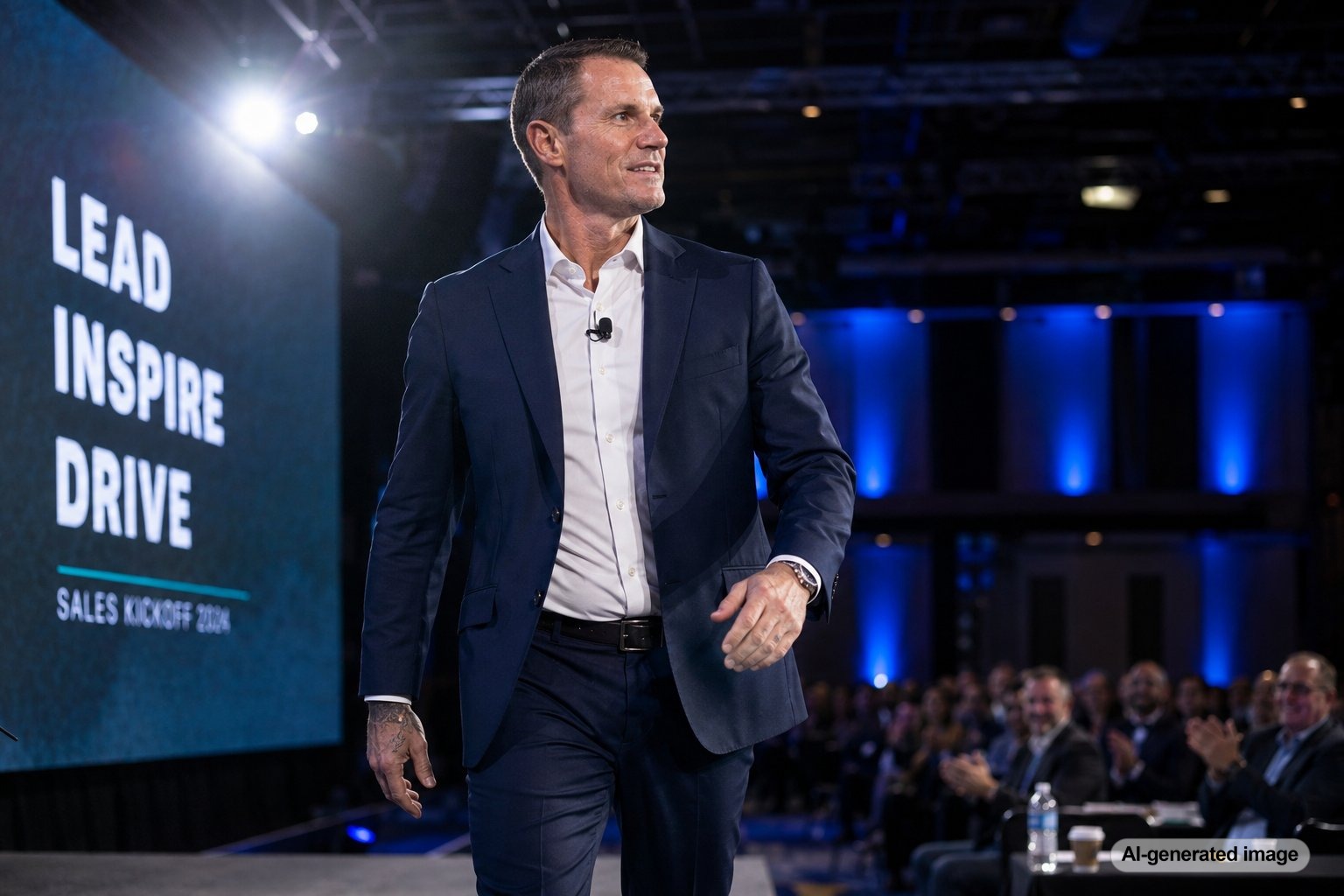
Booking a motivational speaker for an annual sales kickoff is not simply about finding someone who can energize a room for an hour. The right speaker should support the larger purpose of the meeting: helping people reconnect with the mission, understand what matters in the year ahead, and leave ready to move with greater focus. For sales organizations, that means choosing a speaker whose message can stand alongside business goals rather than feeling like a disconnected burst of inspiration.
A strong keynote can become one of the moments people remember long after the slides, forecasts, and breakout sessions are over. If you are evaluating speakers for an upcoming kickoff, Greg Schaefer’s speaking work offers an example of how lived experience, leadership, endurance, adversity, and purpose can come together in a message designed for real teams facing real challenges.
Quick answer: What should you look for?
- Start with the outcome. Decide what you want your sales team to think, feel, or do differently after the keynote.
- Choose relevance over celebrity. A recognizable name is less important than a message that fits your people and your business moment.
- Look for earned credibility. The strongest motivational stories are backed by real leadership, adversity, discipline, or accomplishment.
- Evaluate delivery as well as content. A great story still needs structure, presence, timing, and a clear connection to the audience.
- Plan the keynote as part of the meeting. The speaker should reinforce the kickoff, not compete with it.
Start by defining what the sales kickoff needs to accomplish
Before searching speaker websites, watching demo reels, or asking colleagues for recommendations, define the job you need the keynote to do. Annual sales kickoffs can carry very different emotional and strategic weight depending on the year.
A company coming off a record year may need a message about sustaining discipline without becoming complacent. A team facing a difficult market may need perspective on resilience, adaptability, and continuing to execute when conditions are uncomfortable. A reorganized sales force may need stronger connection around identity, purpose, and trust. A fast-growing company may need a keynote that reinforces leadership and personal responsibility as expectations rise.
Those are different assignments. Writing down the desired outcome before you begin your search makes it easier to separate speakers who are impressive from speakers who are actually appropriate.
Look for a message that connects naturally to sales performance
Sales professionals already hear plenty about quotas, pipelines, conversion rates, and activity goals. A motivational keynote usually adds more value when it addresses the human side of performance: discipline, setbacks, identity, pressure, preparation, teamwork, persistence, leadership, and purpose.
The connection does not need to be forced. In fact, the best keynote speakers often avoid trying to turn every story into a sales metaphor. Instead, they tell a compelling story, draw out clear lessons, and allow the audience to recognize how those lessons apply to their work.
For example, endurance sports can create useful parallels around preparation, pacing, consistency, setbacks, and continuing when immediate results are not visible. Entrepreneurship can offer perspective on uncertainty, accountability, relationships, risk, and leadership. Personal adversity can illuminate how people respond when the plan changes unexpectedly. When these experiences are genuine, the lessons tend to feel earned rather than manufactured.
Choose credibility that your audience can respect
Motivation becomes more powerful when the audience understands where it comes from. Sales teams are often highly attuned to authenticity. They spend their careers listening, questioning, reading people, and deciding whether a message is credible.
That makes a speaker’s background important. Consider what the person has actually led, built, endured, learned, or accomplished. Greg Schaefer, for example, brings together multiple parts of his life rather than relying on a single identity. He is a dad, husband, former CEO, motivational speaker, and 20-time Ironman living with Young-Onset Parkinson’s. He built and led a Manhattan insurance agency before selling the company in 2019, and after his Parkinson’s diagnosis in 2023, he returned to the start line in May 2024.
The value of a story like that is not that every audience member shares the same circumstances. They do not. The value is that themes such as uncertainty, responsibility, discipline, reinvention, family, leadership, and moving forward are recognizable across industries and roles. You can learn more about the broader story on Greg’s About page.
Watch the full speaking sample, not only the highlight reel
A polished two-minute reel can show stage presence, but it rarely tells you whether someone can sustain an audience for an entire keynote. When possible, review longer speaking clips or ask for examples that reveal how the speaker builds an idea from beginning to end.
Listen for structure. Does the keynote have a clear through-line? Are the stories connected to meaningful takeaways? Does the speaker know when to slow down and when to build energy? Can the person be vulnerable without making the audience uncomfortable or turning adversity into spectacle?
Also pay attention to whether the speaker sounds natural. The goal is not flawless theatrical performance. For many organizations, a grounded speaker who feels human and credible will make a stronger impression than someone who sounds overly rehearsed or relentlessly inspirational.
Ask how the speaker will learn about your organization
A useful keynote should feel connected to the meeting it is part of. That does not mean every sentence must be customized, but the speaker should understand the audience, the organization’s priorities, and the emotional context of the event.
When speaking with a potential keynote speaker or representative, ask what happens before the event. Will there be a preparation call? What information does the speaker typically want from leadership? Can the message acknowledge the company’s annual theme, strategic priorities, or current challenges without becoming an internal business presentation?
This is especially important for sales kickoffs because the keynote often sits near major business content. Leadership may have just introduced a new strategy, compensation plan, product direction, territory structure, or ambitious revenue target. A thoughtful speaker will understand how to complement that environment.
Think about where the keynote belongs in the agenda
The same keynote can feel very different depending on when it appears. Opening the event with a strong speaker can establish emotional momentum and create a shared reference point for the sessions that follow. A keynote after dense business presentations can reset attention and reconnect people with a larger purpose. A closing keynote can help turn several days of information into a clear emotional sendoff.
Consider audience energy when you choose the slot. A late-afternoon keynote after hours of presentations requires a different level of engagement than an opening session on day one. Share these details with the speaker so the delivery can match the room.
Evaluate whether the speaker’s message can live beyond the event
A strong sales kickoff keynote should create language and ideas people can continue using. The test is not whether everyone feels inspired at the end of the session. The more useful question is whether the message gives the team something memorable enough to carry into difficult calls, missed targets, leadership conversations, changing markets, and everyday execution.
Simple ideas often travel farther than complicated frameworks. Greg’s core message, “One More Step… Just One More,” is an example of a concept that can apply across different circumstances without pretending those circumstances are easy. It reflects a broader philosophy of forward motion: continuing to take the next meaningful action even when the entire path is not clear.
Ask practical booking questions early
Once a speaker looks promising, move from inspiration to logistics. Annual sales kickoffs often involve complex schedules, multiple stakeholders, travel, production teams, and tightly managed agendas. Getting practical information early helps avoid surprises.
Ask about availability, keynote length, travel requirements, audiovisual needs, preparation calls, audience size, event format, and any opportunities for moderated conversation or Q and A. If your kickoff is virtual or hybrid, confirm that the speaker has experience adapting the presentation to that format.
You should also make sure expectations are clear on both sides. Share the location, date, audience profile, approximate attendance, agenda position, theme, and event objectives. The more useful context a speaker has, the better the preparation can be.
What event planners sometimes overlook
The biggest mistake is often treating the keynote as a separate entertainment decision rather than part of the event strategy. A motivational speaker can be engaging and still be wrong for the meeting. The strongest fit happens when the speaker’s message supports what leadership wants the team to carry into the year ahead.
Also consider the emotional range of the presentation. Sales kickoffs already tend to have plenty of high energy. A keynote that includes humor, reflection, vulnerability, perspective, and practical relevance can create more depth than one that stays at maximum intensity from beginning to end.
How far ahead should you book a sales kickoff speaker?
Earlier is generally better, especially when your event date, location, and agenda are already established. Speaker availability can narrow as calendars fill, and additional lead time gives your team more room for preparation and coordination.
That said, a shorter timeline does not automatically mean you are out of options. If your kickoff is approaching, begin outreach with the exact event date and key details so availability can be determined quickly.
Frequently asked questions
What makes a motivational speaker a good fit for a sales kickoff?
A good fit combines credible experience, an engaging delivery style, and a message that supports the goals of the meeting. The speaker should understand the difference between creating temporary excitement and giving a team ideas they can carry into their work.
Should a sales kickoff speaker have a sales background?
Not necessarily. A direct sales background can be useful, but leadership, entrepreneurship, endurance, adversity, team performance, and other lived experiences can also provide highly relevant lessons. The important question is whether the speaker can connect those experiences to the realities your audience faces without forcing the comparison.
How long should a sales kickoff keynote be?
The ideal length depends on the event agenda and format. Rather than choosing a speaker based on a fixed duration alone, discuss the available session window and ask how the presentation can be structured within it.
Should the keynote be customized?
Some level of preparation around your organization, audience, goals, and event theme is valuable. The strongest customization usually connects the speaker’s established message to your event context rather than rebuilding the entire keynote around company-specific language.
What should I send when requesting speaker availability?
Include the event date, city or venue, estimated audience size, type of audience, desired keynote length, event theme, agenda position if known, and a brief description of what you hope the audience takes away. Clear information makes the initial conversation more productive.
The bottom line
Booking a motivational speaker for an annual sales kickoff is ultimately a question of alignment. You are looking for a person whose experience carries credibility, whose message fits the moment, and whose delivery can connect with people who are about to spend another year navigating goals, pressure, setbacks, relationships, and opportunities.
Choose the speaker who can add meaning to the meeting, not simply noise. When the story is real, the lessons are relevant, and the message reinforces where the organization wants to go, a keynote can become more than a memorable hour. It can give people a useful reference point for what comes next.
Interested in bringing Greg’s message to your event or organization?
Learn more about Greg’s speaking work or get in touch to start the conversation.
Contact Greg or learn more about the Forward Motion Fund.
This article is for educational purposes only and is not medical advice. For diagnosis, treatment, or personalized medical guidance, please speak with a qualified healthcare professional.