

Can Better Sleep Improve Strength Without Changing Your Workout?
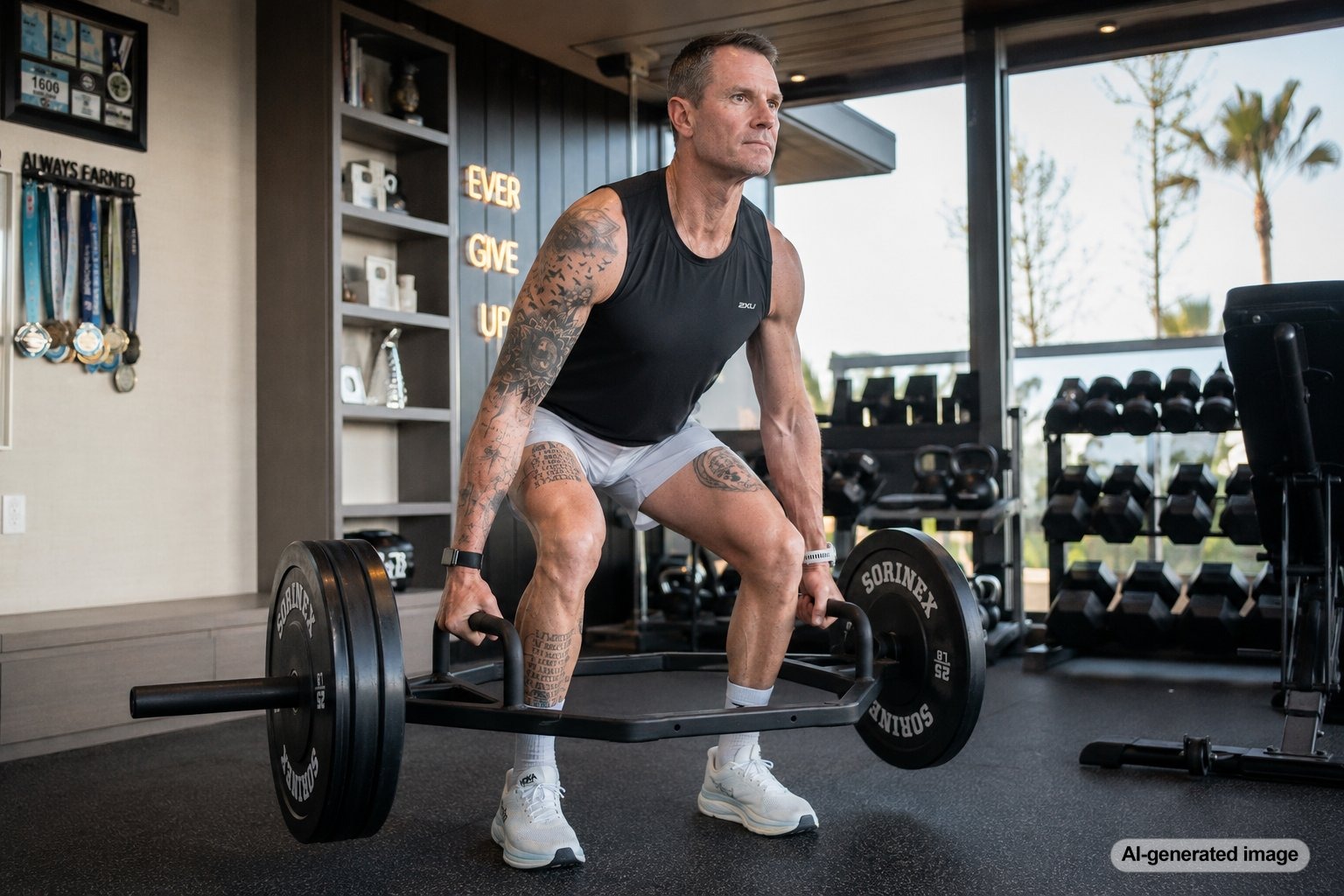
Yes, better sleep may help you express more strength without changing the exercises, sets, or weights written in your workout plan. The program may remain identical, but the person performing it can arrive more alert, coordinated, recovered, and ready to work. That difference can affect how solid a weight feels, how well you maintain technique, and how consistently you complete productive sessions.
Sleep is not a substitute for intelligent training, nutrition, or medical care. It is part of the foundation that allows those efforts to work. For athletes, leaders, parents, and anyone carrying a demanding schedule, improving sleep can be one of the simplest ways to get more value from work already being done. That principle fits naturally with the disciplined, sustainable approach behind Greg’s experience in endurance sports, business, family, and advocacy.
Quick answer
- Better sleep may improve coordination, concentration, and perceived readiness during strength training.
- Recovery between sessions can feel more complete, even when the workout schedule does not change.
- Consistent sleep may help you perform planned repetitions with better technique and fewer careless mistakes.
- One excellent night rarely transforms performance. Repeating supportive sleep habits matters more.
- If fatigue is persistent, severe, or unusual, a qualified healthcare professional can help evaluate possible causes.
Strength is more than muscle size
When people think about becoming stronger, they often focus only on muscle. Muscle matters, but strength also depends on how effectively the brain and body coordinate a movement. A heavy squat, press, pull, or carry requires timing, balance, focus, bracing, and confidence under load.
Poor sleep can leave a person feeling mentally slow or physically flat. The muscles may not have disappeared overnight, but the ability to organize effort can feel less reliable. A familiar warmup may seem unusually heavy. A lifter may rush the setup, lose track of repetitions, or struggle to maintain the same level of intent across multiple sets.
Better sleep does not create a shortcut around training. It may help reveal more of the strength that training has already developed.
How better sleep can change the same workout
The warmup may feel more productive
A rested athlete can often pay closer attention to movement quality during the first few minutes of a session. Instead of simply getting through the warmup, the person can notice stiffness, adjust positioning, and gradually build intensity. That preparation may make the working sets feel more stable.
Technique may hold together longer
Fatigue does not always show up as complete failure. It can appear as small technical compromises: a loose brace, inconsistent foot pressure, a rushed lowering phase, or a grip that fades earlier than expected. Better rest may support the concentration needed to repeat a good setup from the first repetition to the last.
Effort may feel more manageable
The same weight can feel very different on two separate days. Sleep is only one factor, but it can influence how prepared a person feels to tolerate demanding work. When recovery is better, planned sets may feel challenging without feeling chaotic.
Decision-making may improve
Strength training requires judgment. You may need to decide whether to add weight, repeat a load, shorten the session, or stop a set before technique breaks down. A well-rested athlete is often in a better position to make that decision calmly rather than reacting out of frustration or ego.
Better sleep does not always mean more time in bed
Sleep improvement is not limited to chasing a perfect number of hours. Duration matters, but regularity, environment, and timing can also shape the experience. Someone may spend a long time in bed while dealing with frequent interruptions, inconsistent schedules, late-night work, stress, or habits that make it difficult to settle down.
A useful first step is to look for friction rather than perfection. Is bedtime shifting by several hours throughout the week? Is the room bright, noisy, or uncomfortable? Does work follow you into bed through email and notifications? Are hard evening workouts, large meals, or stimulants making it difficult to wind down?
The goal is not to control every variable. It is to create a repeatable transition from the demands of the day into genuine recovery.
What people often miss
Sleep can improve consistency before it improves personal records. The first benefit may not be a dramatic increase in weight. It may be fewer missed sessions, better patience, steadier technique, and less need to negotiate with yourself before every workout.
Recovery needs can change. Training volume, work stress, travel, family responsibilities, aging, illness, and other pressures can change how much recovery feels necessary. A schedule that once worked well may need adjustment.
More energy is not permission to abandon restraint. A strong day can tempt an athlete to add unnecessary volume or chase an unplanned maximum. Better readiness should support better decisions, not reckless ones.
Sleep cannot solve every performance problem. If the program is poorly designed, nutrition is consistently inadequate, technique needs coaching, or a health issue is present, sleep alone may not correct the problem.
A practical sleep and strength experiment
You do not need to rebuild your entire life to learn whether sleep is affecting your training. Keep your workout plan stable for two weeks and make a few realistic sleep-related changes. Try to keep your bedtime and wake time more consistent, reduce unnecessary screen exposure before bed, prepare your training gear earlier, and create a short wind-down routine.
During each workout, record a few simple observations:
- How did the warmup feel?
- Did your working weights feel stable or unusually heavy?
- How consistent was your technique?
- Did concentration fade during the session?
- How recovered did you feel the following day?
Do not expect every session to improve in a straight line. Look for patterns. A useful experiment is less about proving that sleep controls everything and more about understanding how your habits affect your ability to train well.
The leadership lesson behind recovery
There is also a broader lesson here. High performers often assume that progress requires adding more: more hours, more effort, more training, or more pressure. Sometimes the next improvement comes from protecting the conditions that allow existing work to produce a return.
That is true in athletics and leadership. Recovery supports judgment, patience, communication, and the ability to respond rather than react. Rest is not the opposite of discipline. Used intentionally, it is part of discipline.
Greg’s speaking work with organizations and teams draws on the same intersection of endurance, adversity, leadership, and forward motion. Sustainable performance is rarely built through intensity alone. It is built by knowing when to push, when to recover, and how to keep taking the next useful step.
Frequently asked questions
Can one good night of sleep make me stronger?
One restful night may help you feel more alert and prepared, particularly after a period of poor sleep. Lasting progress, however, is more likely to come from consistent training and repeatable recovery habits than from a single night.
Should I skip strength training after a bad night?
Not automatically. Consider how you feel, the demands of the planned session, and whether you can train safely with good technique. You may choose to reduce the load, shorten the workout, or focus on lower-intensity movement. Personalized medical or training guidance should come from a qualified professional.
Can better sleep replace a rest day?
No. Sleep and rest days serve related but different purposes. A training plan may still require reduced volume, lighter sessions, or complete rest based on workload and individual recovery.
Why do my normal weights sometimes feel much heavier?
Sleep may be one factor, but stress, nutrition, hydration, illness, training fatigue, and other variables can also affect readiness. An occasional difficult session is normal. Persistent or unusual fatigue deserves professional attention.
Should I change my program while improving my sleep?
Keeping the program stable for a short period can make it easier to notice whether improved sleep changes how the sessions feel. Major program decisions should still reflect your goals, experience, health, and access to qualified coaching.
Interested in bringing Greg’s message to your event or organization?
Learn more about Greg’s speaking work or get in touch to start the conversation.
Contact Greg or learn more about the Forward Motion Fund.
This article is for educational purposes only and is not medical advice. For diagnosis, treatment, or personalized medical guidance, please speak with a qualified healthcare professional.