The Impact Of Chronic Illness On Endurance Sport Performance
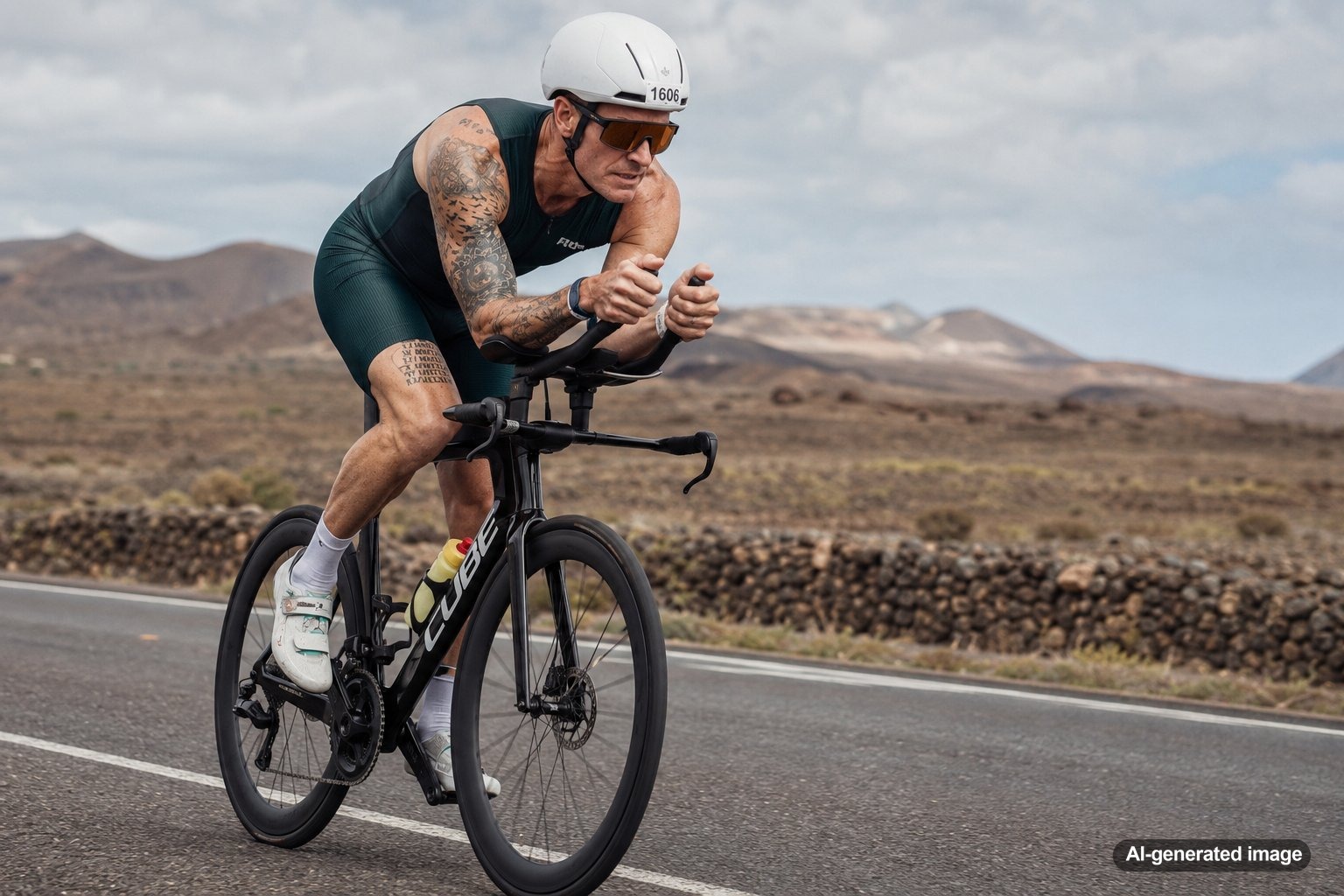
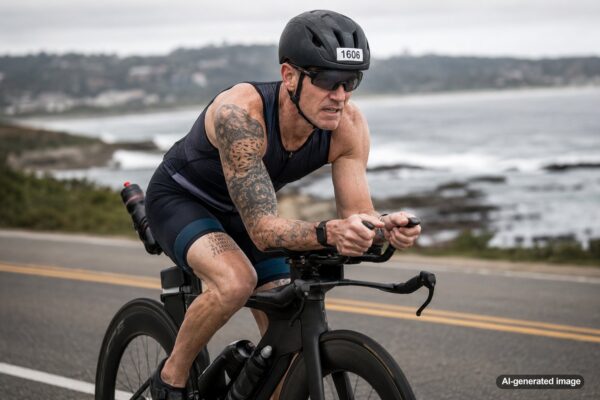
Endurance sports have a way of revealing the truth. They expose fitness, discipline, preparation, patience, and the quiet negotiations an athlete makes with discomfort. When chronic illness enters the picture, those negotiations become more complex. Performance is no longer shaped only by mileage, watts, pace, fueling, or race-day toughness. It is also shaped by energy variability, medication timing, sleep, symptoms, recovery capacity, stress, and the emotional weight of training inside a body that may not respond the same way every day.
For athletes living with a chronic condition, including neurological conditions such as Parkinson’s, the question is not always, “Can I still perform?” A more useful question is, “What does performance need to mean now, and how can I protect the long game?” That shift is not surrender. It is strategy. It is also a deeply human part of forward motion.
Quick answer
- Chronic illness can affect endurance sport performance through fatigue, mobility changes, pain, sleep disruption, medication timing, immune stress, and slower recovery.
- Performance may become less predictable, even when an athlete is disciplined and well trained.
- Successful adaptation often depends on flexible planning, careful recovery, honest pacing, and support from qualified healthcare and coaching professionals.
- Exercise may be an important part of living well with Parkinson’s and many other chronic conditions, but training plans should be individualized.
- The athlete’s identity can remain strong, even when goals, timelines, and definitions of success have to evolve.
How chronic illness changes the performance equation
Traditional endurance training often assumes that stress plus recovery creates adaptation. That model still matters, but chronic illness can make both sides of that equation less predictable. A workout that felt manageable last week may feel unusually heavy today. A recovery day may not restore the athlete as expected. Travel, temperature, medication changes, poor sleep, inflammation, pain, or emotional stress can influence the body before the race even begins.
This is one of the most overlooked realities of chronic illness in endurance sport: the athlete may still have discipline, skill, and desire, but the body’s response curve can change. That does not make the athlete less committed. It means the training environment has more variables.
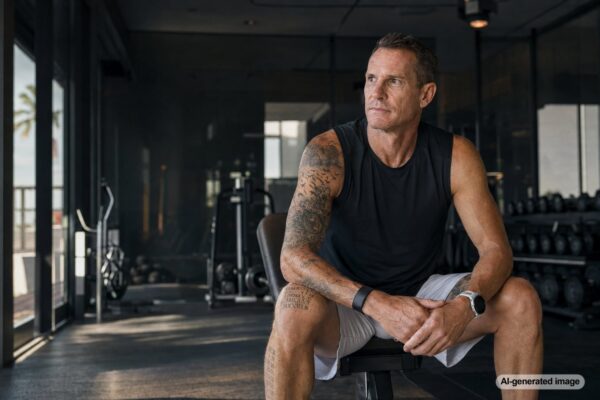
For someone like Greg Schaefer, whose life brings together family, business leadership, Ironman experience, Parkinson’s advocacy, and speaking, the message is not about pretending the hard parts are easy. It is about learning how to keep moving with honesty. Readers can learn more about Greg’s broader story on the About Greg page.
Fatigue is not the same as being out of shape
Endurance athletes are used to fatigue. They expect tired legs, heavy breathing, and mental resistance late in a race or deep into a training block. Chronic illness can introduce a different kind of fatigue. It may arrive earlier, last longer, or feel disconnected from the actual training load.
That distinction matters. An athlete who treats illness-related fatigue as simple lack of toughness may dig a deeper hole. They may add volume when they need rest, push through symptoms that deserve attention, or measure themselves against a version of their body that no longer has the same recovery pattern.
A more useful approach is to separate productive discomfort from warning signals. Productive discomfort is the kind athletes train through with care. Warning signals may include unusual dizziness, significant symptom changes, abnormal pain, chest symptoms, severe exhaustion, or changes that feel unsafe. In those moments, performance means listening early, not proving something late.
Recovery may become the main training discipline
Many endurance athletes love the visible work: the swim, the bike, the run, the strength session, the race calendar, the numbers. Chronic illness often makes the invisible work more important. Sleep, nutrition, hydration, mobility, medication consistency, stress management, physical therapy, and recovery windows can become as performance-relevant as the workout itself.
This can be frustrating for driven athletes. Rest may feel like lost ground. Adjusting a plan may feel like weakness. Yet for an athlete managing a chronic condition, recovery is not a passive break from training. It is part of the training architecture.
One practical distinction is the difference between backing off and quitting. Backing off may mean shortening a session, moving intensity to another day, replacing a run with mobility work, or choosing a lower-risk effort during a symptom-heavy period. Quitting is abandoning the larger commitment. Smart adjustment is often what allows the larger commitment to survive.
Symptoms can affect mechanics, pacing, and confidence
Chronic illness may influence the mechanics of endurance performance. Depending on the condition, an athlete may experience stiffness, tremor, balance changes, pain, gastrointestinal issues, heat sensitivity, neuropathy, joint limitations, or changes in coordination. These are not just medical details. They can affect stride, bike handling, swim rhythm, transitions, descending, fueling, and race confidence.
For athletes with Parkinson’s, movement symptoms and non-movement symptoms can vary from person to person. Public health resources describe Parkinson’s as a nervous system disorder that affects movement and can progress over time. Many people also experience non-motor challenges that may influence daily life and training. Because the experience can vary widely, endurance planning should be personal rather than copied from another athlete’s template.
Confidence can also change. When the body becomes unpredictable, the athlete may start questioning whether a bad session means loss of fitness, disease progression, poor planning, or simply a bad day. That uncertainty can be mentally draining. A useful training plan leaves room for observation instead of panic. It asks, “What pattern are we seeing?” before it declares, “Everything is going wrong.”
Medication timing and race logistics may matter more
Some chronic conditions involve medications that affect energy, symptoms, digestion, timing, sleep, heart rate, or hydration needs. In endurance sport, where events can last for hours, logistics become part of performance. The athlete may need to think carefully about when symptoms tend to change, how travel affects the body, how heat or cold influences function, and how to communicate important needs to coaches, race support, or family.
This is where planning becomes empowering. A race plan for an athlete with chronic illness may include more than split goals. It may include symptom check-ins, medication reminders if prescribed, fueling windows, hydration cues, contingency plans, and a clear understanding of when to stop or seek help. Those details are not signs of fragility. They are signs of respect for the body and respect for the event.
The mental impact is real
Endurance athletes often build identity around effort. They know how to suffer, how to stay patient, and how to keep going when the finish line feels far away. Chronic illness can challenge that identity because it changes the relationship between effort and outcome. Sometimes the athlete does the work and still gets a result that feels disappointing. Sometimes finishing is harder than the numbers predicted. Sometimes the biggest win is showing up with courage and restraint.
That emotional adjustment deserves respect. It is not vanity to grieve a lost pace, a changed body, or a different race experience. It is human. The goal is not to erase that grief with slogans. The goal is to build a wider definition of strength, one that includes ambition, adaptation, humility, and hope.
Greg’s core message, “One More Step… Just One More,” fits here because it does not require pretending the whole road is easy. It simply asks for the next honest step. For readers who want to understand the mission connected to that message, the Forward Motion Fund shares more about the work Greg is building around research, support, challenged athletes, and youth-focused impact.
What athletes and support teams often miss
- Consistency may look different. The best plan may be the one an athlete can sustain through symptom variability, not the most aggressive plan on paper.
- Data needs context. Pace, heart rate, power, and fatigue scores are useful, but they do not always tell the whole story when illness is involved.
- Support systems matter. Family, clinicians, coaches, training partners, and caregivers can help an athlete stay honest, safe, and connected.
- Goals can evolve without disappearing. Racing, training, advocacy, fundraising, and personal growth can all become meaningful forms of performance.
Practical ways endurance athletes can adapt
There is no single template for training with chronic illness, but several principles can help athletes and support teams think more clearly. First, build flexibility into the plan before it is needed. A rigid schedule can make every adjustment feel like failure. A flexible plan treats adaptation as part of the system.
Second, track patterns beyond pace and distance. Sleep quality, symptom timing, medication schedule if applicable, mood, soreness, hydration, stress, and recovery can provide clues. Over time, these notes may help the athlete and care team understand what supports better training days.
Third, protect strength and mobility. Endurance athletes sometimes neglect these areas when race volume rises, but chronic illness can make functional movement especially important. Strength, balance, flexibility, and neuromotor training may support safer movement and better confidence, especially when designed by qualified professionals.
Fourth, define success before the race gets hard. Success may include finishing, executing a safe plan, staying present, raising awareness, supporting a cause, or making a wise decision mid-race. When the only acceptable outcome is a specific time, the athlete may miss the deeper victory that is unfolding.
Exercise, Parkinson’s, and individualized guidance
Trusted Parkinson’s organizations consistently emphasize the value of exercise and movement, while also encouraging individualized planning. The Parkinson’s Foundation notes that exercise can help support balance, mobility, flexibility, and quality of life. The Michael J. Fox Foundation also emphasizes that the best exercise is one that is approved by the care team and sustainable for the person doing it.
For endurance athletes, that message is important. Movement can be powerful, but more is not automatically better. The right plan depends on the person, the condition, the stage of illness, current symptoms, medical history, goals, and risk factors. A qualified healthcare professional, and when appropriate a physical therapist or coach with relevant experience, can help translate general guidance into a safer individual plan.
FAQ
Can someone with chronic illness still participate in endurance sports?
Many people with chronic conditions continue to train, race, and stay active, but the right approach depends on the condition, symptoms, medical guidance, and safety considerations. Participation should be individualized rather than based on another athlete’s story.
Does chronic illness always reduce performance?
Not always in a straight line. Some athletes continue to perform at a high level, while others experience changes in pace, recovery, consistency, or race selection. Performance may become more variable, and success may need to include both results and sustainability.
What is the biggest training mistake athletes make when managing chronic illness?
One common mistake is treating every difficult day as a character test. Sometimes the disciplined choice is to adjust, recover, seek guidance, or protect the long-term goal instead of forcing the original workout.
How can family members or teammates support an endurance athlete with chronic illness?
Support often starts with listening without turning every conversation into either fear or cheerleading. Practical help, calm check-ins, patience around changing plans, and respect for the athlete’s identity can all matter.
Performance can still have purpose
Chronic illness changes endurance sport, but it does not have to erase the athlete. It may change the calendar, the pace, the recovery rhythm, the race plan, and the emotional landscape. It may also deepen the meaning of showing up.
The most powerful endurance stories are not always the cleanest ones. Sometimes they are the stories where an athlete learns how to carry ambition and limitation in the same body. Sometimes they are the stories where a finish line becomes more than a result. It becomes proof of adaptation, community, courage, and one more step forward.
Interested in bringing Greg’s message to your event or organization?
Learn more about Greg’s speaking work or get in touch to start the conversation.
Contact Greg or learn more about the Forward Motion Fund.
This article is for educational purposes only and is not medical advice. For diagnosis, treatment, or personalized medical guidance, please speak with a qualified healthcare professional.