
The Connection Between Heart Health And Brain Health
Heart health and brain health are often talked about as separate parts of wellness, but the body does not work in neat little compartments. The heart helps move oxygen-rich blood through the body, and the brain depends on that steady supply to think, move, remember, respond, and recover. When circulation, blood pressure, fitness, sleep, stress, and movement habits are cared for, the brain often benefits too.
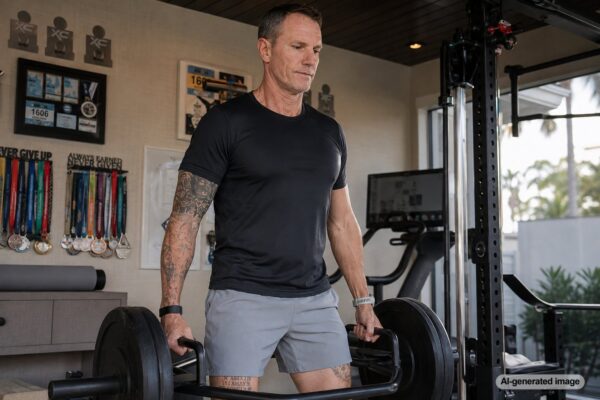
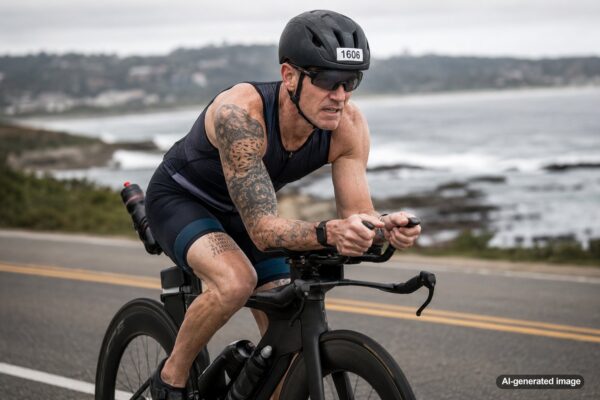
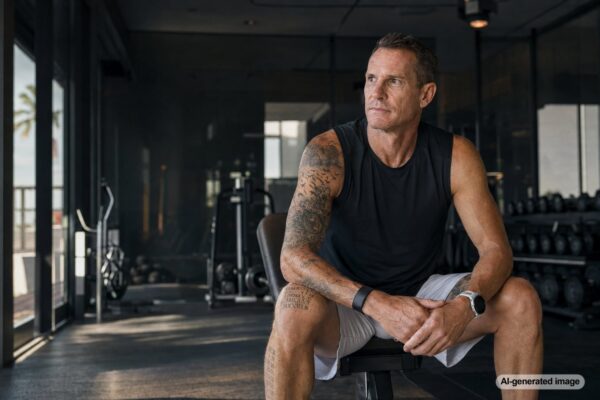
For Greg Schaefer, this connection is not an abstract wellness idea. His world sits at the intersection of family, business leadership, endurance sports, Parkinson’s advocacy, and the choice to keep moving forward. That is also why his message through speaking and the Forward Motion Fund is grounded in something deeper than motivation: daily action matters, and the body often responds to what we consistently practice.
Quick answer
- Heart health and brain health are connected through blood flow, oxygen delivery, blood pressure, inflammation, movement, and overall vascular health.
- Healthy cardiovascular habits may support thinking, memory, energy, mood, and physical function over time.
- Exercise can be especially meaningful for people living with Parkinson’s, though routines should be adapted to the person and discussed with a qualified healthcare professional when needed.
- The goal is not perfection. It is building sustainable habits that help the body and brain stay engaged.
Why the heart-brain connection matters
The brain is an energy-demanding organ. It relies on the cardiovascular system to deliver oxygen and nutrients and to help remove waste products. When the heart and blood vessels are under strain, the brain can be affected by changes in blood flow, blood pressure, vascular health, and overall resilience.
That does not mean every heart issue automatically leads to a brain issue, and it does not mean lifestyle habits are a guarantee against disease. Health is more complex than that. But it does mean that taking care of the heart can be part of taking care of the brain, especially as we age or navigate conditions that affect movement, energy, mood, or cognition.
Blood flow is one of the simplest places to understand the connection
Good circulation matters because the brain depends on a steady supply of oxygen-rich blood. High blood pressure, poor cardiovascular fitness, and other vascular risk factors can place stress on the vessels that serve the brain. Over time, that can matter for cognitive health, especially when combined with age, genetics, sleep quality, stress, and other medical factors.
This is one reason many clinicians talk about heart health as more than preventing heart events. Blood pressure checks, movement, balanced nutrition, sleep, and follow-through with medical care are not just boxes to check. They are part of protecting the systems that allow a person to keep thinking clearly, moving well, and engaging fully in life.
Exercise supports more than endurance
Endurance athletes understand something that applies far beyond finish lines: the body adapts to repeated signals. Movement trains the cardiovascular system, but it also challenges balance, coordination, confidence, mood, and discipline. For someone living with Parkinson’s, exercise is often discussed as an important part of living well, while still needing to be tailored to the individual’s abilities, symptoms, medications, safety needs, and medical guidance.
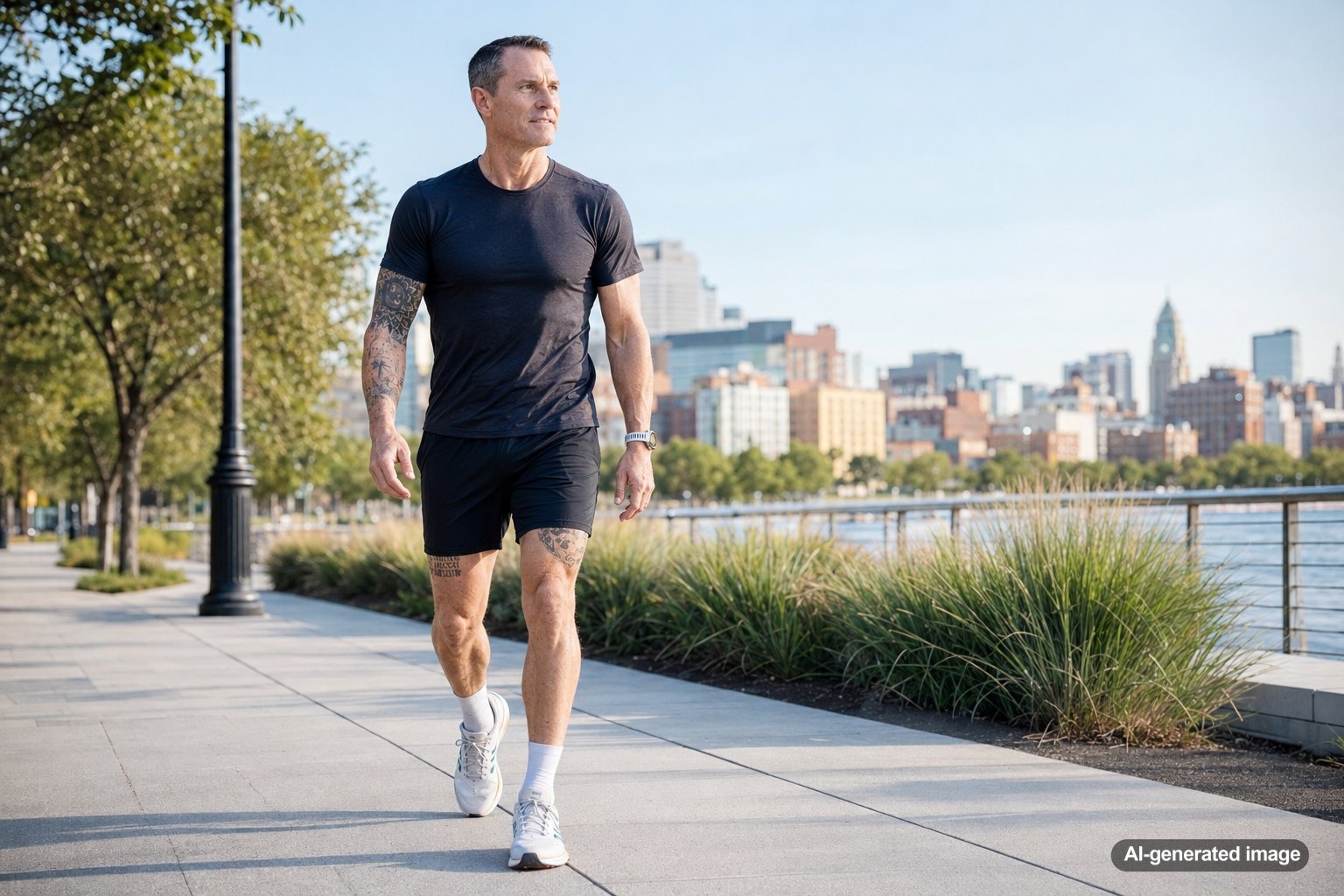
That is where Greg’s experience as a 20-time Ironman living with Young-Onset Parkinson’s carries real weight. His story is not about pretending difficulty disappears. It is about continuing to build structure, purpose, and forward motion when the path changes. In practical terms, movement may look like a hard training session, a careful walk, a strength routine, a balance class, cycling, swimming, stretching, or simply choosing one more step on a difficult day.
What people often miss about heart and brain health
One overlooked point is that intensity is not the only measure that matters. Consistency, safety, progression, and recovery all count. A person does not need to be an endurance athlete to care for the heart-brain connection. The question is often more personal: What form of movement can be repeated, adapted, and sustained?
Another overlooked point is that stress and isolation can affect the whole system. Movement with community, accountability, or purpose can support more than physical conditioning. It can help people feel connected, capable, and less alone. For people facing a diagnosis, caregiving role, leadership pressure, or a major life transition, that emotional layer matters.
Practical takeaways for everyday life
- Know your numbers. Blood pressure, cholesterol, blood sugar, and other cardiovascular markers can give useful context when reviewed with a clinician.
- Build movement into the week. Aerobic activity, strength training, balance work, and flexibility can each support different parts of physical function.
- Respect recovery. Sleep, hydration, rest days, and stress management are not signs of weakness. They help the system adapt.
- Make it sustainable. The best routine is not always the most impressive one. It is the one a person can return to with consistency.
- Ask for support. A clinician, physical therapist, coach, trainer, caregiver, family member, or community can help make healthy habits safer and more realistic.
The leadership lesson inside the biology
The heart-brain connection is also a useful metaphor for leadership and resilience. Strong systems are connected systems. A business, a family, a team, or a body cannot thrive when one essential part is ignored. Endurance is not built in one dramatic moment. It is built through repeated attention to the basics, especially when life becomes uncertain.
That is part of what makes Greg’s work resonate with organizations and teams. His message is not that adversity is easy or that movement solves everything. It is that forward motion gives people a way to participate in their own resilience. One step can become a rhythm. A rhythm can become a practice. A practice can become a life that still has purpose, contribution, and momentum.
FAQ
Does better heart health guarantee better brain health?
No. Brain health is influenced by many factors, including age, genetics, medical history, sleep, stress, environment, injury, and neurological conditions. Heart health is one meaningful part of the picture, not a guarantee.
Why is blood pressure often mentioned in brain health conversations?
Blood pressure affects the blood vessels that carry oxygen and nutrients throughout the body, including to the brain. Over time, unmanaged high blood pressure can be one of several factors that may affect cognitive and vascular health.
Is exercise important for people with Parkinson’s?
Exercise is widely discussed by Parkinson’s organizations as an important part of living well with the disease. The right routine can vary widely, so people with Parkinson’s should consider medical guidance and adapt activity to their symptoms, safety, and abilities.
What is a realistic first step?
A realistic first step might be scheduling a checkup, taking a walk, adding gentle strength work, joining a supportive class, improving sleep routines, or asking a professional what level of exercise is safe. The point is to begin with something repeatable.
Interested in bringing Greg’s message to your event or organization?
Learn more about Greg’s speaking work or get in touch to start the conversation.
Contact Greg or learn more about the Forward Motion Fund.
This article is for educational purposes only and is not medical advice. For diagnosis, treatment, or personalized medical guidance, please speak with a qualified healthcare professional.