
Can Cycling Help You Stay Fit When Running Hurts?
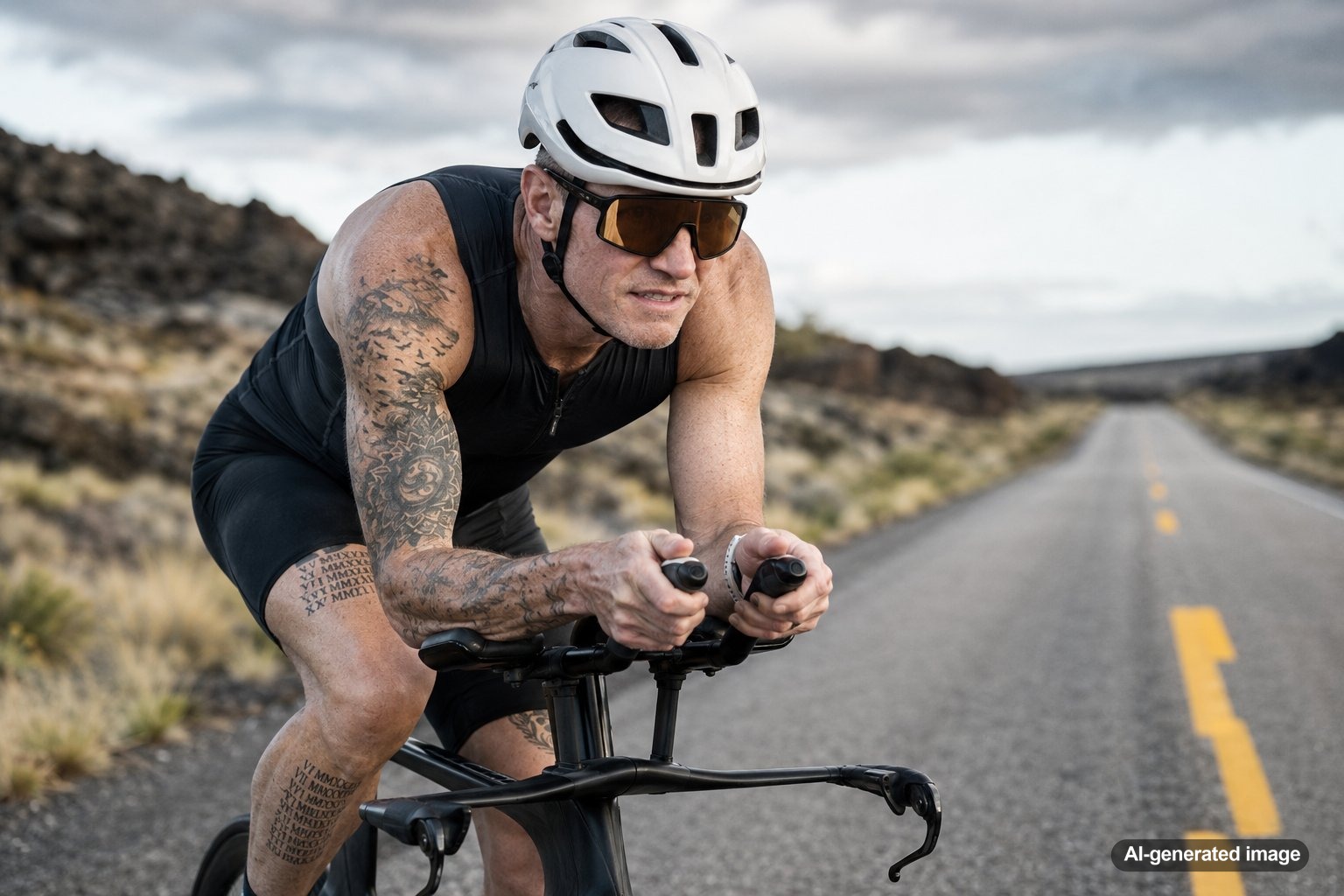
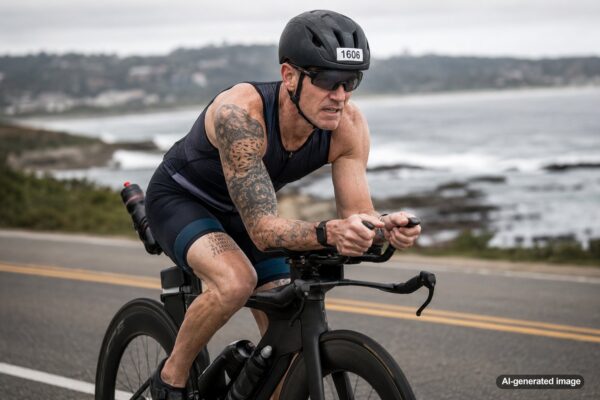
Yes, cycling can help you stay fit when running hurts. It can maintain aerobic capacity, strengthen important lower-body muscles, and preserve the habit of purposeful training without exposing your body to the repeated impact of running. For an endurance athlete, that can make cycling a valuable bridge rather than a consolation prize.
The important qualification is that pain deserves attention. A bike may reduce impact, but it does not automatically make every injury safe to train through. The location and cause of the pain, your position on the bike, and the intensity of your effort all matter. Greg Schaefer’s broader approach to endurance and forward motion reflects a useful principle here: adapting the plan can be an act of discipline, not a retreat from it.
Quick answer
- Cycling can preserve cardiovascular fitness while you temporarily reduce or stop running.
- It usually creates less impact because the bike supports your body and eliminates repeated foot strikes.
- It does not reproduce running exactly, so some running-specific conditioning may decline during a long break.
- Bike fit and training load matter. Poor positioning or excessive resistance can aggravate certain problems.
- Persistent, severe, or worsening pain should be evaluated before you build a training plan around it.
Why cycling can work when running does not
Running asks the body to absorb force with every landing. Cycling replaces that repeated landing with a supported, circular movement. That difference can make riding more comfortable when a runner is dealing with impact-sensitive discomfort in the feet, ankles, shins, knees, or hips.
Cycling also gives you unusually precise control over the session. You can change resistance, cadence, duration, terrain, and body position without abandoning aerobic work. An easy spin may serve as gentle movement on one day, while structured intervals can create a demanding cardiovascular session on another.
That flexibility is especially useful for athletes who value consistency. The goal is not to prove toughness by forcing painful miles. It is to keep developing the capacities that can be trained safely while giving the irritated area an appropriate chance to settle.
What fitness cycling can help you maintain
Aerobic endurance
Both running and cycling rely heavily on the cardiovascular system. Longer rides, steady efforts, and bike intervals can continue challenging the heart and lungs when running volume must come down. A runner may therefore retain a meaningful part of the aerobic base that supports future training.
Leg strength and muscular endurance
Cycling repeatedly loads the quadriceps, glutes, hamstrings, and calves, although the exact contribution of each muscle depends on position, resistance, and technique. Climbs and controlled low-cadence efforts can build muscular endurance, while easier high-cadence riding can emphasize smooth movement and aerobic work.
Training rhythm
A disrupted routine can be as frustrating as the physical limitation itself. Scheduled rides preserve the practical behaviors around training: planning a session, warming up, managing effort, recovering, and showing up again. That structure can make the eventual return to running feel less like starting over.
Confidence and momentum
There is a mental difference between being unable to follow the original plan and having a thoughtful alternative. Cycling can create a productive target for the week. It gives the athlete something measurable to do without pretending that pain is irrelevant.
What cycling cannot replace completely
Cycling is excellent cross-training, but it is not running in another form. It does not provide the same weight-bearing stimulus, movement pattern, tissue loading, or running economy practice. Your cardiovascular fitness may remain strong even while your legs lose some tolerance for the specific demands of running.
This distinction matters during the return. Feeling powerful on the bike does not necessarily mean you are ready to resume your previous mileage. The heart and lungs may be prepared for more work than the recovering tissues can tolerate. A gradual return, guided by symptoms and professional advice when appropriate, is usually more sensible than immediately testing old paces.
Match the bike session to the purpose
A useful cycling plan begins with the job each session needs to perform. Simply replacing every scheduled run with an equally long or equally hard ride can create unnecessary fatigue.
- For easy aerobic maintenance: Use a comfortable, conversational effort with smooth pedaling and modest resistance.
- For a longer endurance stimulus: Extend the ride gradually rather than forcing intensity. Cycling often requires more time than running to create a comparable sense of sustained work.
- For interval training: Use controlled work periods separated by genuine recovery. The resistance should challenge your breathing without causing painful grinding through the pedals.
- For active recovery: Keep resistance light and cadence comfortable. A recovery ride should leave you feeling better, not depleted.
Perceived exertion can be more useful than trying to copy running pace or mileage. A familiar easy, moderate, or hard effort gives you a practical way to compare sessions across two different sports.
Protect yourself from avoidable cycling problems
Lower impact does not mean zero stress. Cycling can irritate the knees, hips, back, neck, or hands when the bike does not fit well or when workload rises too quickly. A saddle that is markedly too low can increase knee flexion, while a reach that is too long may leave the rider straining through the back and shoulders.
Start with a position that allows smooth pedaling without rocking at the hips or reaching awkwardly for the handlebars. Use manageable resistance rather than a large gear that forces you to push hard on every revolution. If discomfort appears consistently at the same point in a ride, note the timing, intensity, cadence, and location. Those details can help a qualified clinician or bike fitter identify useful adjustments.
When cycling is not the right workaround
Do not treat the bike as permission to ignore an unexplained injury. Stop the session and seek appropriate medical guidance if cycling produces sharp pain, rapidly worsening discomfort, marked swelling, weakness, numbness, instability, or an altered pedal stroke. Prompt evaluation is also appropriate after a significant fall or other traumatic injury.
Some problems hurt during both running and cycling because both activities still load the affected area. Other conditions may feel tolerable during exercise but worsen afterward. Pay attention to how you feel later that day and the following morning, not only while you are moving.
A practical transition from running to cycling
Begin with a short, easy ride and treat it as an assessment rather than a fitness test. If the ride and the following day are comfortable, increase one variable at a time. Add duration before adding frequent hard intervals, especially if you are new to cycling.
Keep strength, mobility, or rehabilitation work in the plan when a qualified professional has recommended it. Cycling can maintain fitness, but it may not address the weakness, load-management problem, mobility limitation, or equipment issue connected to the original pain.
When running becomes appropriate again, consider retaining some cycling. One or two rides can provide aerobic volume without making every workout another impact session. For endurance athletes, this blended approach can support consistency across a long season and create options when life, recovery, or health changes the original plan.
The larger lesson in adapting your training
Athletes often attach identity to a preferred sport, pace, distance, or weekly number. Pain disrupts more than a schedule because it challenges that identity. The mature response is not indifference, and it is not panic. It is an honest assessment of what the body can do today and what will protect the ability to train tomorrow.
Greg’s experience across endurance sports, business leadership, family, and life with Young-Onset Parkinson’s reinforces the value of adaptable discipline. Forward motion is not always the same motion. Sometimes it means running. Sometimes it means cycling, recovering, asking for help, or rebuilding patiently. Readers can explore how that perspective connects with the mission of the Forward Motion Fund.
Frequently asked questions
Is cycling as good as running for cardiovascular fitness?
Cycling can provide a strong cardiovascular workout and help maintain aerobic endurance. It is not an exact substitute because running and cycling involve different mechanics, muscle demands, and training measurements.
How long should I cycle to replace a run?
There is no universal conversion. Duration depends on your cycling experience, intended effort, terrain, equipment, and reason for avoiding running. Match the session to its purpose and use perceived exertion instead of relying on a rigid mileage formula.
Can I cycle with knee pain?
It depends on the cause of the pain. Some people find cycling more comfortable than running, while others experience symptoms from resistance, repetition, or bike position. Persistent or worsening knee pain should be evaluated by a qualified healthcare professional.
Will cycling make my return to running easier?
Maintaining aerobic fitness and training consistency may help, but running-specific tolerance still needs to be rebuilt. Return gradually and follow guidance appropriate to the underlying problem.
Is an indoor bike a useful alternative?
Yes. An indoor bike offers predictable resistance, convenient intensity control, and no traffic or balance demands. Outdoor riding adds handling skills, changing terrain, and environmental conditions, so choose the option that best fits your safety and training needs.
Interested in bringing Greg’s message to your event or organization?
Learn more about Greg’s speaking work or get in touch to start the conversation.
Contact Greg or learn more about the Forward Motion Fund.
This article is for educational purposes only and is not medical advice. For diagnosis, treatment, or personalized medical guidance, please speak with a qualified healthcare professional.