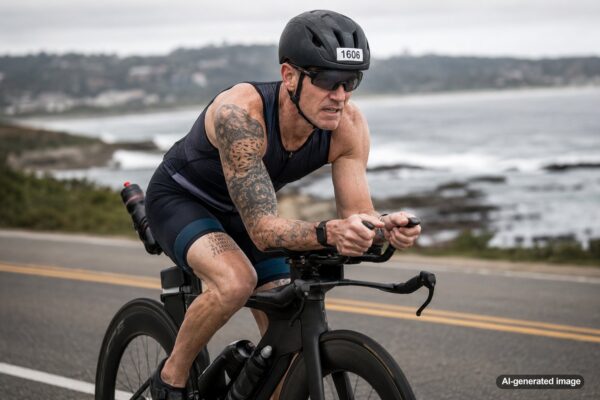

Can A Daily Walk Improve Recovery And Stress?
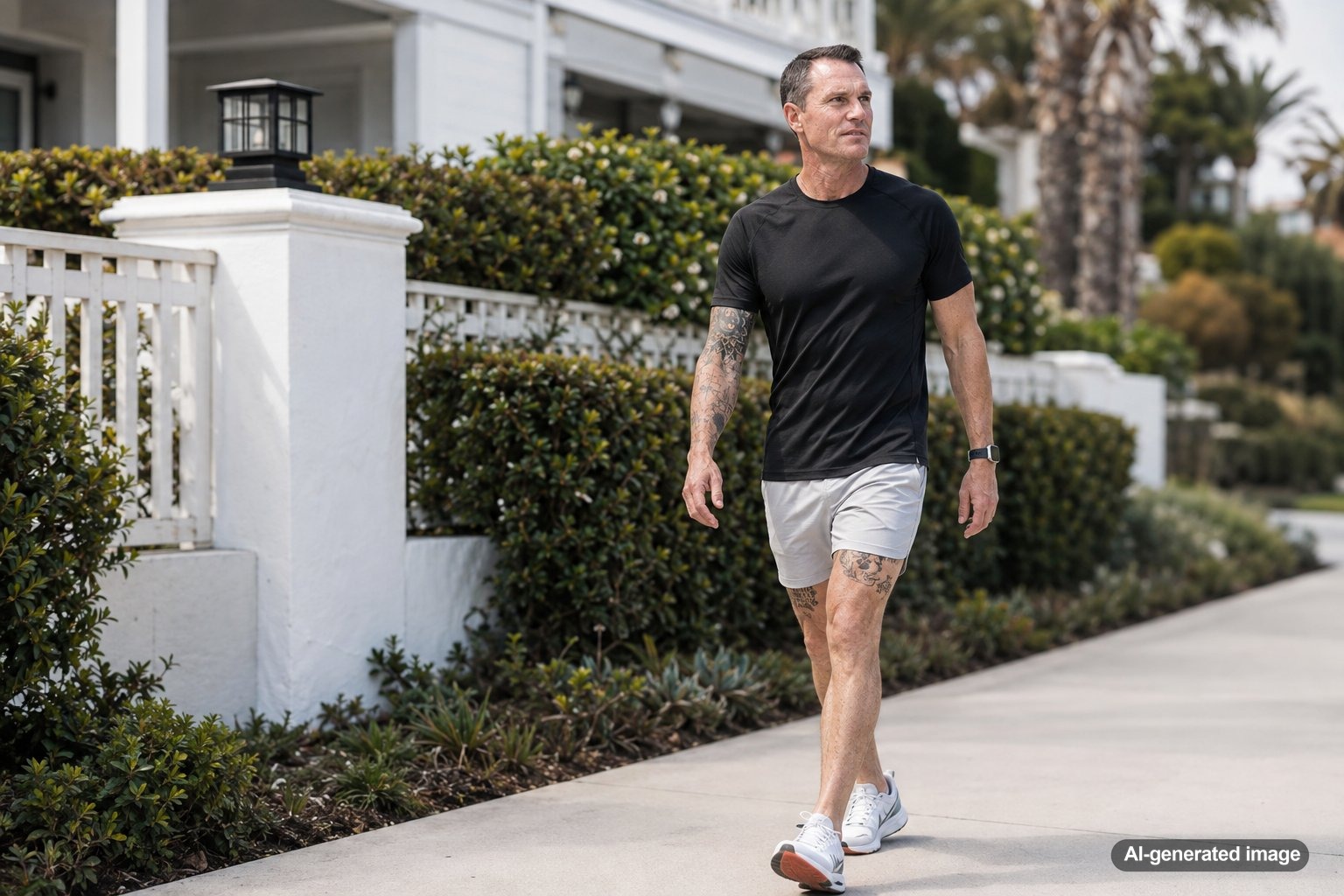
Yes, a daily walk may help support both recovery and stress management, and part of its value comes from how simple it is. Walking does not require a finish line, a complicated training plan, or a heroic effort. It can be a low-pressure way to move your body, clear some mental space, and create a deliberate transition between one demanding part of the day and the next. For athletes, leaders, parents, caregivers, and anyone carrying a full schedule, that simplicity can be a strength rather than a limitation.
Greg Schaefer’s world has long included endurance sports, business leadership, family, adversity, and the discipline to keep moving forward. But forward motion does not always have to be measured in miles, speed, or race results. Sometimes it looks like an easy walk around the neighborhood. The principle is similar to the message behind the Forward Motion Fund: meaningful movement can begin with one more step.
Quick answer: Can walking really help?
- A comfortable walk can provide gentle movement without requiring the intensity of a hard workout.
- Regular physical activity may help reduce stress and feelings of anxiety.
- Physical activity may also support better sleep, which can matter when the goal is to feel more restored.
- An easy walk can create mental separation between work, training, family responsibilities, and downtime.
- The right amount is individual. A recovery walk should generally leave you feeling refreshed rather than more depleted.
Why a walk can fit into recovery
Recovery is sometimes treated as the opposite of movement: train hard, then stop. In reality, recovery can include different forms of rest and activity depending on the person, the day, and the demands involved. A gentle walk can be one form of active recovery because it keeps you moving at an intentionally easy level without turning every day into another demanding training session.
That distinction matters. If yesterday included a hard workout, a stressful meeting, a long flight, or hours behind a desk, today’s goal may not be to prove anything. The goal may simply be to loosen up, get outside, and move comfortably. For someone with an endurance mindset, deliberately choosing easy movement can require as much discipline as pushing harder.
Walking also removes some of the friction that keeps people from being consistent. There may be no equipment to pack, no reservation to make, and no performance target to hit. That accessibility is one reason walking can become a repeatable part of a routine rather than another task that disappears when life gets crowded.
Walking can create a useful stress reset
Stress is not limited to dramatic events. It accumulates through deadlines, decisions, caregiving, training, uncertainty, traffic, notifications, difficult conversations, and the constant switching of attention that fills an ordinary day. Physical activity is one of the lifestyle habits the National Institutes of Health identifies as potentially helpful for reducing stress, and some benefits of activity, including reduced feelings of anxiety, may occur soon after movement.
A walk can also help for reasons that are less clinical and more practical. It gives you somewhere to put your attention besides the next email. It creates physical distance from the desk. It can provide twenty minutes when nobody needs a presentation, an answer, or a split time from you.
For leaders and entrepreneurs in particular, that change of setting can be valuable. Problems that feel tangled while staring at a screen sometimes look different after a few blocks outside. The walk does not solve the problem for you. It simply gives your mind a different environment in which to process it.
Recovery is bigger than sore muscles
When athletes hear the word recovery, they may immediately think about muscle soreness. But feeling recovered also involves broader factors such as sleep, mental load, energy, and the ability to return to the next challenge with enough capacity to engage with it.
Physical activity has been associated with benefits that include improved sleep and reduced feelings of anxiety. That does not mean a walk guarantees a perfect night’s sleep or eliminates stress. It means walking can be one reasonable piece of a larger recovery routine that may also include adequate sleep, nutrition, hydration, medical care when needed, and genuine downtime.
This broader definition matters because it helps prevent recovery from becoming another competition. You do not need to optimize every minute. Sometimes the most useful question is simpler: What would help me arrive at tomorrow with a little more capacity than I have right now?
The difference between a recovery walk and another workout
A common mistake is turning every form of movement into a performance test. A recovery walk does not have to become an unofficial speed-walking race, a step-count obsession, or an extra endurance session squeezed into an already demanding week.
If the purpose is recovery, keep the purpose visible. The pace can be conversational. The route can be familiar. The duration can fit the day rather than an arbitrary target. NIH reporting on walking research has also noted that health benefits are not limited to reaching the commonly repeated 10,000-step benchmark, which is a useful reminder that movement does not need a perfect round number to count.
What people often miss
Easy is allowed. The value of the walk does not depend on making it impressive.
Short still counts. A brief walk between meetings may serve a different purpose than a long weekend walk, but both can have a place.
Consistency can matter more than complexity. A routine you can repeat is often more useful than an elaborate recovery ritual you rarely have time to follow.
Four practical ways to use walking
1. The post-workout walk
After a demanding training day, an easy walk later in the day may provide gentle movement without asking you to produce another athletic performance. Keep the effort deliberately comfortable and pay attention to how your body responds.
2. The end-of-work transition
Instead of carrying the final meeting directly into dinner or family time, use a short walk as a boundary. It can mark the transition from work mode to home mode and give your mind a chance to shift gears.
3. The thinking walk
When a business problem or personal decision feels stuck, walk without trying to force an immediate answer. The objective is not productivity theater. It is simply to create uninterrupted space to think.
4. The no-metrics walk
Leave the pace target behind. If it is safe and appropriate for you, take a walk without judging whether it was fast enough or long enough. For people accustomed to measuring performance, removing the scoreboard can itself be a useful practice.
How long should a recovery or stress-relief walk be?
There is no universal duration that makes a walk effective for every person. Your fitness, health, training load, schedule, symptoms, weather, terrain, and reason for walking all matter. A short walk that feels restorative may be more appropriate on one day, while a longer easy walk may feel natural on another.
Rather than chasing an arbitrary number, consider the response. Did the walk leave you calmer, more mobile, or mentally clearer? Did it fit into your day without creating additional strain? Can you repeat it without turning it into another source of pressure? Those questions may be more useful than trying to hit an identical target every day.
When more walking is not necessarily better
Walking is accessible, but it is still physical activity. Pain, unusual fatigue, dizziness, balance concerns, worsening symptoms, injury, or other health considerations can change what is appropriate. People managing a medical condition or returning from injury should seek individualized guidance from a qualified healthcare professional when needed.
The athlete mindset can sometimes make backing off feel like failure. It is not. Recovery requires listening as well as doing. There are days when taking one more step is meaningful, and there are days when the wiser choice is rest, medical evaluation, or a different form of movement.
Walking as a practice in forward motion
There is a larger lesson hidden inside something as ordinary as a walk. Progress does not always arrive through dramatic breakthroughs. It often arrives through repeatable actions that seem almost too small to matter in the moment.
That idea runs through Greg’s experience as an entrepreneur, endurance athlete, husband, dad, speaker, and Parkinson’s advocate. His story is not about pretending hard things are easy. It is about continuing to engage with life when the path changes, finding the next useful action, and refusing to confuse a slower pace with a lack of progress. You can learn more about that perspective on Greg’s story.
A daily walk will not remove every source of stress or replace the recovery your body genuinely needs. But it may give you something practical: movement, space, rhythm, and a few minutes to reconnect with what comes next.
Frequently asked questions
Is walking considered active recovery?
It can be. An easy walk may function as active recovery when it is appropriately light for the individual and does not add meaningful fatigue. The right choice depends on your health, training load, and how you feel.
Can walking lower stress?
Physical activity may help decrease stress and reduce feelings of anxiety, according to NIH wellness guidance. Walking is an accessible way to add physical activity, but individual responses vary.
Do I need to walk 10,000 steps to benefit?
No single step target is necessary for every person. NIH reporting on walking research notes that benefits can occur below the often-cited 10,000-step level. Your appropriate activity level depends on your individual circumstances.
Is it better to walk in the morning or evening?
The most useful time is often the time that fits your purpose and schedule. A morning walk may help establish a routine, while an evening walk may create separation between a demanding day and the rest of the night. Consistency and personal response matter more than forcing one schedule.
Should I walk on a complete rest day?
That depends on why you are resting. Some people may feel good with gentle movement, while others need complete rest. If you are injured, ill, experiencing concerning symptoms, or following a medical or rehabilitation plan, individualized professional guidance should take priority.
Interested in bringing Greg’s message to your event or organization?
Learn more about Greg’s speaking work or get in touch to start the conversation.
Contact Greg or learn more about the Forward Motion Fund.
This article is for educational purposes only and is not medical advice. For diagnosis, treatment, or personalized medical guidance, please speak with a qualified healthcare professional.