Developing An Unshakeable Mindset For High Pressure Situations

Pressure has a way of revealing what preparation has built. In a difficult meeting, on a race course, during a family crisis, or at the edge of a major decision, there is rarely time to invent confidence from scratch. The response that appears in the moment usually comes from habits practiced long before the stakes became visible.
Developing an unshakeable mindset does not mean becoming emotionless, fearless, or unaffected by uncertainty. It means learning how to remain useful when the situation is uncomfortable. It is the ability to acknowledge stress without surrendering your judgment, values, or next action. That kind of steadiness is central to Greg Schaefer’s work across leadership and speaking, endurance sports, entrepreneurship, family, advocacy, and life after adversity.
Quick Answer
- An unshakeable mindset is built through preparation, not positive thinking alone.
- Pressure becomes more manageable when you narrow your focus to the next controllable action.
- Emotional steadiness does not require hiding fear, frustration, or uncertainty.
- Clear standards and practiced routines reduce impulsive decisions when the stakes rise.
- Real mental toughness includes recovery, reflection, and the willingness to ask for support.
What An Unshakeable Mindset Really Means
The word unshakeable can create the wrong picture. It may sound like a person who never doubts, never feels nervous, and never loses momentum. That person does not exist.
A stronger definition is someone who can be shaken without being controlled by the shaking. They may feel pressure in their chest, notice their thoughts speeding up, or recognize that the outcome matters deeply. They still create enough space to choose their response.
This distinction matters because denying pressure often makes it more powerful. A leader who pretends not to be concerned may miss important warning signs. An athlete who ignores fatigue may abandon a sound race plan. A parent who suppresses every difficult emotion may become less present, not more resilient.
An unshakeable mindset is not built by refusing to feel. It is built by learning to feel without losing direction.
Build Confidence From Evidence, Not Hype
Confidence is more reliable when it is connected to evidence. Before a high pressure situation, ask what you have done that supports your ability to respond well.
- Have you practiced the conversation you need to lead?
- Have you studied the information behind the decision?
- Have you trained under conditions that resemble the challenge?
- Have you identified the values you will not compromise?
- Have you prepared a response if the first plan fails?
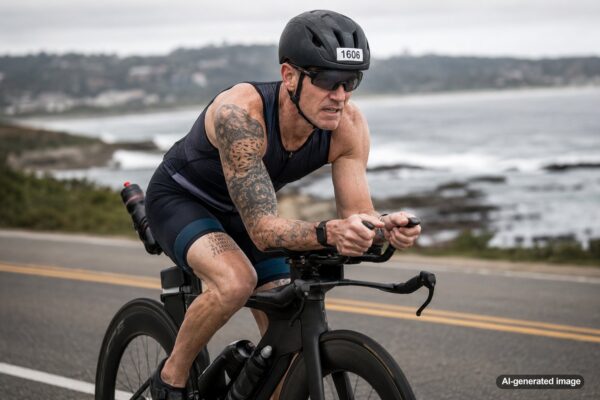
This is one reason endurance training can teach lessons far beyond athletics. A finish line does not become reachable because an athlete repeats inspirational phrases on race morning. Confidence comes from early workouts, difficult sessions, recovery choices, pacing discipline, and repeated proof that discomfort can be handled without panic.
The same principle applies in business. A leader is more composed during a difficult presentation when the numbers have been reviewed, objections have been considered, responsibilities are clear, and the team understands the plan. Preparation does not remove uncertainty, but it reduces avoidable uncertainty.
Separate Pressure From Panic
Pressure is the awareness that something important is happening. Panic is the belief that the entire situation must be solved immediately.
That difference can change your behavior. Under pressure, you may become more alert and deliberate. In panic, attention narrows too far. You may rush, speak defensively, abandon the process, or treat a temporary problem as a permanent verdict.
When you notice panic building, reduce the size of the assignment. Do not ask, “How do I control everything that happens next?” Ask, “What is the next useful action available to me?”
That action may be taking one controlled breath, requesting clarification, slowing your pace, reviewing one key fact, calling the right person, or delaying a nonurgent decision until you can think more clearly. Small actions are not a retreat from the larger challenge. They are often how people regain command of it.
Create A Reliable Reset Routine
A reset routine is a short, repeatable process that interrupts reactivity. It should be simple enough to use during a tense meeting, before a race begins, after receiving difficult news, or while handling an unexpected setback.
1. Name What Is Happening
Use direct language: “I am feeling rushed,” “I am becoming defensive,” or “I am worried about the outcome.” Naming the response can reduce the urge to act from it automatically.
2. Return To The Body
Relax your jaw, lower your shoulders, and take a slower breath than the situation seems to demand. Physical tension can intensify mental urgency. A brief physical reset can help restore a more deliberate pace.
3. Identify The Controllable
Separate what belongs to you from what does not. You may control your preparation, tone, effort, boundaries, and next decision. You may not control another person’s reaction, the weather, a competitor’s performance, an immediate diagnosis, or every consequence of a changing market.
4. Choose One Standard
Ask what standard should guide the next action. It might be honesty, patience, courage, discipline, compassion, or precision. Standards are especially valuable when emotions are loud because they provide direction without requiring perfect certainty.
Decide Before The Pressure Arrives
High pressure situations become harder when every choice must be made in real time. Strong performers reduce that burden by making important decisions in advance.
An athlete decides the pacing plan before adrenaline rises. A leader decides how the team will communicate during a crisis before confusion spreads. A family decides which priorities matter most before the calendar becomes overwhelming. A speaker decides the central message before stepping onto the stage.
Pre-decisions create guardrails. They help you avoid trading long-term values for short-term emotional relief.
Useful pre-decisions might include:
- I will not answer an important question until I understand what is being asked.
- I will not confuse urgency with importance.
- I will not abandon the plan because the first few minutes feel uncomfortable.
- I will tell the truth, even when a polished answer would be easier.
- I will ask for help before exhaustion removes my ability to choose well.
Use Pressure To Clarify Your Priorities
Pressure often exposes competing priorities. You may want to protect your image and admit a mistake. You may want to move quickly and gather more information. You may want to appear strong and acknowledge that you need support.
The unshakeable choice is not always the most impressive-looking choice. It is the choice most aligned with what matters.
Greg’s story reflects this broader view of resilience. His authority does not come from athletics alone, business alone, or living with Young-Onset Parkinson’s alone. It comes from the intersection of being a husband, dad, entrepreneur, speaker, endurance athlete, and advocate who continues to make purposeful decisions when life does not follow the expected plan. His personal and professional journey is a reminder that forward motion can change form without losing meaning.
Practice In Lower Stakes Moments
Mental toughness is easier to discuss during calm conditions than to access during a crisis. The solution is to practice steadiness before the stakes become extreme.
Everyday opportunities include staying present during an uncomfortable conversation, finishing a planned workout when motivation drops, responding thoughtfully to criticism, setting a needed boundary, or correcting a mistake without making excuses.
These moments may seem small, but they train the same sequence required in larger challenges:
- Notice the emotional reaction.
- Pause before acting.
- Identify what matters.
- Choose the next useful step.
- Review the outcome honestly.
Repeated practice turns steadiness into a familiar behavior. The goal is not to eliminate pressure. The goal is to reduce the number of times pressure makes the decision for you.
Know The Difference Between Toughness And Rigidity
Rigid people may appear strong because they refuse to change direction. Resilient people stay committed to the mission while adjusting the method.
This distinction is critical in high pressure situations. A plan can be disciplined and still require revision. A leader can be decisive and still listen. An athlete can be mentally tough and still slow down to protect the full race. A person facing adversity can remain hopeful without pretending that every day feels hopeful.
Rigidity says, “I must execute the original plan exactly.” Resilience says, “I will protect the purpose, assess reality, and adapt intelligently.”
What People Often Miss
An unshakeable mindset is not proven by how long you can ignore stress. It is proven by how honestly you can assess the situation, adapt without abandoning your values, and continue making useful decisions. Recovery, support, and reflection are part of strength, not evidence against it.
Review Pressure After It Passes
Experience alone does not automatically build wisdom. Reflection turns experience into a better future response.
After a difficult event, review it without exaggerating your success or attacking yourself for every mistake. Ask:
- What did I notice first?
- What helped me remain steady?
- Where did I become reactive?
- Which preparation proved useful?
- What decision would I make differently next time?
- What support, information, or recovery do I need now?
This kind of review creates practical confidence. Instead of relying on a vague belief that you will handle pressure better next time, you build a specific plan.
Frequently Asked Questions
Can anyone develop an unshakeable mindset?
Most people can strengthen their ability to respond to pressure through preparation, reflection, emotional awareness, and repeated practice. Personality may influence how someone experiences stress, but steadiness is not reserved for a particular type of person.
Does mental toughness mean ignoring fear?
No. Fear can provide useful information. Mental toughness means evaluating that information without allowing fear to control every decision. Courage usually includes fear rather than requiring its absence.
How can leaders stay calm during a crisis?
Leaders can slow the pace of communication, verify facts, clarify priorities, assign responsibilities, and avoid pretending to know what remains uncertain. Calm leadership is not passive. It creates enough stability for the team to act effectively.
What should I do when my mind goes blank under pressure?
Pause, breathe slowly, and return to one concrete fact or action. Ask for a moment, request that the question be repeated, or write down the next step. Trying to recover everything at once can increase the mental overload.
How long does it take to build mental toughness?
There is no universal timeline. The process develops through repeated experiences, honest review, and consistent habits. Improvement may become noticeable gradually, especially when you practice in ordinary situations rather than waiting for a major crisis.
Interested in bringing Greg’s message to your event or organization?
Learn more about Greg’s speaking work or get in touch to start the conversation.
Contact Greg or learn more about the Forward Motion Fund.
This article is for educational purposes only and is not medical advice. For diagnosis, treatment, or personalized medical guidance, please speak with a qualified healthcare professional.